
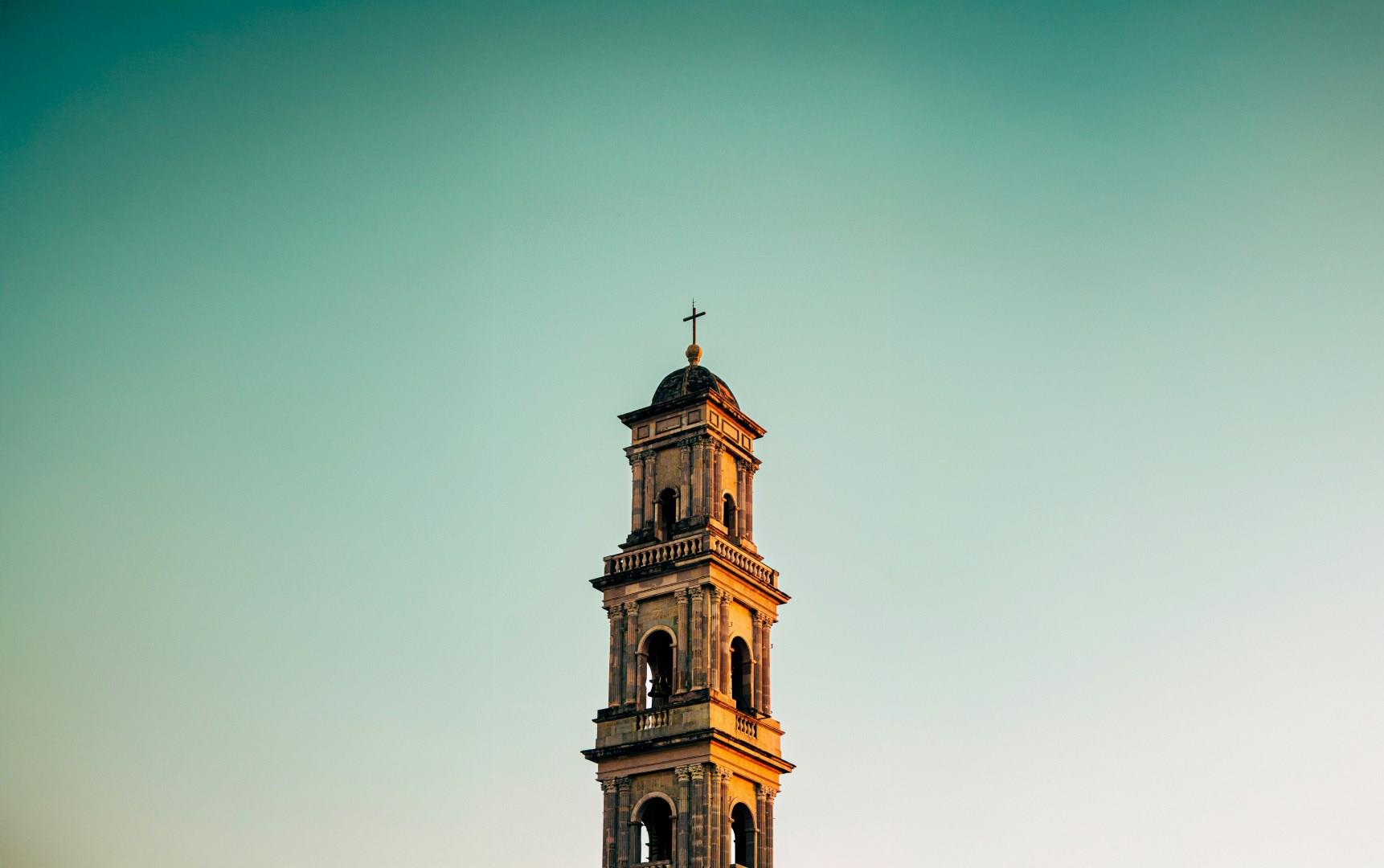
Tampico
Tampico, located on the Gulf Coast of Tamaulipas, is a port city with a layered history shaped by trade, oil, and immigration. Its downtown district is known for neoclassical buildings, many of which were constructed with imported bricks and ironwork from Europe during the oil boom of the early 20th century. One of Tampico’s most photographed structures is the Mercado Municipal, rebuilt in recent years but still functioning as a central hub for daily life.
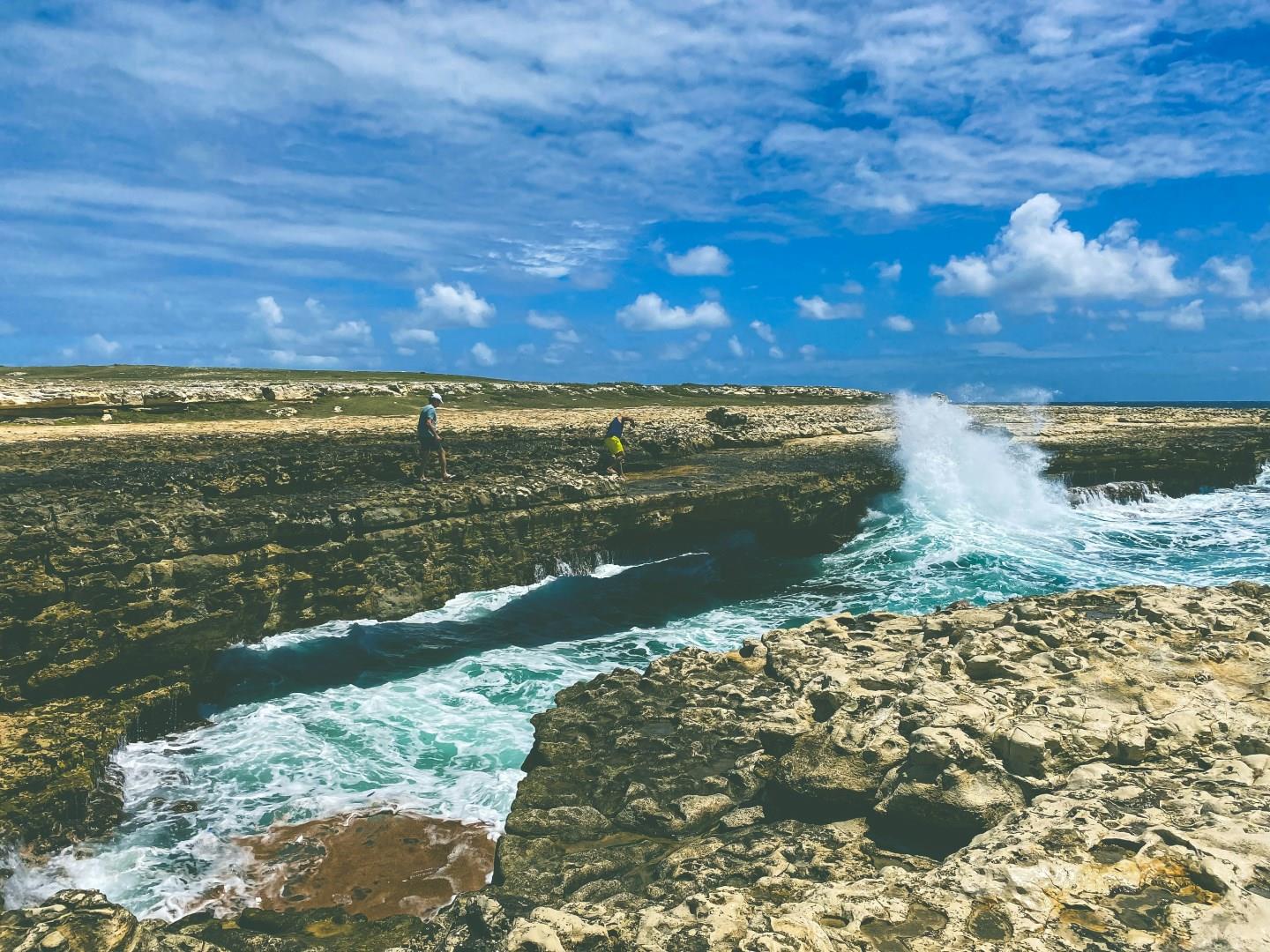
Devil's Bridge National Park
Devil’s Bridge National Park, located on the rugged Atlantic coast of Antigua, is one of the island’s most dramatic natural landmarks. The park is named after its striking limestone arch, carved over centuries by relentless waves and wind.

Tartu
Tartu is celebrated for its vibrant cultural scene. The city's bustling Town Hall Square is surrounded by charming 18th-century buildings and hosts various events throughout the year. The Tartu Art Museum and the KGB Cells Museum offer fascinating insights into Estonia’s history and art.

Bequia
Bequia, the largest of the Grenadines, is a hidden gem in the Caribbean Sea that captivates visitors with its unspoiled beauty and warm, welcoming atmosphere. Often described as the "island in the clouds," Bequia (pronounced "Bek-way") offers a tranquil escape where turquoise waters meet lush green hills. The island's charm lies in its simplicity—no sprawling resorts or crowded beaches, just a peaceful haven where time seems to stand still.
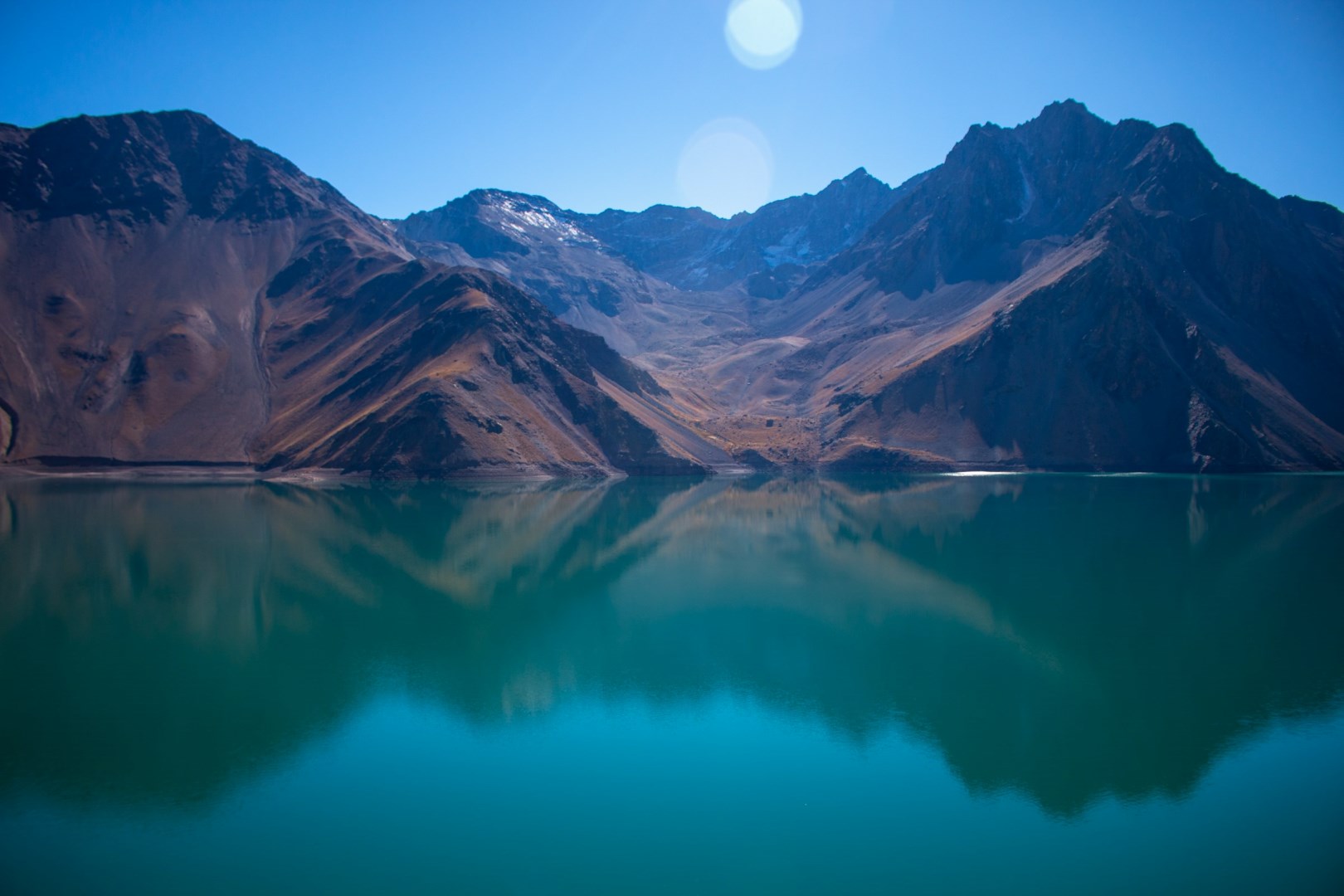
Maipo
Maipo is a rural area south of Santiago in Chile's Metropolitan Region, centered on the Maipo River and the agricultural communities of the Maipo Valley. The landscape combines vineyards, orchards, farmland, and foothills that rise toward the Andes. The area is particularly associated with wine production, especially Cabernet Sauvignon and other red varieties grown in the valley's warm, dry climate.
