
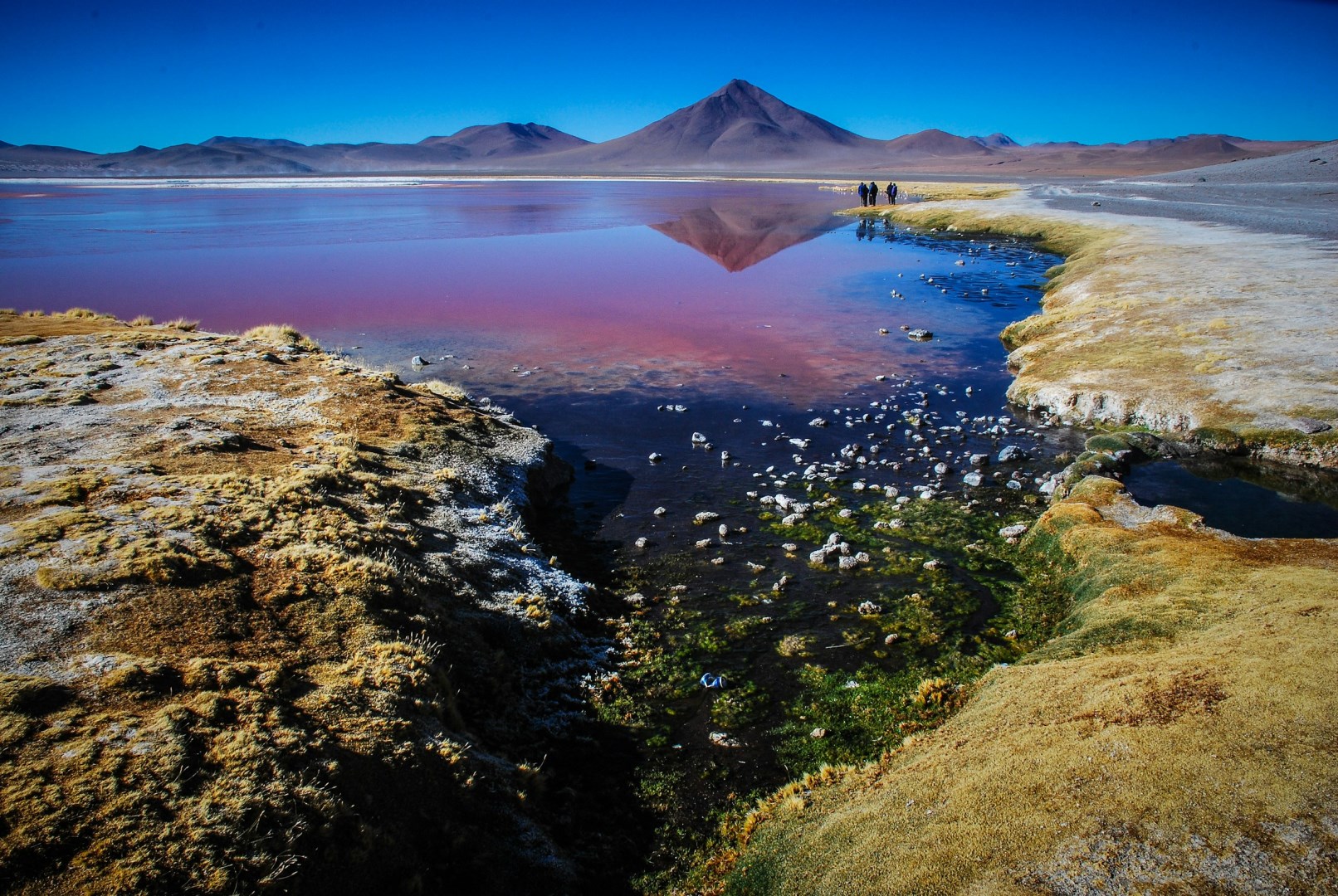
Altiplano
The Bolivian Altiplano is a vast high plateau in the Andes, stretching across much of western Bolivia between the country’s major mountain ranges. Its high elevation creates a cool, dry environment with broad open plains, rugged peaks, volcanoes, and sparse grasslands. La Paz and El Alto occupy the northern part of the plateau, while Oruro, Uyuni, and Potosí are among its other important settlements.
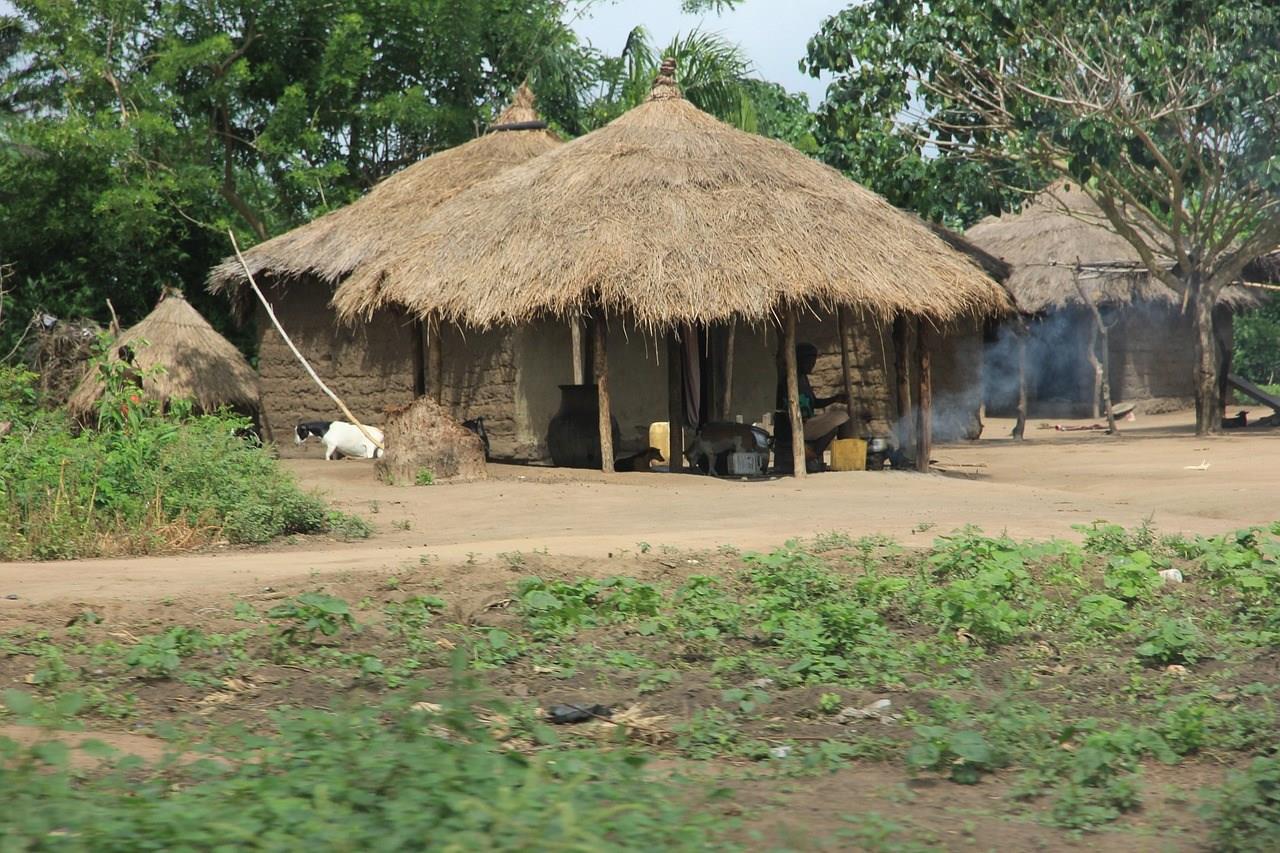
Togo
Togo, a narrow country in West Africa, stretches from the Gulf of Guinea in the south to savanna landscapes in the north. Its diverse cultures and languages, combined with vibrant music and dance traditions, create a lively and colorful atmosphere throughout the country.

Messina, Sicily
Messina sits on the northeastern tip of Sicily, facing the narrow Strait of Messina. Its position has long made it a key port connecting the island to mainland Italy. The city is shaped by its harbor, hillside neighborhoods, and views across the water toward Calabria. Messina stands out for its role as a gateway, with active ferry routes and a layout that blends rebuilt urban areas with historic landmarks and coastal scenery.

Nova Scotia
Nova Scotia covers an area of 21,425 sq. miles, and Halifax is the capital. This is an area rich in history — Gaelic is still spoken here in some areas by descendants of the early settlers. The coast is peppered with fishing villages, and inland the climate boasts sprawling valleys and rocky headlands.
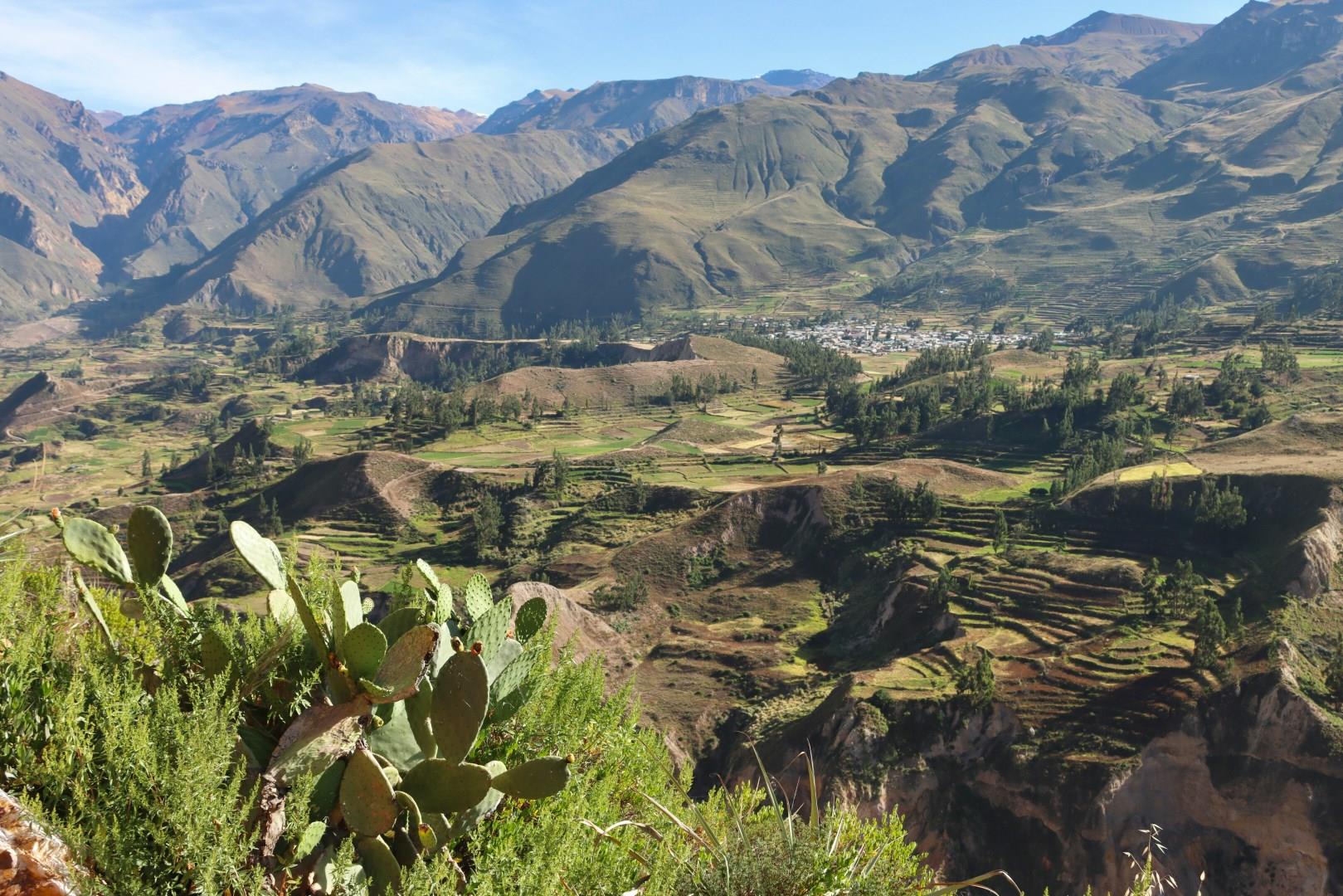
Colca Canyon
Colca Canyon, located in southern Peru’s Arequipa region, is one of the deepest canyons in the world, twice as deep as the Grand Canyon in some areas. What makes it stand out even more is how human settlements have coexisted with the landscape for centuries. Along its walls, pre-Inca agricultural terraces still hold crops like corn and quinoa. One of the main draws of the canyon is the opportunity to see Andean condors in flight.
