

Warsaw
Warsaw stands as one of Europe’s most resilient cities, having rebuilt itself almost entirely after World War II. The Old Town, meticulously reconstructed using paintings by Italian artist Bernardo Bellotto, feels centuries old but is, in fact, less than a hundred years in its current form. Behind the medieval facades lie stories of uprisings, resistance, and quiet defiance. Visitors walking through Castle Square can enter the Royal Castle, where Poland’s Constitution of May 3, 1791 was adopted.
Omaha
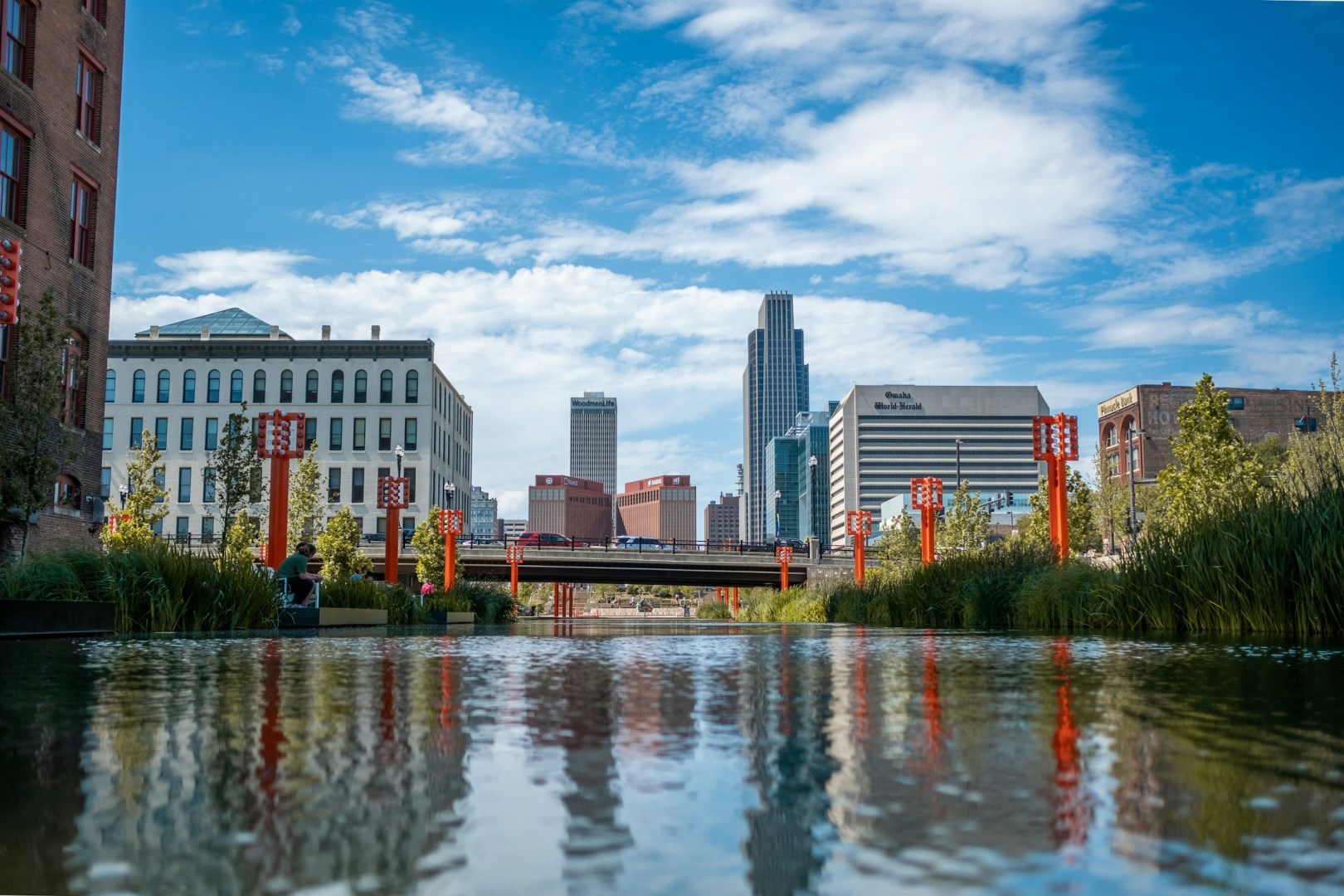
Omaha, city in eastern Nebraska. The seat of Douglas County, it is a port of entry on the Missouri River, opposite Council Bluffs, Iowa. The largest city in Nebraska, Omaha is a commercial, manufacturing, and transportation center situated in a productive livestock-raising and grain-farming region.
Barca d'Alva
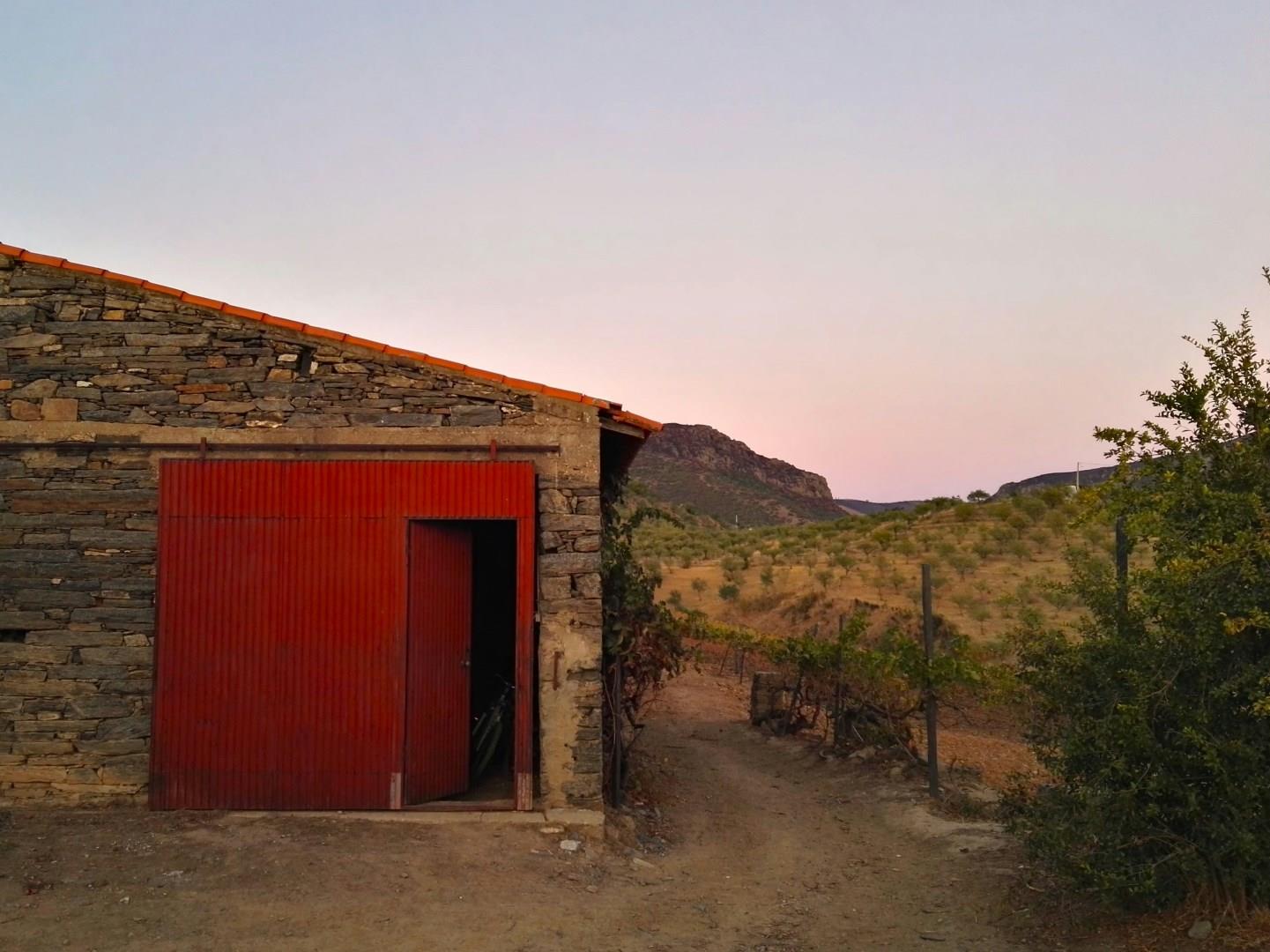
Barca d'Alva sits quietly along the Douro River, right at Portugal’s eastern border with Spain. Once the final stop on the historic Douro railway line, this riverside village remains relatively untouched by mass tourism. The surrounding landscape filled with terraced vineyards, olive groves, and almond trees form part of the UNESCO-listed Alto Douro Wine Region.
Pilanesberg National Park
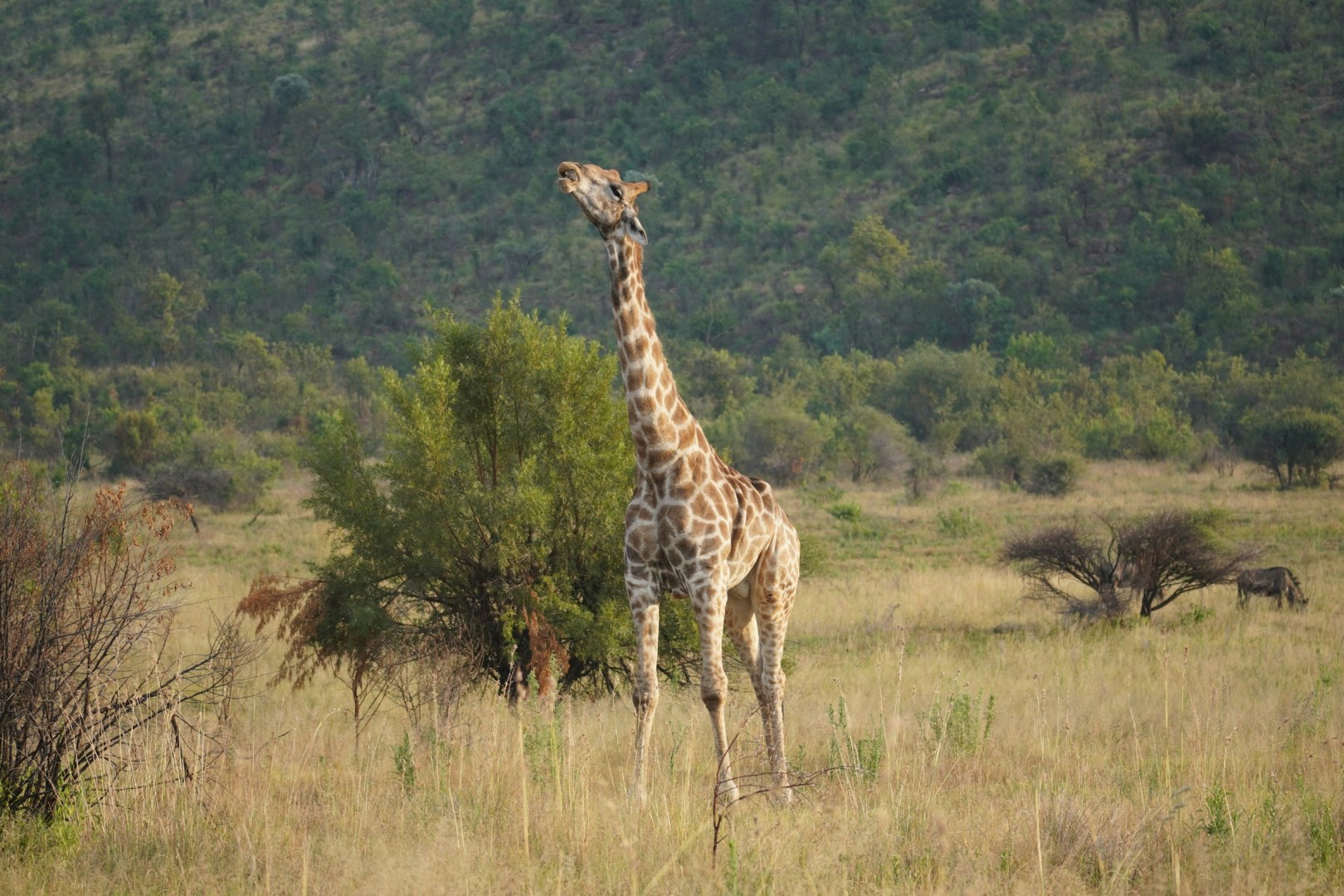
Pilanesberg National Park is a protected wildlife area in South Africa’s North West province, located within an ancient volcanic crater near Sun City. The park covers about 55,000 hectares and contains a varied landscape of hills, valleys, open grassland, woodland, and seasonal watercourses
Norfolk Island
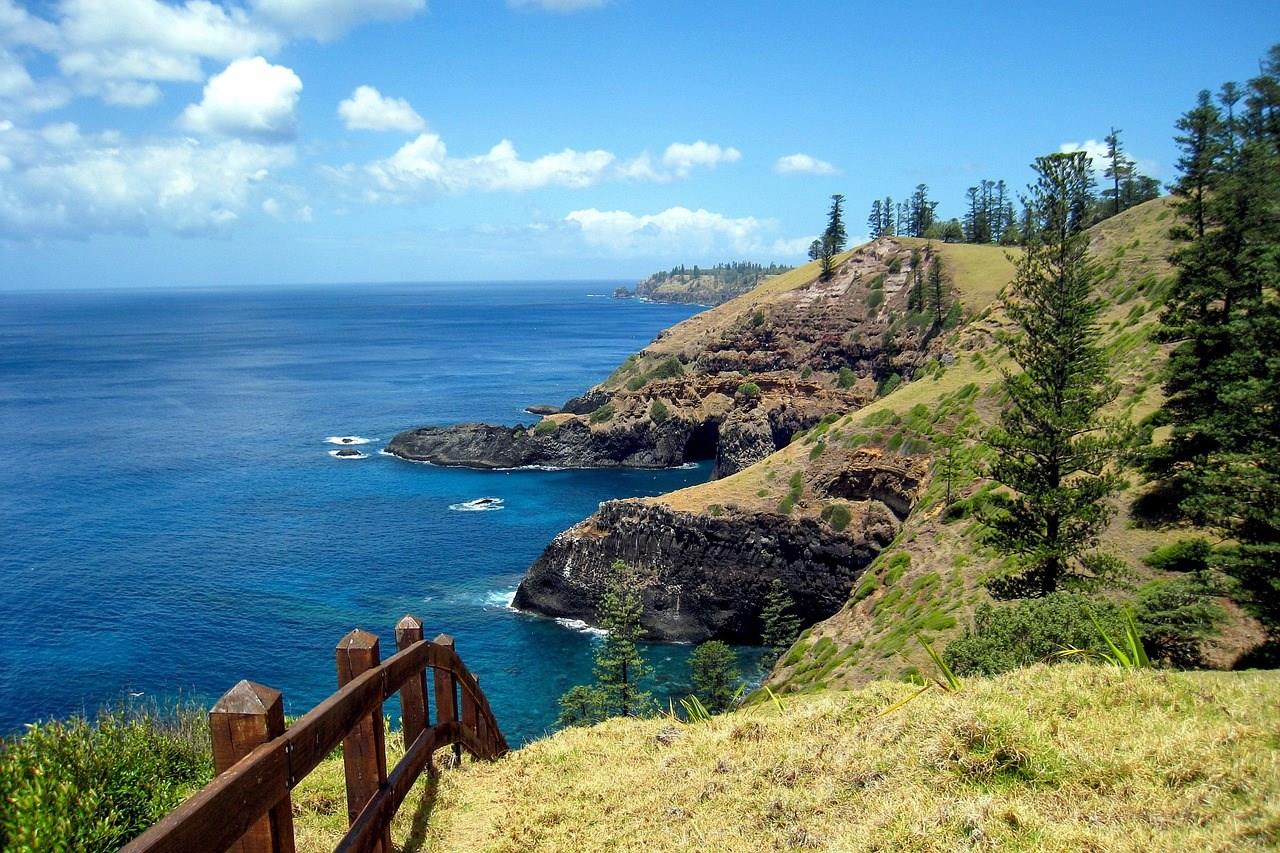
Norfolk Island may be small but it carries a story that spans centuries. Located in the South Pacific between Australia, New Zealand, and New Caledonia, the island is a fascinating blend of Polynesian roots, British convict history, and Pitcairn Island culture. Today, visitors can walk through one of the best-preserved penal settlements in the world at Kingston, where stone ruins and restored Georgian buildings stand against a backdrop of green hills and the open sea.
