
Adara
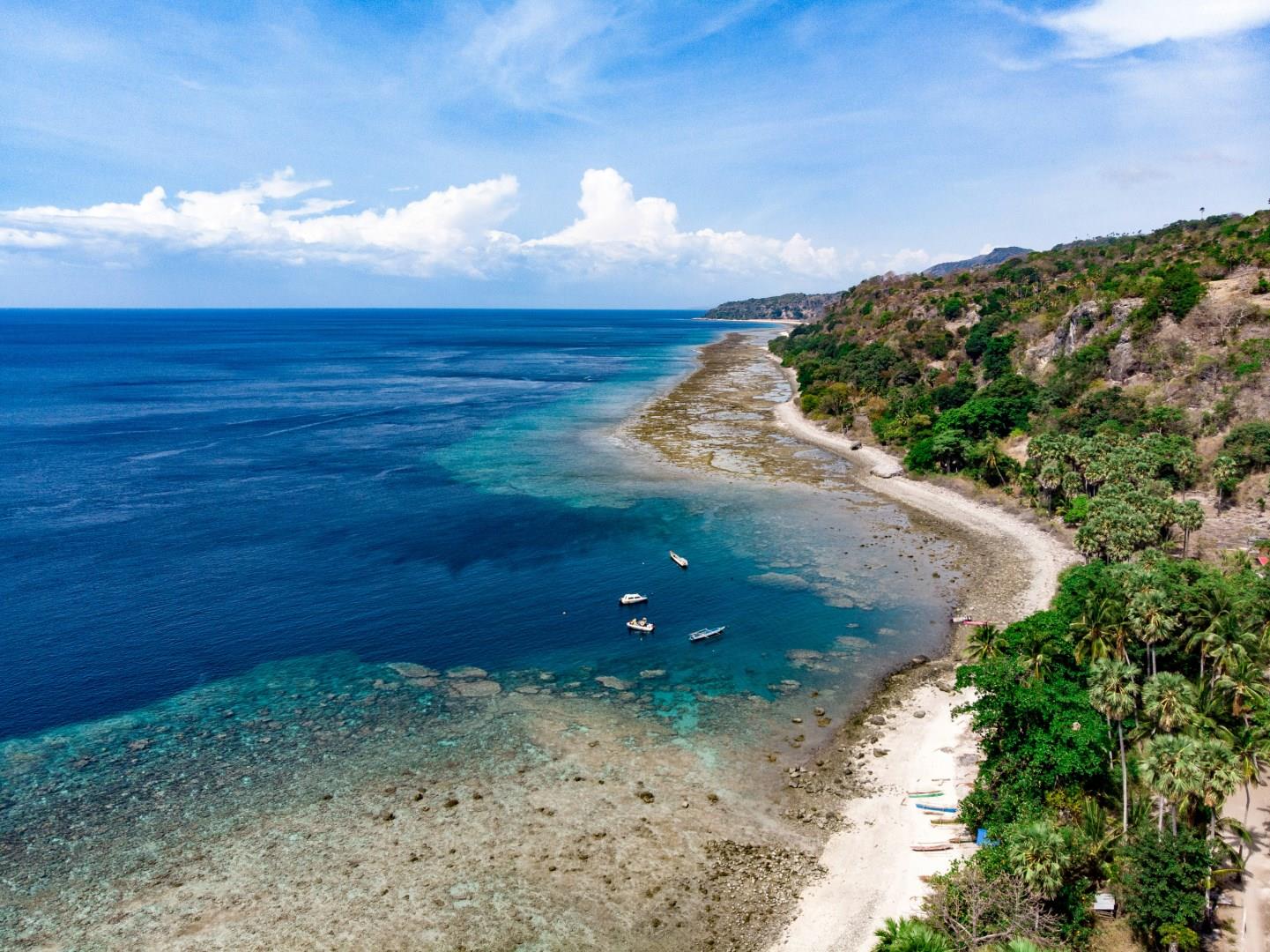
Adara is a small, remote village on Atauro Island in Timor-Leste, known for its quiet charm and deep connection to the sea. Nestled between steep mountain slopes and the turquoise waters of the Wetar Strait, the community lives largely from fishing and small-scale agriculture.

Dominica
Dominica, known as the “Nature Island of the Caribbean,” is a haven for eco-tourists and adventure seekers. Nestled between the French islands of Guadeloupe and Martinique, this lush island boasts a remarkable landscape of volcanic mountains, dense rainforests, and stunning waterfalls. Dominica’s most iconic natural wonder is the Boiling Lake, the second-largest hot spring in the world.
Colonia del Sacramento
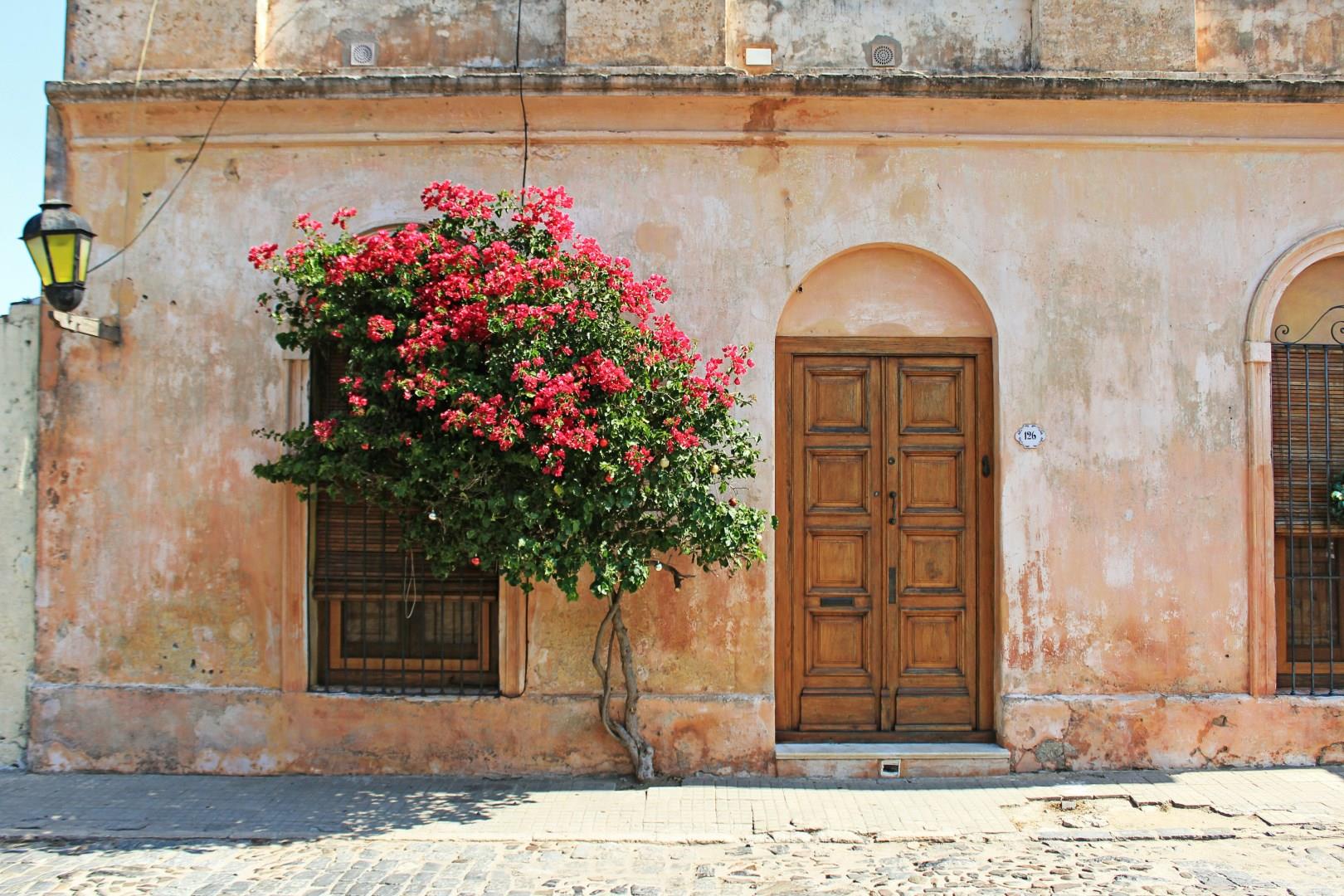
Colonia del Sacramento is where time lingers. Founded in 1680 by the Portuguese and later contested by the Spanish, the town’s past is etched into its cobblestone streets and weathered facades. The Barrio Histórico, a UNESCO World Heritage Site, is compact enough to walk in an afternoon yet layered with centuries of stories. Visitors can explore remnants of the original city walls and climb the iconic lighthouse for sweeping views of the Río de la Plata.
Livingstone
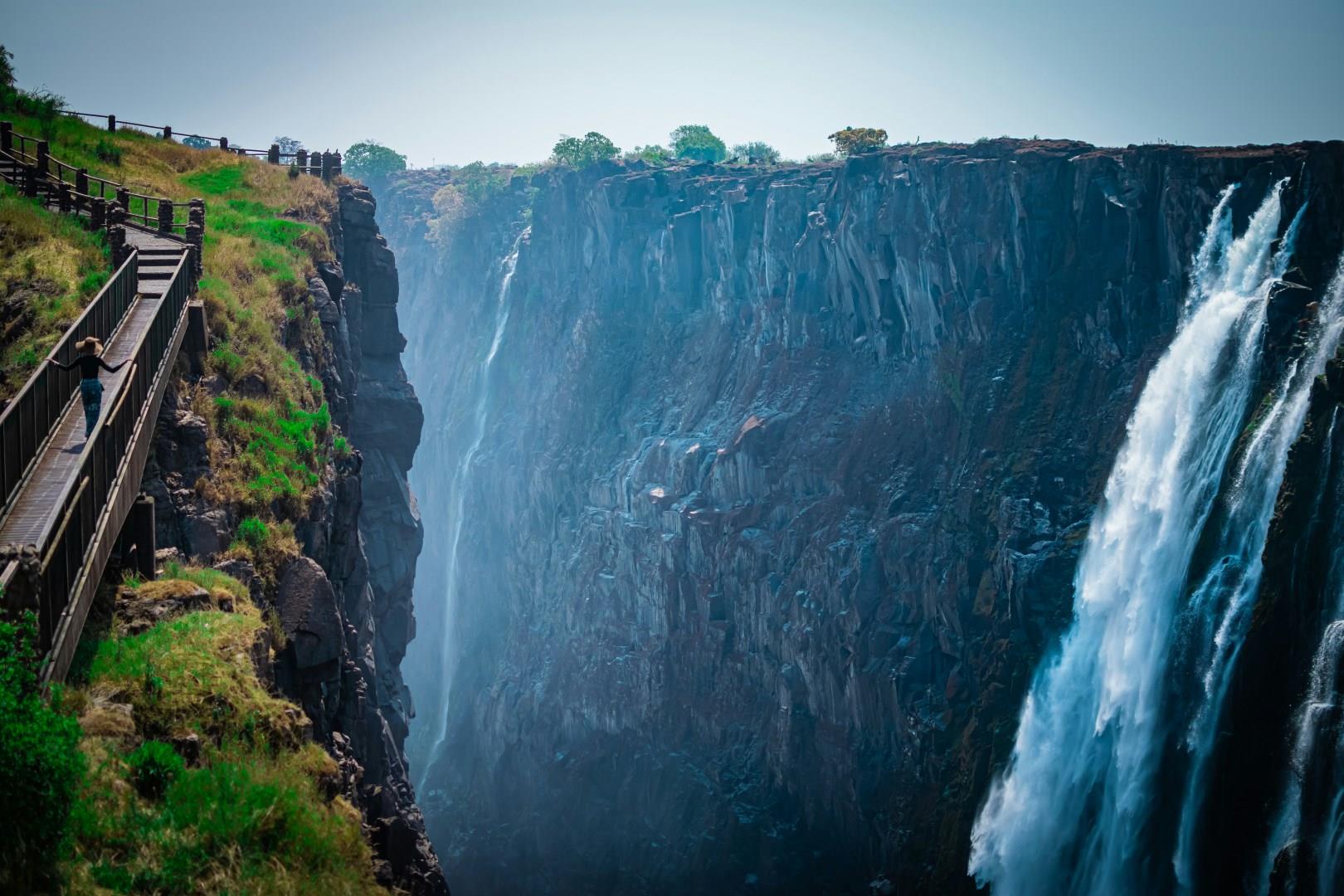
In the heart of Zambia lies Livingstone, a city that serves as the gateway to one of the most spectacular natural wonders in the world: Victoria Falls. This UNESCO World Heritage Site, often referred to as "The Smoke That Thunders," is renowned for its breathtakingly powerful waterfalls on the Zambezi River. The falls, which span over 1,700 meters wide and plunge 108 meters deep, offer a mesmerizing display of nature's might.
Lívingston
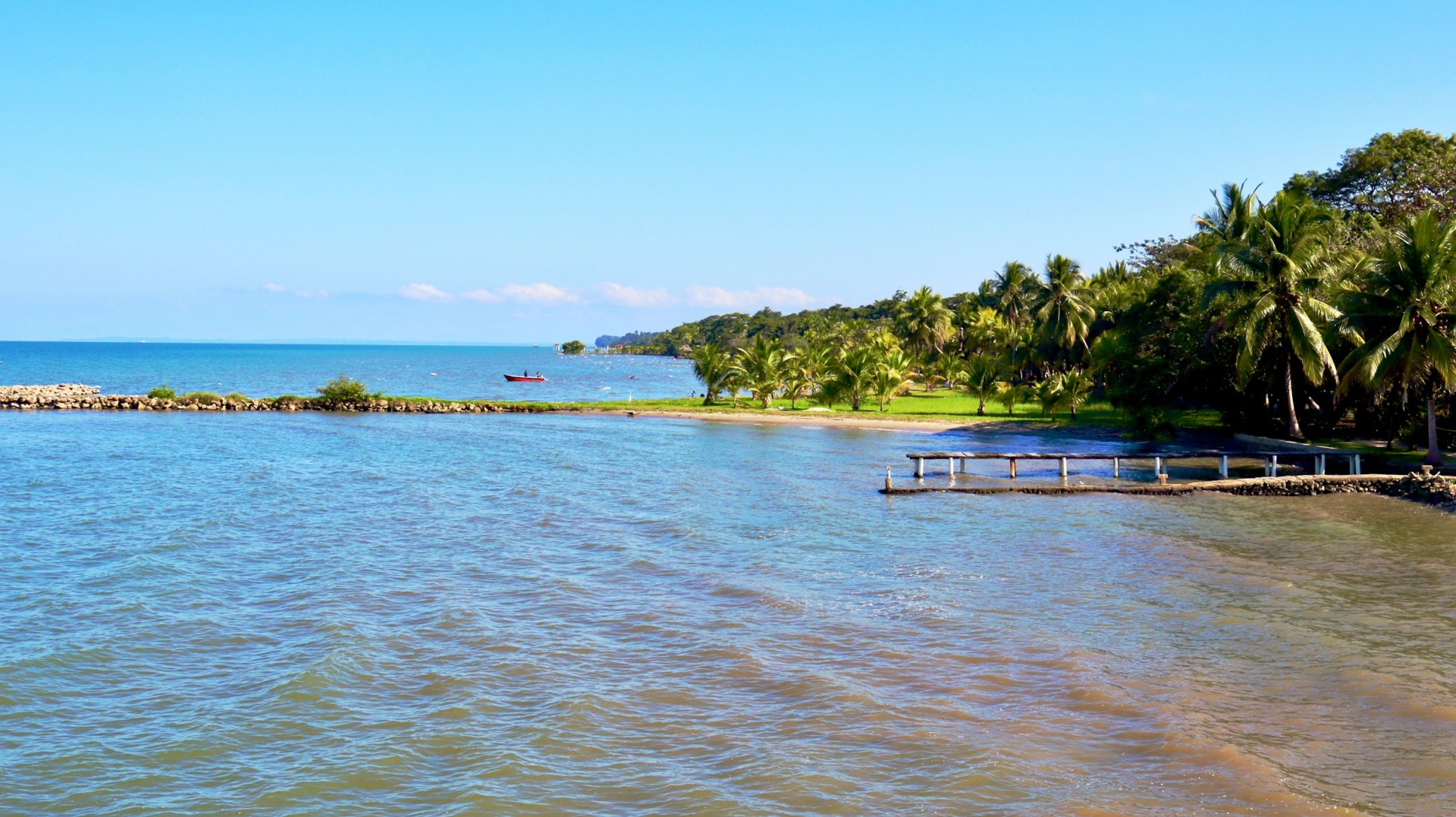
Livingston is a small coastal town in Guatemala's Izabal department, situated where the Río Dulce meets the Caribbean Sea. Unlike much of the country's interior, Livingston is reached primarily by boat, with regular water transport connecting it to Puerto Barrios and Río Dulce. The town is surrounded by tropical vegetation, waterways, and Caribbean coastline, giving it a distinct geographic setting within Guatemala.
