
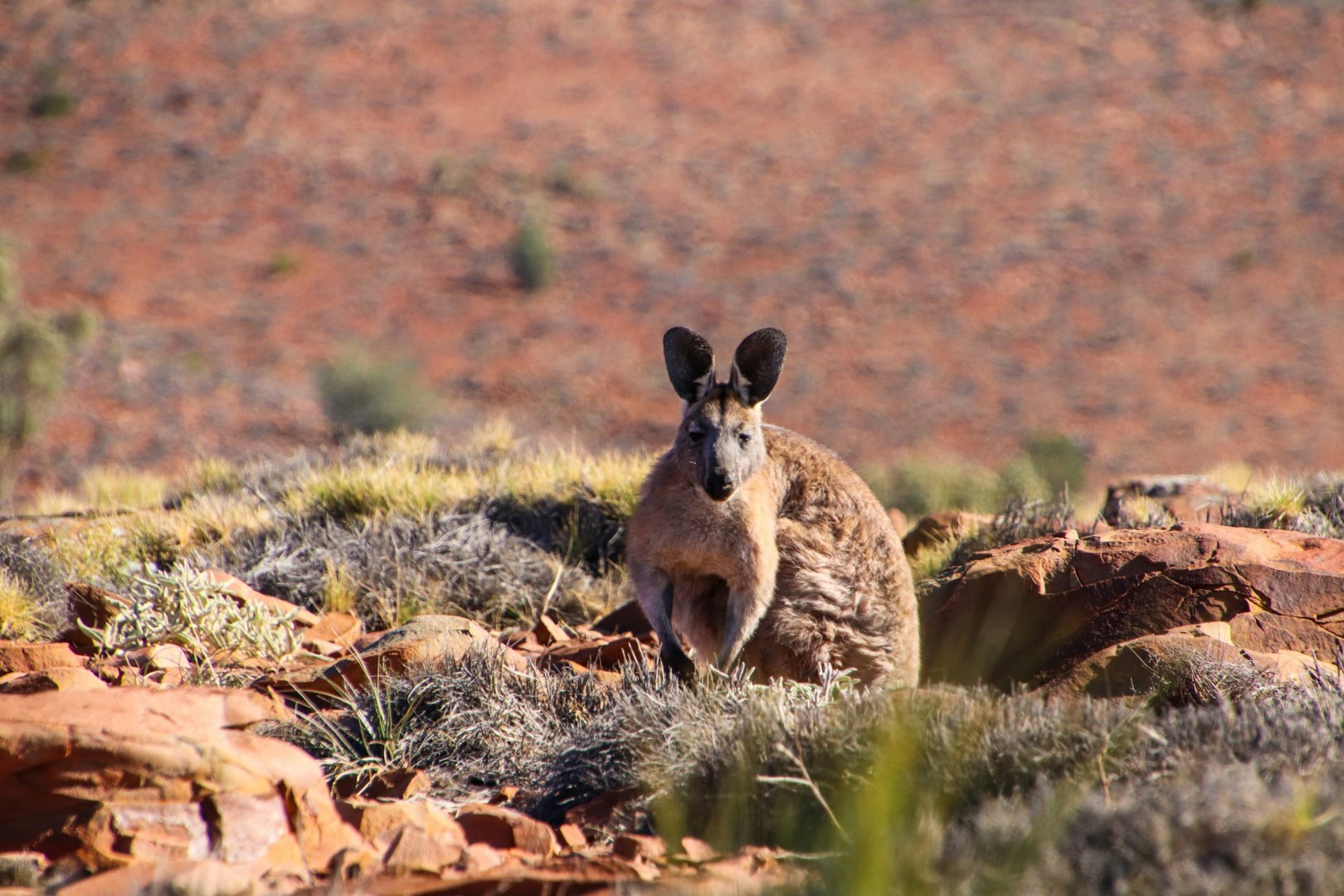
Ikara-Flinders Ranges National Park
Ikara-Flinders Ranges National Park lies in South Australia’s Flinders Ranges, covering about 95,000 hectares of rugged mountains, dry valleys, rocky gorges, and semi-arid plains. Its most recognizable feature is Ikara, also known as Wilpena Pound, a vast natural amphitheatre enclosed by quartzite ranges. The park also contains the Heysen Range and the Brachina and Bunyeroo gorges, creating a landscape shaped by erosion and exposed geological layers.
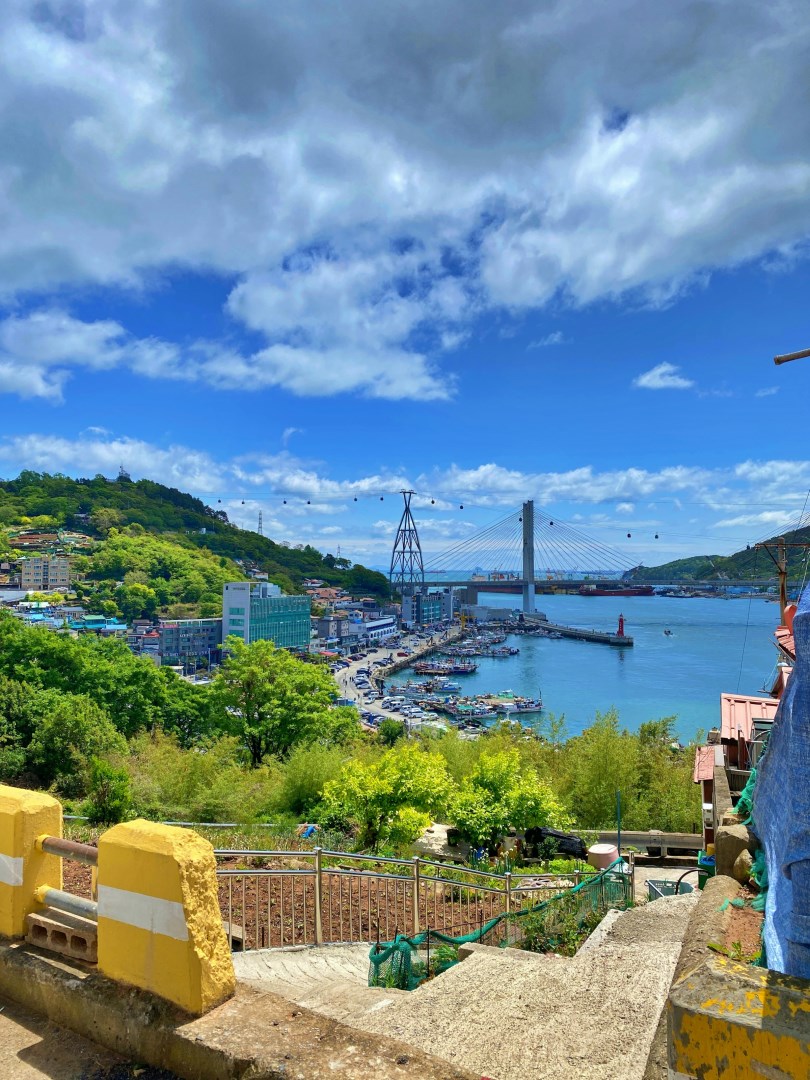
YEOSU
Yeosu is a coastal city in South Jeolla Province, spread across a peninsula and numerous islands along Korea's southern coast. Its geography is defined by sheltered bays, rocky shorelines, wooded hills, and the waters of the Korea Strait. The city is known for its maritime setting, seafood, island communities, and coastal viewpoints.
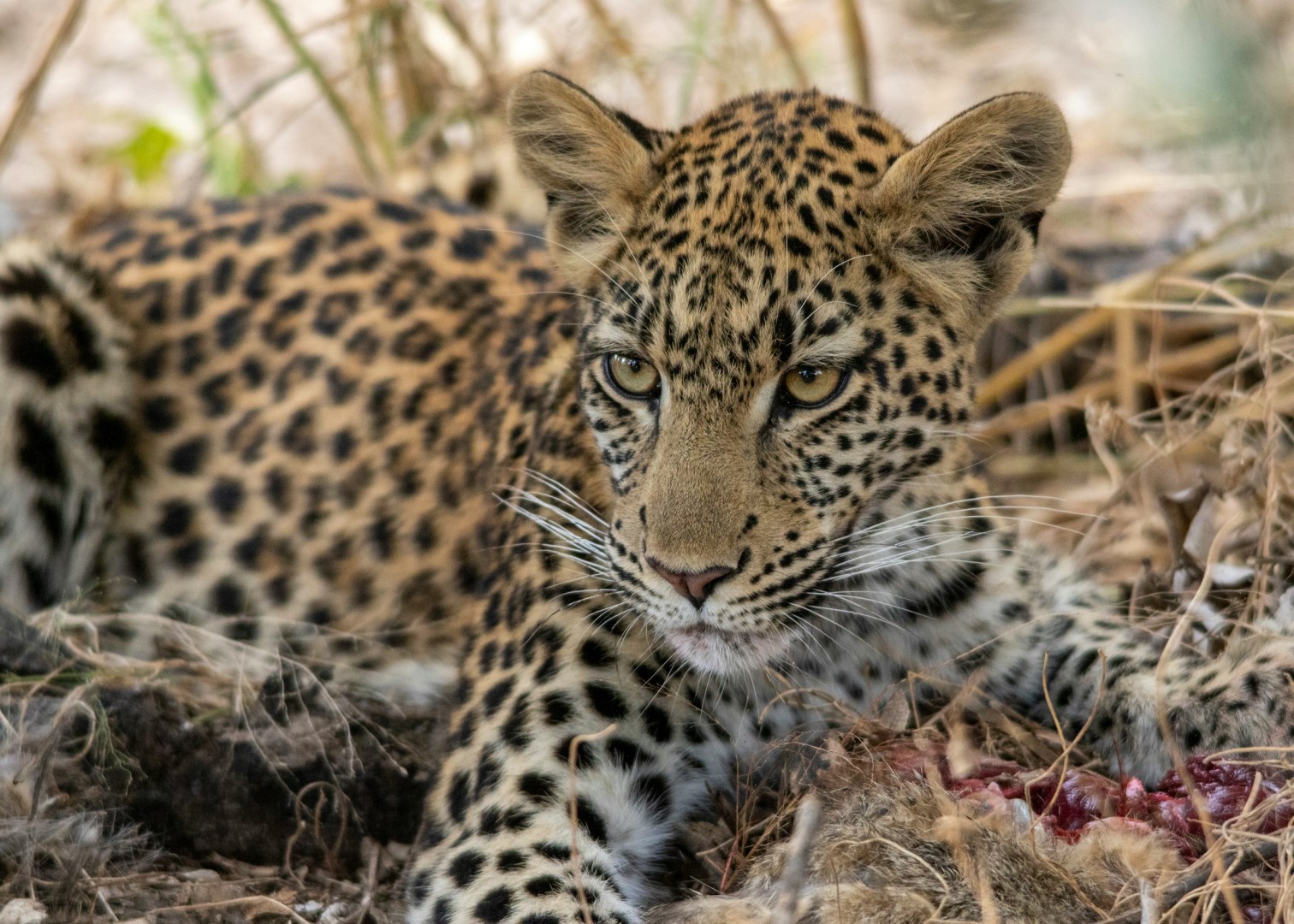
Khwai
Khwai is a small community in northern Botswana situated beside the Khwai River, on the eastern edge of the Okavango Delta. Its location places the village between the Moremi Game Reserve and the Chobe National Park area, within a landscape of floodplains, seasonal wetlands, grasslands, mopane woodland, and riverine forest.
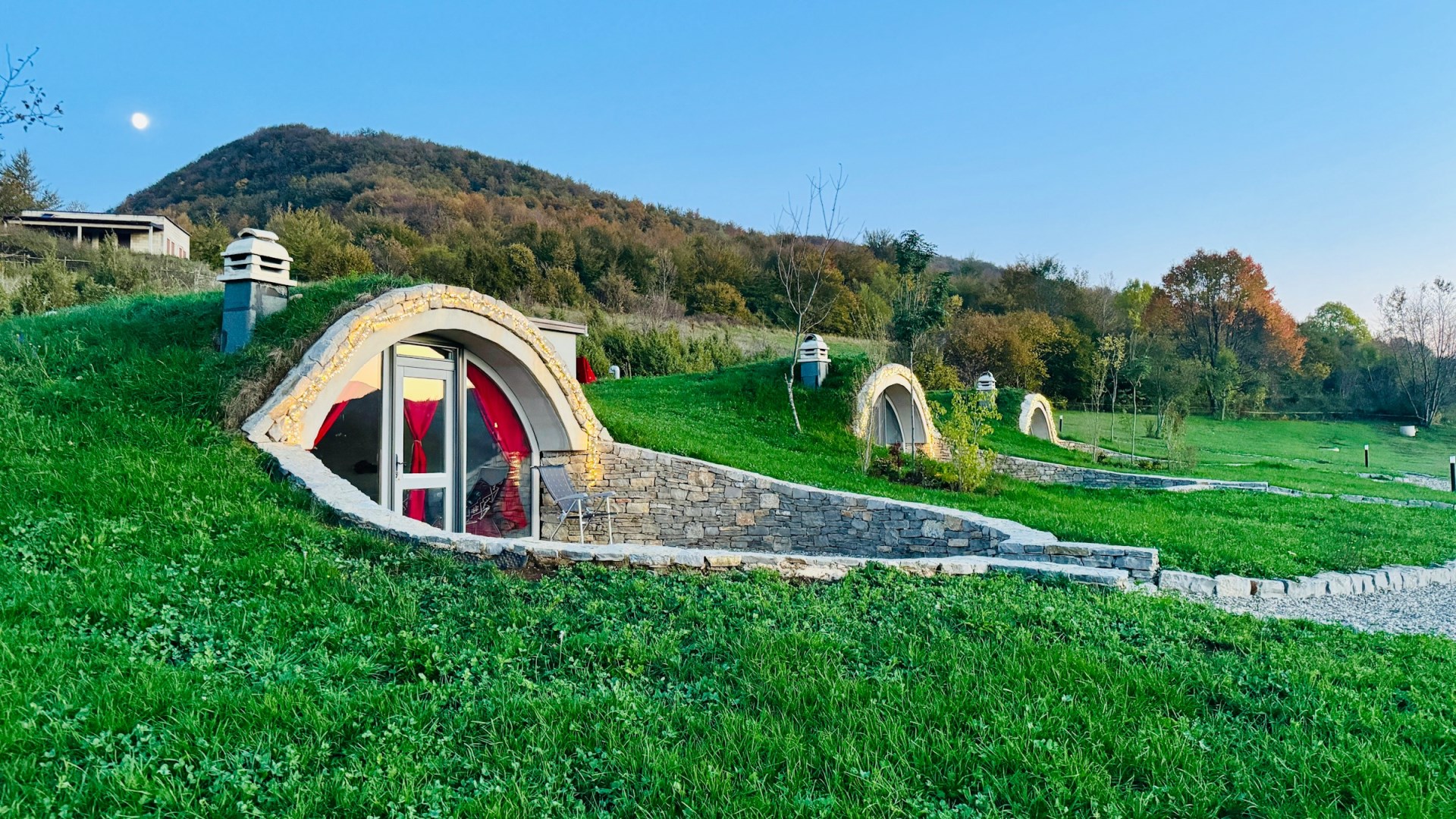
Kosovo
Kosovo, one of Europe’s youngest countries, offers visitors a glimpse into a landscape marked by resilience and rich tradition. The capital, Pristina, blends modern life with historical landmarks such as the Imperial Mosque, built in the 15th century, and the National Library, known for its unique architectural style. Walking through the city, visitors encounter a mix of Ottoman influences alongside vibrant street art and lively cafes.
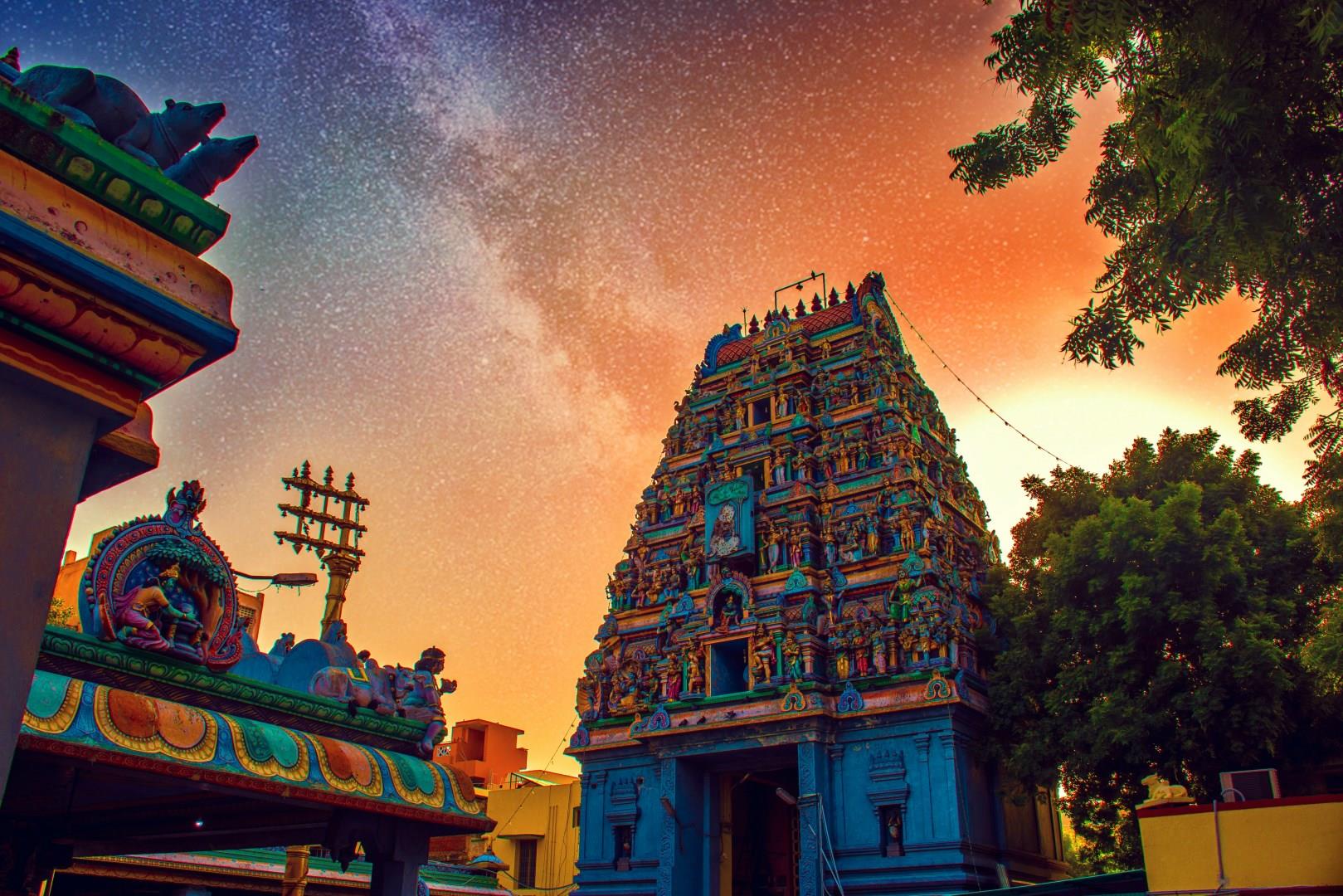
Chennai
Chennai, the capital of Tamil Nadu, is one of India’s oldest continuously inhabited cities, where ancient temples stand alongside colonial-era architecture and modern skyscrapers. Originally known as Madras, the city grew around Fort St. George, built by the British East India Company in 1644. One of Chennai’s most well-known features is Marina Beach, which stretches for over 13 kilometers and is among the longest urban beaches in the world.
