
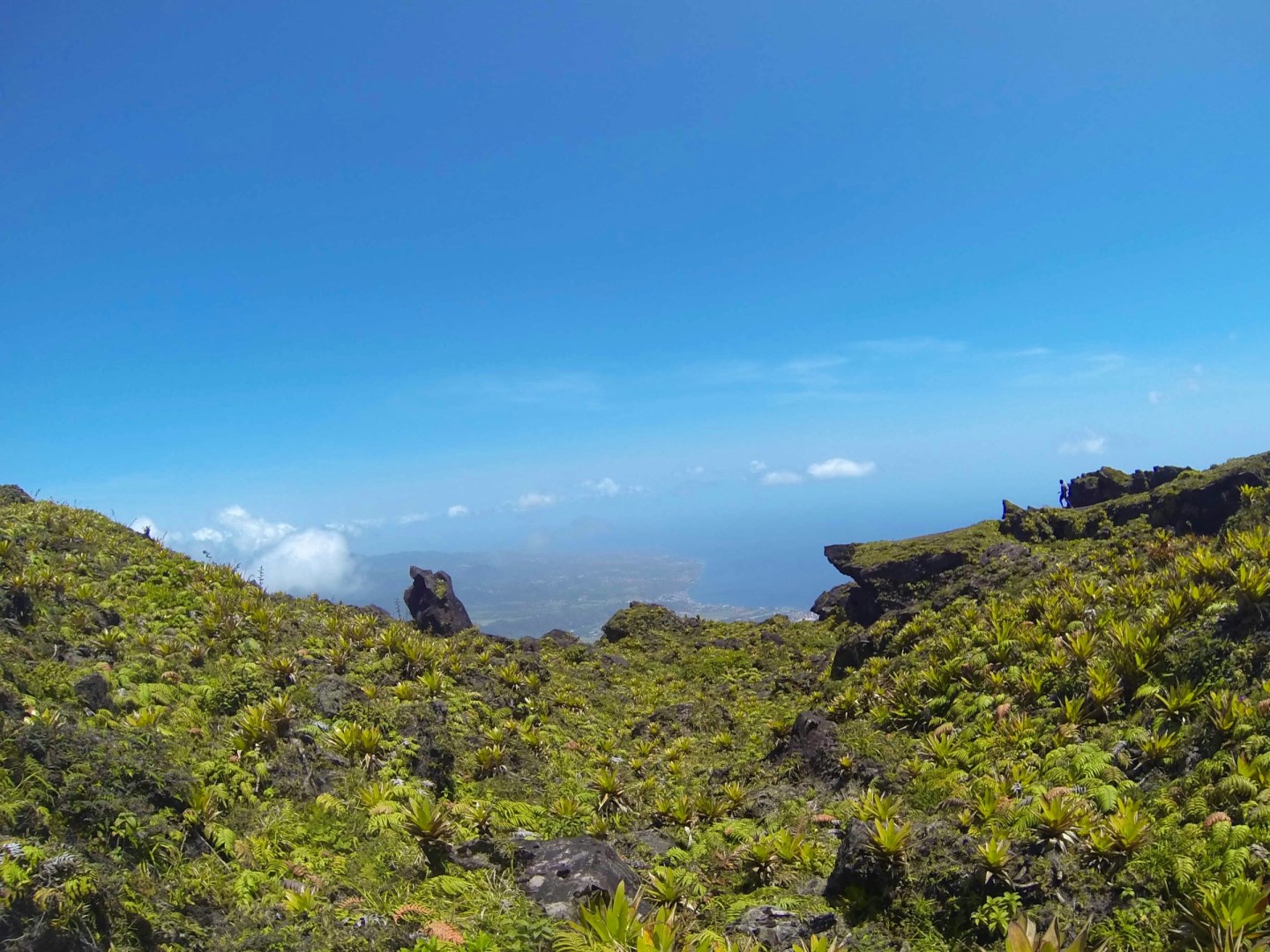
Saint-Pierre
Saint-Pierre is a historic coastal town in northern Martinique, set between the Caribbean Sea and the slopes of Mount Pelée. Once the island’s principal port and commercial centre, the town was destroyed by the volcano’s eruption and later rebuilt around surviving ruins and archaeological remains. Today, Saint-Pierre is recognized as a Town of Art and History, with a landscape that combines the sea, volcanic mountain, historic streets, and remnants of the former city.
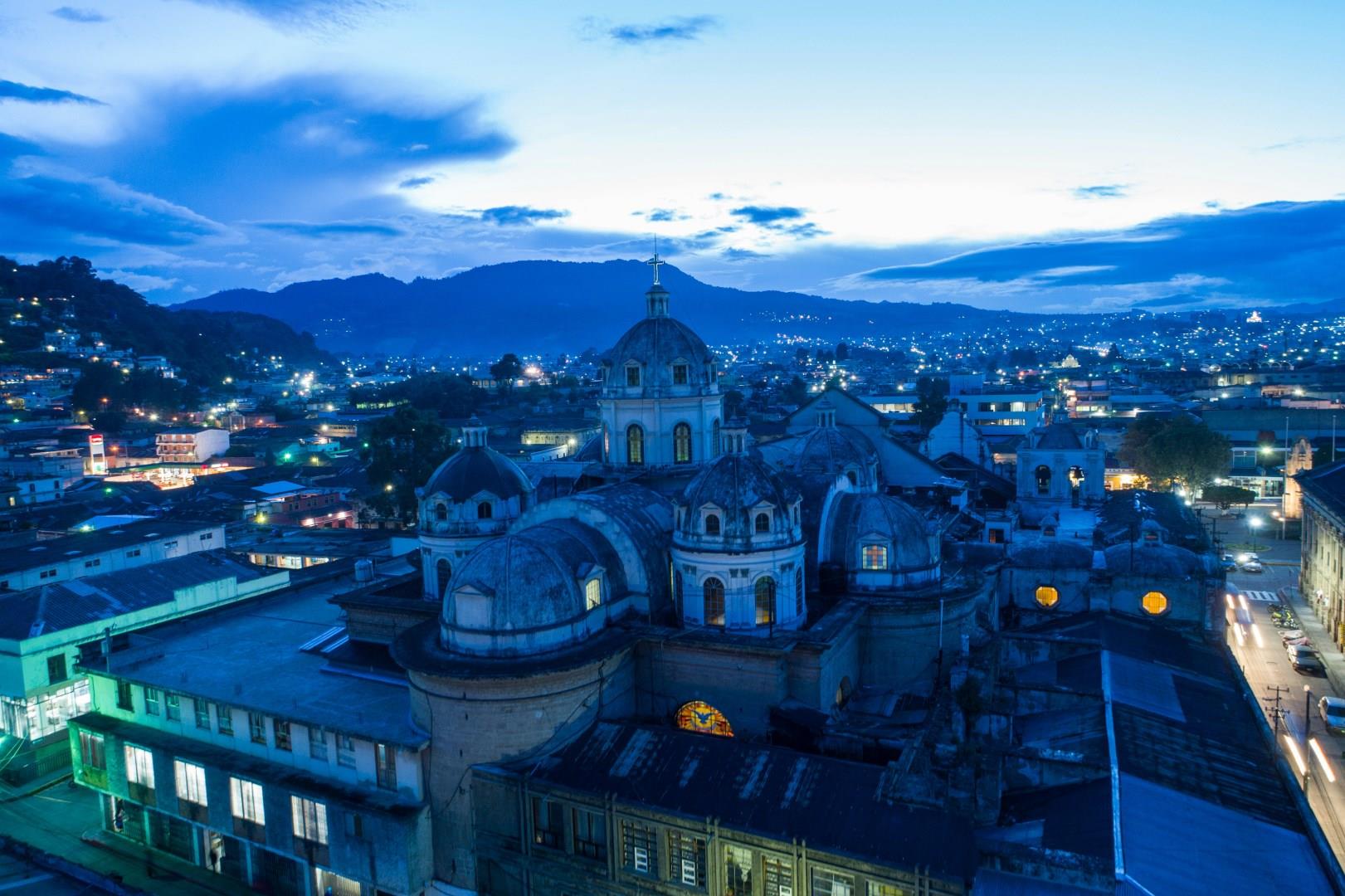
Quetzaltenango
Quetzaltenango, often called Xela by locals, is Guatemala’s second-largest city and a hub of indigenous culture, colonial history, and highland landscapes. Surrounded by volcanoes, including the towering Santa María, the city sits at over 7,600 feet above sea level, giving it a crisp mountain climate that contrasts with the country’s tropical lowlands.
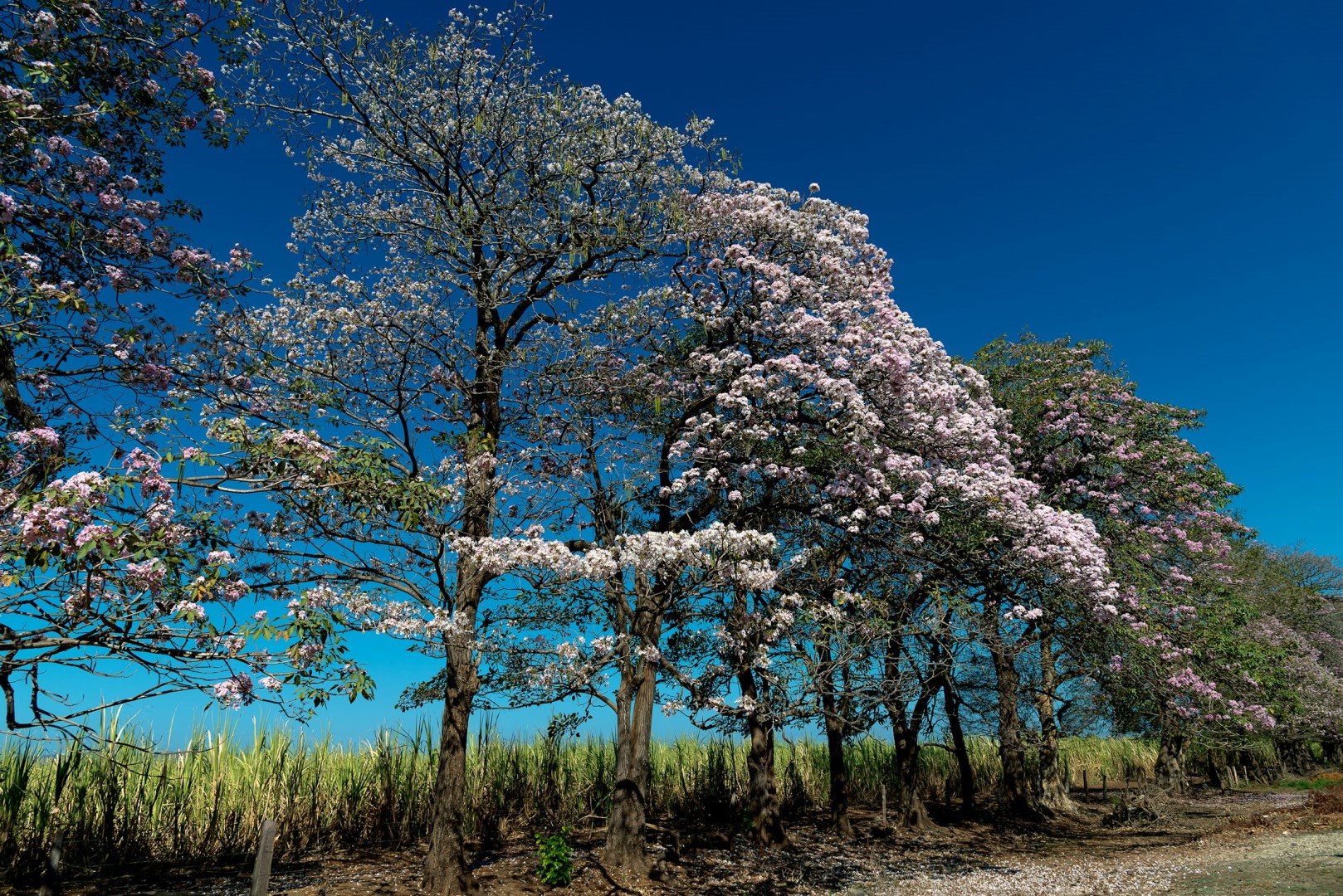
Liberia
This Northern Costa Rica city is known for its volcanoes (both active and inactive), the Catholic church Ermita de La Agonía, and the Museo del Sabanero.
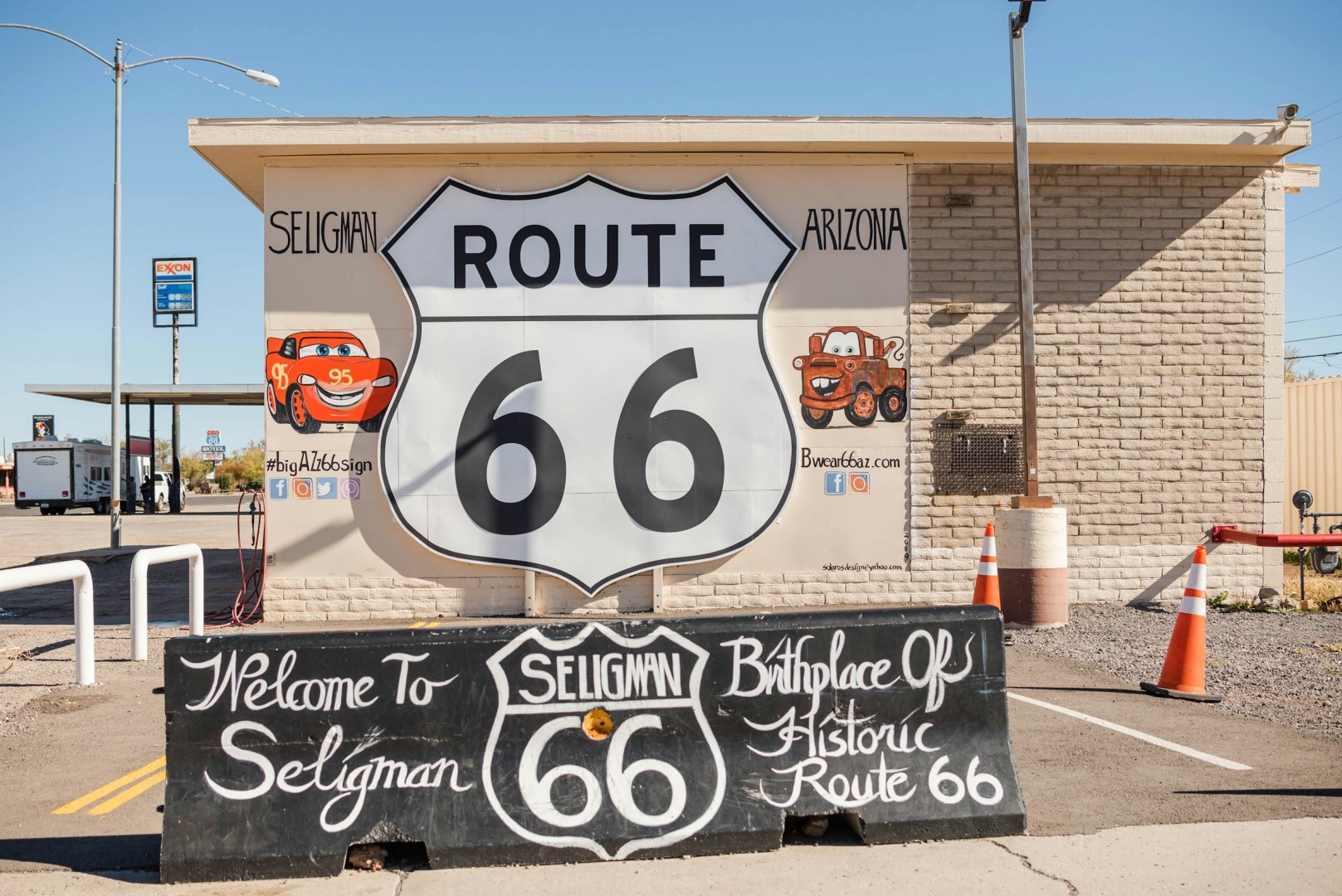
Seligman
Seligman is a small community in northwestern Arizona, located along the historic route of U.S. Route 66 in Yavapai County. The town sits on a high plateau surrounded by open grassland, juniper, and pinyon pine, with the rugged terrain of northern Arizona extending in every direction. Seligman is closely associated with Route 66 and is recognized as one of the places that helped preserve the character and traditions of the old highway.
Safi
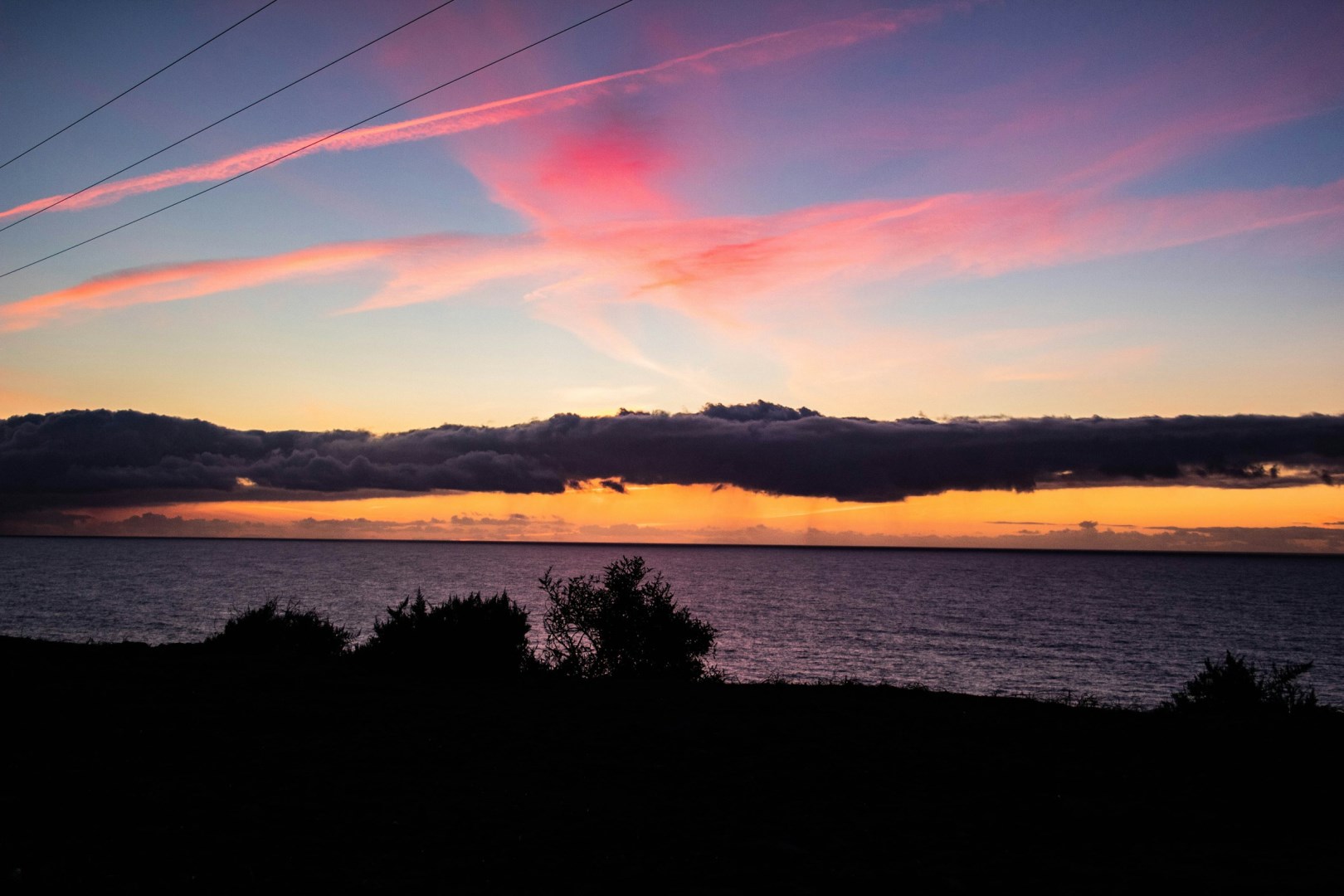
Safi is an Atlantic coastal city known for its pottery, historic fortifications, and strong connection to the sea. Located between Casablanca and Essaouira, it has long been an important port and fishing center. The city is especially recognized for its ceramics, with workshops and shops concentrated around the Potters’ Hill. Its position beside the Atlantic also gives Safi a strong maritime identity, seen in its fishing activity, working harbor, and surf beaches.
