

Lithuania
Lithuania offers visitors a chance to explore a country where medieval traditions and modern culture meet. Vilnius, the capital, is known for its well-preserved Old Town, a UNESCO World Heritage site filled with winding streets, baroque churches, and cozy squares. Visitors can climb the hill to Gediminas’ Tower for a sweeping view of the city, or visit the Gates of Dawn, an important religious and historical monument that has welcomed travelers for centuries.
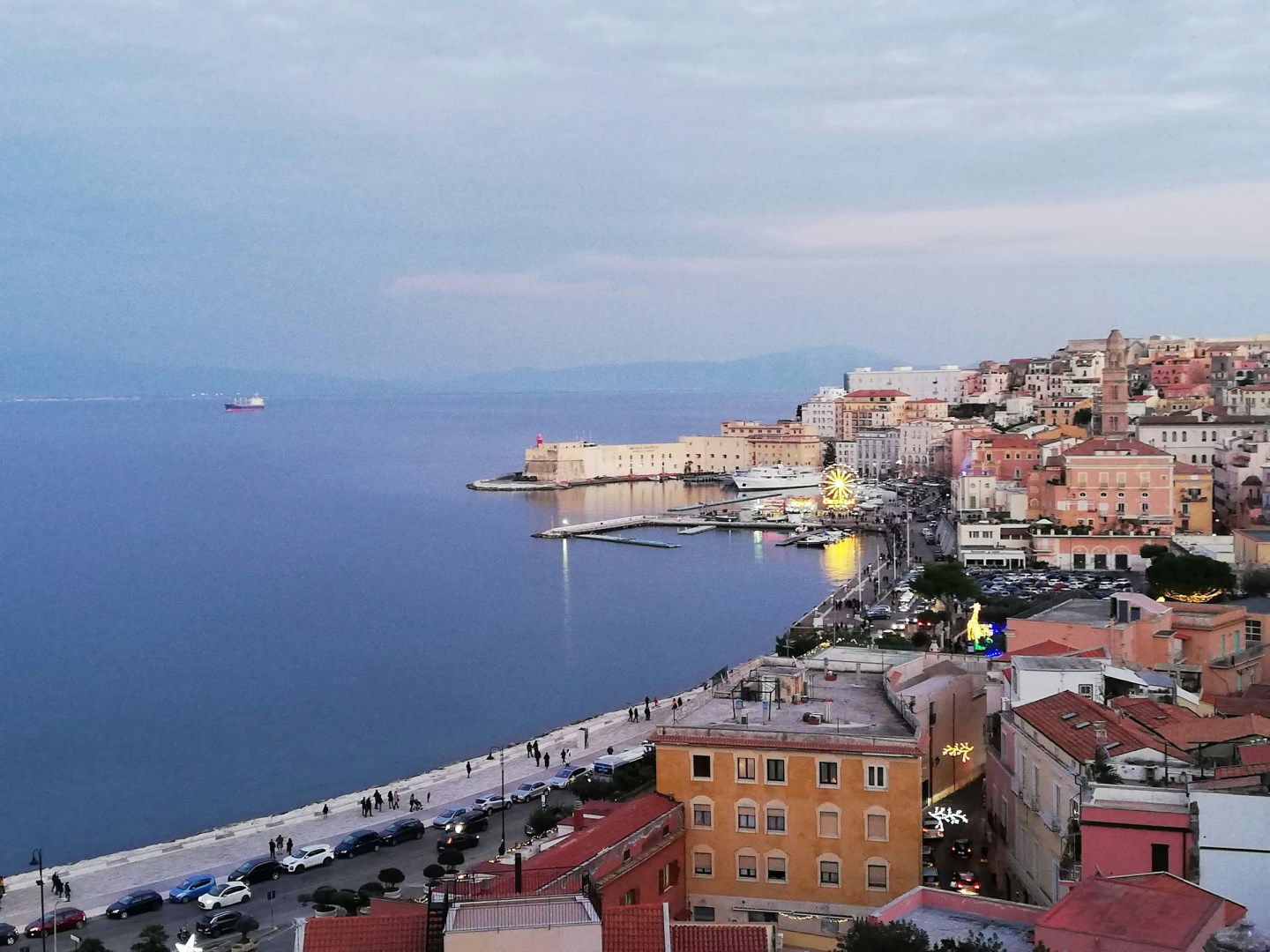
Gaeta
A fishing port and seaside resort in a picturesque location. The old town is dominated by a castle (7th century). The cathedral (1279) is notable for its admirable sculptures and paintings as well as its Arab-Norman bell tower. The mausoleum of Lucius Munatius Plancus, an impressive Roman monument, is cylindrical in shape and 13 meters high. The sanctuary of Montagna Spaccata is at Punta della Trinità, where you can see a chasm which is traditionally said to have opened up on the death of Jesus.

Heimaey
Heimaey, the largest island in Iceland’s Vestmannaeyjar archipelago, is a captivating destination renowned for its dramatic landscapes and volcanic history. A visit to Heimaey offers a unique blend of natural beauty and cultural heritage.
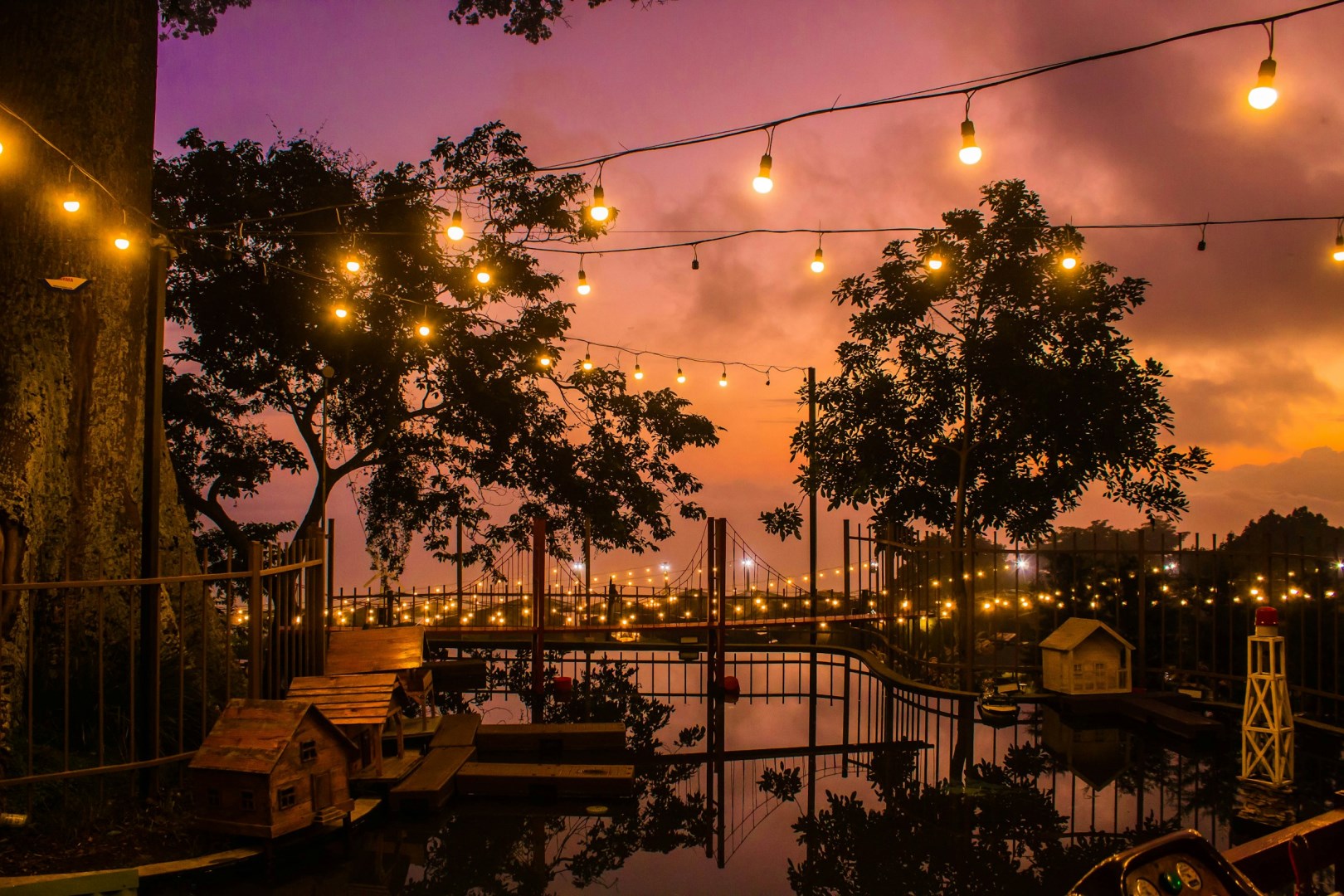
Santa Tecla
Santa Tecla is a city in the department of La Libertad, located west of San Salvador at the foot of the San Salvador Volcano. It combines a historic urban center with green hills, cafés, restaurants, and residential districts extending toward the slopes of El Boquerón. The city is known for its walkable streets and older buildings, many of which now house shops, restaurants, and cultural spaces.

Palermo, Sicily
Palermo, the vibrant capital of Sicily, Italy, is a city where history, culture, and gastronomy converge in a kaleidoscope of experiences. A walk through Palermo is like stepping into a living museum, where Byzantine, Arab, Norman, and Baroque influences blend seamlessly. The Palermo Cathedral, a masterpiece of architectural evolution, showcases a mix of styles from its Norman origins to later Baroque and Neoclassical elements.
