
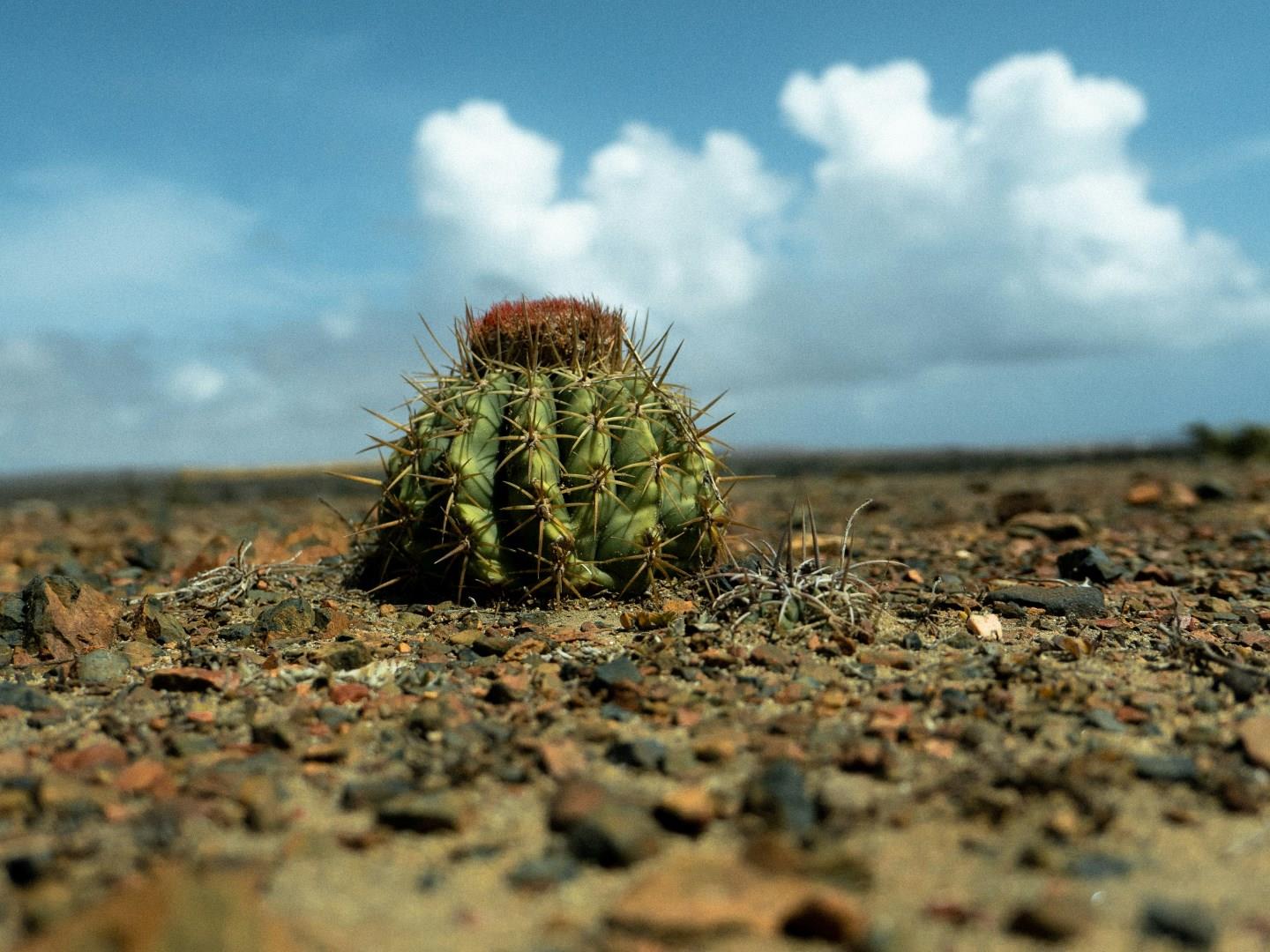
Arikok National Park
Arikok National Park, covering nearly 20% of Aruba, is a striking showcase of the island’s rugged landscapes, cultural history, and biodiversity. Unlike the postcard image of Aruba’s white-sand beaches, Arikok reveals a wilder side, with windswept hills, desert-like terrain, and dramatic limestone cliffs meeting the sea.
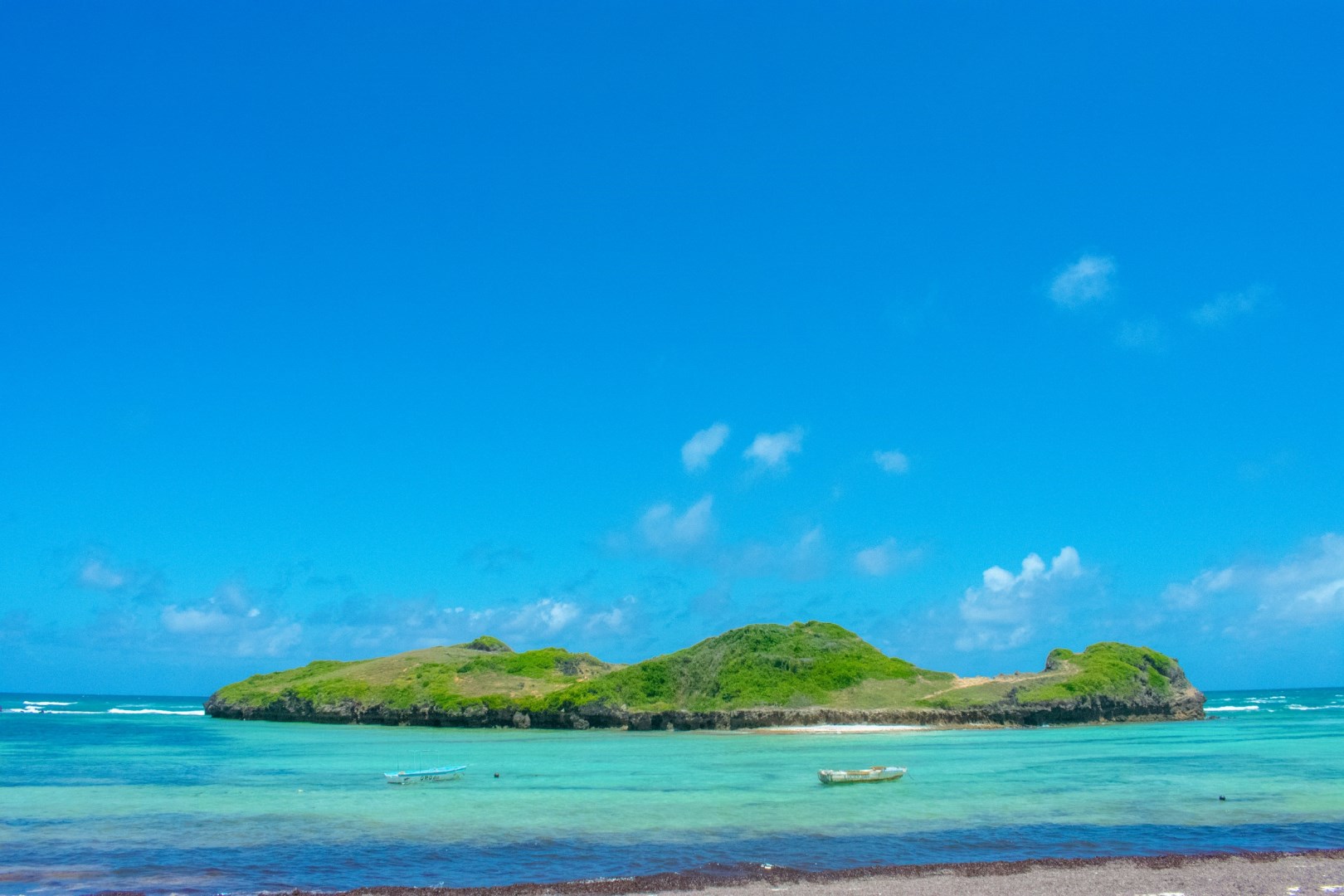
Malindi
Malindi is a coastal town in southeastern Kenya, located along the Indian Ocean north of Mombasa. Its setting combines a historic Swahili settlement with sandy beaches, coral reefs, palm trees, and marine habitats. The town has long been connected to Indian Ocean trade, and its streets and waterfront reflect African, Arab, Portuguese, and later European influences.
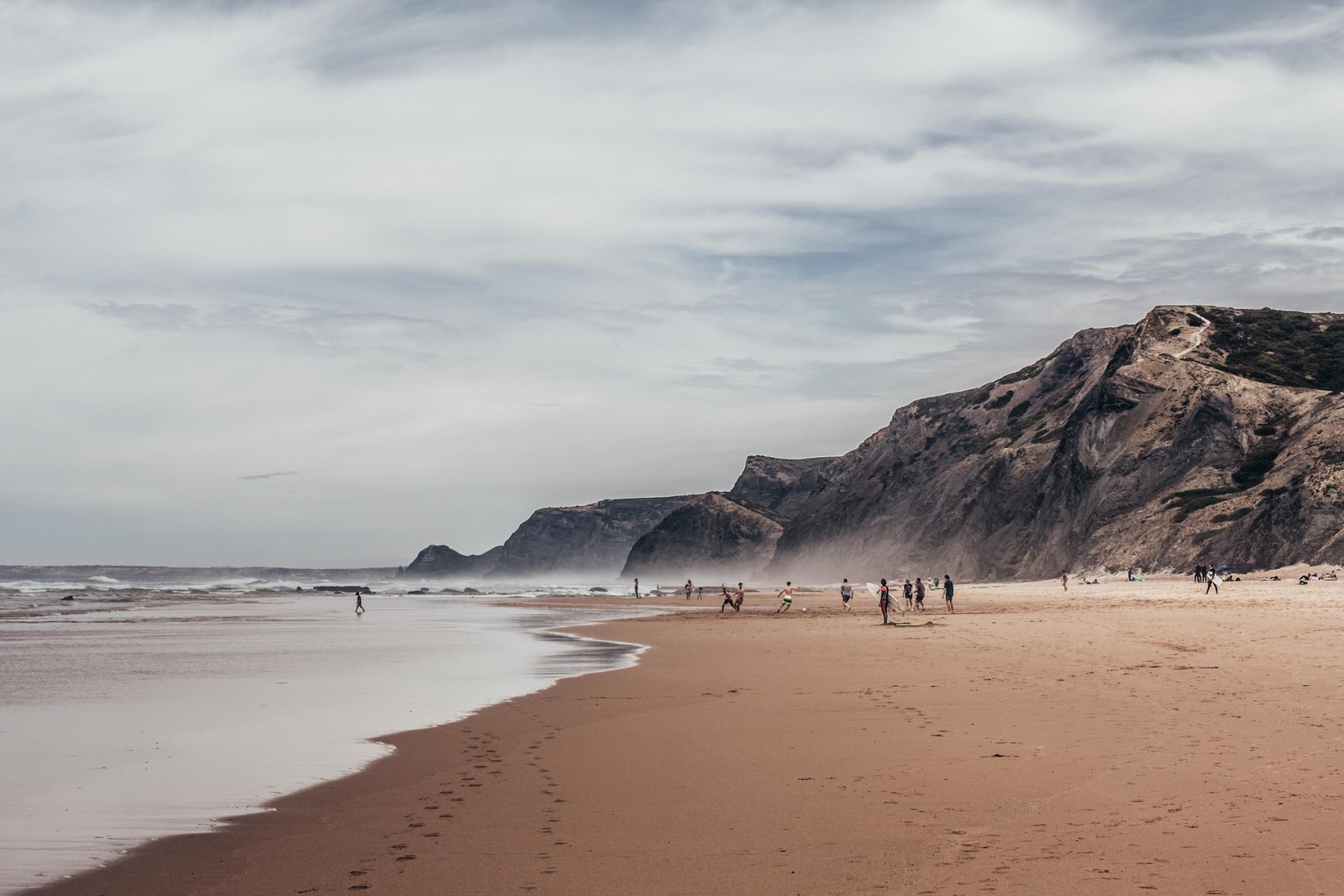
Faro
This is the most Moorish part of Portugal, the rich plain south of the Serra do Caldeirao, scalloped by the beaches and headlands of the Algarve. It is where, in early spring, blossoming almond trees carpet the still-brown hillsides with drifts of snow-like flowers, and the plain white facades of little houses are topped by intricately pierced chimneys that look like ice-cream cones.

Aitutaki
Aitutaki is the second most visited of the magical Cook Islands and is recommended as a "must see" extension of any Rarotonga holiday. This is a place of great natural beauty and tranquility, where crystal clear waters and swaying palms provide a simple tonic to sooth away the pressures of the outside world.
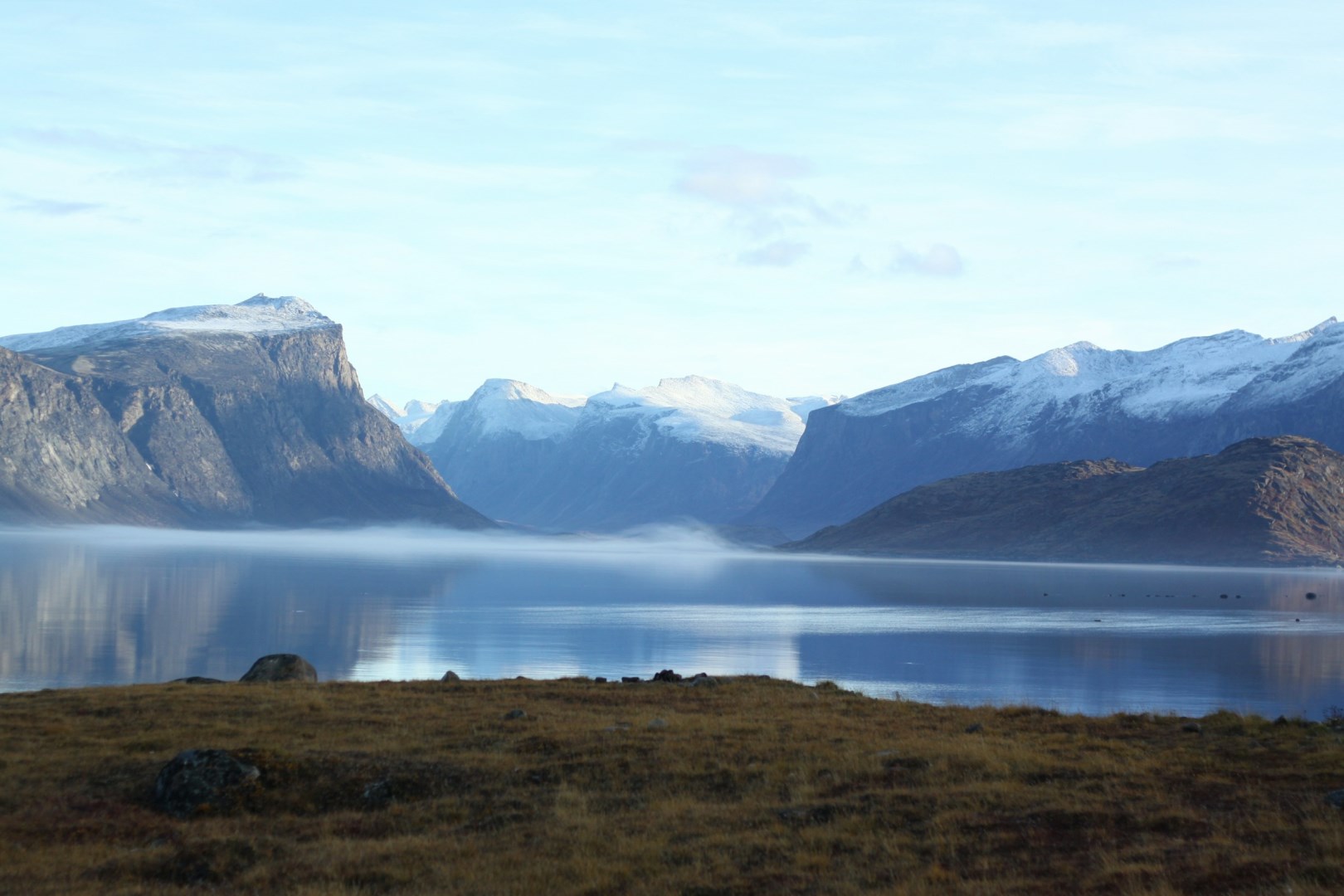
Pangnirtung
Pangnirtung is an Inuit community on the eastern shore of Cumberland Peninsula on Baffin Island, Nunavut, overlooking the sheltered waters of Pangnirtung Fiord. Steep mountains and rocky slopes rise around the settlement, while the fiord opens toward the larger waters of Cumberland Sound. The community is often called the gateway to Auyuittuq National Park, which lies nearby across dramatic Arctic terrain.
