
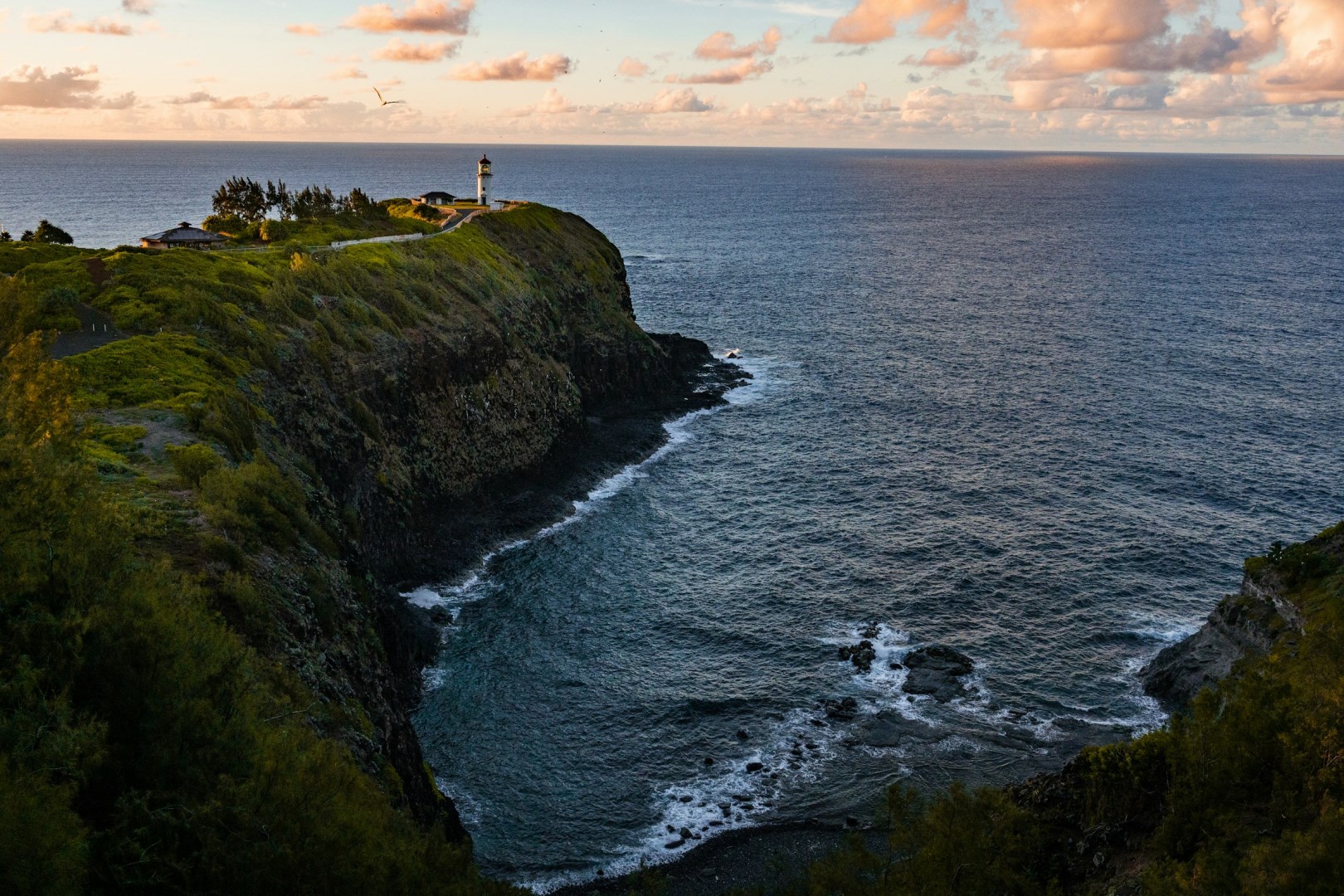
Kilauea, Hawaii
Kilauea is the world's largest active volcanic mass, located southeastern Hawaii Island. The central feature of Hawaii Volcanoes National Park is an elongated dome built of lava eruptions from a central crater and from lines of craters extending along east and southwest riffs or fissures.
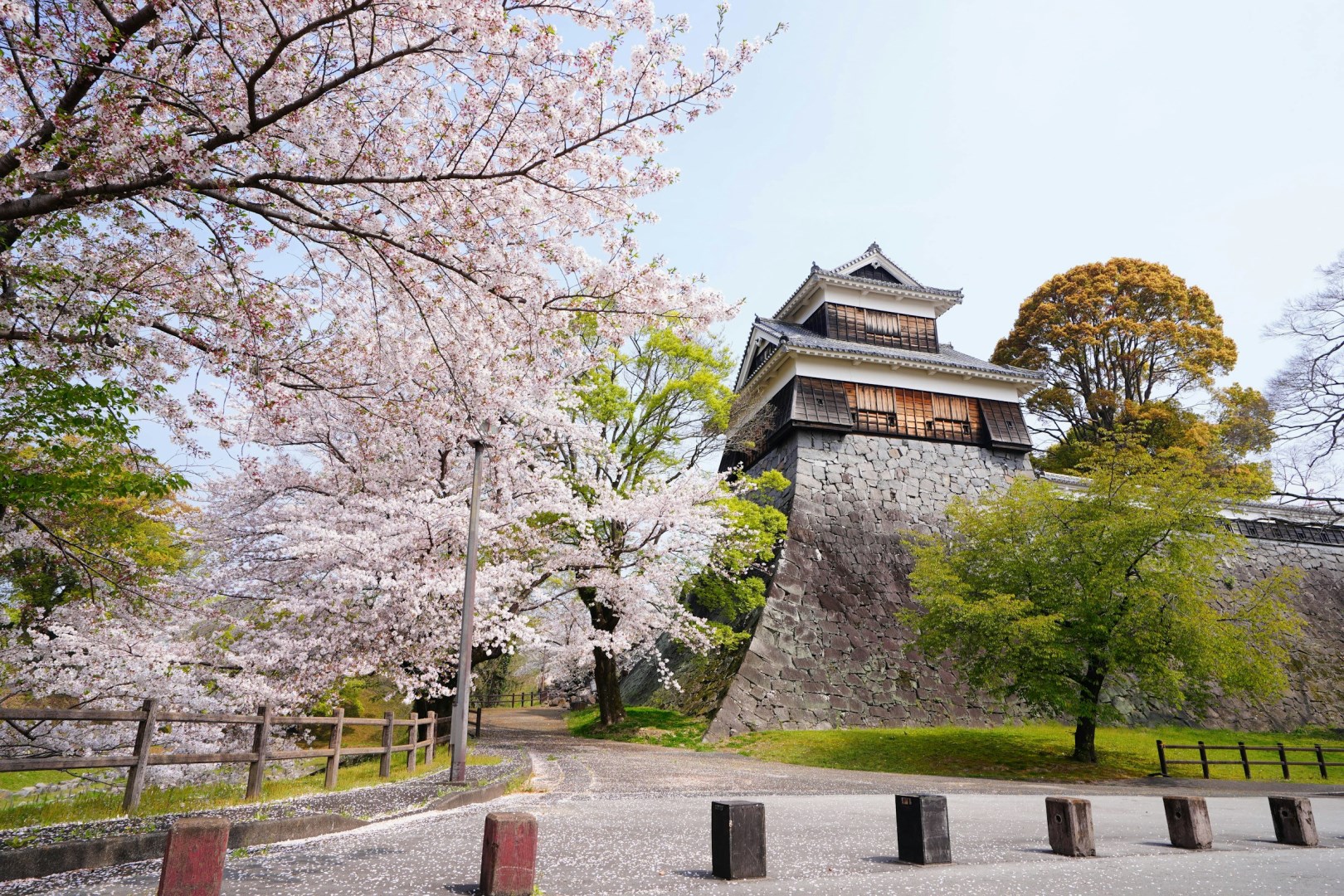
Kumamoto
Kumamoto is a city on Japan’s southern island of Kyushu, known for its castle, volcanic landscapes, and traditional gardens. It serves as the capital of Kumamoto Prefecture and lies on the western side of Mount Aso’s broader volcanic region. The city center combines historic districts with modern shopping streets, tram lines, and riverside neighborhoods.
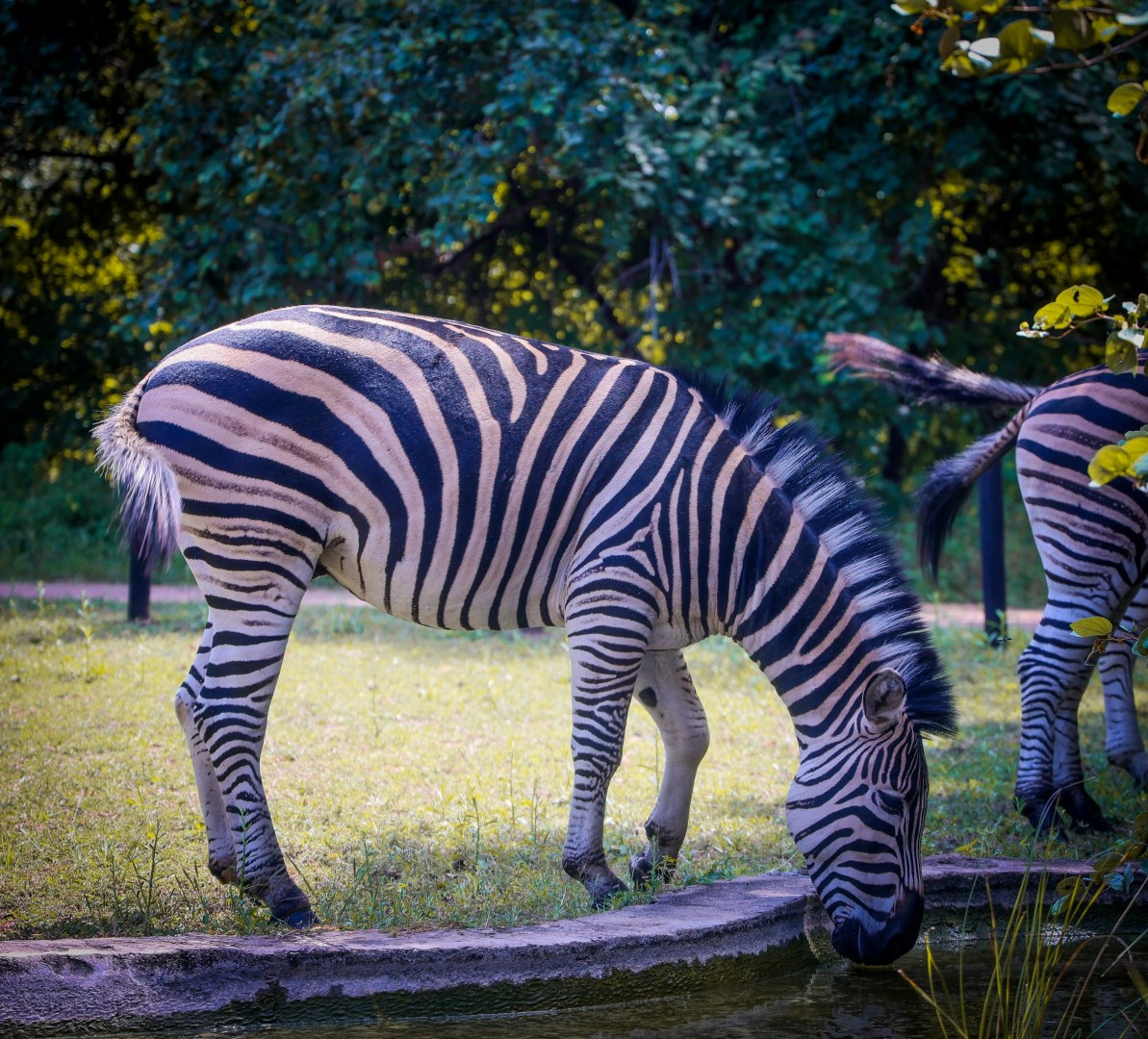
Salima
Salima is a lakeside town in central Malawi, located between Lake Malawi and the capital city, Lilongwe. Its position near the lake has made it an important centre for fishing, agriculture, trade, and transport. Salima also has a practical connection to Lake Malawi through nearby Senga Bay, one of the better-known recreational areas on the central lakeshore. Its combination of inland commerce and easy access to the lake gives the town a distinctive role in central Malawi.

Montevideo
Montevideo, Uruguay’s eclectic and diverse capital, is sure to charm you with bustling markets, sunny beaches, and plenty of museums to explore. Start your stay in Montevideo at the city center in Plaza Independencia, a lush town square surrounded by towering palm trees and stunning architecture.
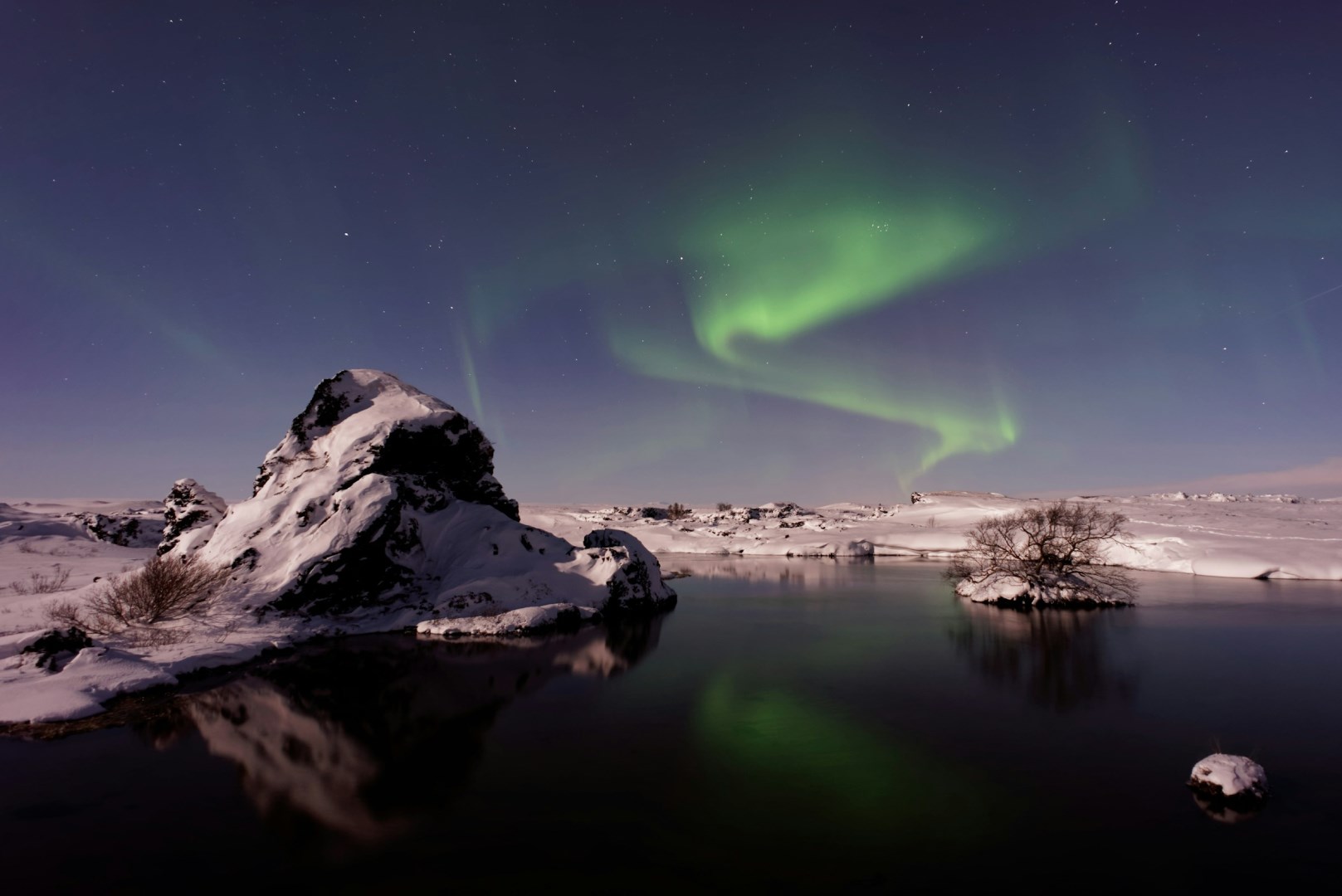
Mývatn
Mývatn is a lake and surrounding region in North Iceland, known for its shallow waters, numerous small islands, volcanic formations, and rich birdlife. The lake covers about 37 square kilometers and is part of an internationally important wetland together with the Laxá River. The surrounding landscape was shaped by volcanic activity, creating a mixture of lava fields, craters, geothermal areas, and wetlands within a relatively compact area.
