
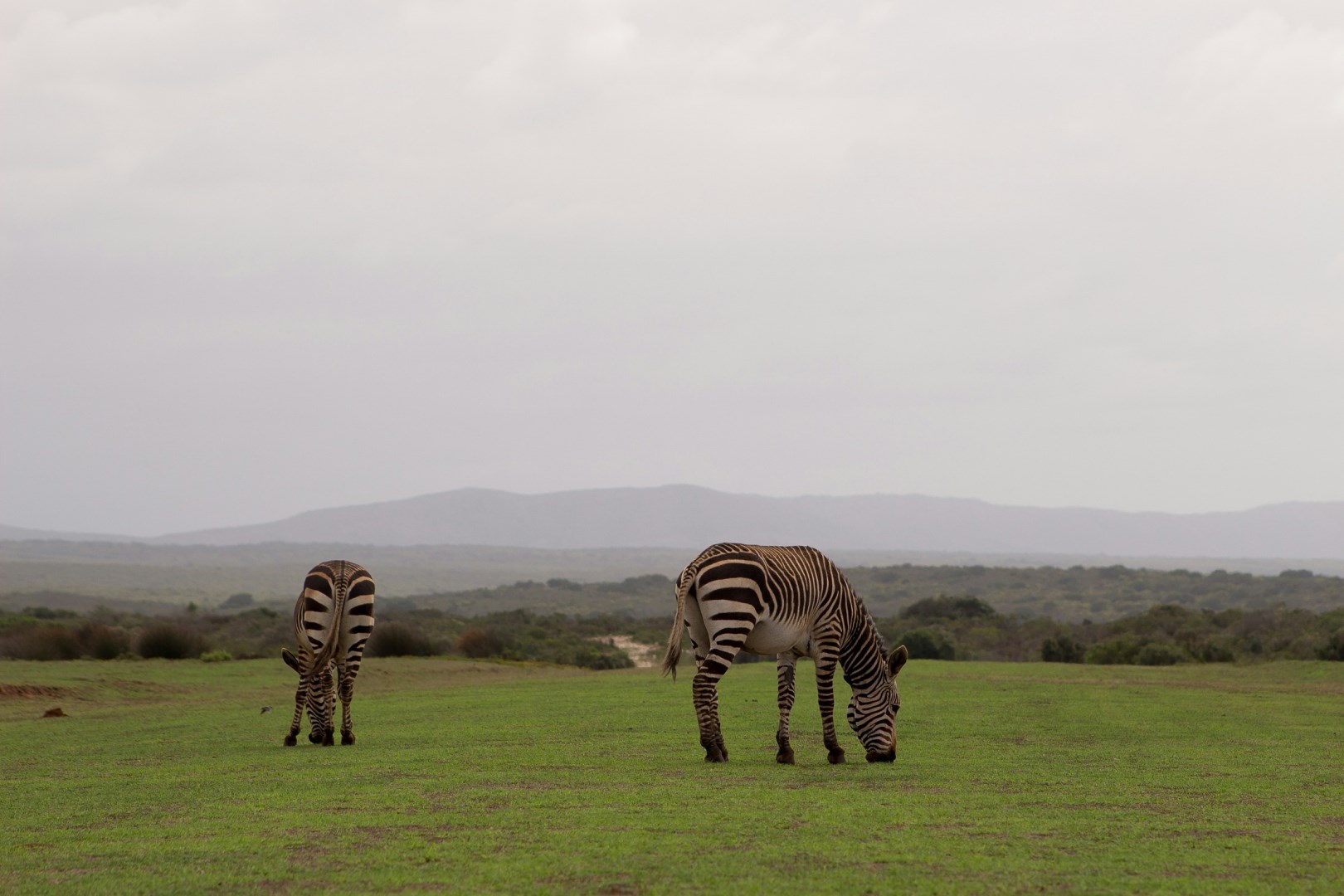
De Hoop Nature Reserve
De Hoop Nature Reserve lies along the southern coast of South Africa’s Western Cape province, east of Bredasdorp and near the village of Witsand. Managed by CapeNature, the reserve protects approximately 34,000 hectares of coastal plains, limestone hills, wetlands and indigenous vegetation.
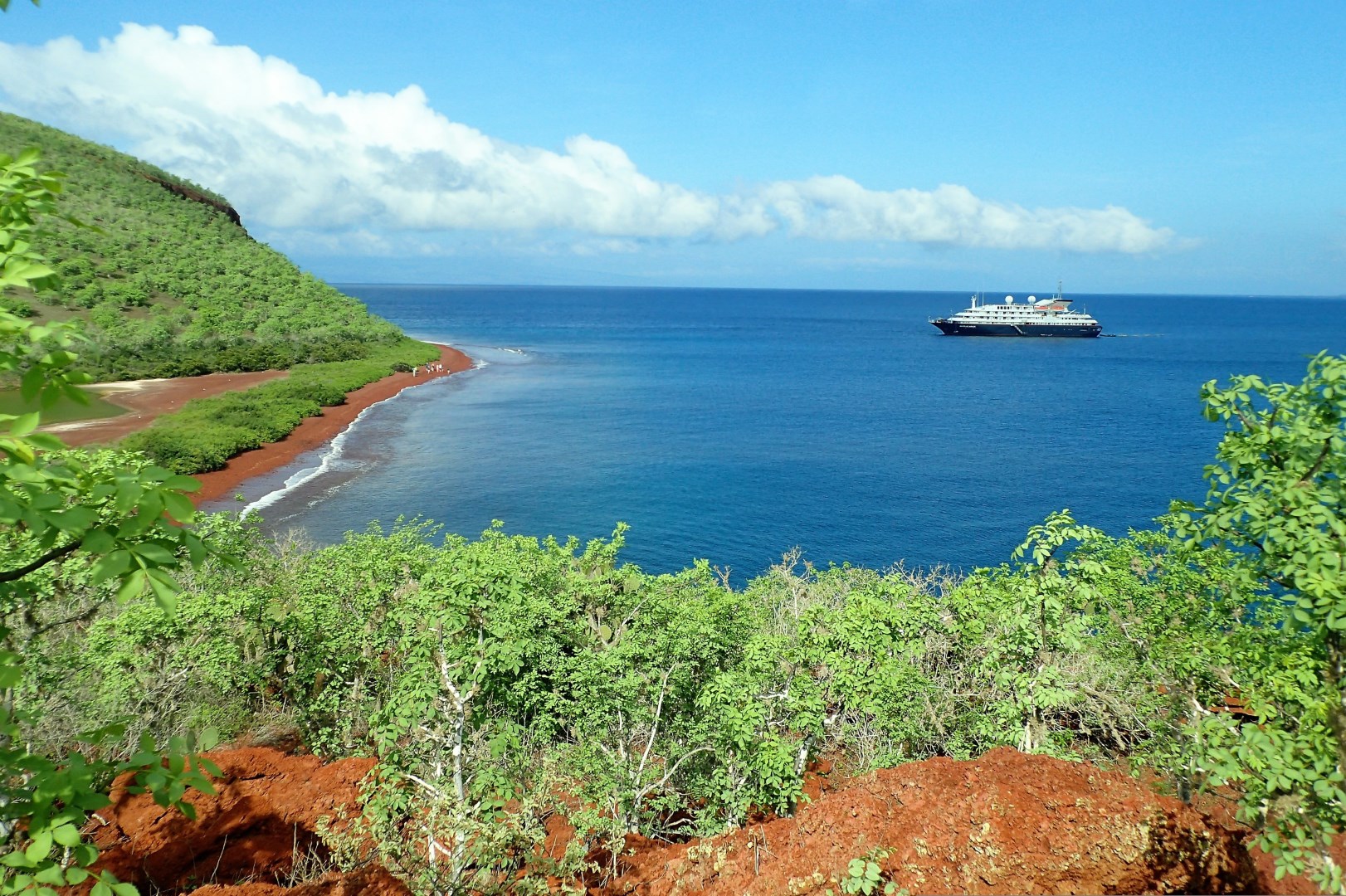
Santiago Island
Set in the heart of the Galápagos archipelago, Santiago Island offers a raw and untamed landscape shaped by volcanic forces. Unlike more developed islands in the region, Santiago remains largely uninhabited, giving visitors a rare look at ecosystems that have evolved with minimal human presence. Its coastline shifts from black lava fields to soft sandy beaches, while inland trails reveal hardened flows and scattered vegetation slowly reclaiming the terrain.
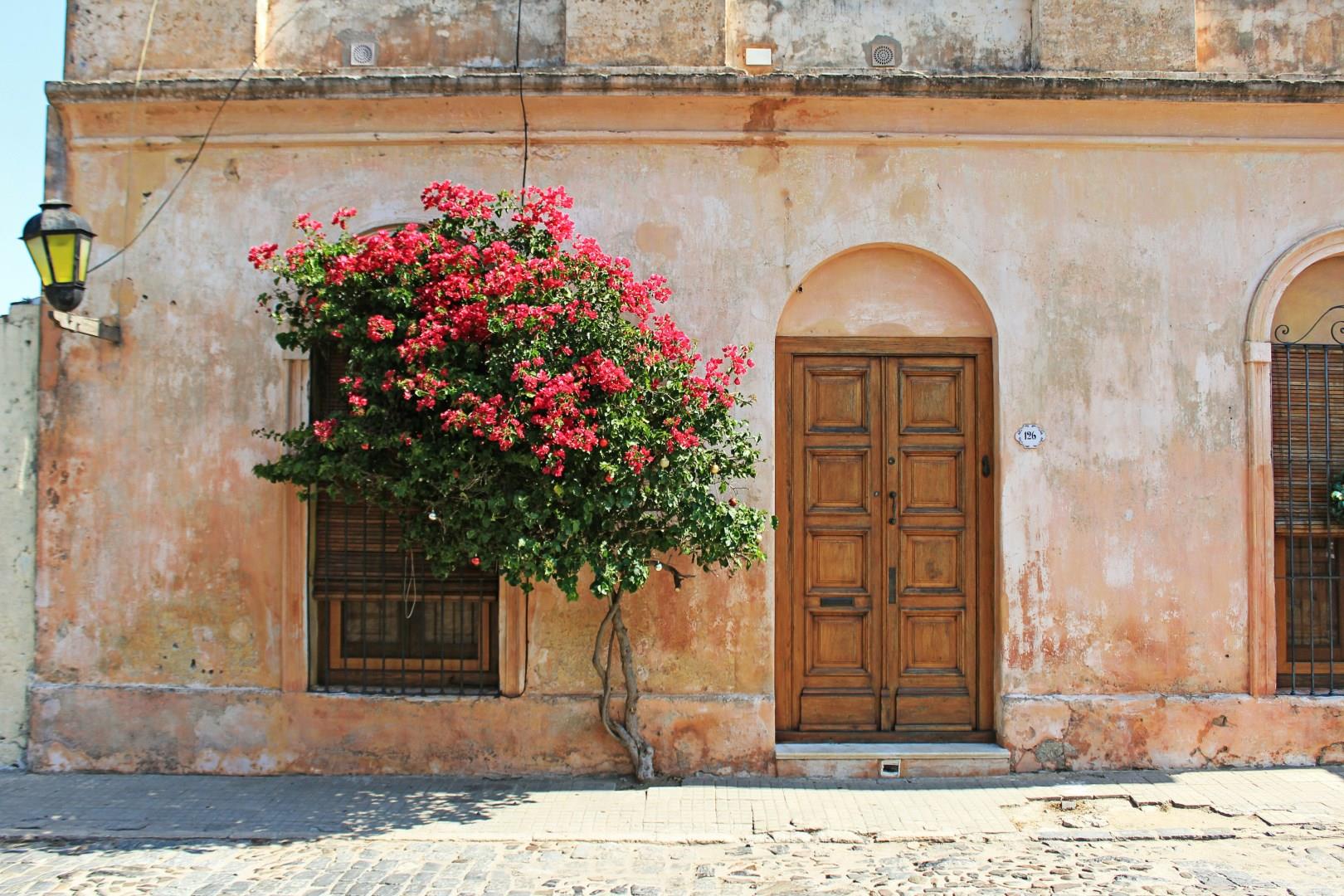
Colonia del Sacramento
Colonia del Sacramento is where time lingers. Founded in 1680 by the Portuguese and later contested by the Spanish, the town’s past is etched into its cobblestone streets and weathered facades. The Barrio Histórico, a UNESCO World Heritage Site, is compact enough to walk in an afternoon yet layered with centuries of stories. Visitors can explore remnants of the original city walls and climb the iconic lighthouse for sweeping views of the Río de la Plata.

Bucharest
Tree-lined avenues, grand architecture, and the imperative to live well defines Bucharest, a bustling city that is rebounding and expanding. In the 1900s, this vibrant Romanian capital was nicknamed "Little Paris" and that jubilant, raise-a-glass spirit carries over to this day.
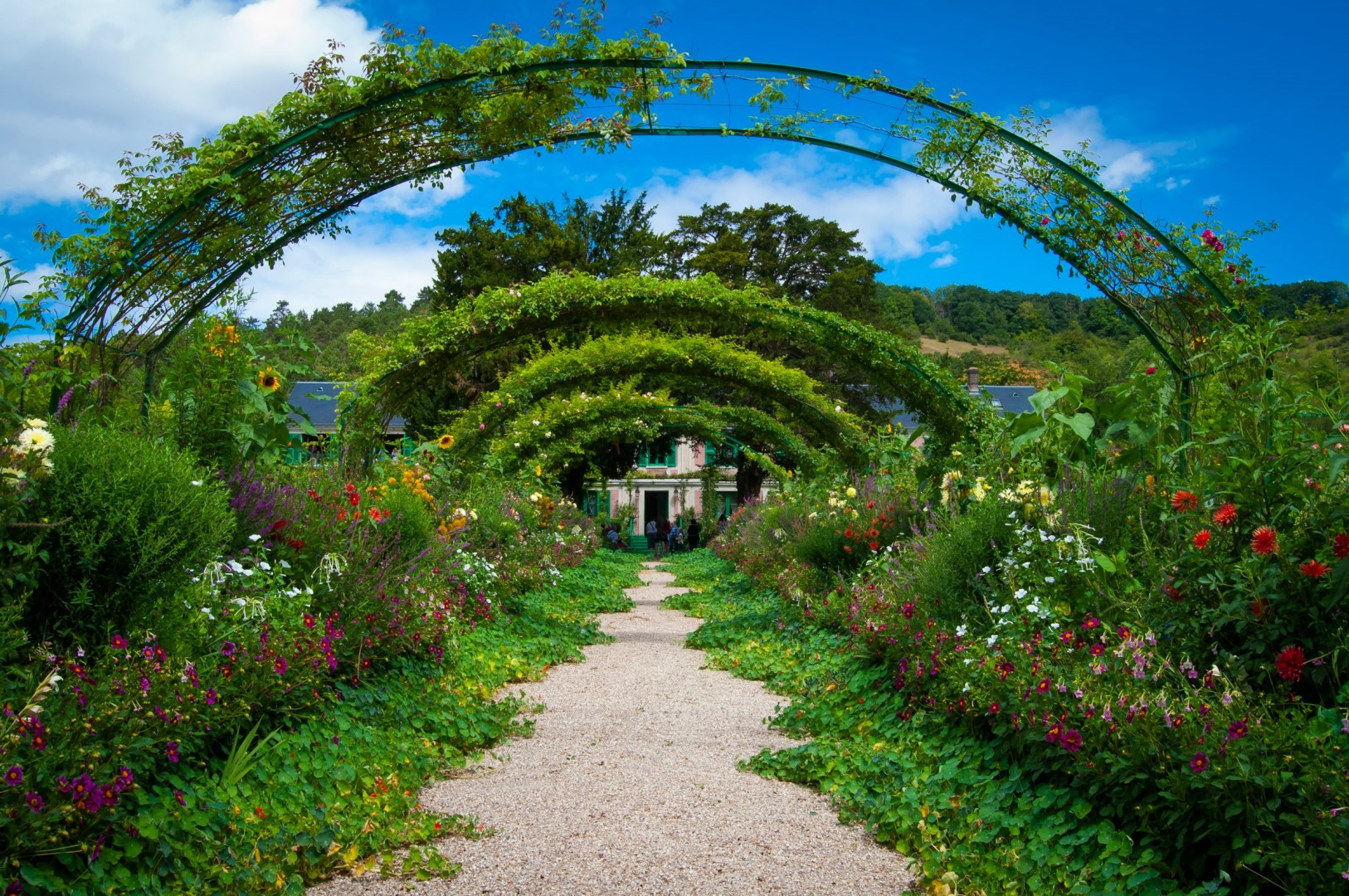
Giverny
Giverny is a village in Normandy, France, best known for its close association with the painter Claude Monet and the gardens he created around his home. The village lies near the Seine and combines a small rural setting with attractions devoted to art and garden design. Monet’s house and gardens are the principal landmark, while the Musée des Impressionnismes Giverny explores the broader history of Impressionism and related artistic movements.
