
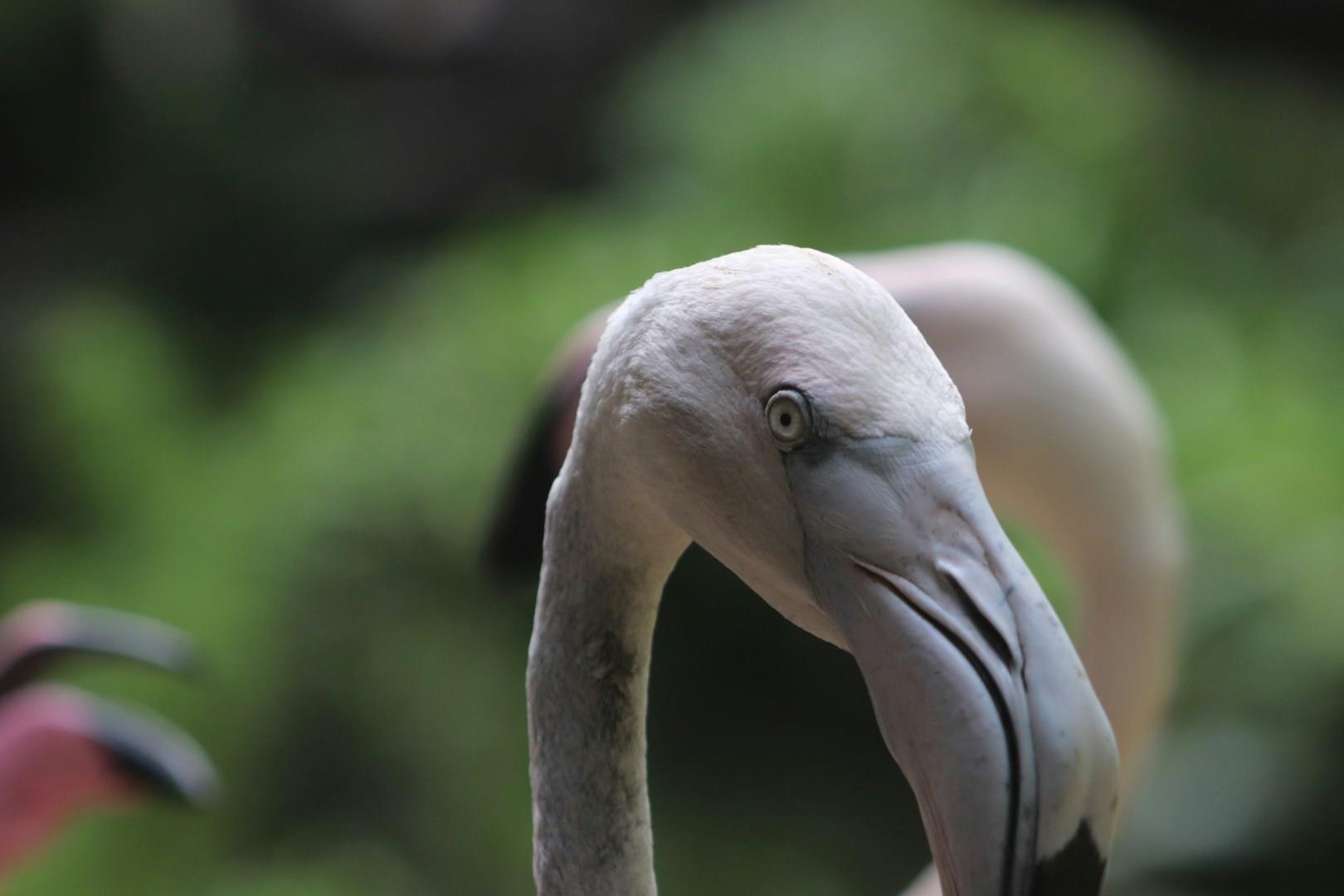
Kanchanaburi
Kanchanaburi, a province in western Thailand, is best known for its poignant history and lush landscapes. It was here that Allied prisoners of war and Asian laborers were forced to build the infamous Death Railway during World War II, including the Bridge over the River Kwai, which remains a powerful symbol of resilience.
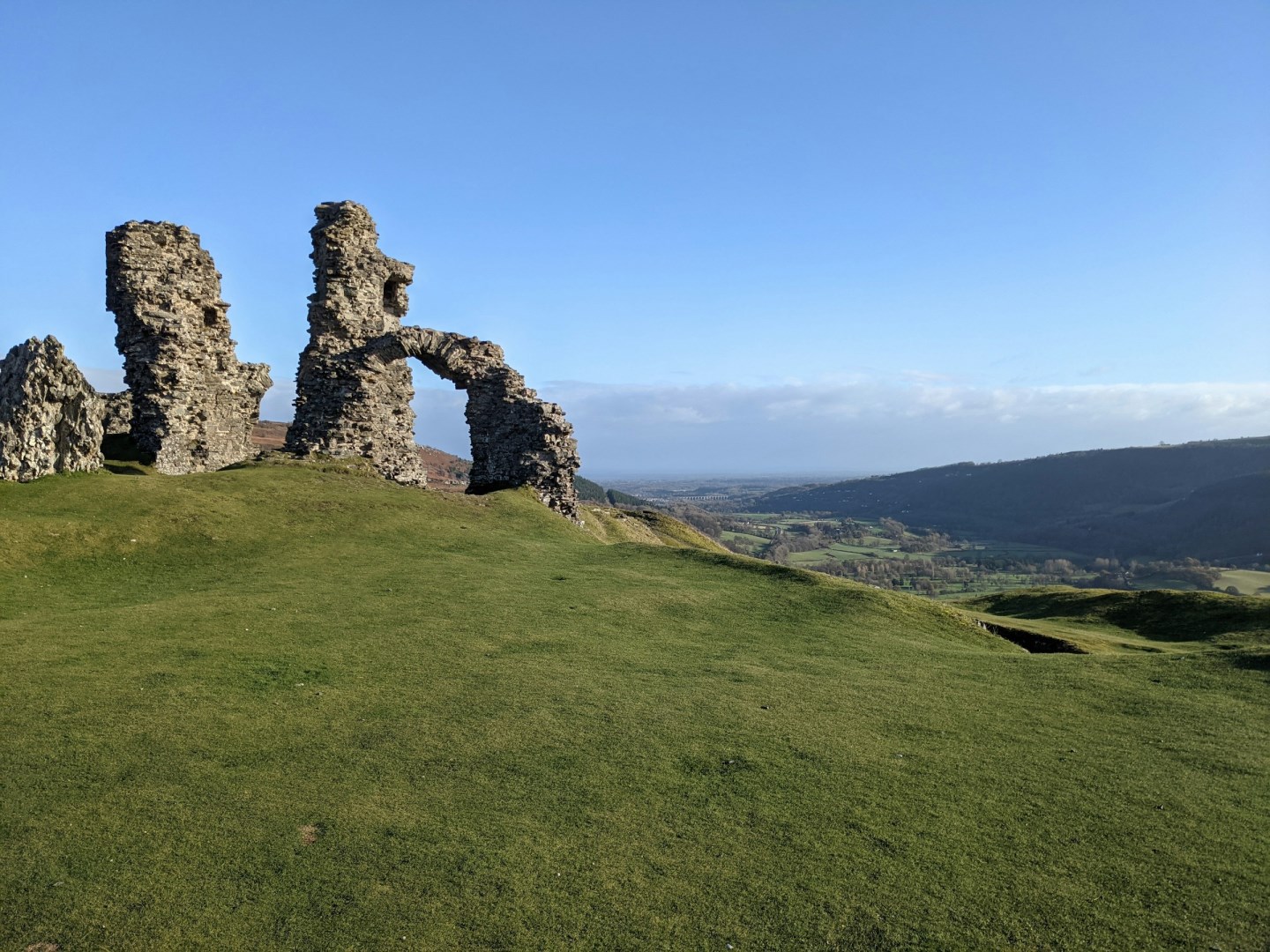
Llangollen
In common with so many ancient Welsh towns, Llangollen takes its name from its founding Saint; Collen, a seventh century saint, who chose this place to build his hermitage or cell in the custom of the times, with tiny church, hospice and outhouses all enclosed within a wall.
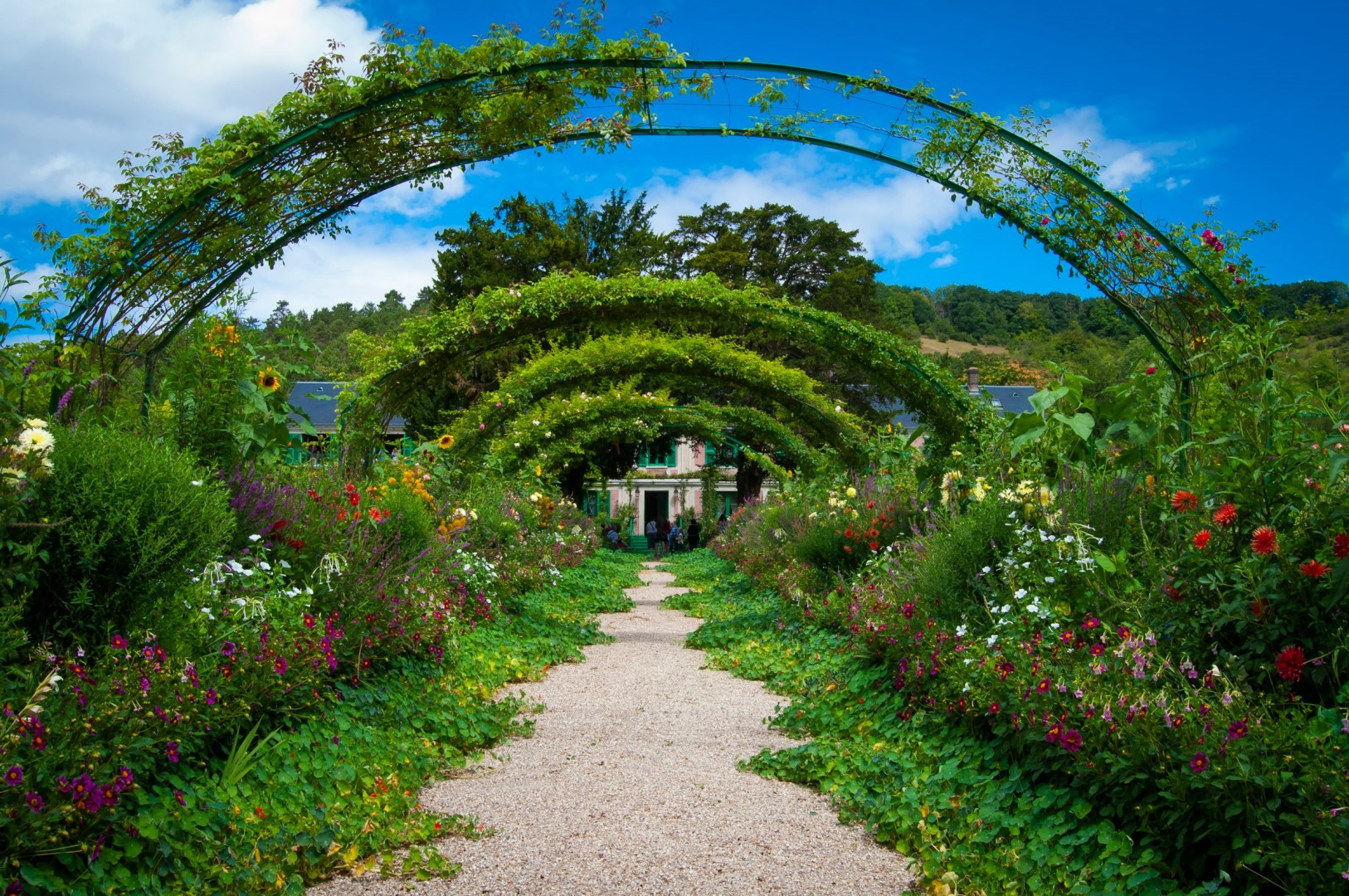
Giverny
Giverny is a village in Normandy, France, best known for its close association with the painter Claude Monet and the gardens he created around his home. The village lies near the Seine and combines a small rural setting with attractions devoted to art and garden design. Monet’s house and gardens are the principal landmark, while the Musée des Impressionnismes Giverny explores the broader history of Impressionism and related artistic movements.
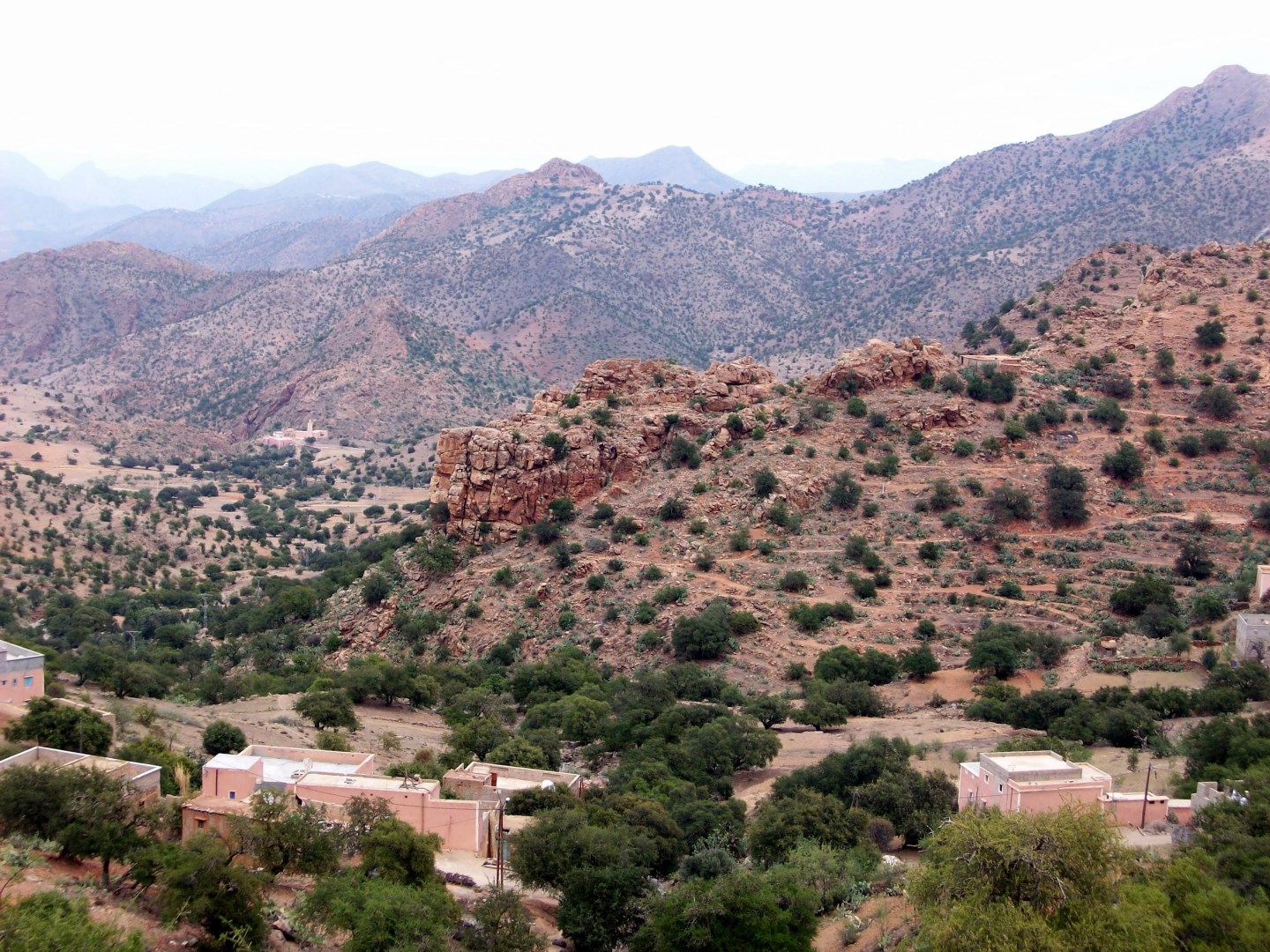
Tafraoute
Set within a basin of pink granite mountains, Tafraoute offers a landscape that feels both open and sheltered. The town lies in the Anti-Atlas range, where rounded rock formations rise above palm groves and small farms. As the sun moves across the sky, the rocks shift from soft rose to deep orange, creating a changing backdrop that defines the area. The setting gives Tafraoute a sense of quiet distance, even though it serves as a central hub for nearby villages.
Antiparos
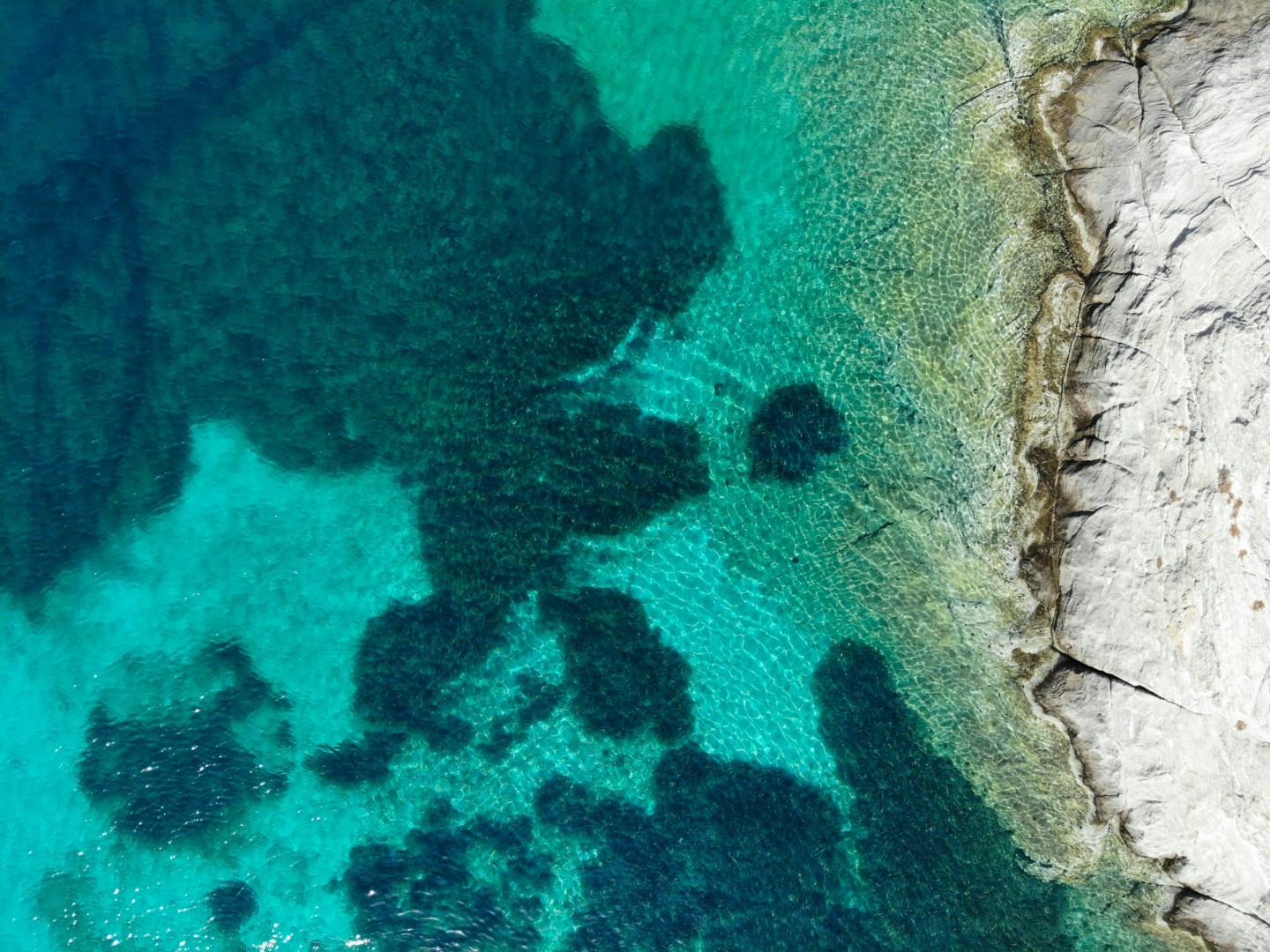
Antiparos is a small Cycladic island in the Aegean Sea, lying just southwest of Paros and reached by a short ferry crossing from the larger island. Its main settlement, Antiparos Town, is arranged around a traditional Venetian castle, with whitewashed houses, narrow lanes, small squares, and a pedestrianized waterfront.
