

Isla del Sol
Isla del Sol, or Island of the Sun, is one of the best-known islands in Lake Titicaca, Bolivia, located in the lake’s southern section near Copacabana. The island is shaped by steep hills, stone terraces, small farming communities, and broad views across the high-altitude lake toward the Andes. At about 3,810 meters above sea level, Lake Titicaca creates a distinctive setting where cultivated slopes meet deep blue water and distant mountain peaks.
Hokkaido
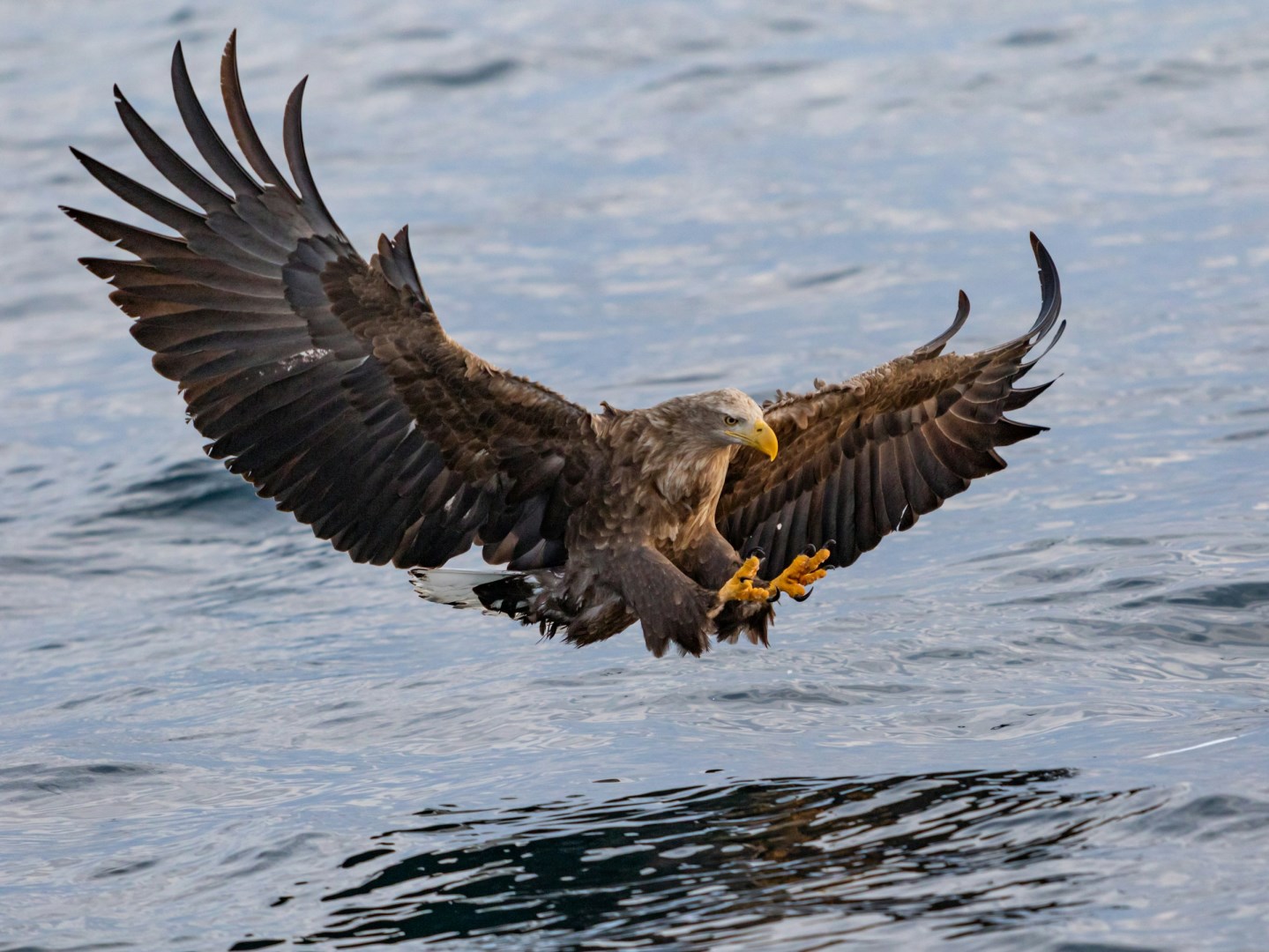
Hokkaido is Japan's northernmost main island and the country's second-largest island, known for broad landscapes, volcanic mountains, forests, lakes, and a cooler climate than most of Japan. Sapporo serves as the prefectural capital and largest city, while smaller communities extend across farmland, coastlines, and mountain regions.

Vilnius
Vilnius, the charming capital of Lithuania, is a city where historical grandeur meets vibrant modernity. The heart of Vilnius is its UNESCO-listed Old Town, one of the largest and most well-preserved medieval city centers in Europe. Wander through its cobblestone streets and admire the stunning Baroque architecture.

Costa Brava
The Costa Brava coastal region, in northeastern Spain, offers excellent beaches and a typical Mediterranean climate, making it an enticing holiday destination. While parts of the Costa Brava coastline have been exploited by large-scale tourist developments, other areas have retained their traditional roots.
Jambiani
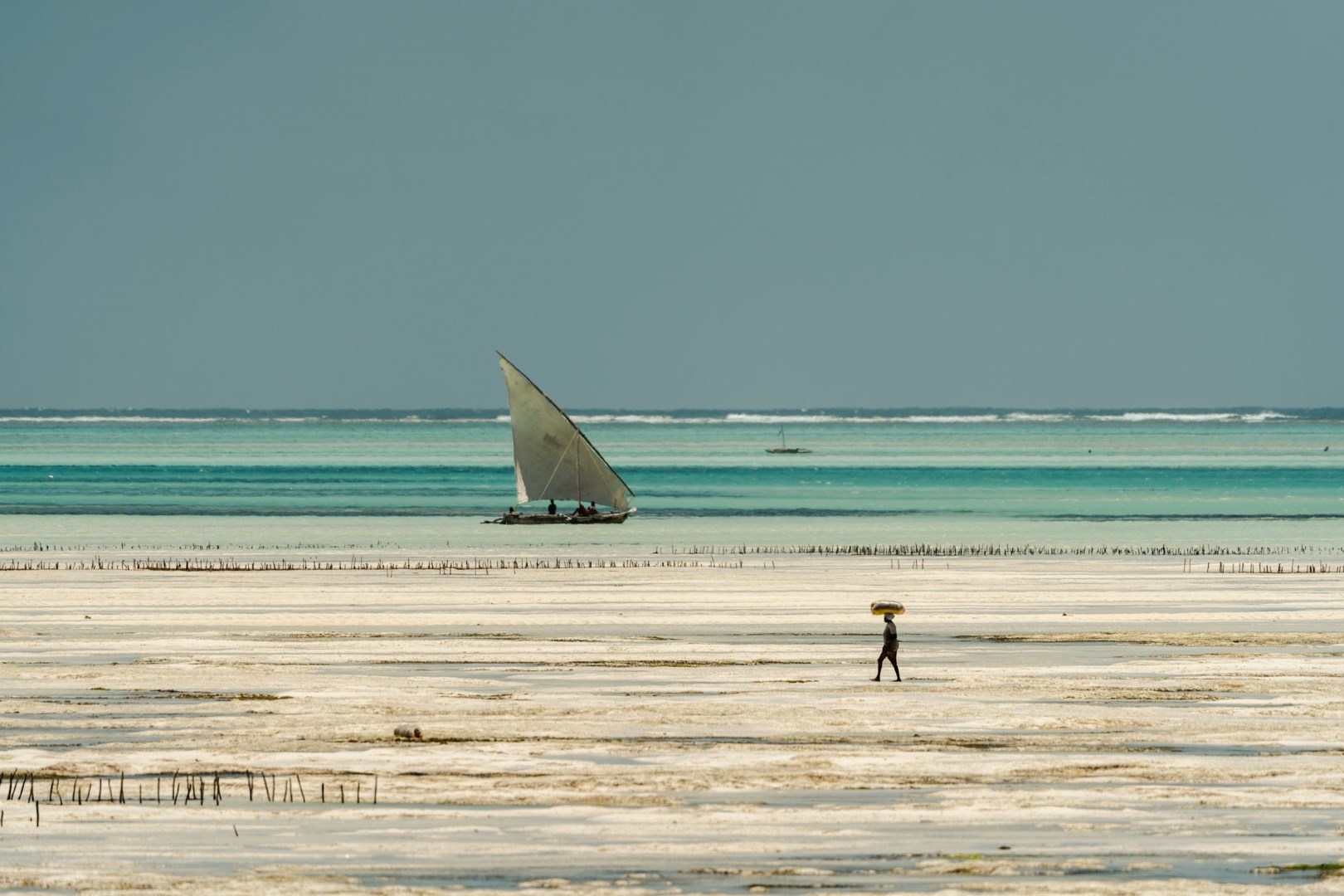
Jambiani is a coastal village on Zanzibar’s southeastern shore, facing the Indian Ocean along a long stretch of white sand and shallow turquoise water. The village extends along the coast between Paje and Makunduchi, with traditional homes, small guesthouses, fishing areas, and local businesses spread between the beach and inland fields.
