
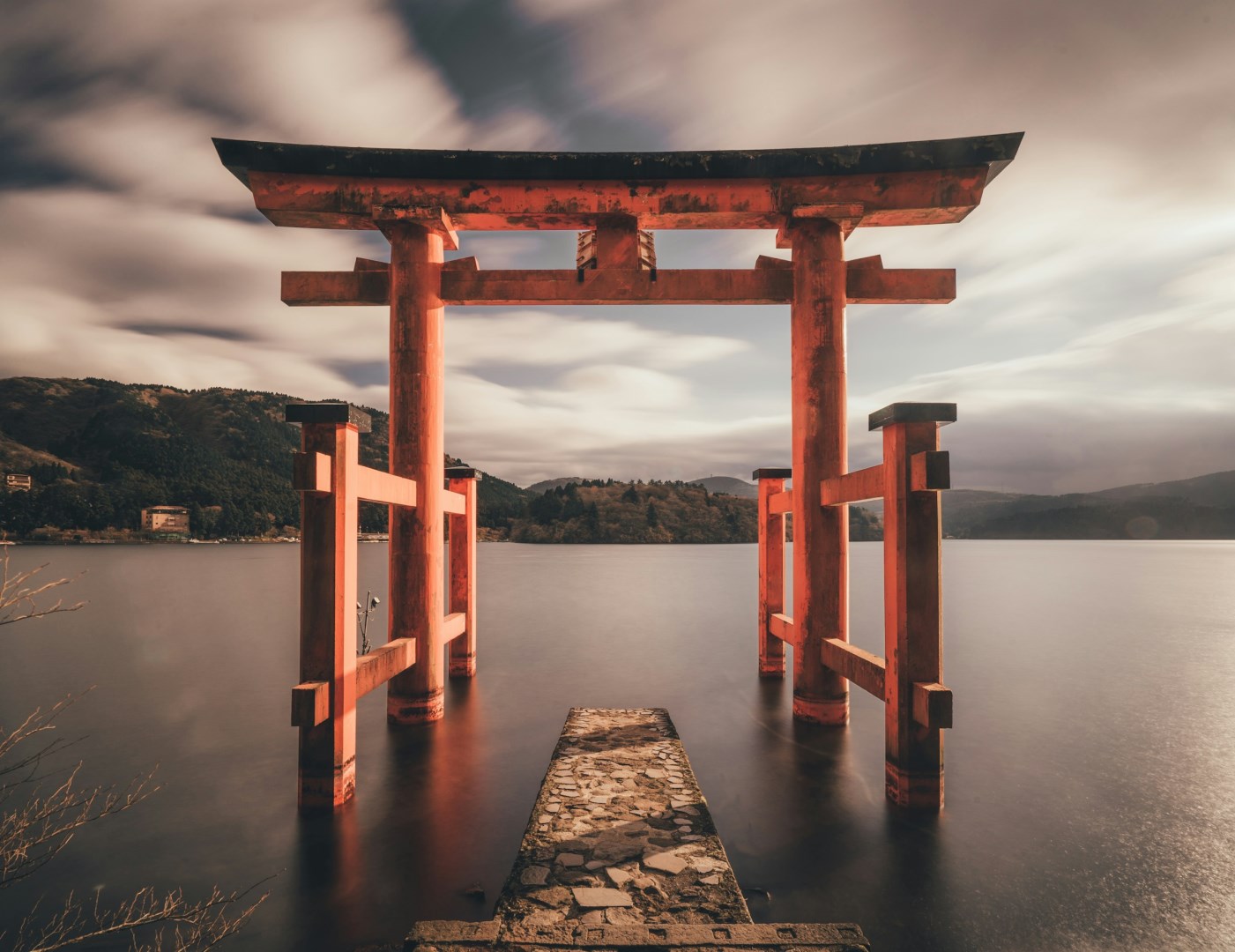
Hakone
Nestled in the mountains just 90 minutes from Tokyo, Hakone has long been a retreat for travelers seeking both quiet and culture. Once a crucial checkpoint on the historic Tōkaidō road between Edo and Kyoto, Hakone is still shaped by centuries of history. The reconstructed Hakone Sekisho (Hakone Checkpoint) offers a glimpse into the Edo Period, when travelers were inspected by samurai guards before continuing on their journey.
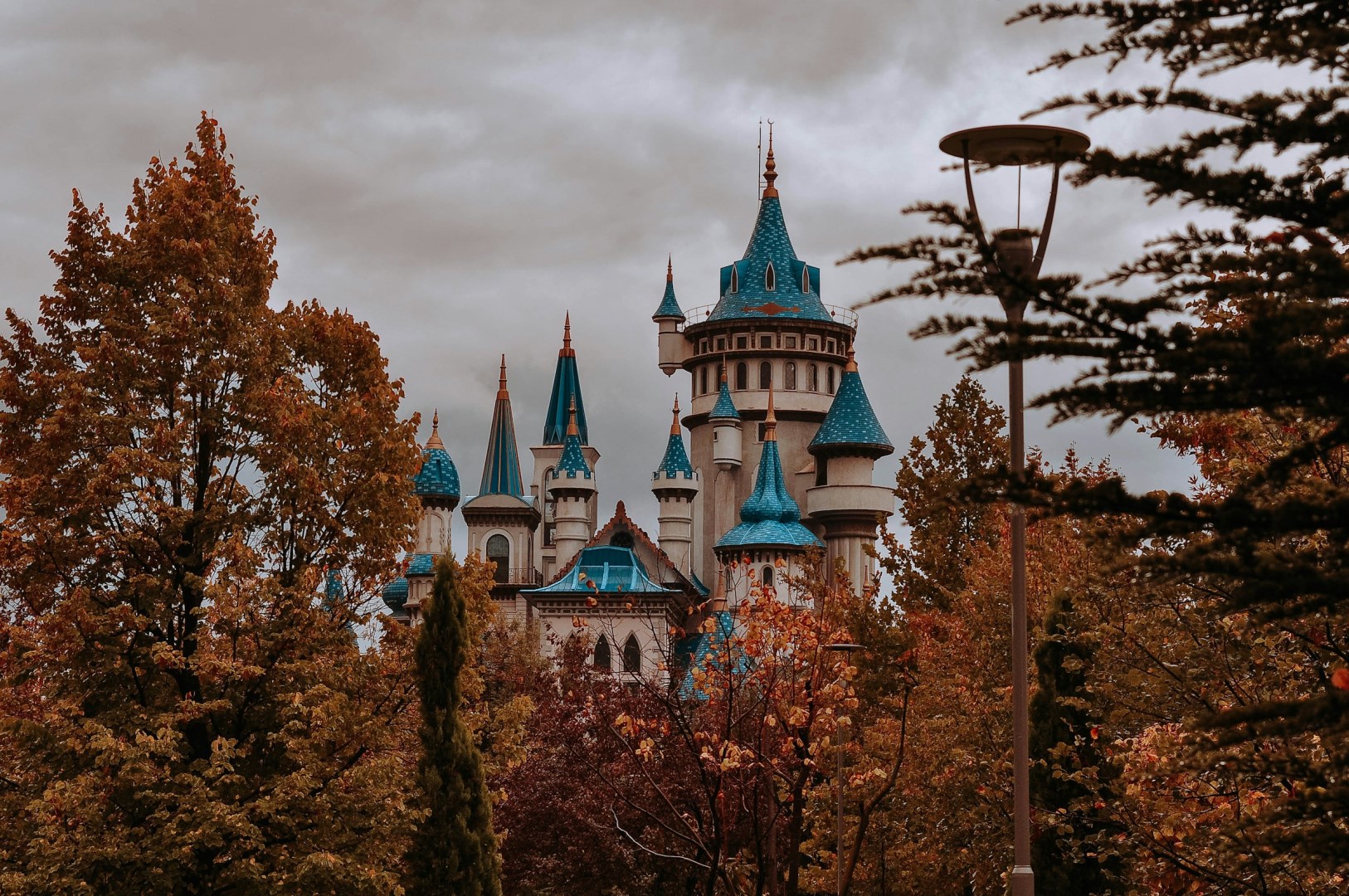
Eskisehir
Eskişehir, located in northwestern Turkey, is a city where old meets new in unexpected ways. Known for its youthful vibe due to its two major universities, the city is also deeply rooted in history. It sits along the Porsuk River, which winds through lively neighborhoods and parks. The riverfront, once mostly industrial, has been transformed into a place where gondolas pass under bridges and locals gather at riverside cafes.
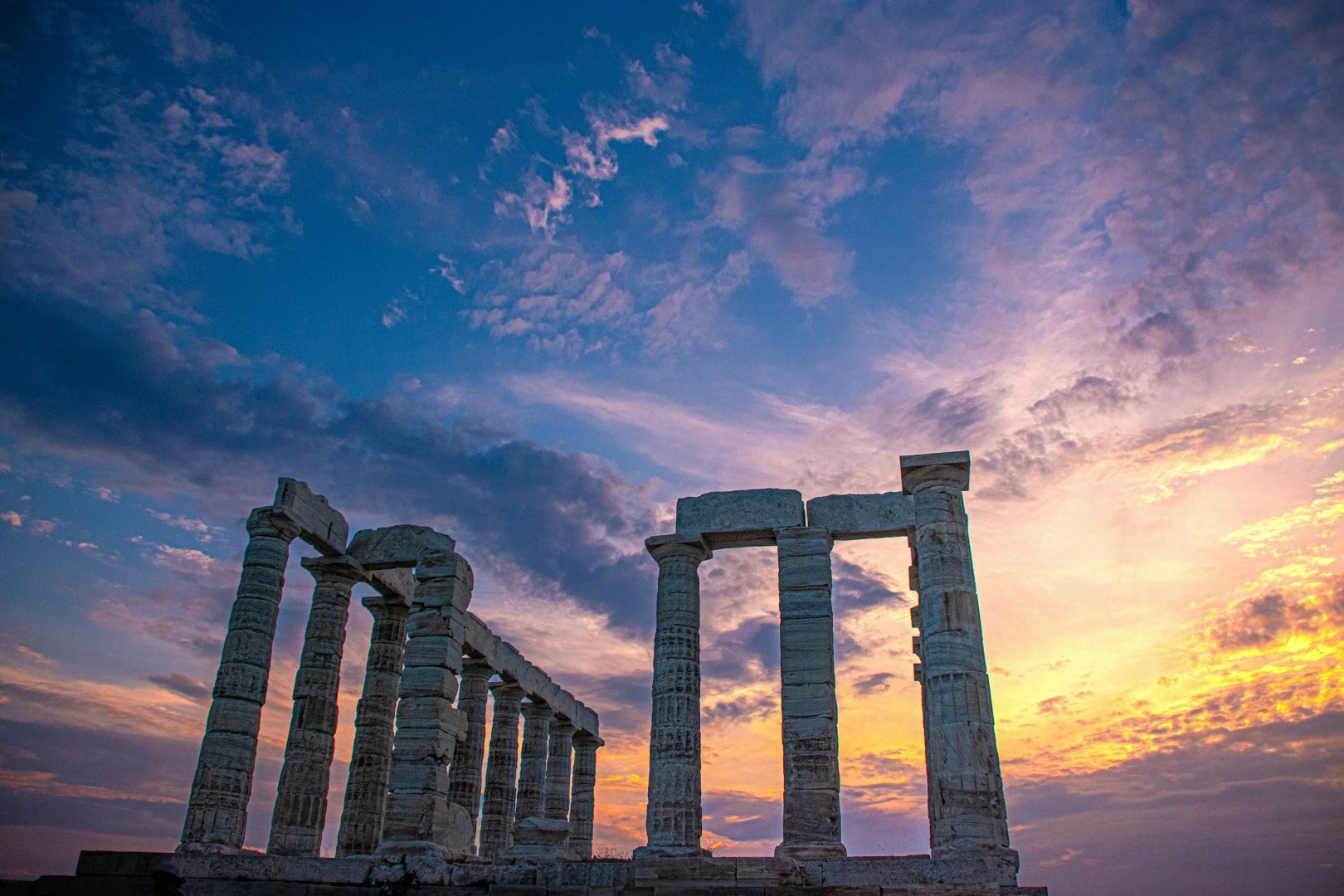
Cape Sounion
Picturesque Cape Sounion is famous for its beaches and scenic views of islets and the sweeping Bay of Anavyssos, as well as the 5th century Temple of Poseidon. Cape Sounion is located approximately 65 km. south of Athens.
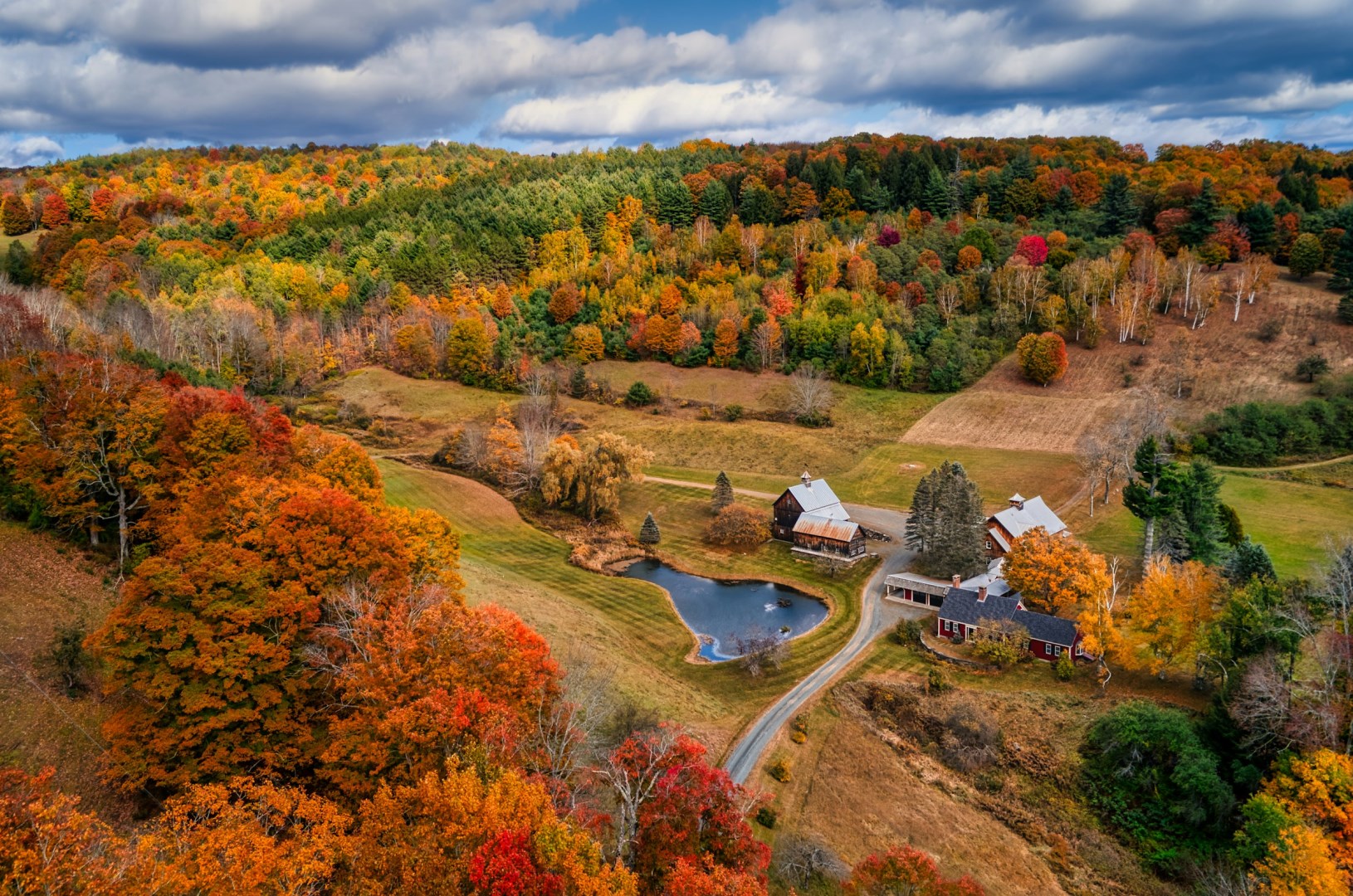
Vermont
Vermont offers visitors not just postcard-perfect views, but a state shaped by independence, craftsmanship, and deep-rooted community traditions. That independent streak is still felt in small towns like Montpelier, the nation’s smallest state capital, and in villages like Grafton and Woodstock, where restored 19th-century buildings now house general stores, cheese shops, and local galleries.

Greenock
Greenock, located on Scotland’s scenic west coast, is a town steeped in maritime and industrial history, with its historic waterfront and Victorian architecture offering a glimpse into its prosperous past. Once a shipbuilding powerhouse, the town’s legacy is visible in landmarks like James Watt Dock and the Old West Kirk, while the nearby Greenock Cut offers a peaceful escape for walking and cycling, framed by stunning views of rolling hills and the River Clyde.
