

Ho Chi Minh City
Ho Chi Minh City, Vietnam’s largest metropolis, is a dynamic hub where history, culture, and commerce intersect. Formerly known as Saigon, the city reflects layers of its past, from French colonial architecture to markets and historic districts that capture the energy of daily life.
Benin
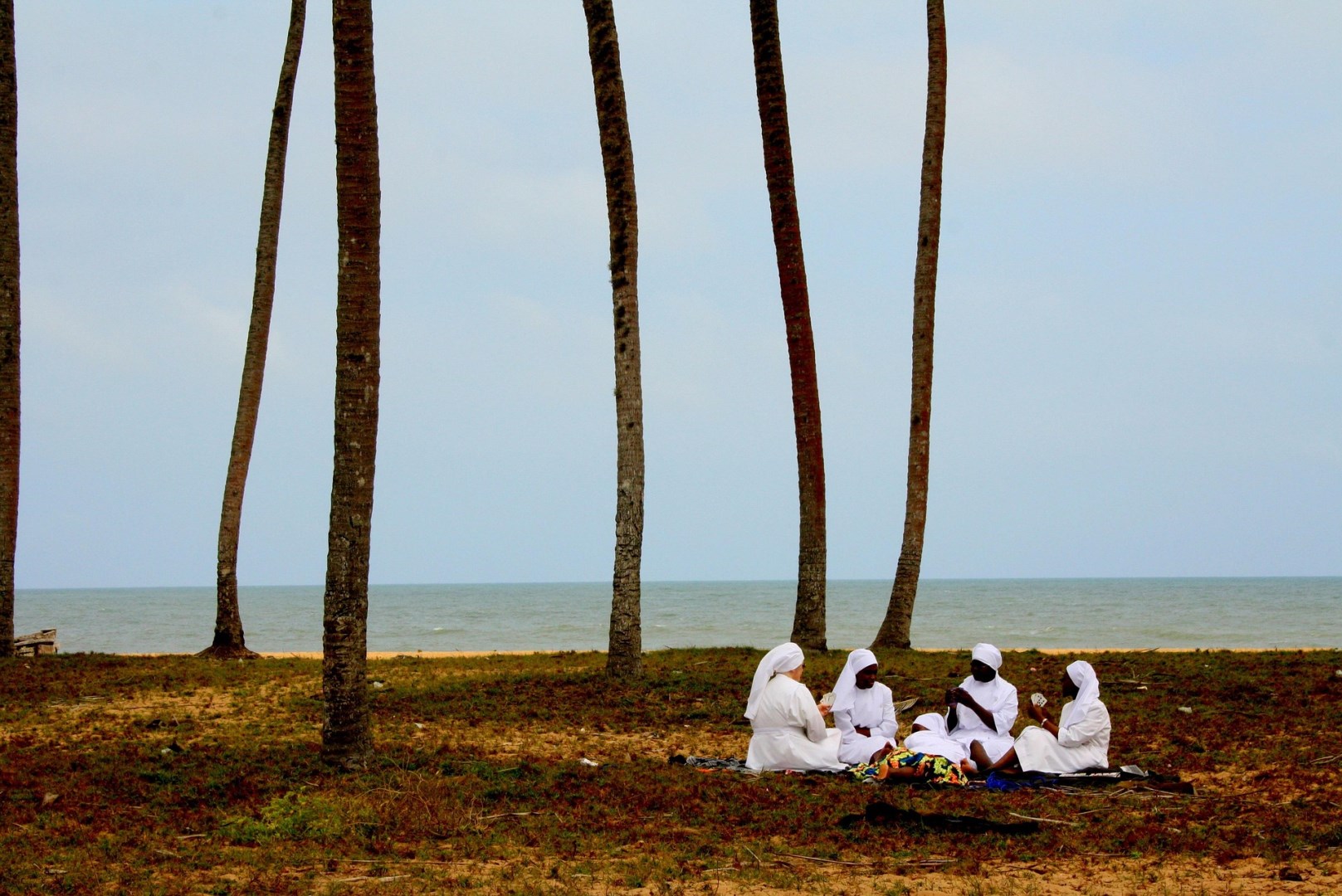
Tucked along the Gulf of Guinea in West Africa, Benin offers a vibrant blend of traditions, rich history, and colorful daily life that surprises and delights travelers at every turn. The country is the birthplace of Vodun (commonly known as Voodoo), a spiritual tradition still practiced widely and celebrated each January 10th with processions, drums, and dance in the city of Ouidah.
Waterton Lakes National Park
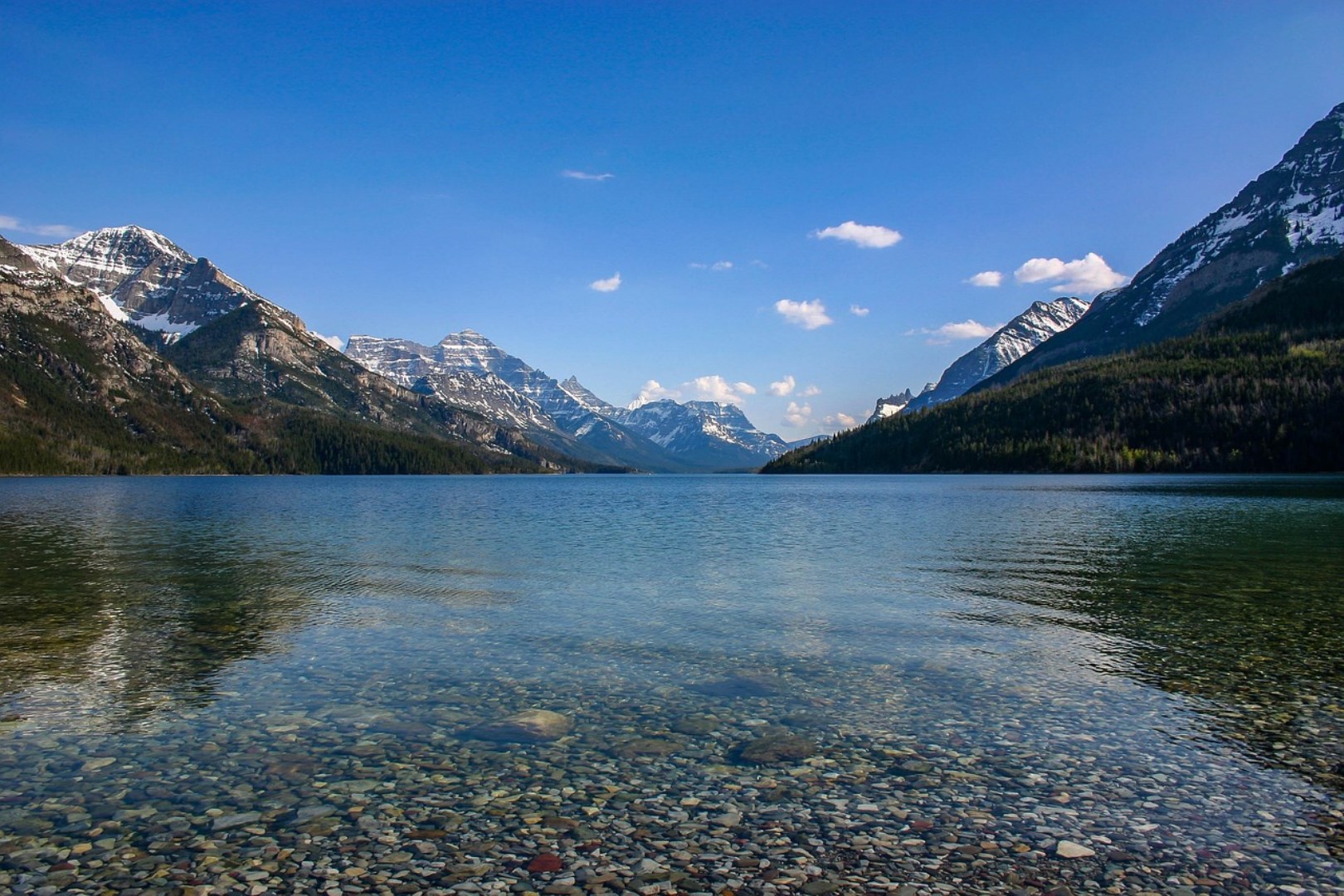
Together with neighboring Glacier National Park in the United States, Waterton Lakes National Park is part of the world's first international Peace Park, which was recognized as a UNESCO World Heritage Site in 1955. The Waterton-Glacier Peace Park protects an important biological crossroads where the Rocky Mountains reach their narrowest width. Waterton's bedrock is much older than that of the mountains to the north found in Jasper and Banff.

Quintana Roo
Quintana Roo, nestled on the Caribbean coast of Mexico’s Yucatán Peninsula, is a paradise that seamlessly blends ancient history with modern luxury. The state is perhaps best known for its glittering beaches and turquoise waters, epitomized by destinations like Cancún and Playa del Carmen.
The Beagle Channel
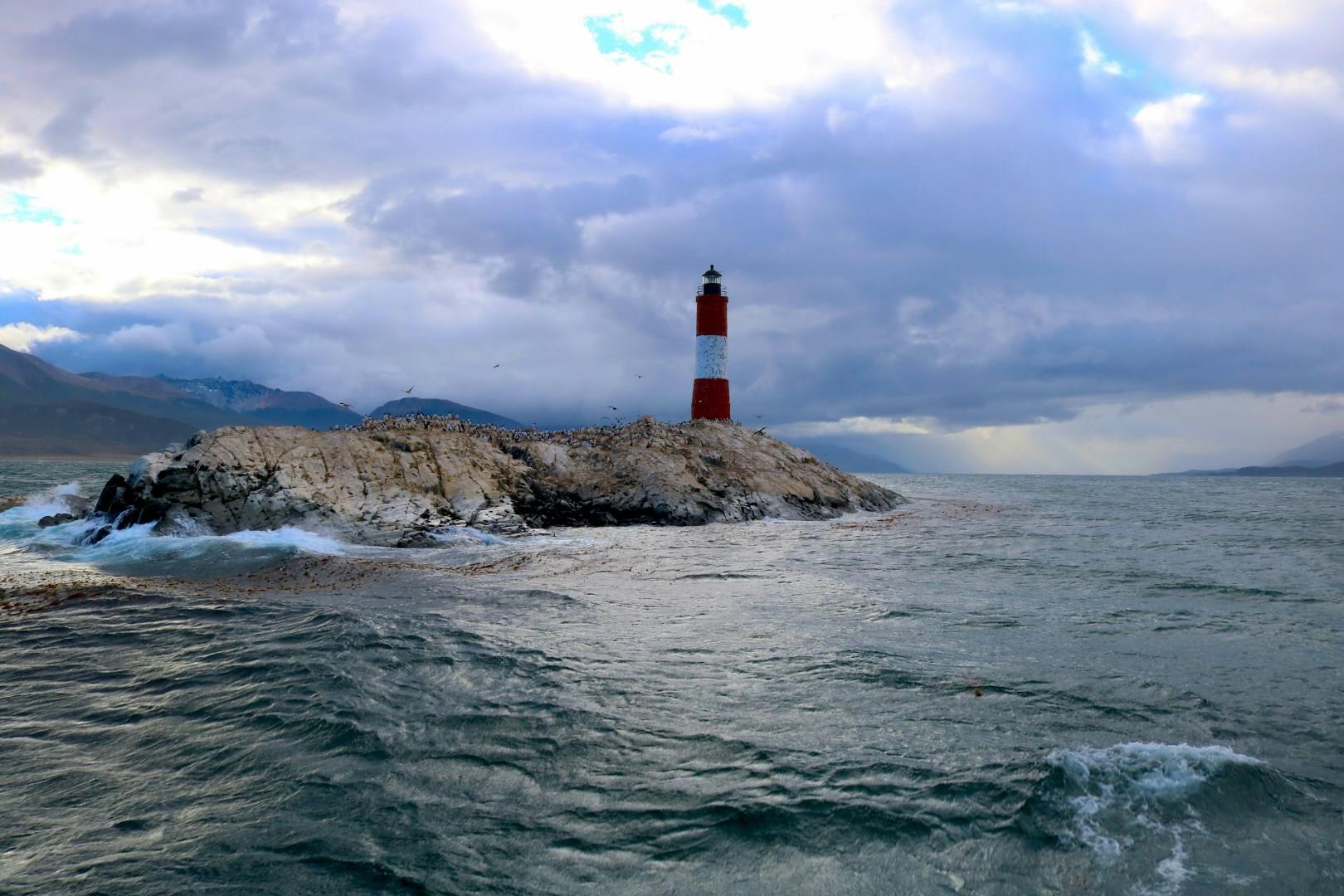
The Beagle Channel, at the southern tip of South America, stretches between Chile and Argentina and offers one of the most striking maritime landscapes in the world. This narrow passage, framed by snow-covered peaks and rocky islands, connects the Atlantic and Pacific Oceans. Its waters are calm compared to the open sea, which has made it a historic navigation route for explorers and sailors for centuries.
