
Isle of Wight
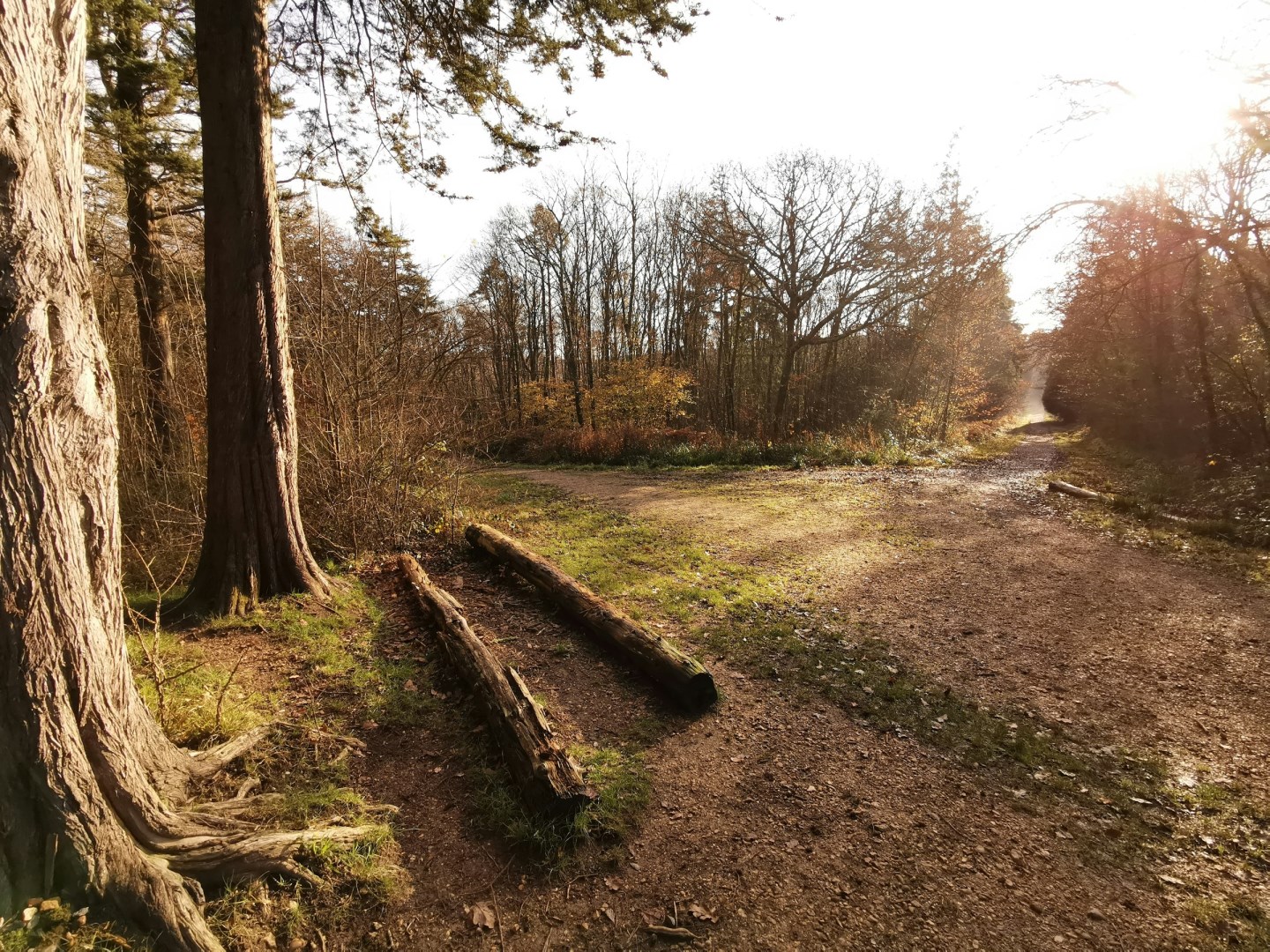
The Isle of Wight is an island off the southern coast of England, separated from Hampshire by the Solent. Its landscape includes chalk cliffs, sandy and shingle beaches, wooded valleys, farmland, and small coastal towns. Cowes, Ryde, Newport, and Ventnor are among its principal settlements, each with a different character shaped by maritime, agricultural, or seaside traditions.

Uluru
Located in Australia's Northern Territory, Uluru is an iconic sandstone formation and UNESCO World Heritage site. This red rock monolith, believed to be over 500 million years old, has been considered sacred by Australia's indigenous peoples for thousands of years and is one of the country's most well-known natural landmarks. This spiritual destination will astound you at sunrise and sunset, when the warm sunlight turns Uluru to deep hues of red and orange.
Marsala Sicily
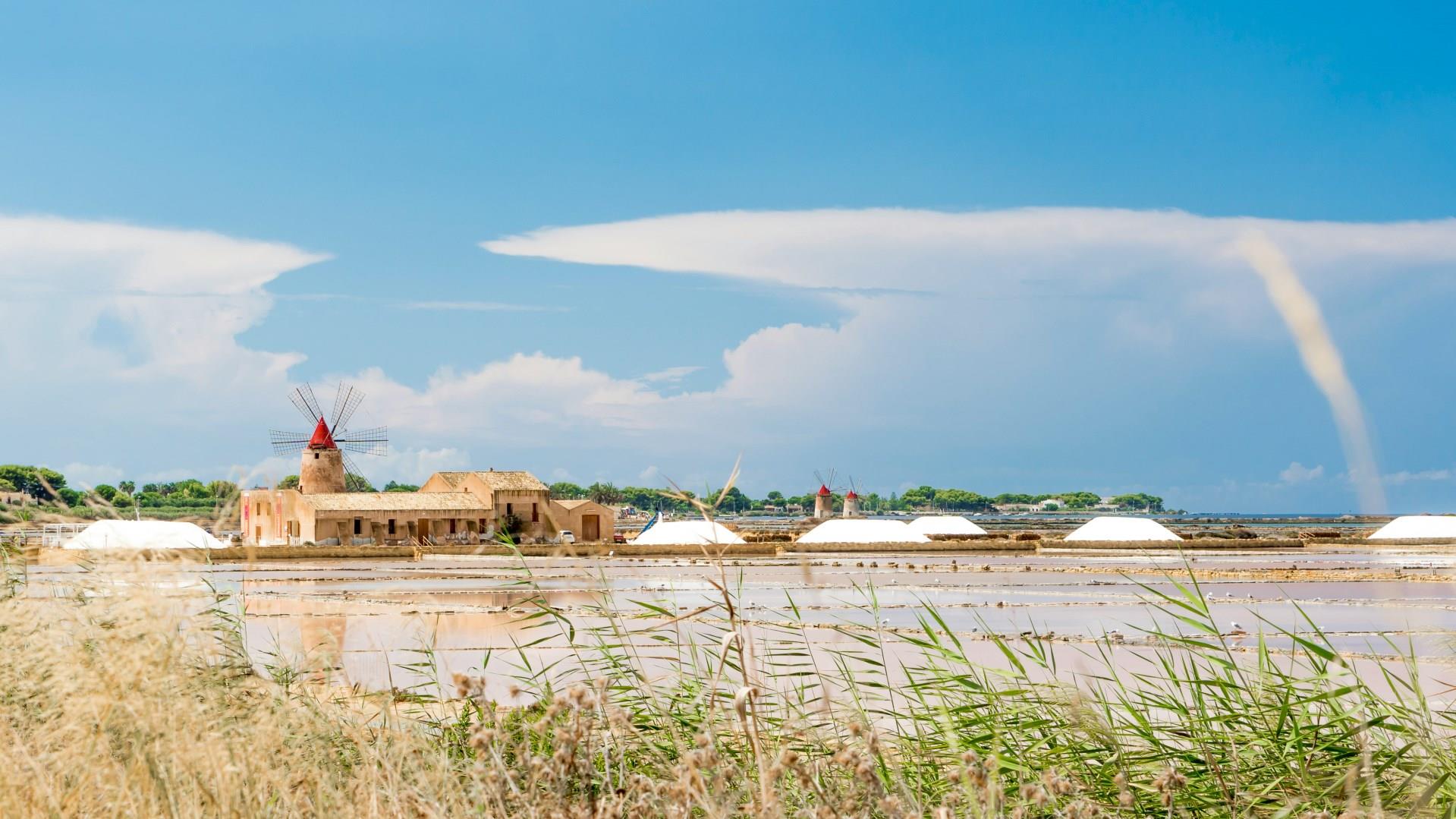
Marsala is a coastal city in western Sicily with a long history shaped by trade, conquest, and winemaking. Founded by the Phoenicians in the 4th century BCE, it later passed through Roman, Arab, Norman, and Spanish hands, each leaving traces in the city’s layout and culture.
Mandal
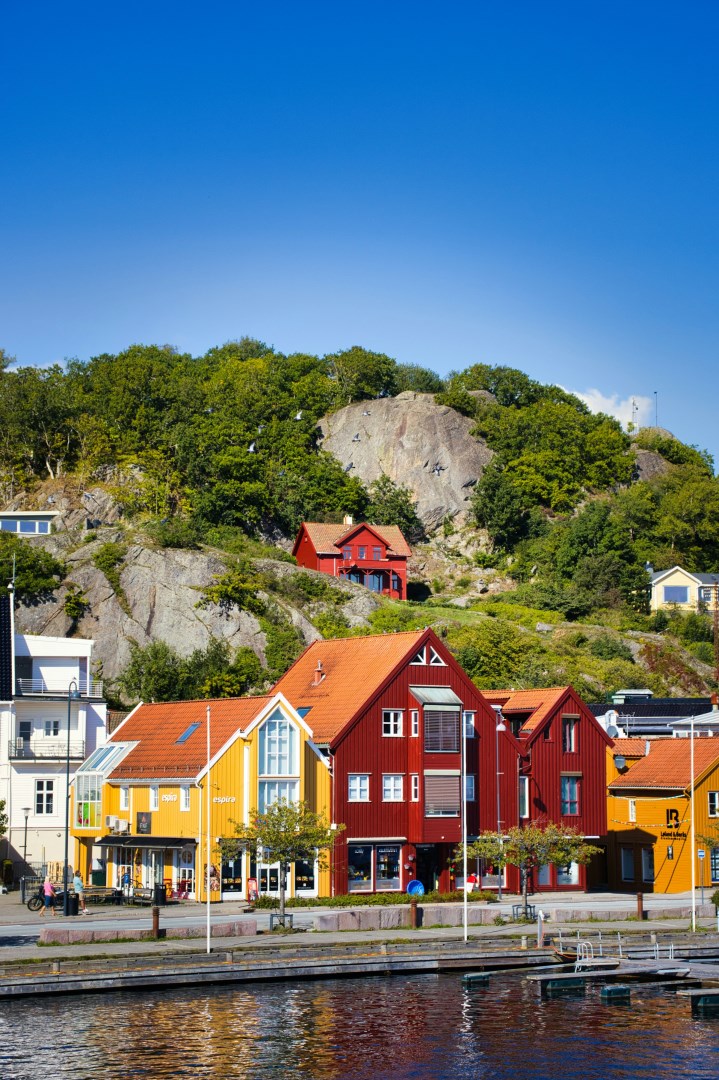
Mandal is a coastal town in Agder, southern Norway, situated where the Mandalselva River reaches the Skagerrak. It is known for its wooden town center, sandy beaches, and connection to the surrounding archipelago and river landscape. The town’s historic core contains narrow streets and closely spaced white-painted wooden houses, while the waterfront follows the river and harbor.
Ikara-Flinders Ranges National Park
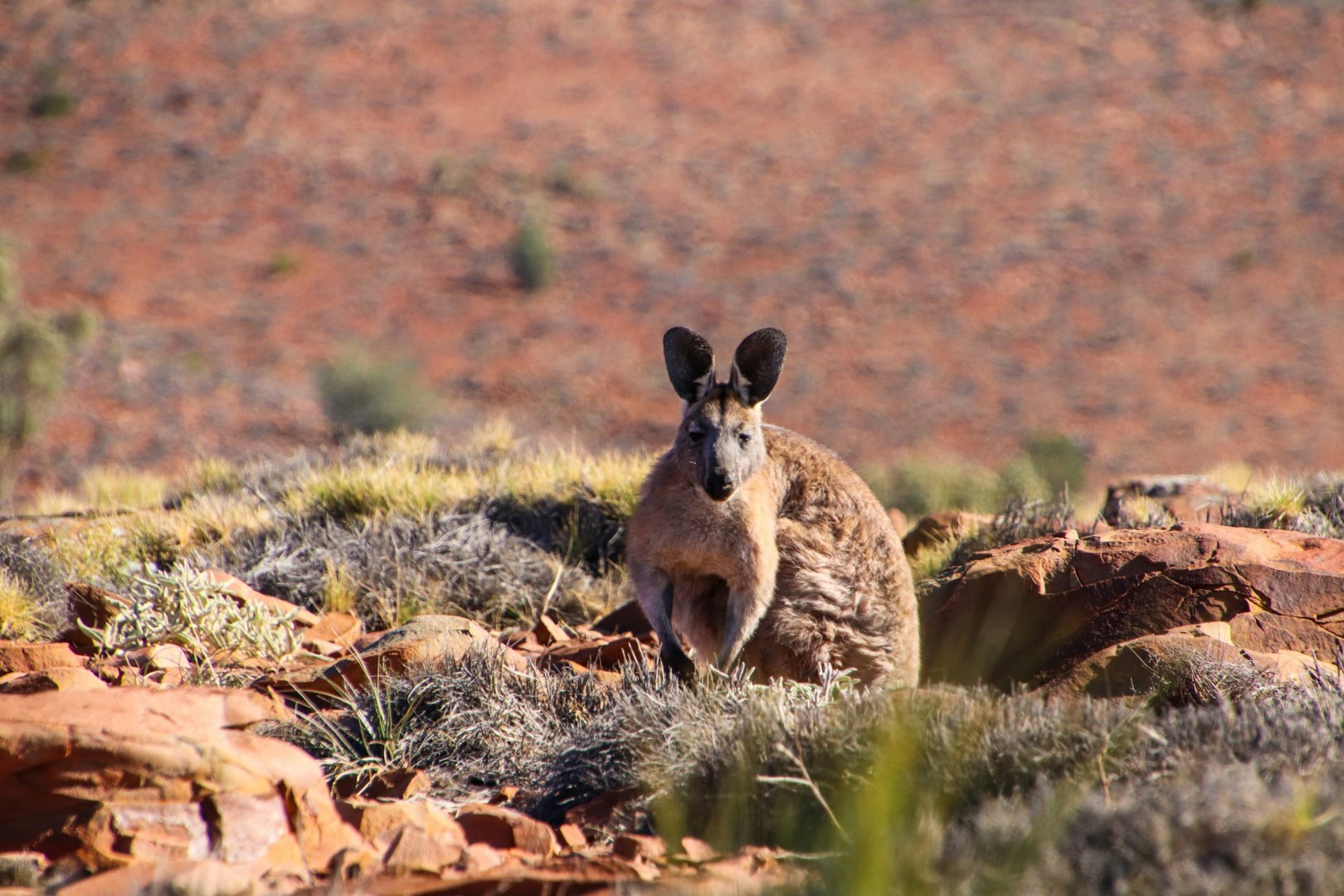
Ikara-Flinders Ranges National Park lies in South Australia’s Flinders Ranges, covering about 95,000 hectares of rugged mountains, dry valleys, rocky gorges, and semi-arid plains. Its most recognizable feature is Ikara, also known as Wilpena Pound, a vast natural amphitheatre enclosed by quartzite ranges. The park also contains the Heysen Range and the Brachina and Bunyeroo gorges, creating a landscape shaped by erosion and exposed geological layers.
