
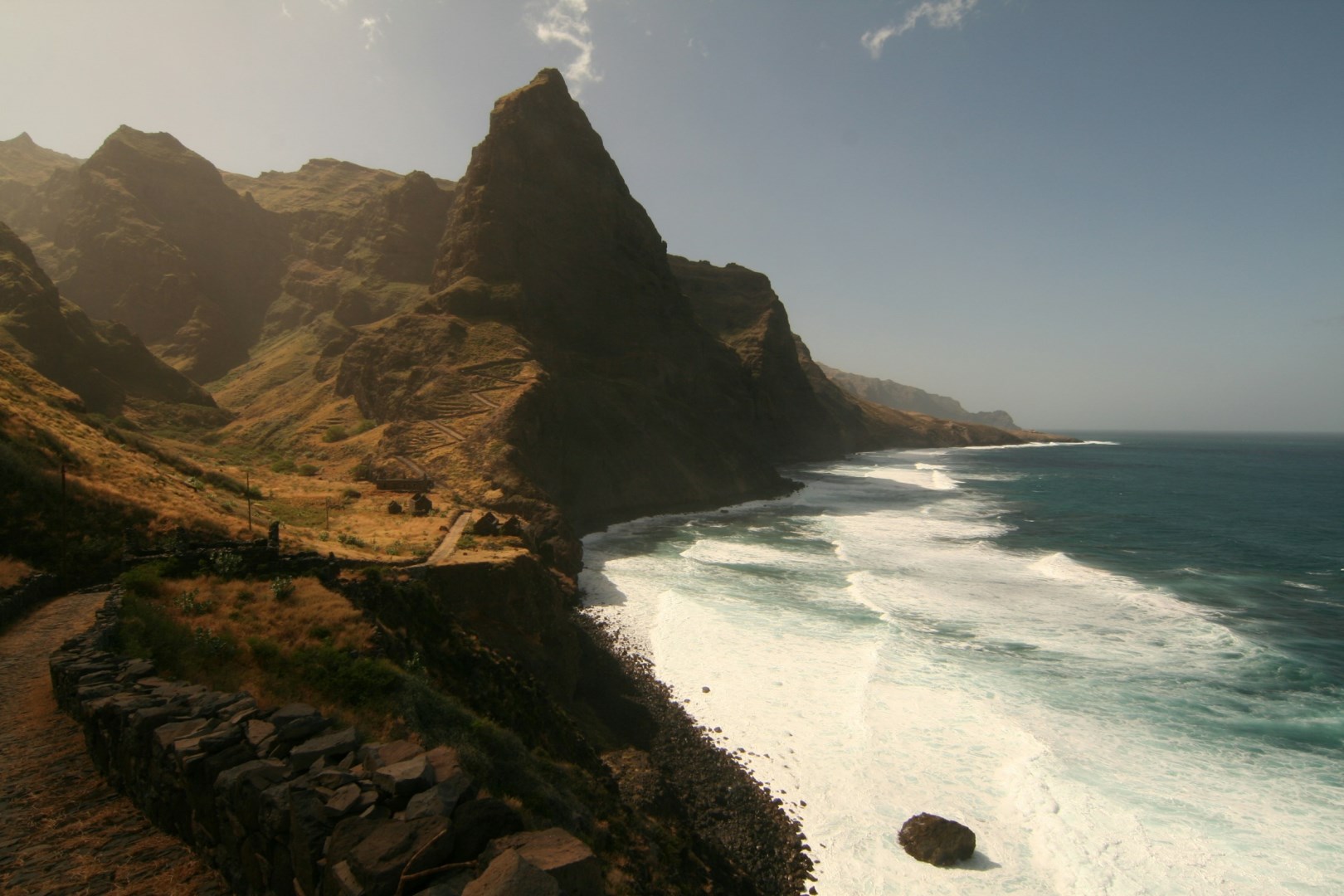
Ponta do Sol
Ponta do Sol is a small coastal town on the northern shore of Santo Antão, one of Cabo Verde’s most mountainous islands. The settlement sits between steep valleys and the Atlantic Ocean, with colorful buildings clustered around narrow streets and a waterfront used by local fishermen. Its position makes it an important starting point for exploring Santo Antão’s rugged northern coast and inland valleys.
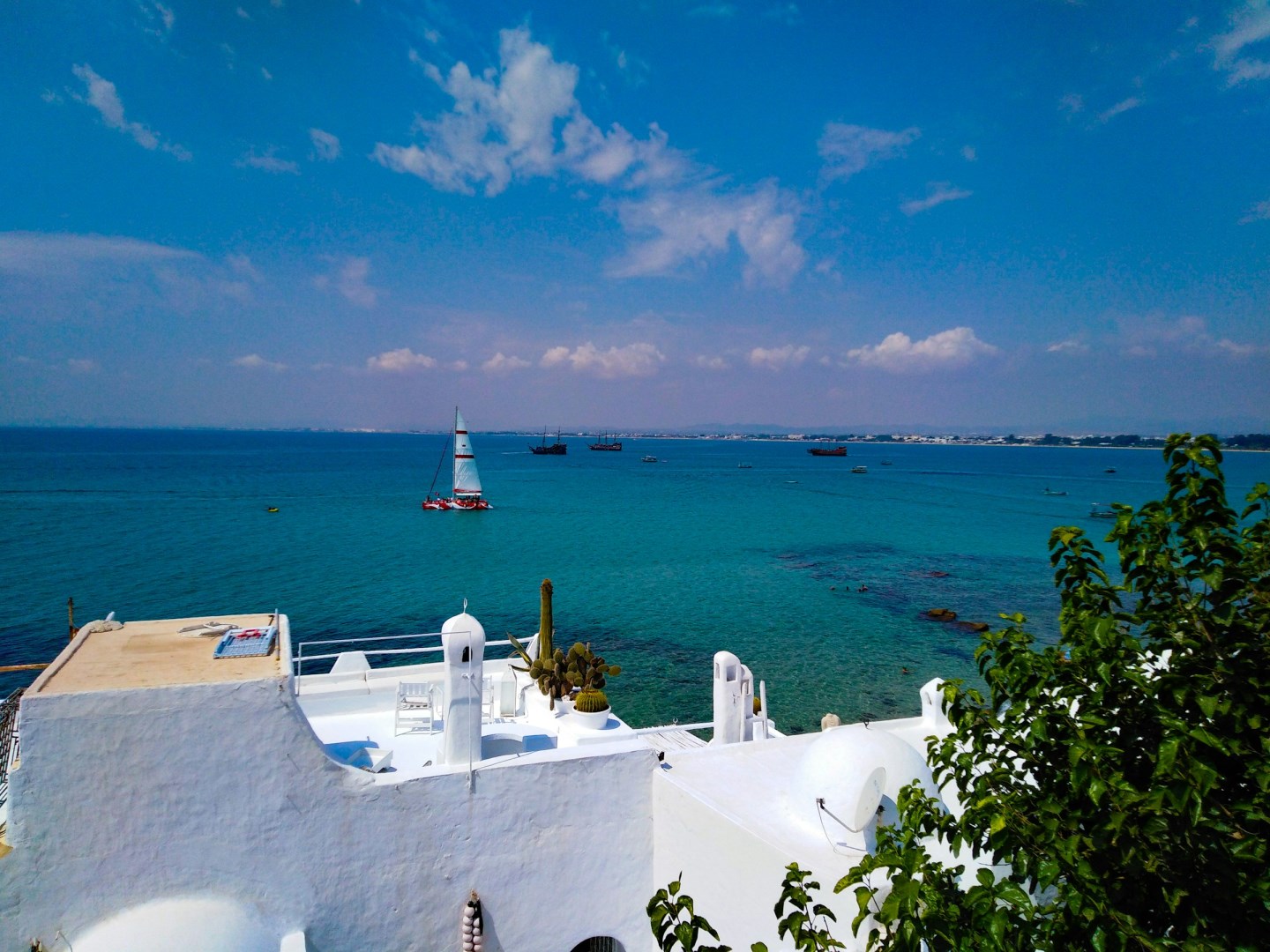
Hammamet
Hammamet is a coastal town on Tunisia’s Cap Bon peninsula, known for its sandy beaches, whitewashed houses, jasmine gardens, and historic medina beside the Mediterranean. The town combines a long-established fishing and agricultural identity with a major seaside tourism district, including Yasmine Hammamet to the south.
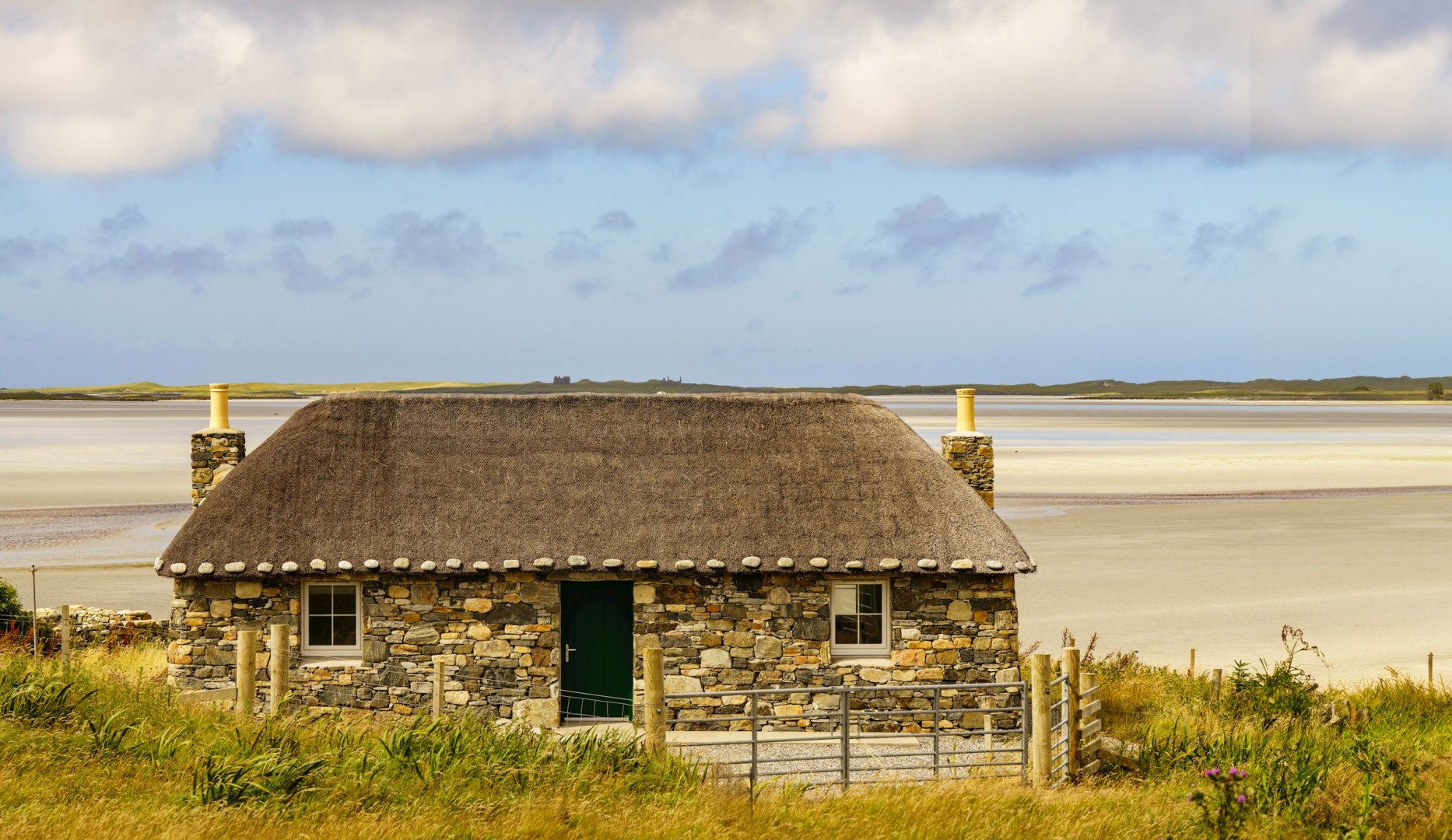
Outer Hebrides
The Outer Hebrides form a long chain of more than 70 islands off Scotland’s northwest coast, stretching from Lewis and Harris through the Uists to Barra and Vatersay. The islands are linked by ferries, bridges, and causeways, but each has a distinct landscape and community character. Stornoway on Lewis is the principal town and a center for local administration, arts, and commerce.
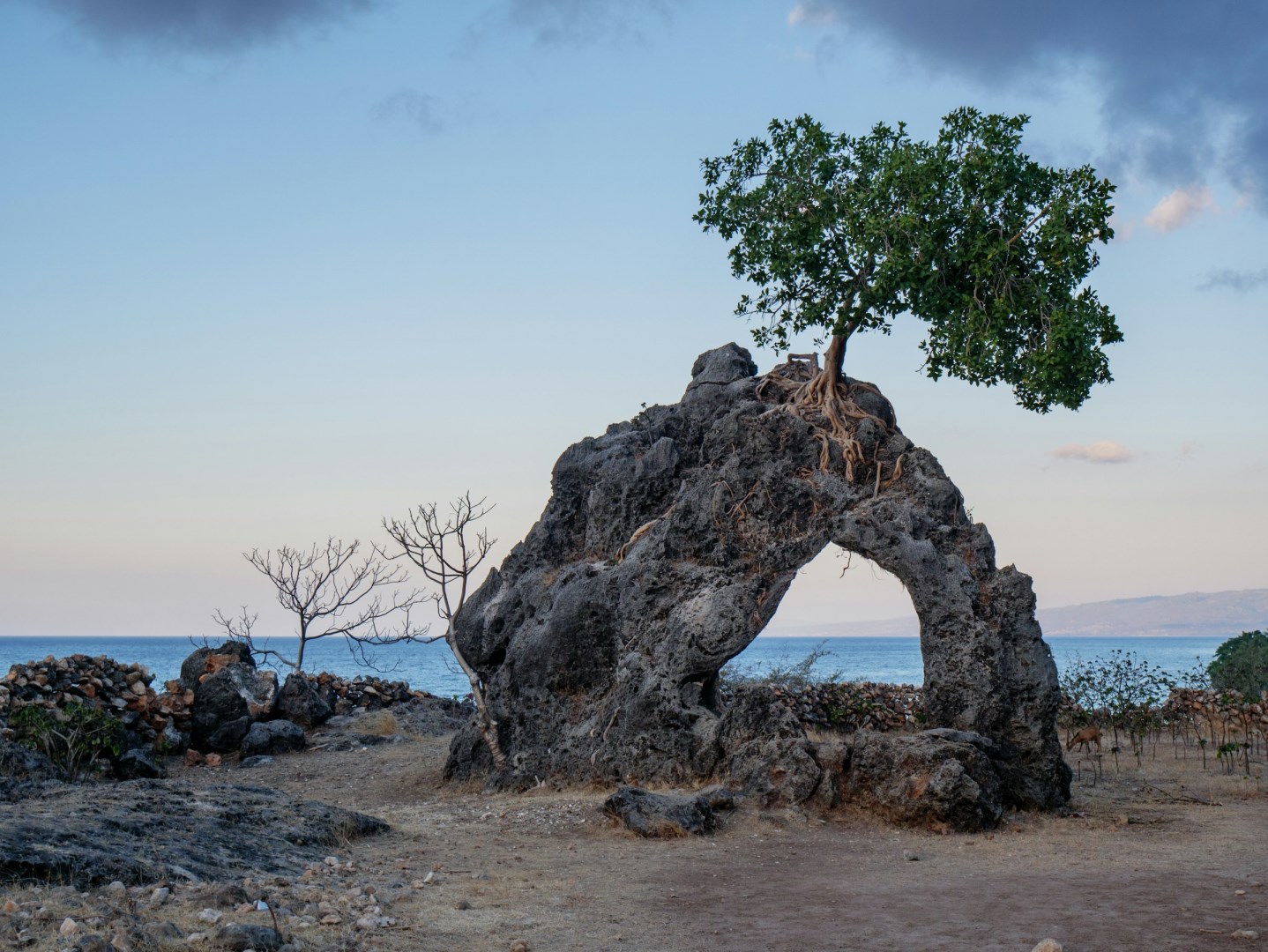
Baucau
Baucau is Timor-Leste's second-largest city, located on the country's north coast on a plateau above the Ombai Strait. The city is surrounded by limestone hills, agricultural land, and tropical vegetation, with a cooler climate than the low-lying coastal plain below. Baucau is divided broadly into the older Vila Nova area and the historic Vila Velha, where colonial-era buildings, churches, and public spaces remain.
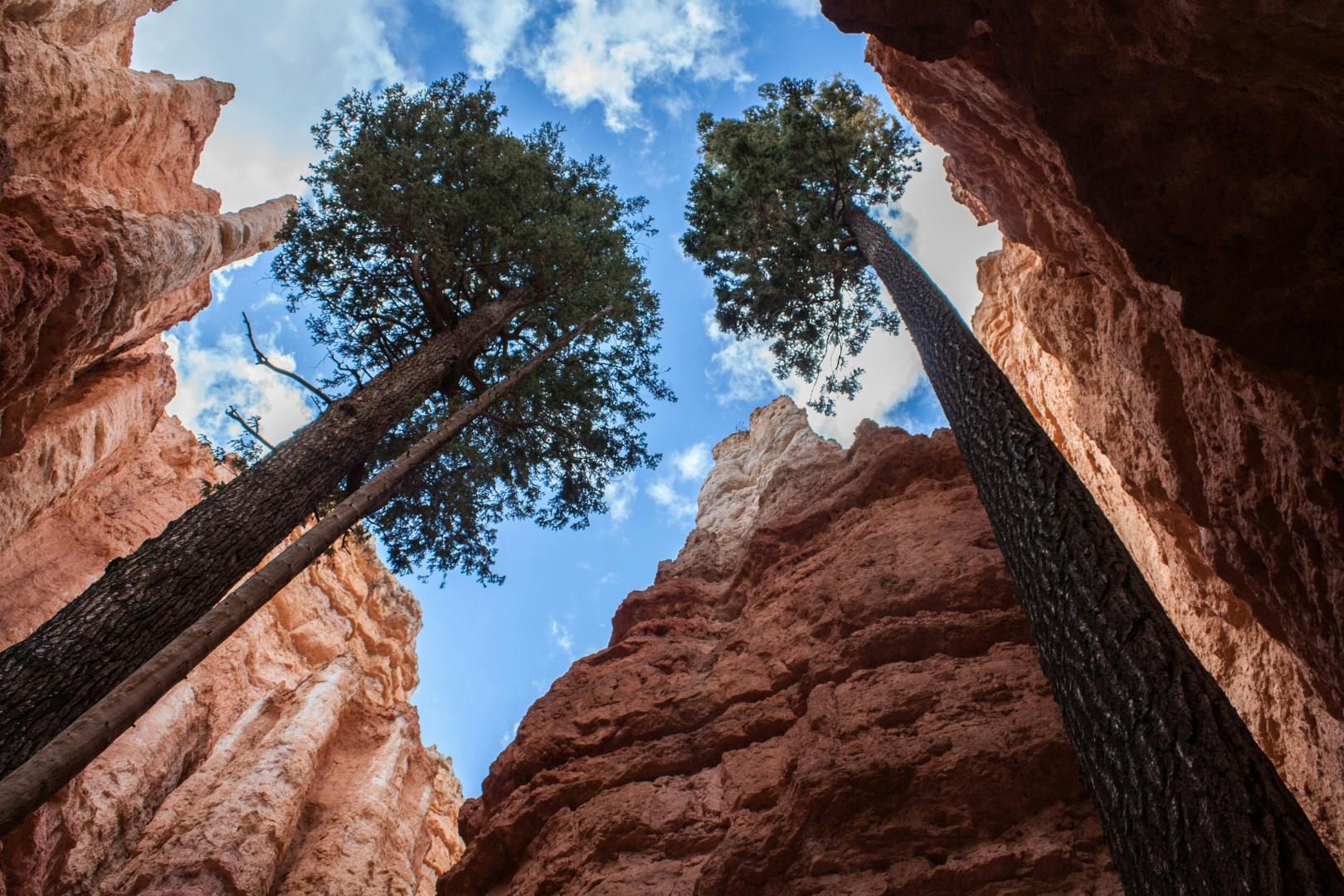
Bryce Canyon
Bryce Canyon, tucked into the high plateaus of southern Utah, offers one of the most unusual landscapes in the American Southwest. It’s not actually a canyon but a series of natural amphitheaters carved into the edge of the Paunsaugunt Plateau. What makes Bryce unique is its dense collection of hoodoos which are tall, thin spires of rock formed over millions of years by frost-wedging and erosion.
