
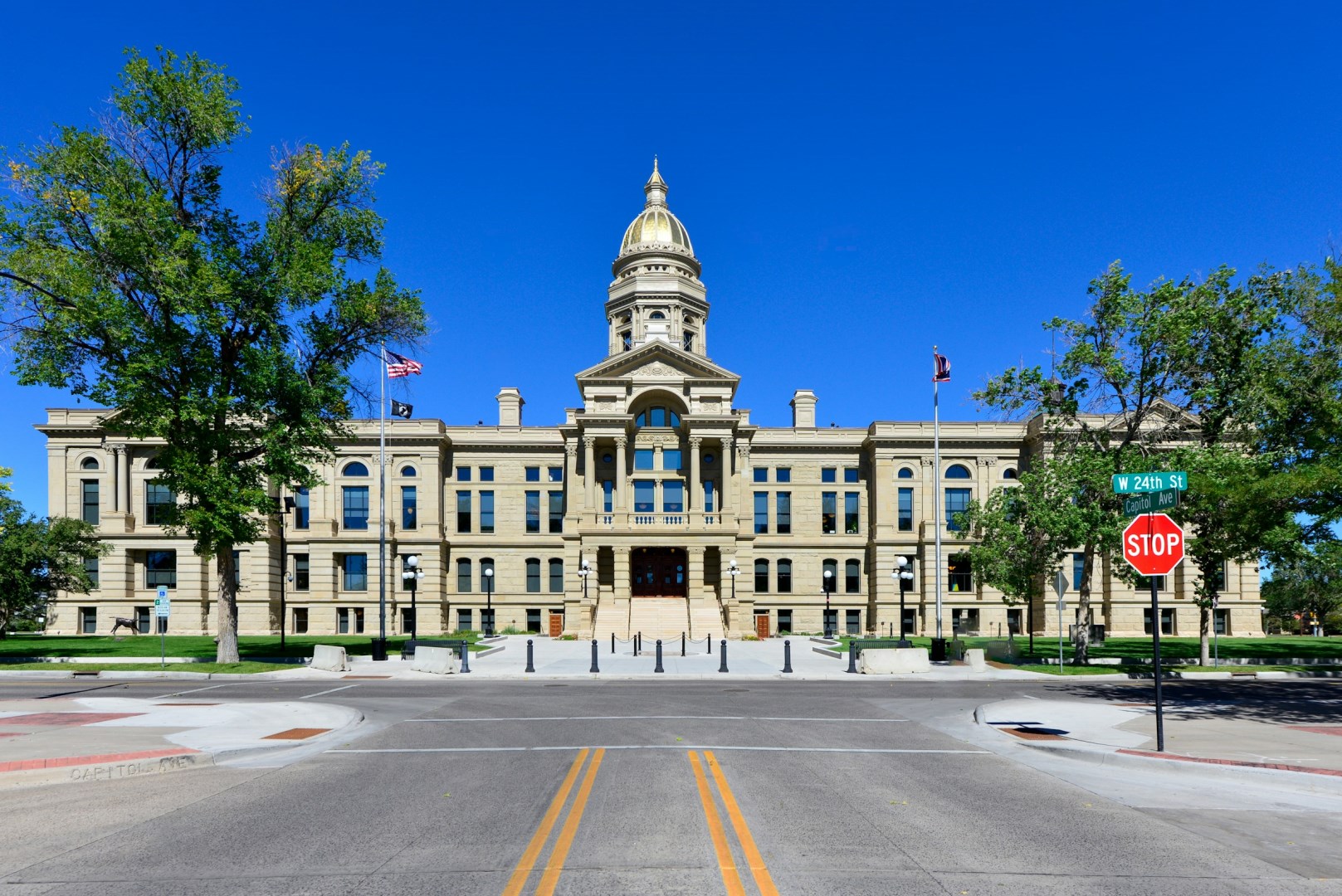
Cheyenne
Incorporated in 1867, it is the capital of the state of Wyoming. Gold mining has been a major industry here.
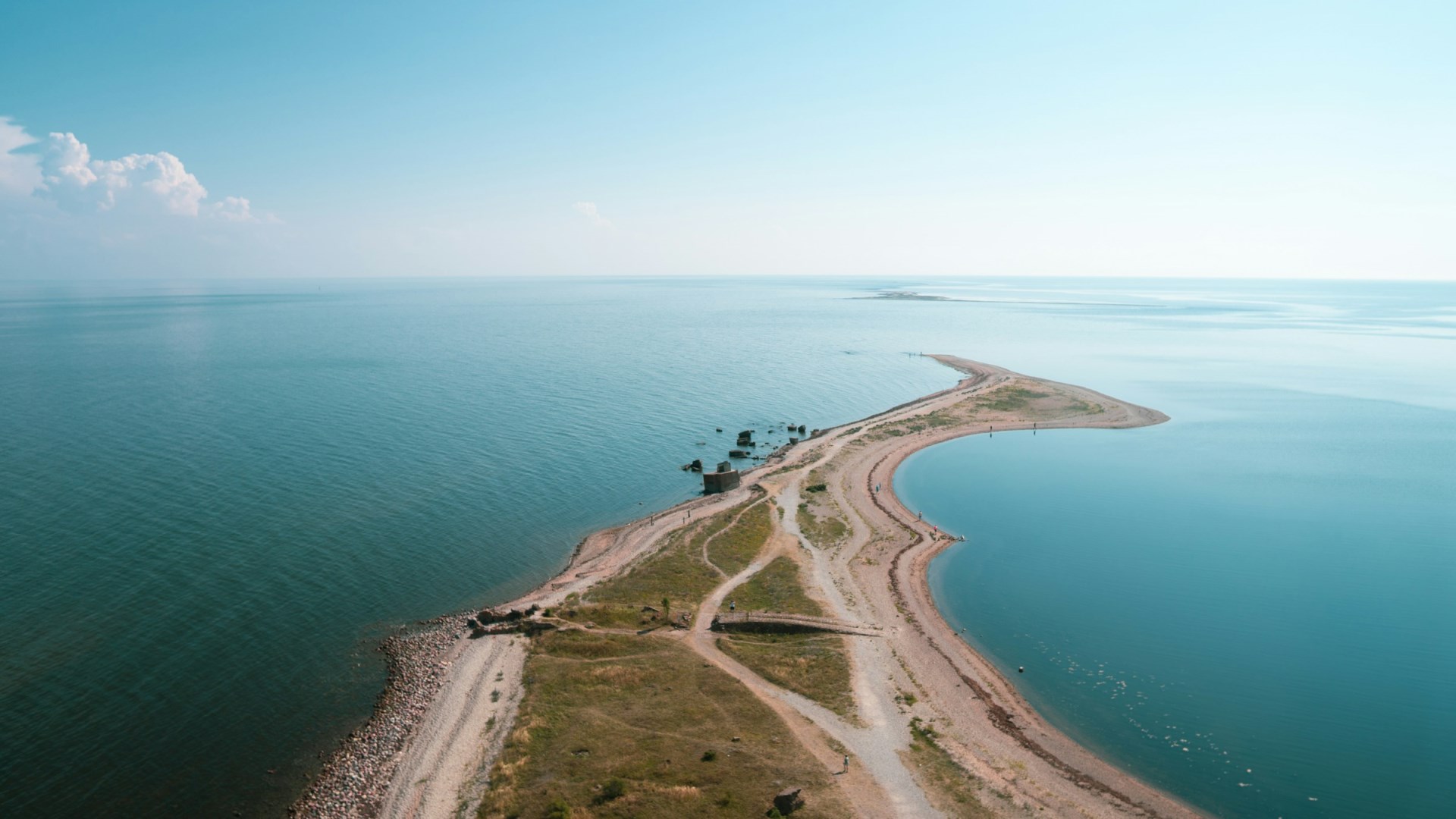
Kuressaare
Kuressaare is the main town of Saaremaa, Estonia’s largest island, set beside a sheltered bay on the island’s southern coast. The town is known for its compact historic center, seaside setting, and strong links with Saaremaa’s island culture. Kuressaare Castle dominates the waterfront, while streets lined with wooden houses, small parks, and 19th-century villas extend inland.
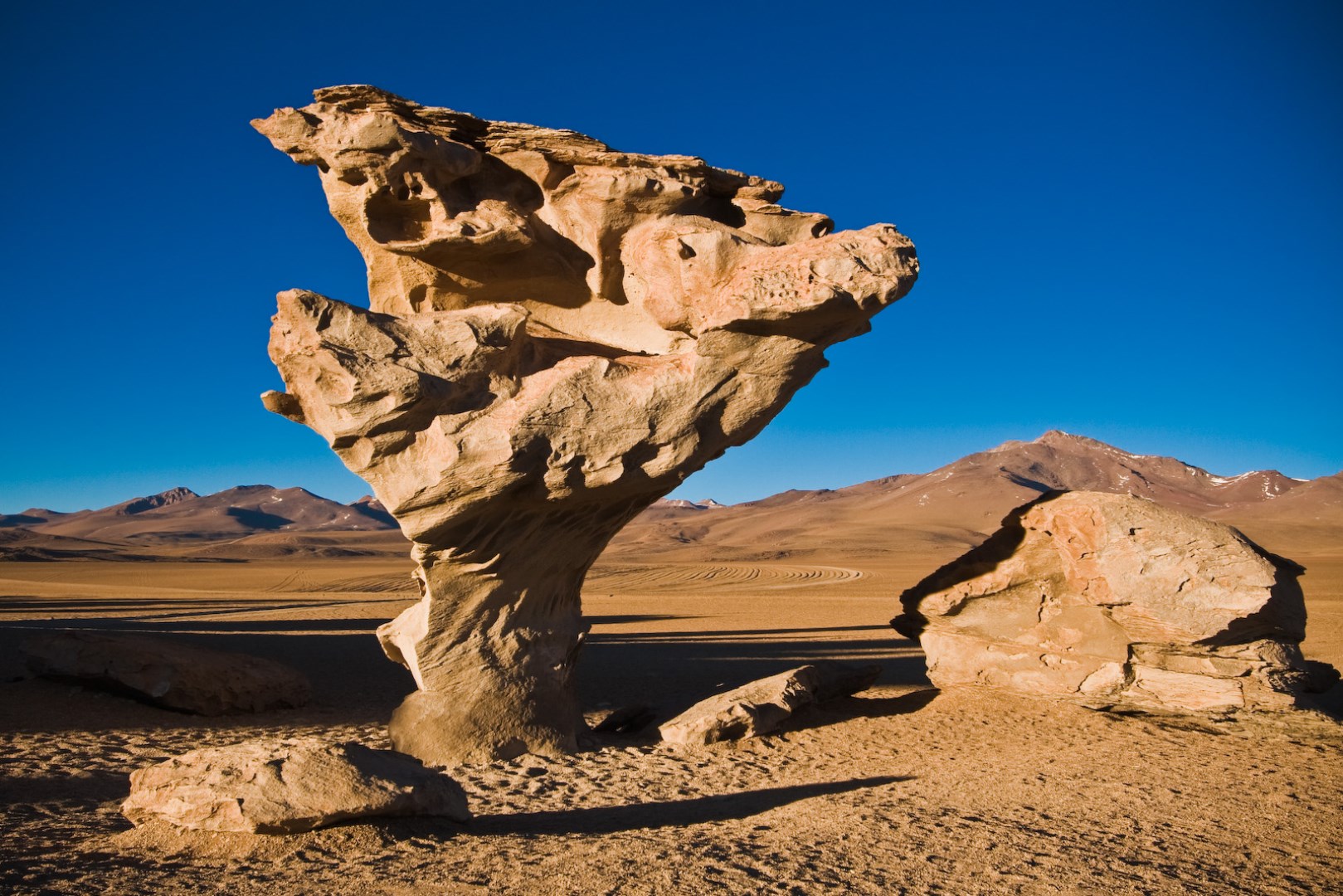
Siloli
Siloli is a remote desert area in southwestern Bolivia, within the Eduardo Avaroa Andean Fauna National Reserve in the Potosí Department. It forms part of the high-altitude landscapes of the southern Altiplano, where volcanic mountains, dry valleys, and expanses of sand and rock dominate the terrain. The area is known for its exceptionally arid conditions and unusual geological formations.
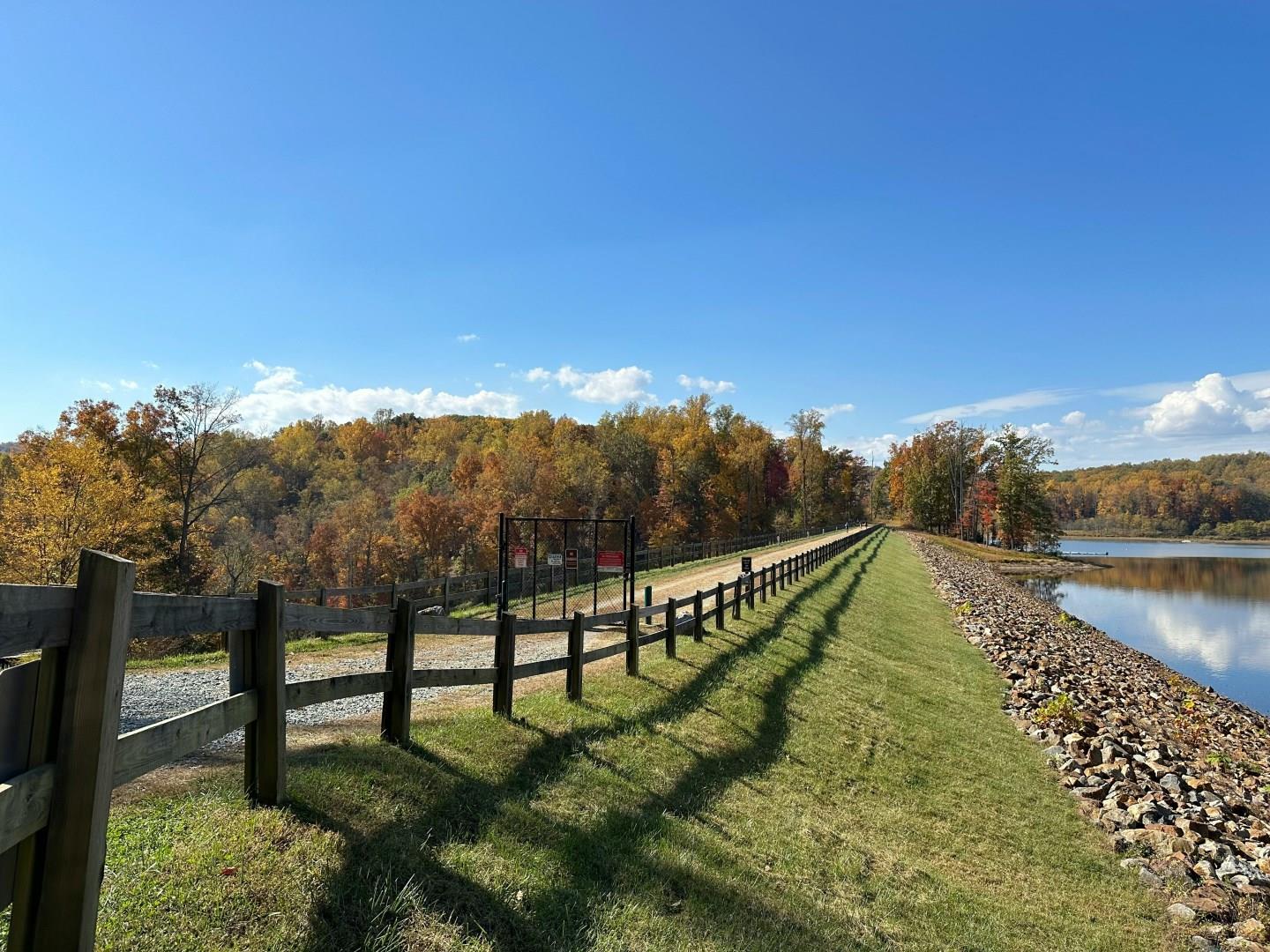
Charlottesville
Charlottesville, Virginia is a small city with deep roots and a lively sense of place. It's home to the University of Virginia, founded by Thomas Jefferson in 1819 and now recognized as a UNESCO World Heritage Site alongside Jefferson’s Monticello estate. Both sites are working institutions where architecture, education, and ongoing dialogue shape how visitors experience the past.

Island Of Mozambique
The Island of Mozambique, a UNESCO World Heritage Site, is a historical gem nestled off the northern coast of Mozambique. This small island, which was once a pivotal trading post, boasts a rich tapestry of history and culture. The island's main attraction is the Fort São Sebastião, an imposing 16th-century fortress built by the Portuguese to protect their trading interests.
