
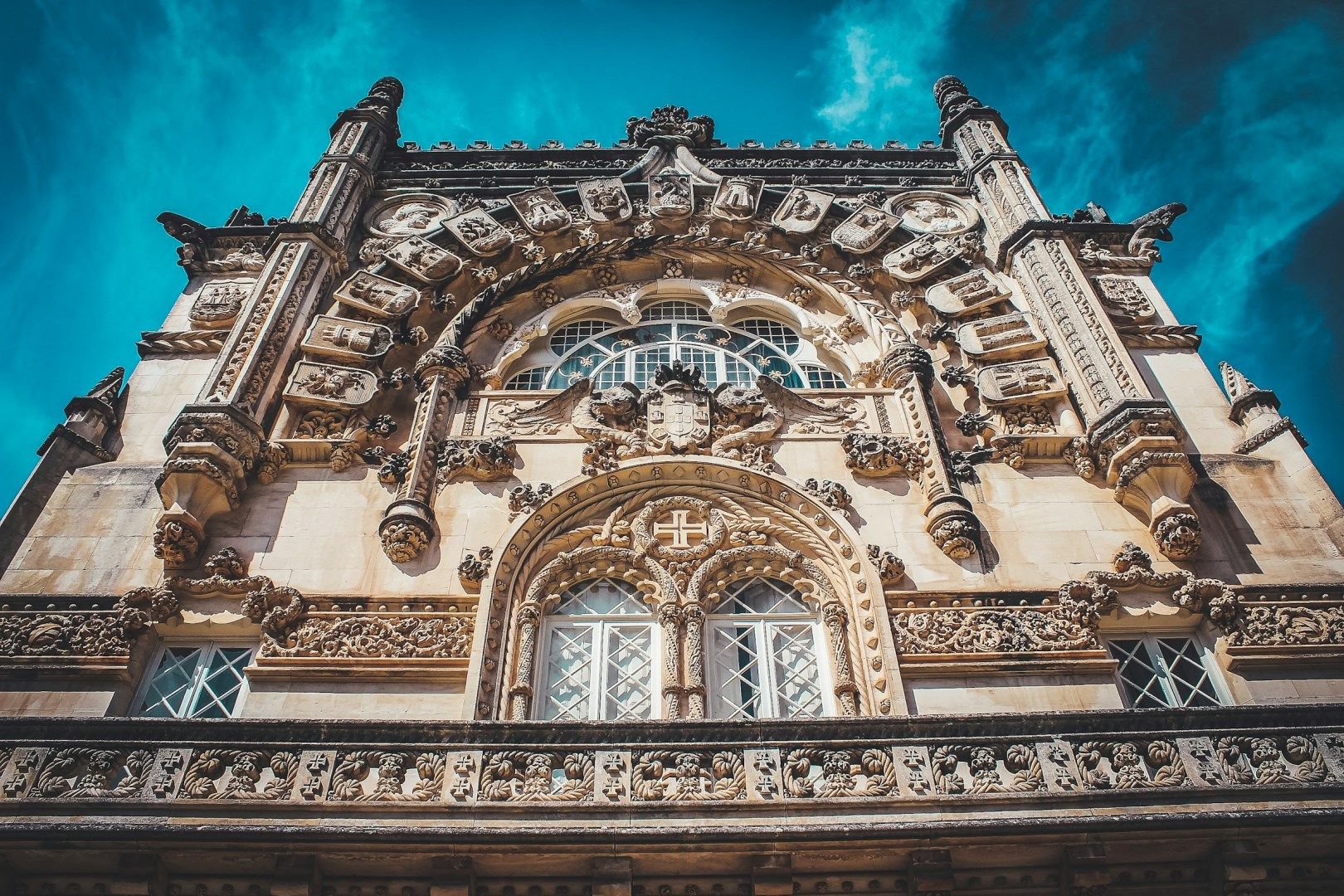
Portugal
Portugal offers a layered experience shaped by maritime history, deep-rooted traditions, and a coastline that stretches for nearly 1,800 kilometers. In Lisbon, the streets of Alfama wind uphill toward São Jorge Castle, where views of red-tiled rooftops and the Tagus River reveal how the city was rebuilt after the 1755 earthquake. Trams still clatter through narrow streets, and fado music, often performed in candlelit taverns, tells stories of longing and the sea.
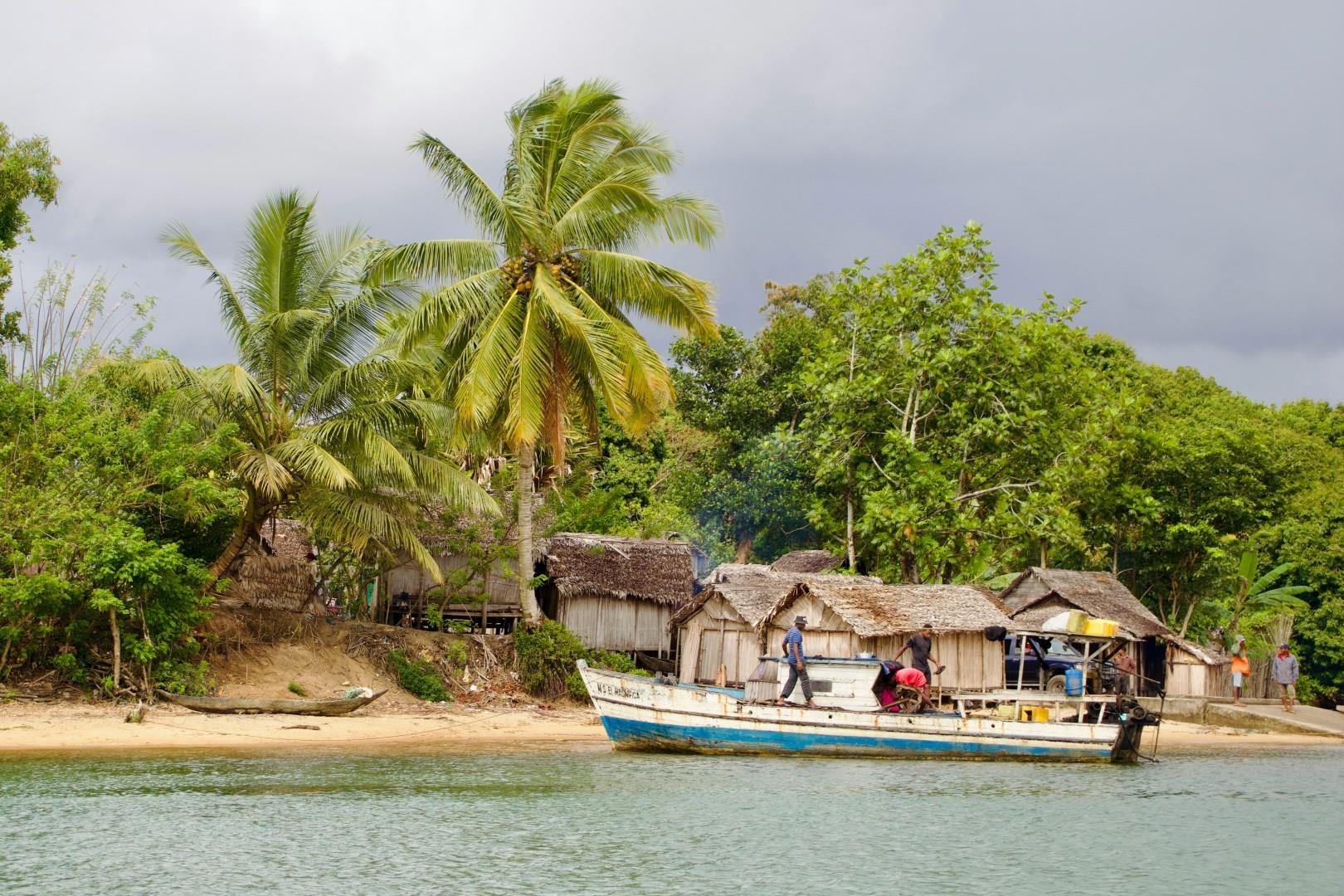
Manompana
Manompana is a small coastal town in northeastern Madagascar, located in the Analanjirofo Region along the Indian Ocean. The town sits at a low elevation and enjoys a tropical rainforest climate, with warm temperatures and abundant rainfall throughout the year.
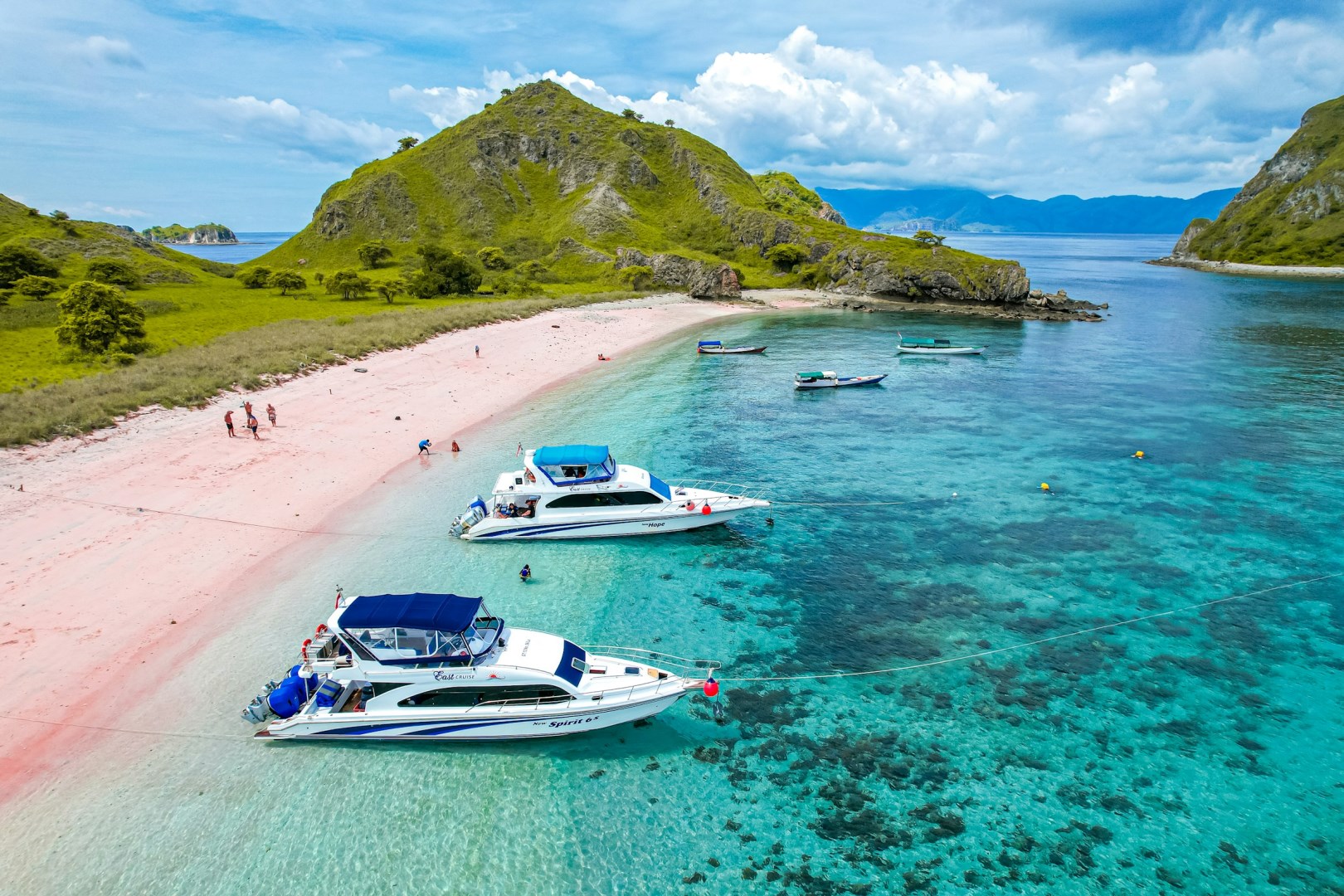
Labuan Bajo
Labuan Bajo is a coastal town on the western tip of Flores in East Nusa Tenggara, facing the waters between Flores and Sumbawa. It serves as the main gateway to Komodo National Park and is also a center for travel across western Flores. The town sits beside a sheltered harbor surrounded by small islands, dry hills, and coastal landscapes.
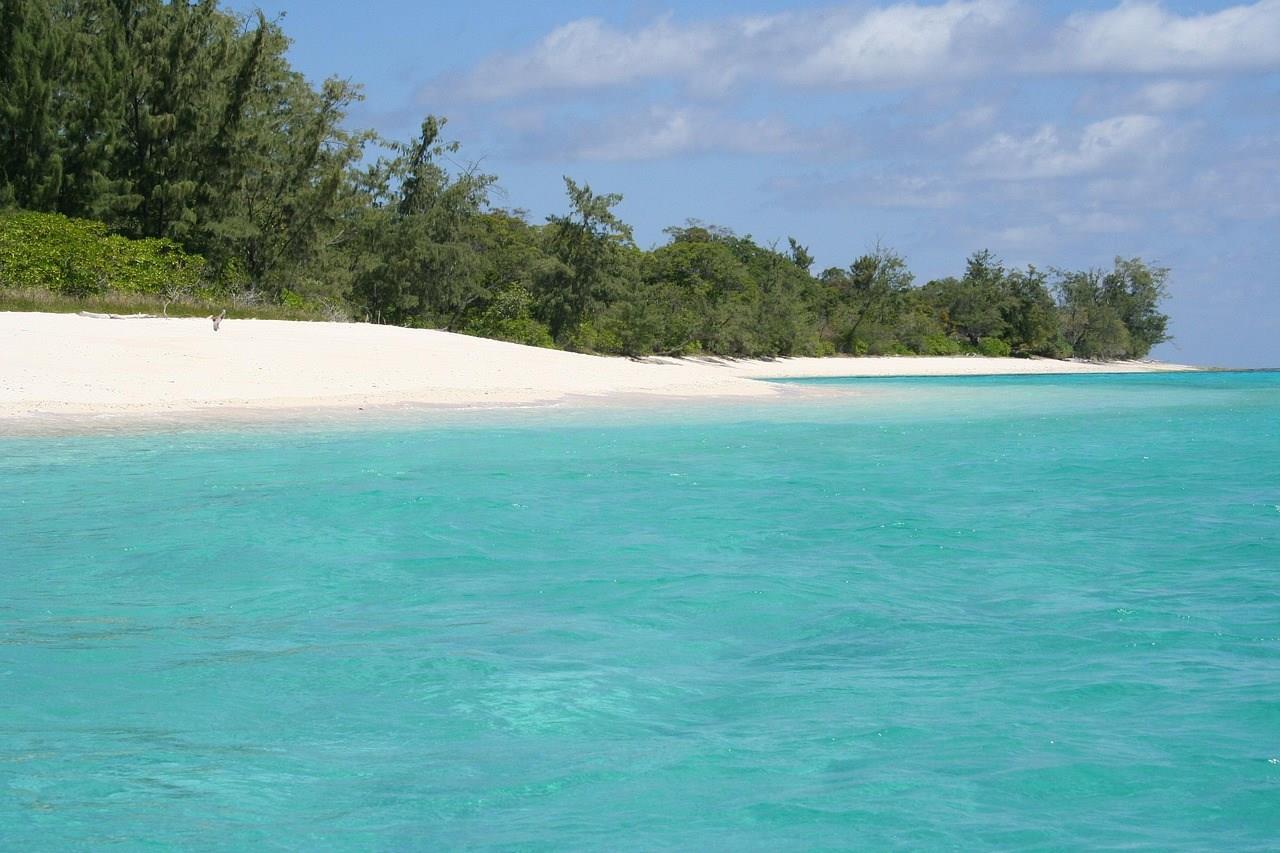
Timor-Leste
Timor-Leste, one of the world’s youngest nations, is a place where resilience and cultural richness shape everyday life. Its history is deeply marked by centuries of Portuguese colonial rule, followed by Indonesian occupation and a long struggle for independence, achieved in 2002.
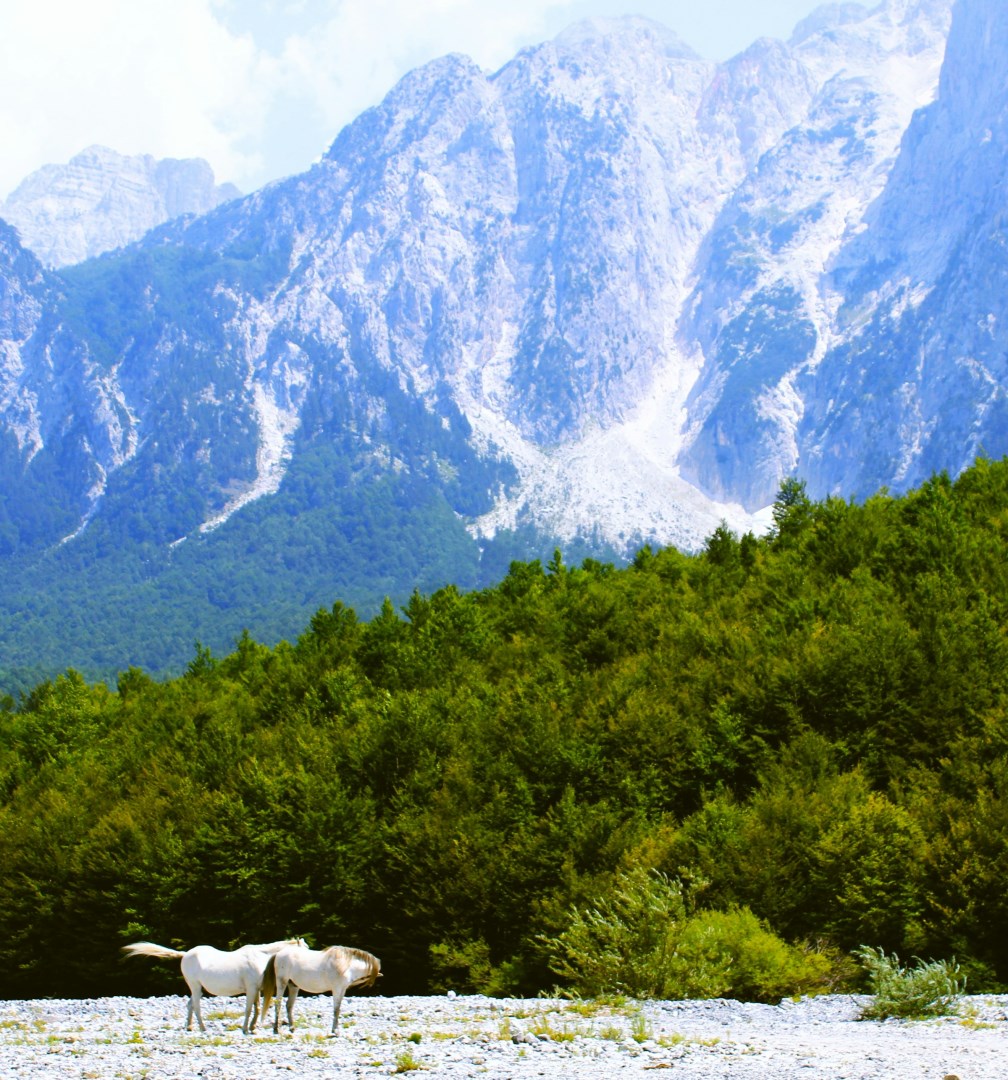
Valbonë
Valbona is a mountain valley in northern Albania, located within the Albanian Alps and surrounded by steep limestone peaks, forested slopes, and open meadows. The valley forms part of Valbona Valley National Park and follows the course of the Valbona River through a long, narrow landscape. Small villages and scattered guesthouses occupy sections of the valley, where traditional stone and wood buildings stand among farms and mountain vegetation.
