

San Giovanni Rotondo
San Giovanni Rotondo, placed on the peak of Gargano, is an ideal place to spend, in spiritual serenity, a healthy vacation, far away from the frenetic daily life.

Whitsunday Island
The Whitsunday Islands sit in the heart of Australia’s Great Barrier Reef, where more than 70 islands rise from wide blue seas and offer an invitation to explore. Whitsunday Island itself is the largest of this group, known internationally for its ribbon of white silica sand stretching over seven kilometers at Whitehaven Beach. This sand feels cool underfoot even in warm sunshine because it’s made of nearly pure silica carried there by ancient ocean currents.
Dingboche
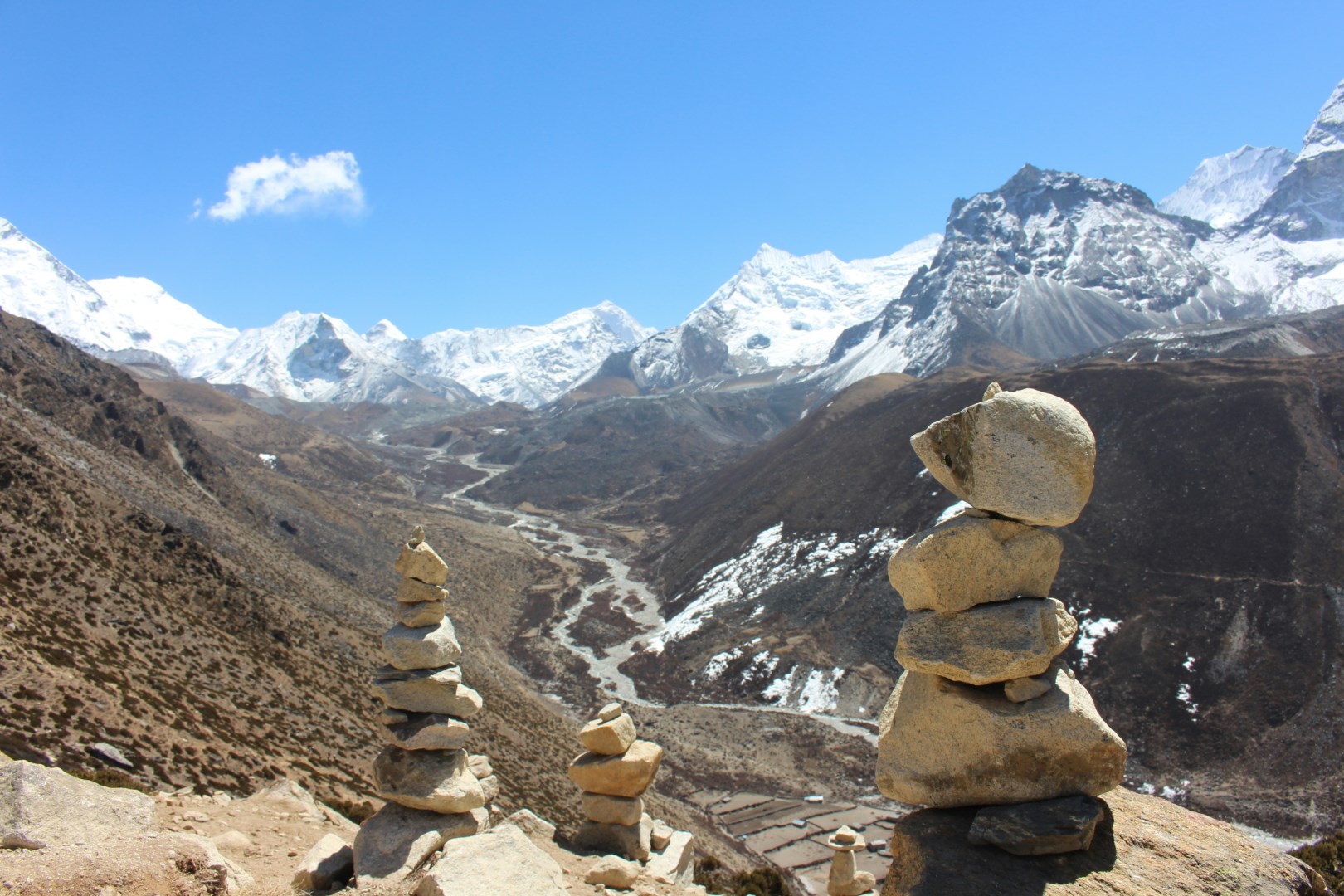
Set in a wide valley beneath towering Himalayan peaks, Dingboche offers a striking pause along the route toward Mount Everest. Unlike the narrower trails below, Dingboche opens into a broad landscape framed by snow-covered giants such as Ama Dablam and Lhotse. The village sits high above the tree line, where the air feels thin and clear, and the surrounding terrain shifts from forested slopes to open alpine ground.
Cefalù
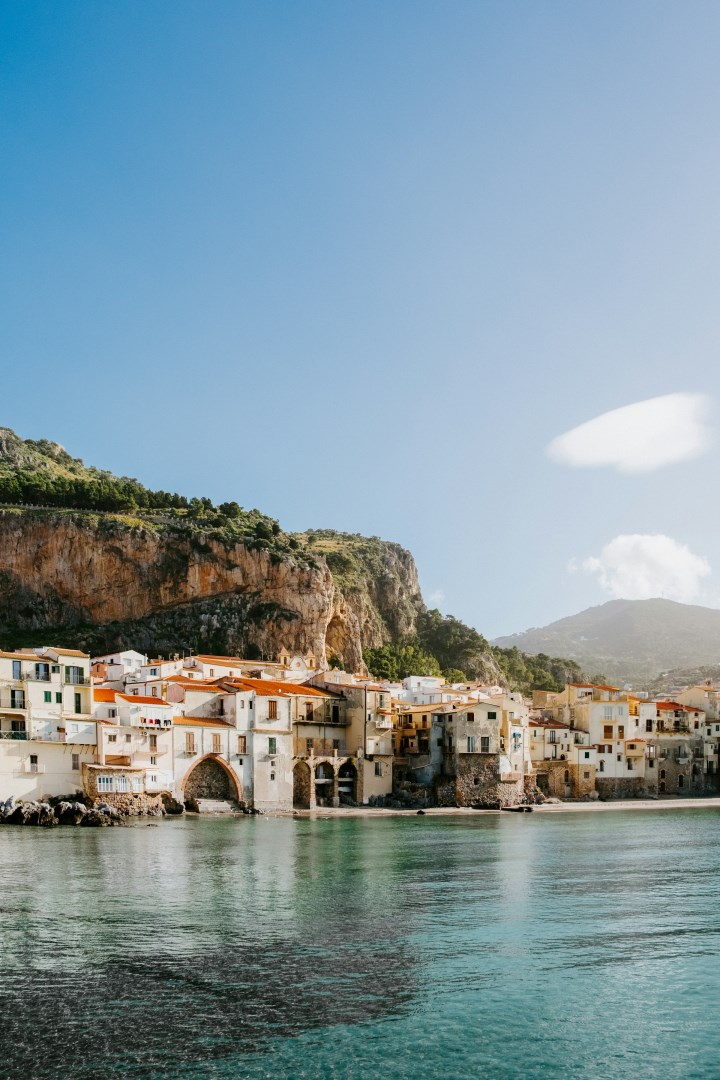
Cefalù is a coastal town on Sicily’s northern shore, set between the Tyrrhenian Sea and the steep slopes of La Rocca, the large limestone outcrop that rises directly behind the historic center. Its old town is arranged around narrow stone streets leading toward Piazza Duomo, while a sandy beach stretches beside the settlement below the town walls. The combination of a compact historic core, prominent mountain, and seafront gives Cefalù a distinctive physical setting.
Podgorica
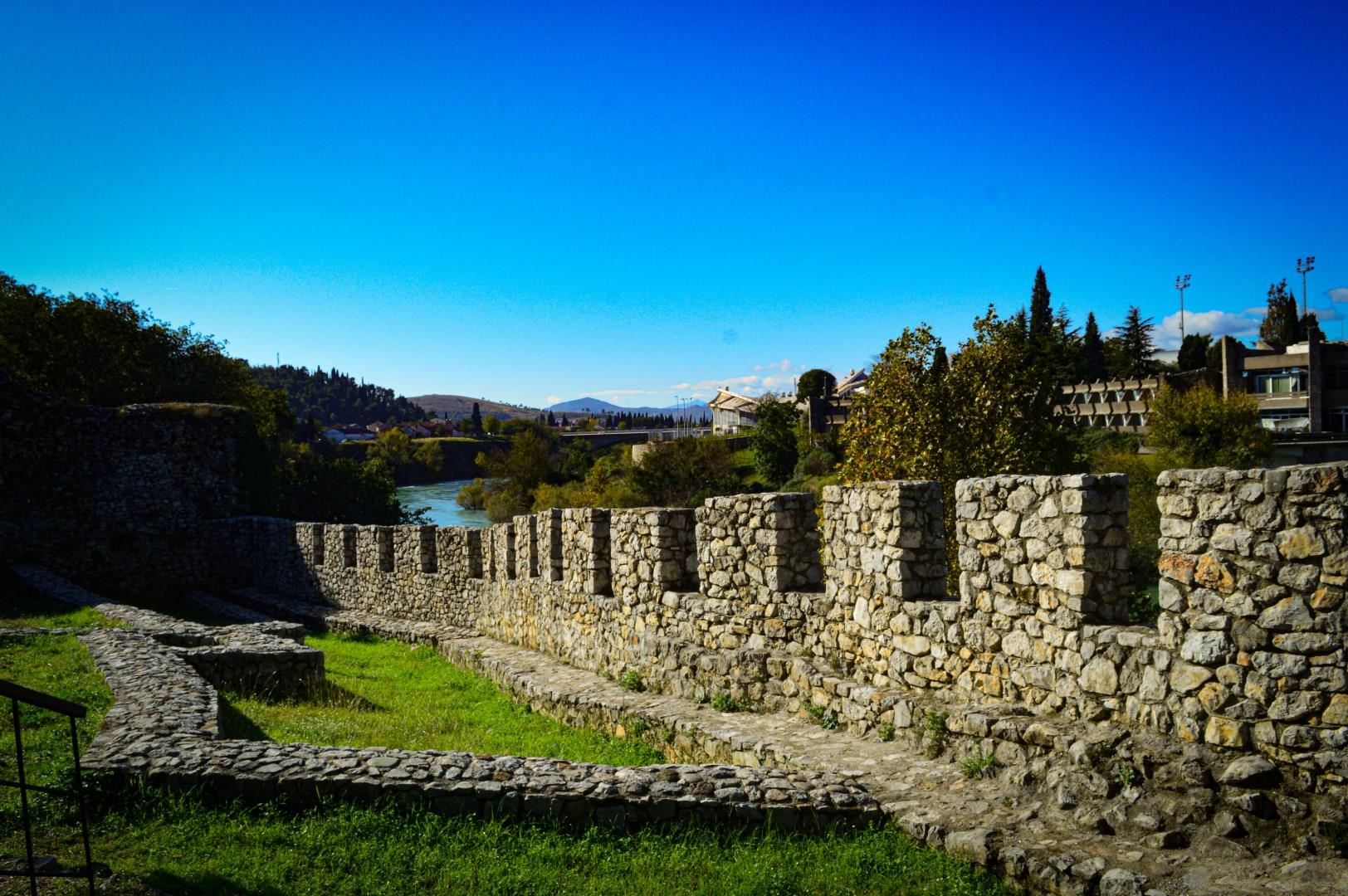
Podgorica, the capital of Montenegro, showcases the country’s contrasting landscapes and deep-rooted history. Although much of the city was rebuilt after World War II, traces of its Roman and Ottoman past still remain. Visitors can explore the ruins of Doclea, a Roman settlement just outside the city, where surviving columns and mosaics give a glimpse into life nearly two millennia ago.
