
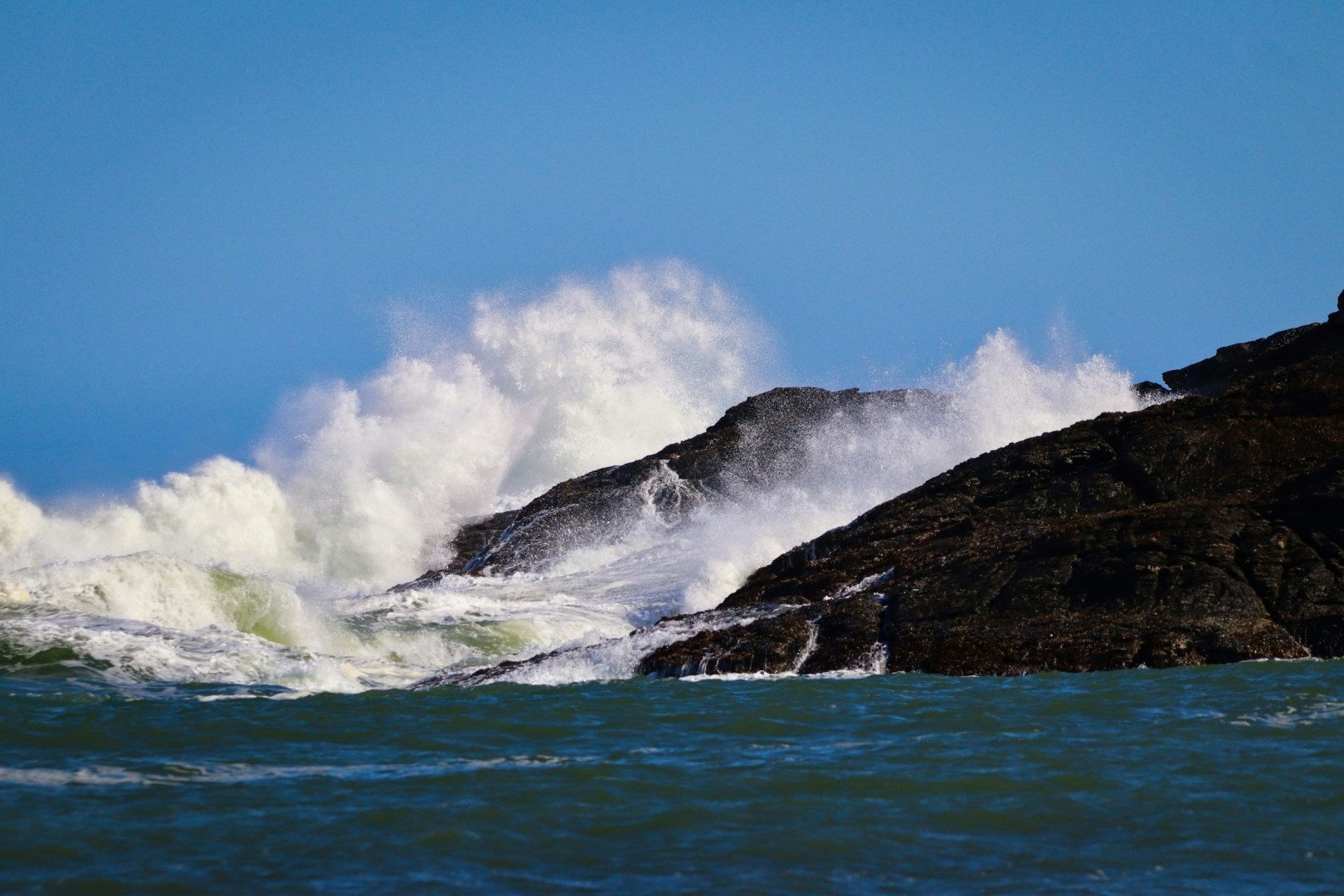
Lüderitz
This coastal town in southwestern Namibia is known for its German colonial buildings, including the art nouveau Goerke Haus, built into the rock face on Diamond Hill. Nearby, Felsenkirche is a hilltop church with panoramic bay views stretching around to Robert Harbor. The Lüderitz Museum has displays about the town’s diamond mining past as well as local and natural history.
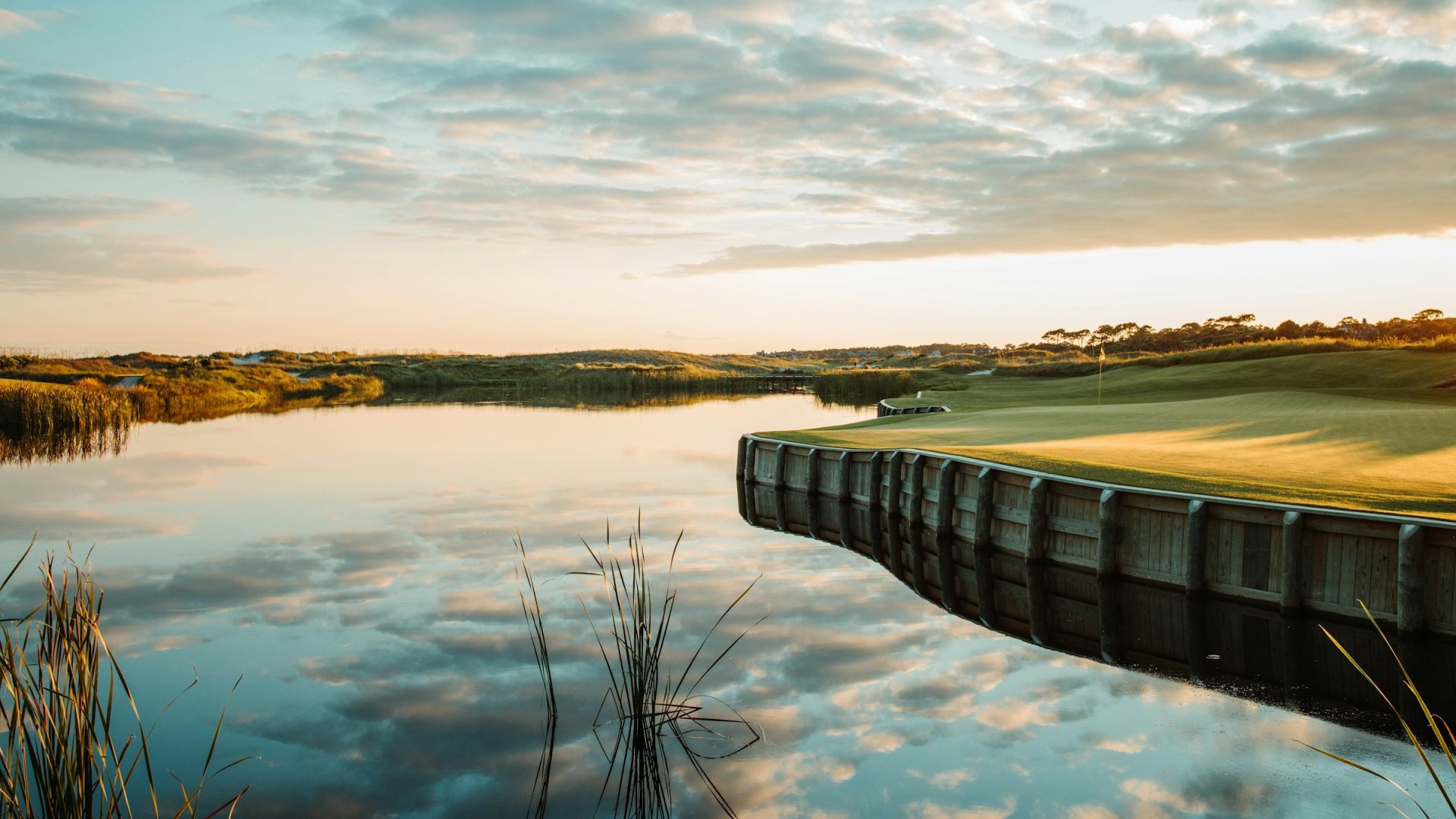
Kiawah Island
Kiawah Island boasts over 10 miles of wide, immaculate, ocean beach. Soothing by day, romantic by night, the beach is complimented by river, meandering lagoons, and pristine marshlands.
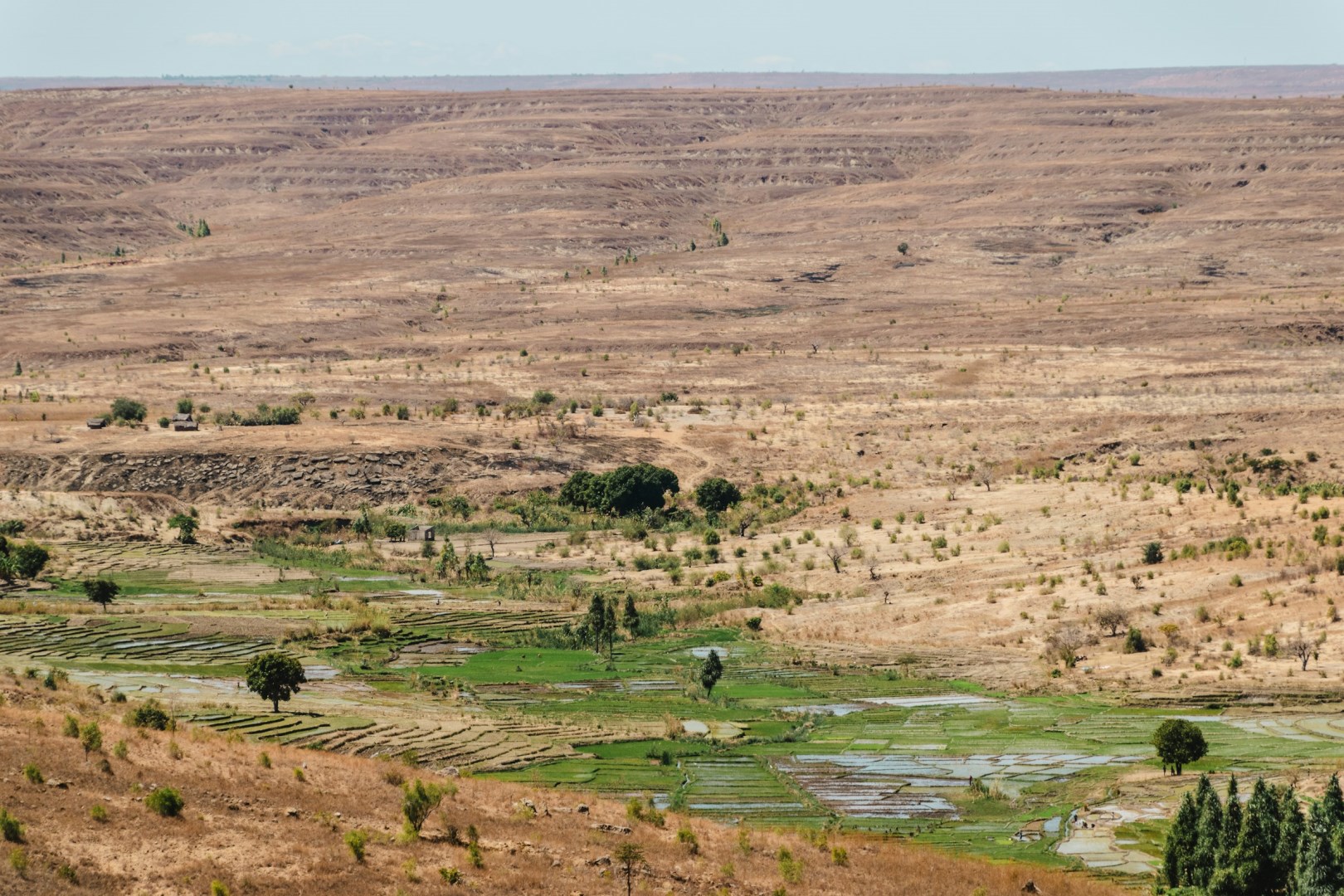
Isalo National Park
Isalo National Park lies in southern Madagascar near the town of Ranohira, protecting about 81,540 hectares of sandstone massifs, deep canyons, grasslands, forests, and rocky plateaus. Its landscape has been shaped by erosion into unusual cliffs, ridges, gorges, and isolated rock formations. The park's semi-arid climate creates strong contrasts between dry open slopes and greener canyon floors, where streams support pockets of vegetation.

Rhode Island
Rhode Island may be the smallest state in the U.S., but it offers an outsized variety of experiences, from colonial history to coastline escapes. Founded in 1636 by Roger Williams as a haven for religious freedom, the state still reflects its independent spirit. In Providence, travelers can visit the John Brown House Museum to explore the city’s role in early American commerce, or walk Benefit Street, lined with preserved 18th- and 19th-century homes.
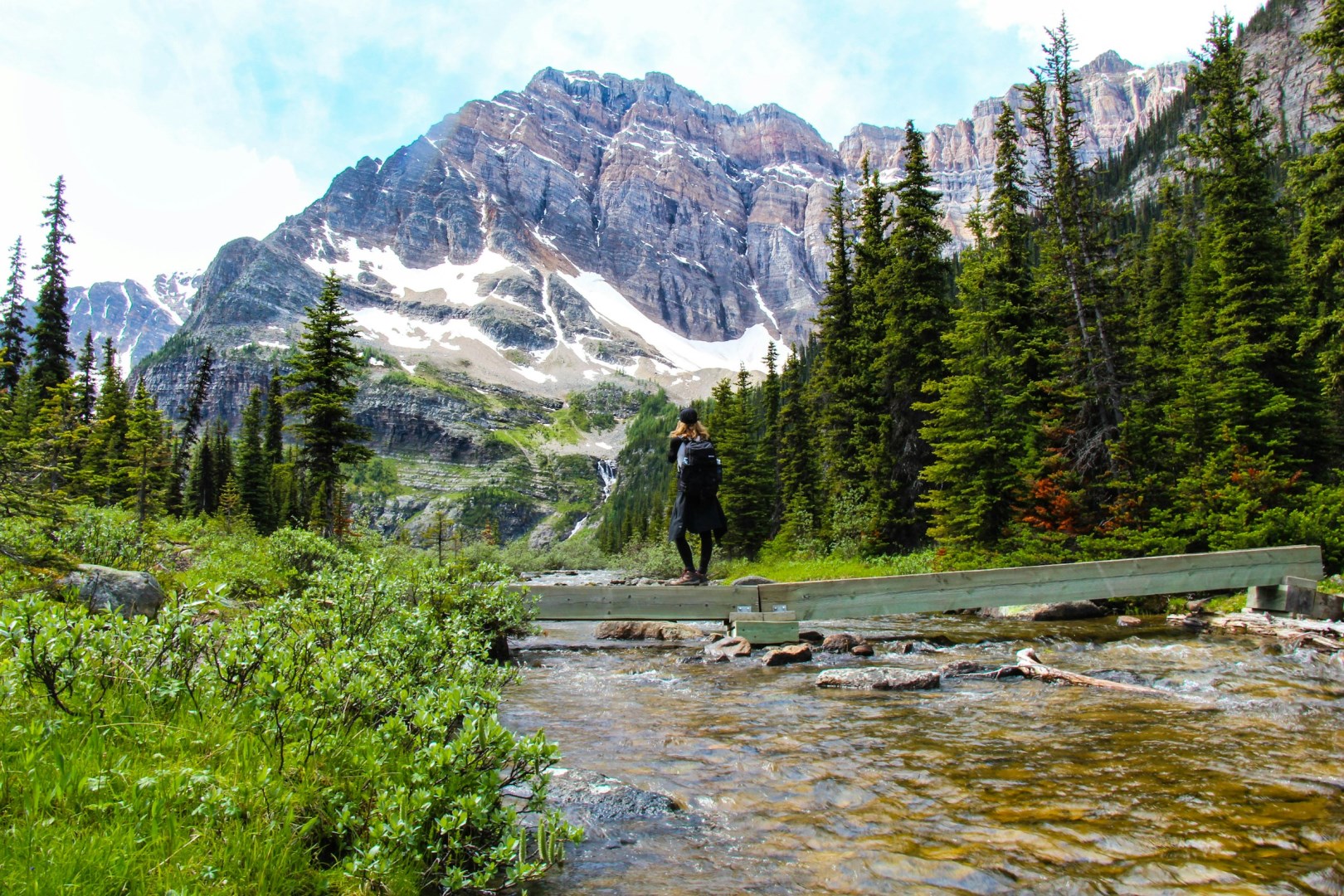
Kootenay National Park
Kootenay National Park occupies 1,406 square kilometres of the Canadian Rockies in southeastern British Columbia, extending from the Continental Divide toward the Columbia Valley. The park is known for its contrasts, with glaciers and alpine terrain giving way to dry grasslands, narrow canyons, and forested valleys. Highway 93 South crosses the park, providing access to many of its landscapes and viewpoints.
