
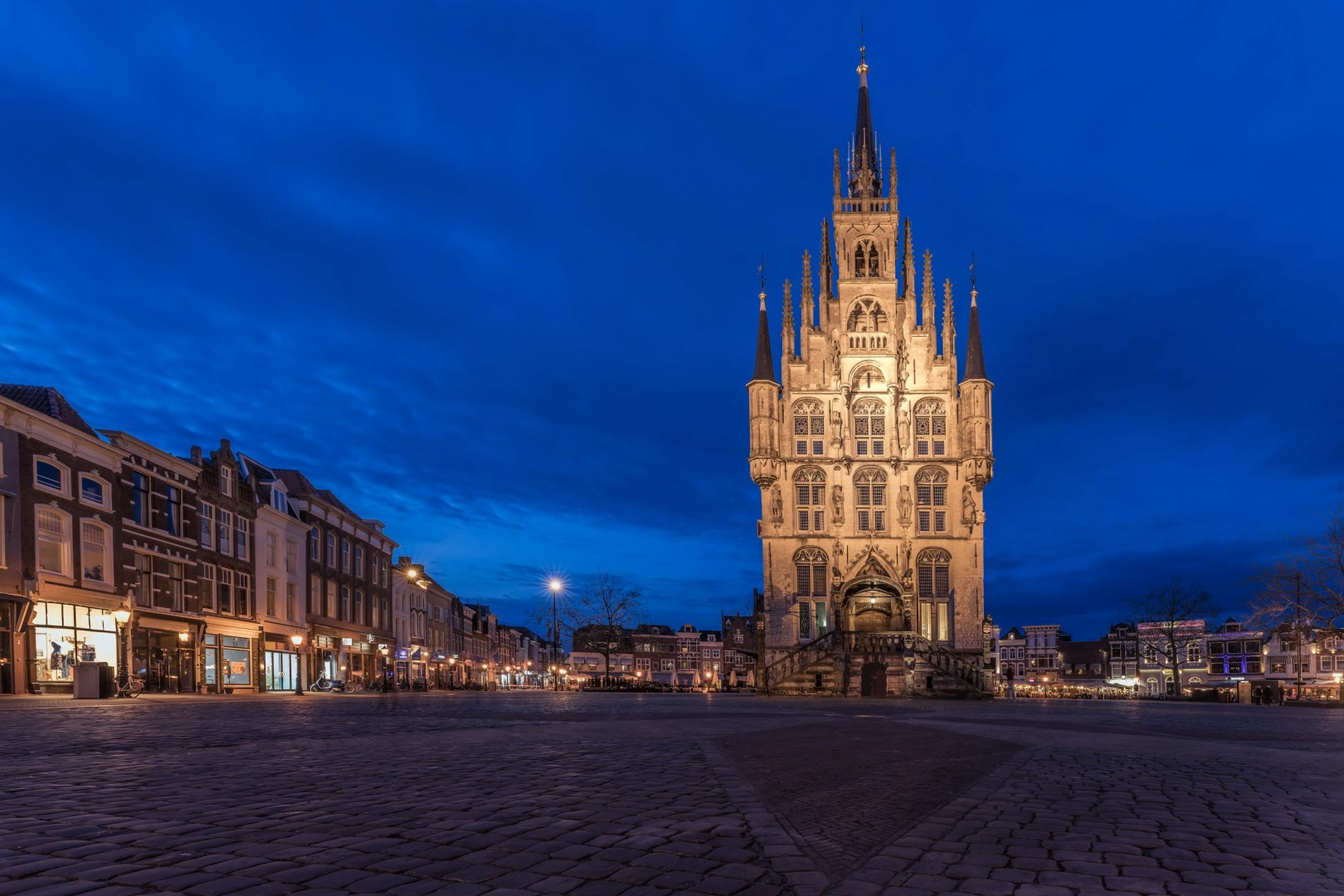
Gouda
Gouda is a historic city in South Holland, situated where the Gouwe and Hollandse IJssel waterways meet. Its compact center is known for canals, brick houses, bridges, and a network of narrow streets surrounding the Markt, one of the Netherlands’ largest historic town squares. The Gothic St. John’s Church dominates the square and is particularly notable for its extensive collection of stained-glass windows.

Wroclaw
Wrocław, a captivating gem in southwestern Poland, enchants visitors with its rich history, vibrant culture, and stunning architecture. The city’s picturesque Old Town is centered around the magnificent Market Square (Rynek), where colorful facades and historic buildings like the Gothic Wrocław Town Hall create a fairy-tale atmosphere.
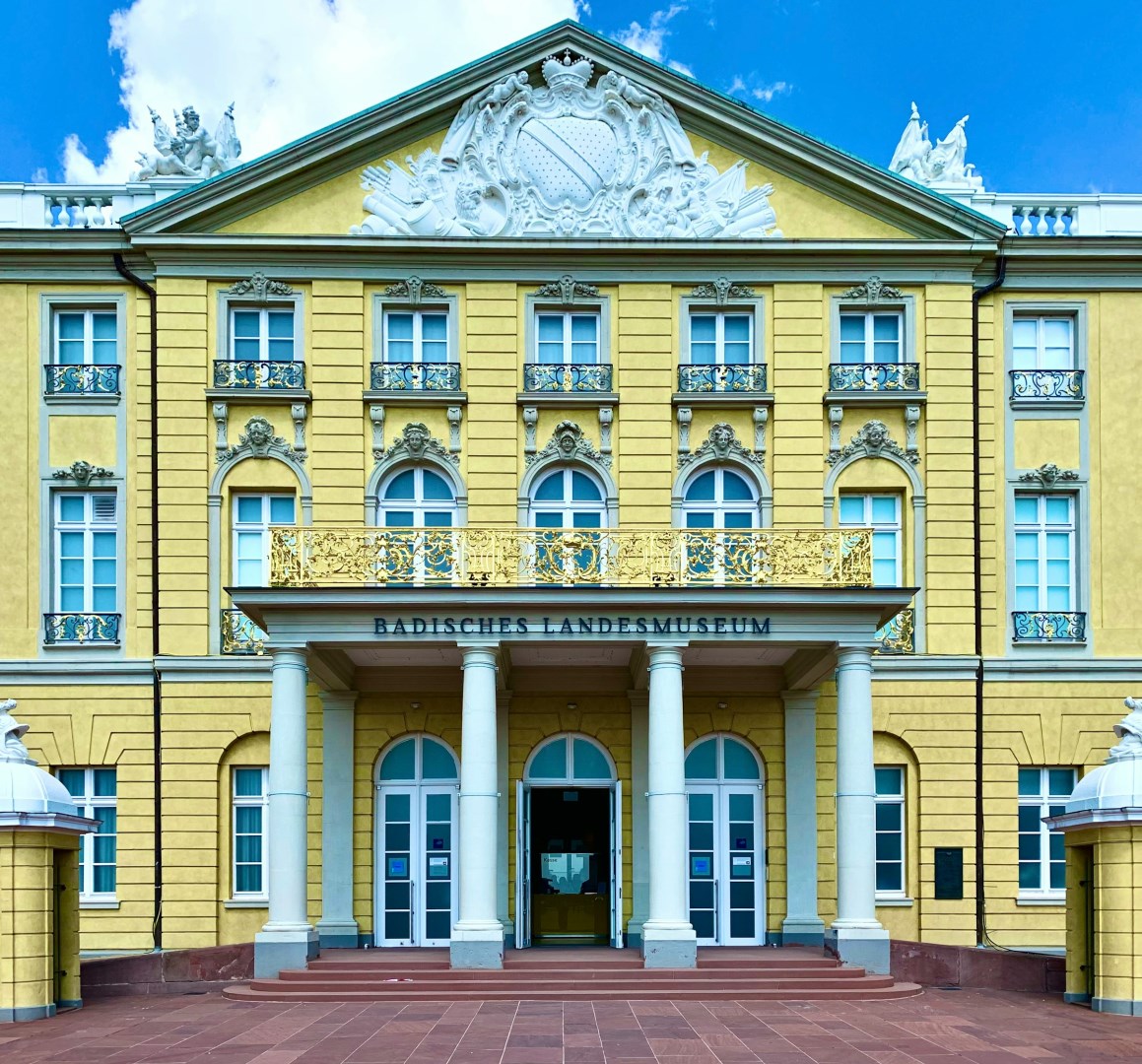
Karlsruhe
Karlsruhe, located in southwestern Germany near the French border, is a city known for its unique radial layout, rich cultural life, and role as a hub for law and technology. Founded in 1715, the city was planned around the iconic Karlsruhe Palace, with streets radiating outward like the spokes of a wheel.
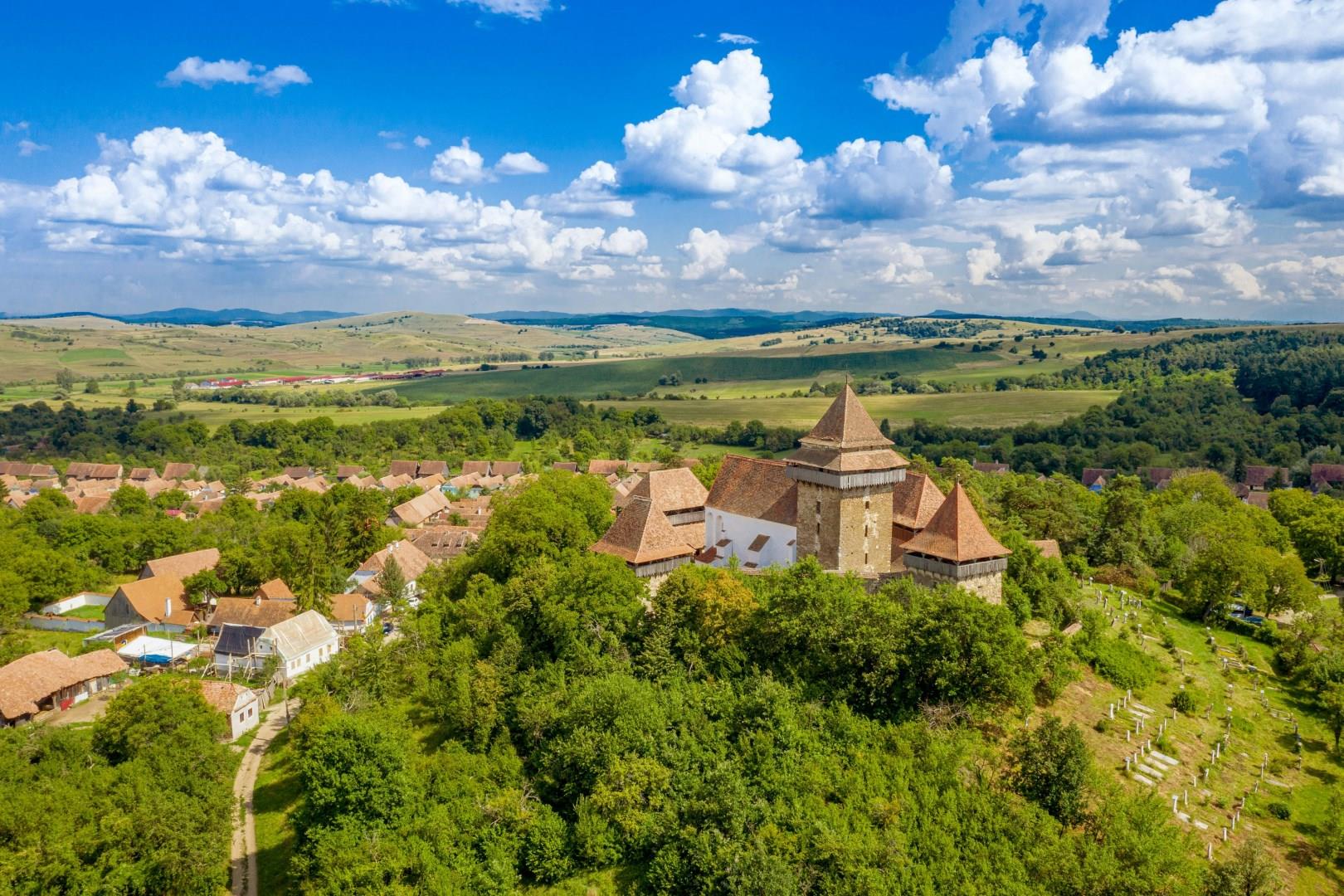
Viscri
Viscri is a small village in Brașov County, Transylvania that feels like a place untouched by time, where centuries-old traditions remain alive in everyday life. Best known for its Saxon fortified church, the church of Viscri is one of the oldest and most impressive buildings in Transylvania, built of white-green limestone and strengthened with two rings of defensive walls added over the 16th and 18th centuries.
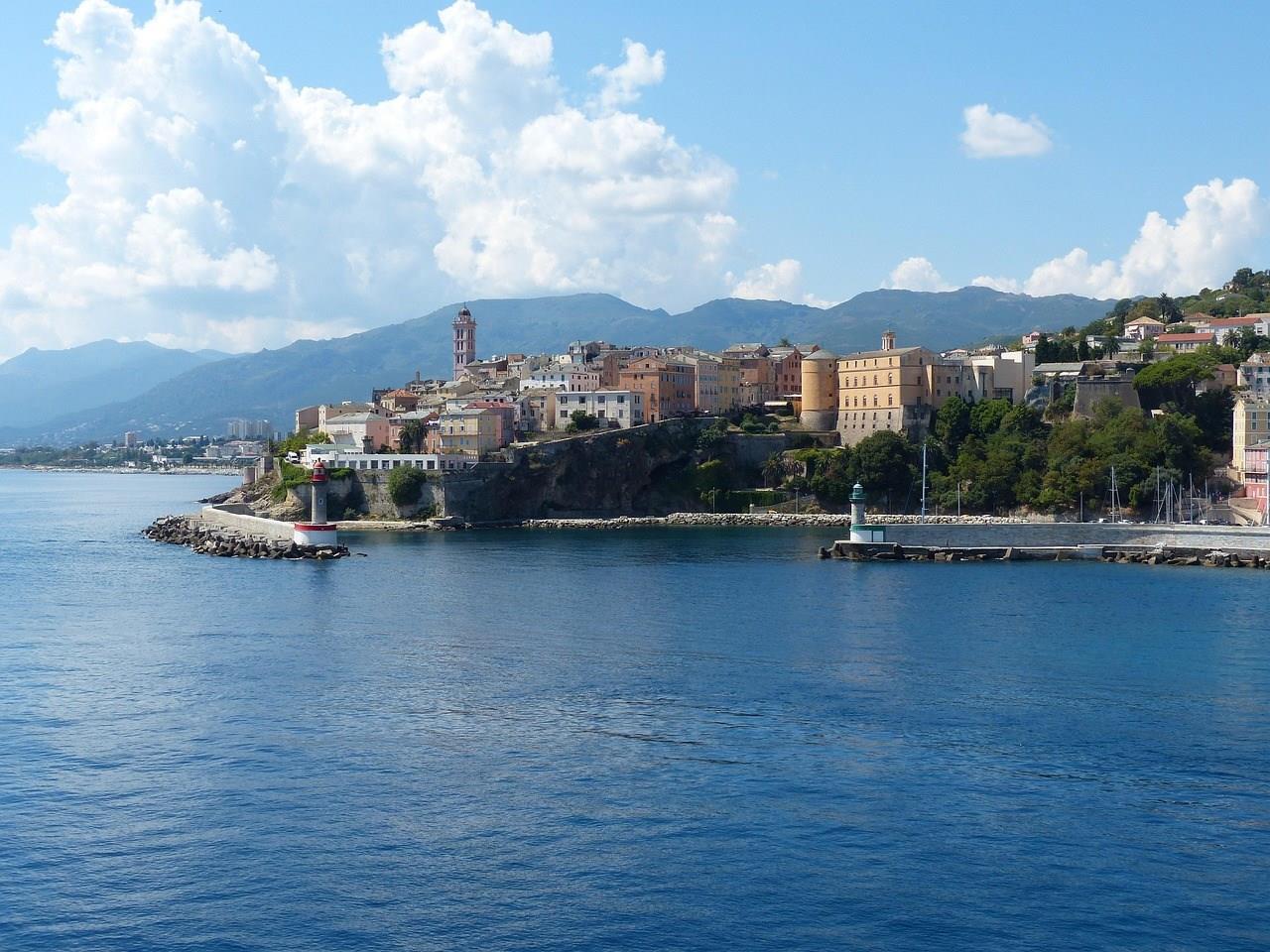
Bastia Corsica
Bastia, located on the northeastern coast of Corsica, is a city where coastal scenery and centuries of history meet at every turn. Overlooking the Tyrrhenian Sea, it serves as the island’s main port and a lively gateway for travelers arriving by ferry. Its old harbor, Vieux Port, is a highlight lined with tall, weathered houses in soft, faded colors, fishing boats bobbing in the water, and waterfront cafés that capture the steady rhythm of local life.
