

North Sea
The North Sea stretches between the coasts of Northern Europe, touching countries like the United Kingdom, Norway, Denmark, Germany, and the Netherlands
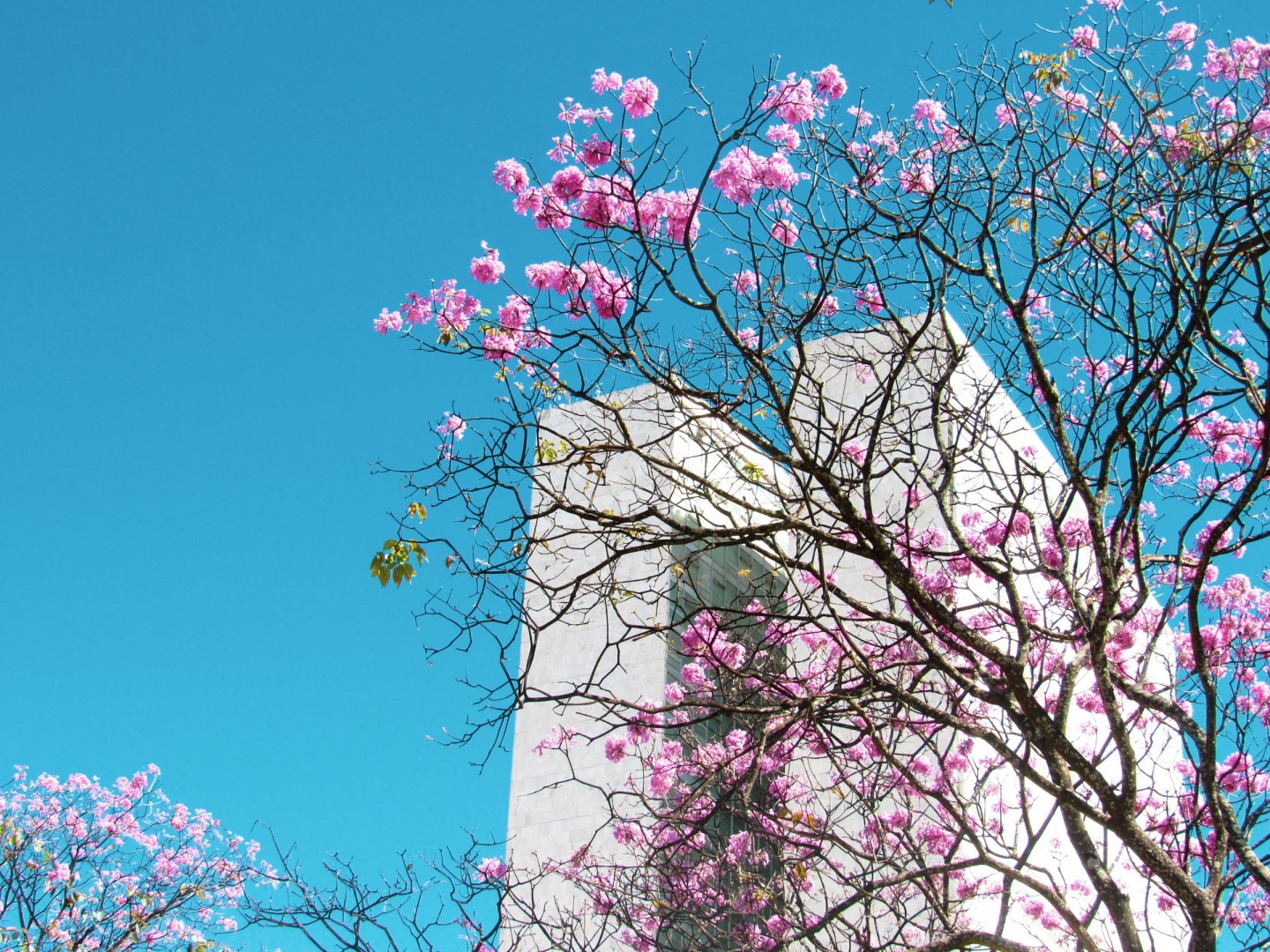
Brasília
Brasília may be a World Heritage Site, but it is only of interest to town planning and architecture students, and those keen to witness the folly of man on a metropolitan scale. It must have looked good on paper, and still looks good in photos, but in the flesh, forget it. Designed by architect Oscar Niemeyer, urban planner Lucio Costa, and landscape architect Burle Marx, the city was built in an incredible three years between 1957 and 1960.

Dominica
Dominica, known as the “Nature Island of the Caribbean,” is a haven for eco-tourists and adventure seekers. Nestled between the French islands of Guadeloupe and Martinique, this lush island boasts a remarkable landscape of volcanic mountains, dense rainforests, and stunning waterfalls. Dominica’s most iconic natural wonder is the Boiling Lake, the second-largest hot spring in the world.

Bangkok
Bangkok, Thailand’s capital, is a city of striking contrasts where gilded temples stand beside sleek skyscrapers and centuries-old traditions thrive amid modern life. At its heart is the Grand Palace, a dazzling complex that once housed the Thai kings, along with Wat Phra Kaew, the revered Temple of the Emerald Buddha.
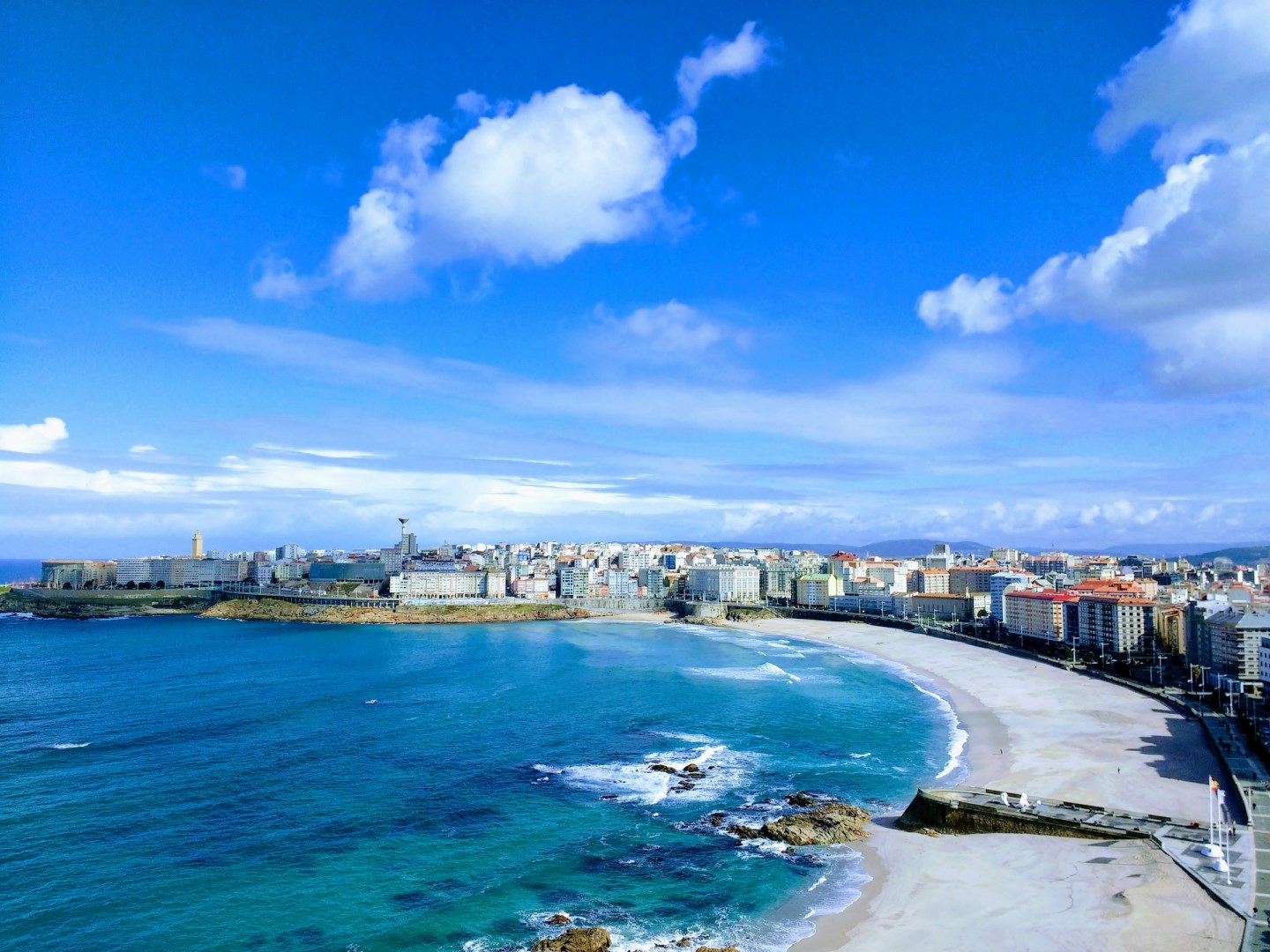
A Coruna
Perched on the northern coast of Spain, A Coruña (or La Coruña) is a captivating city with a rich maritime heritage and scenic beauty. Dominated by its iconic lighthouse, the Torre de Hércules, which is the oldest functioning lighthouse in the world, A Coruña offers a unique glimpse into ancient engineering.
