
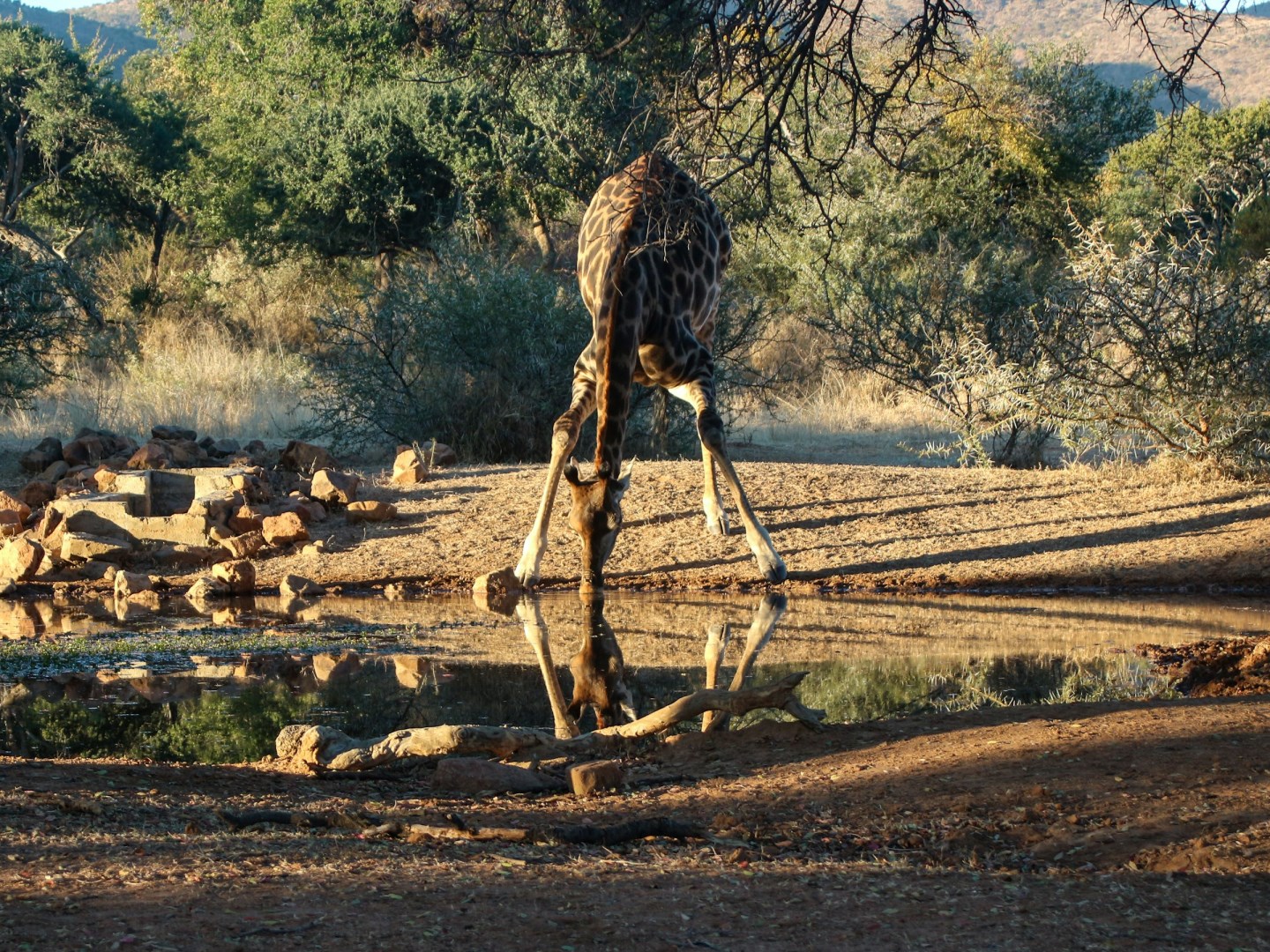
Limpopo
Limpopo is South Africa’s northernmost province, sharing international borders with Botswana, Zimbabwe, and Mozambique. Its landscape ranges from the bushveld and baobab-studded plains of the north to the Soutpansberg Mountains, escarpment forests, and fertile valleys of the south. The province is strongly associated with wildlife, with large protected areas forming part of the Greater Kruger ecosystem.
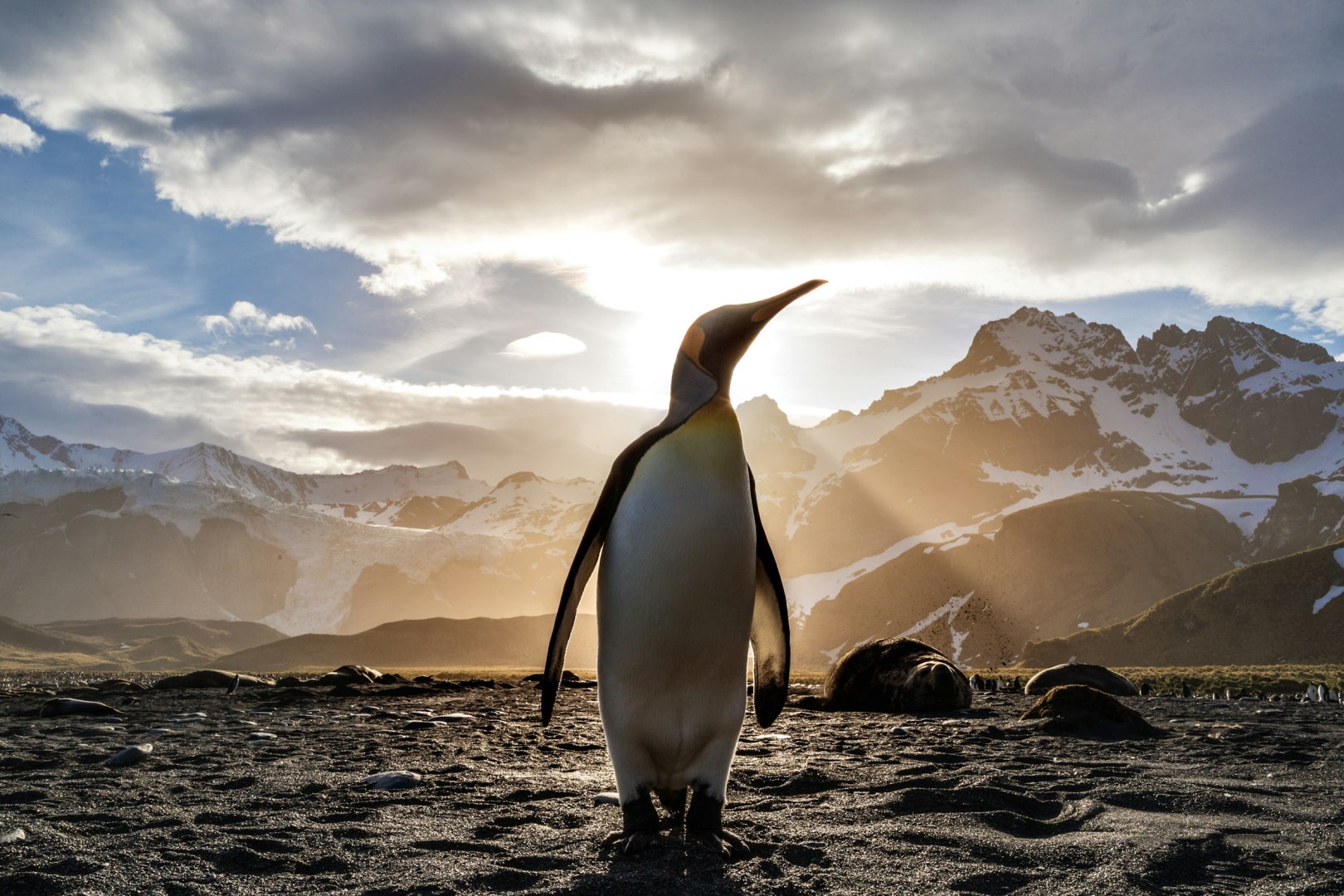
South Georgia
Remote, windswept, and bursting with wildlife, South Georgia is a sub-Antarctic island that surprises nearly everyone who steps ashore. Though uninhabited by civilians, the island hosts a small British research station and welcomes visitors via expedition cruises. What draws people here is not luxury or convenience, but the scale of its wildness.
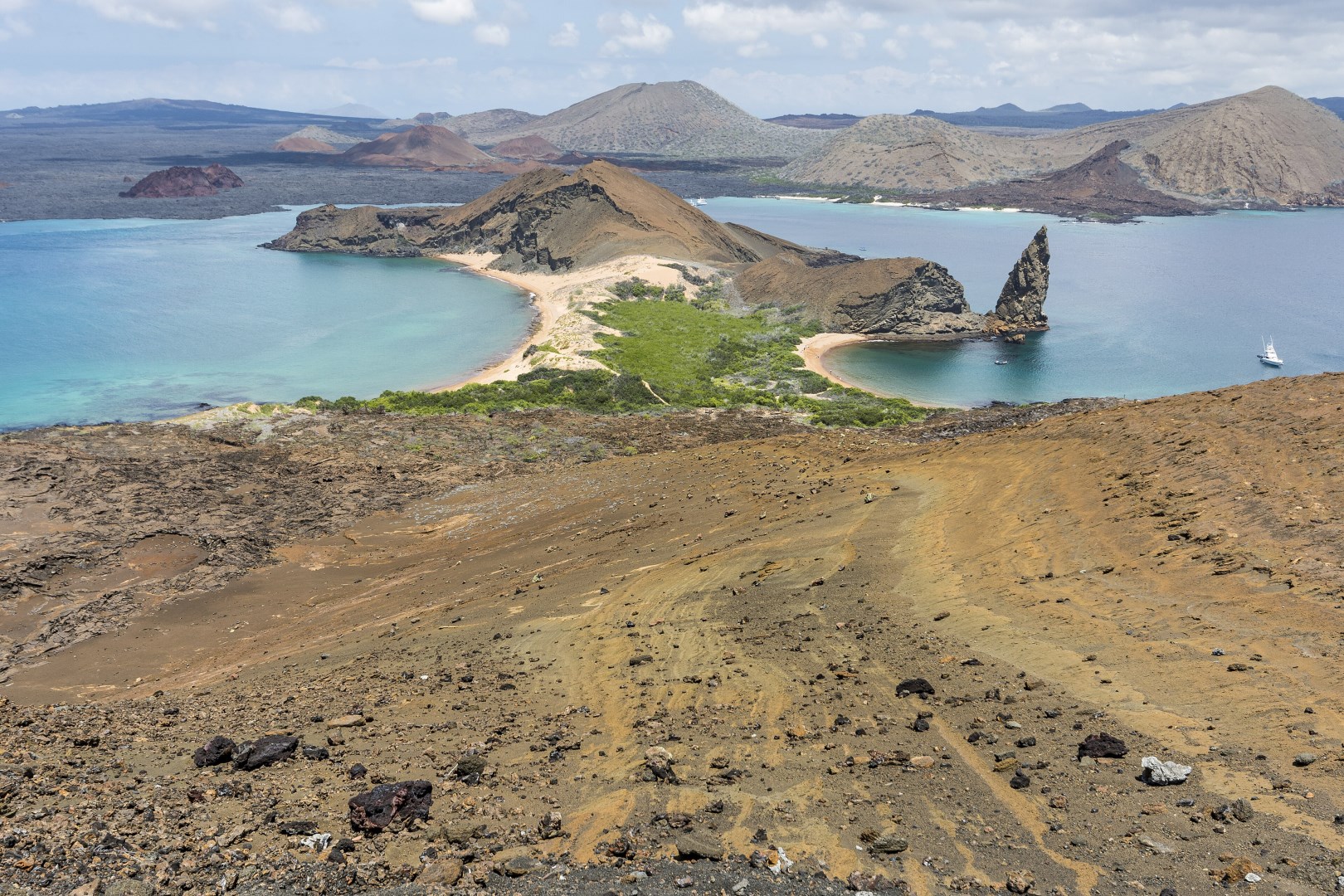
Bartolomé Island
Bartolomé Island, one of the most iconic destinations in the Galápagos archipelago, is known for its dramatic volcanic landscape and the postcard-perfect view from its summit. Just off the east coast of Santiago Island, this uninhabited islet draws visitors for its unique terrain with lava flows, spatter cones, and a rust-colored cinder cone that rises sharply above the sea.
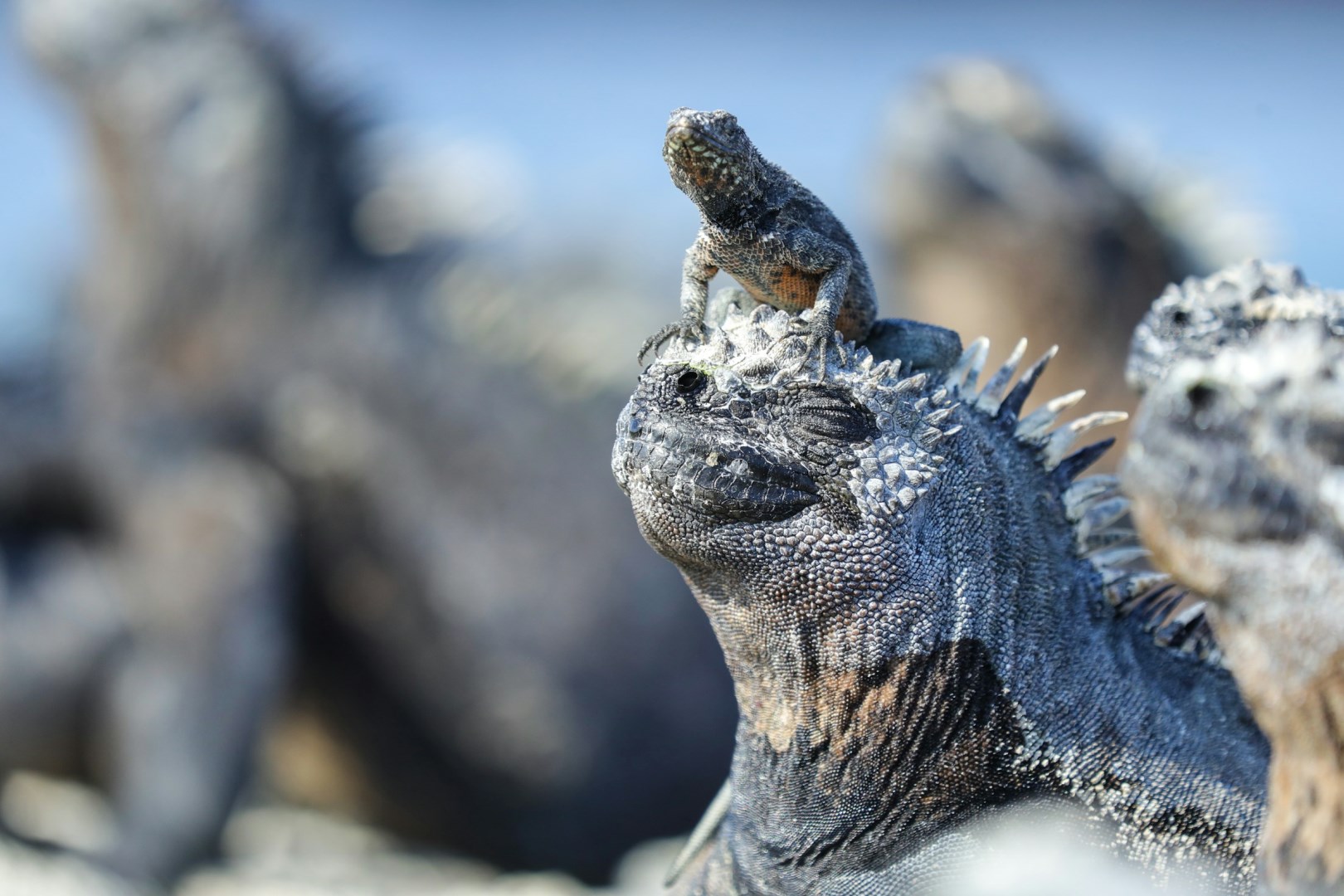
Santa Fé Island
Santa Fe Island, formerly known as Barrington Island, is one of the smaller of the Galapagos islands. Although relatively small and unpopulated, the island is a great day-trip option for visitors to the area.
Kenai Peninsula
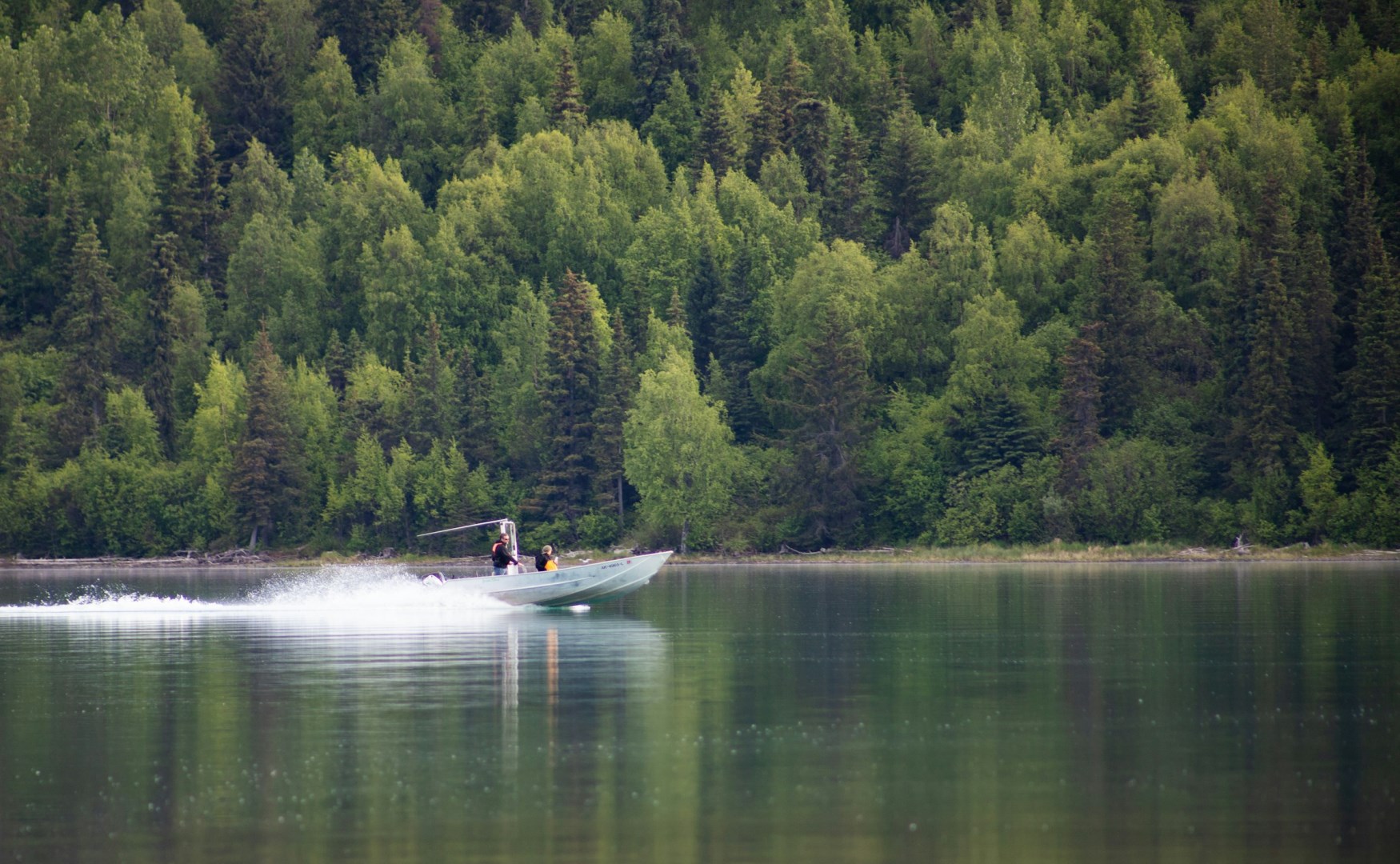
The Kenai Peninsula extends southwest from Anchorage into the Gulf of Alaska and is one of south-central Alaska’s most varied regions. Its landscape includes the Kenai Mountains, coastal forests, glaciers, broad river valleys, lakes, and a long shoreline along both Cook Inlet and the Gulf of Alaska. Communities such as Kenai, Soldotna, Seward, Homer, and Cooper Landing serve different parts of the peninsula, while the Kenai River and numerous smaller waterways connect the interior to the coast.
