
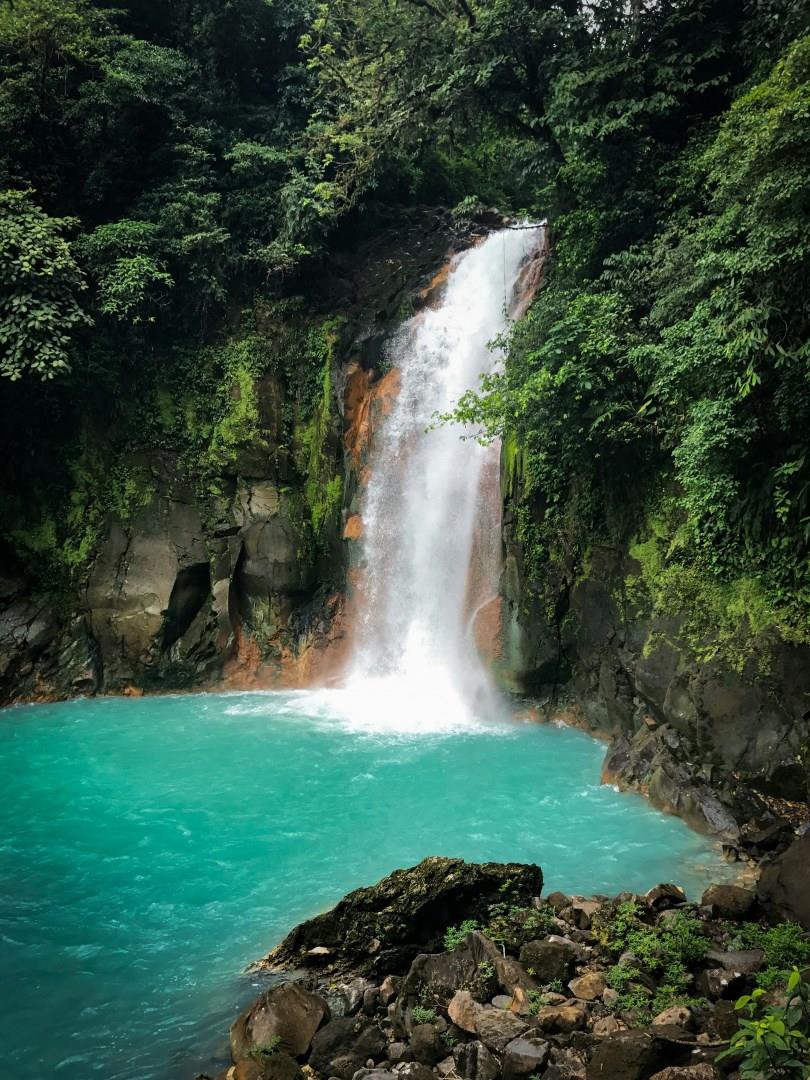
Celeste River
Hidden in the northern region of Costa Rica, the Celeste River (Río Celeste) winds through Tenorio Volcano National Park with a color so vivid it seems unreal. The river’s striking turquoise hue is caused by a natural chemical reaction between two mineral-rich streams, Quebrada Agria and Río Buena Vista, which merge at a point known as "El Teñidero." This one-of-a-kind phenomenon creates the illusion that the water has been dyed blue, even though no pigments are present.
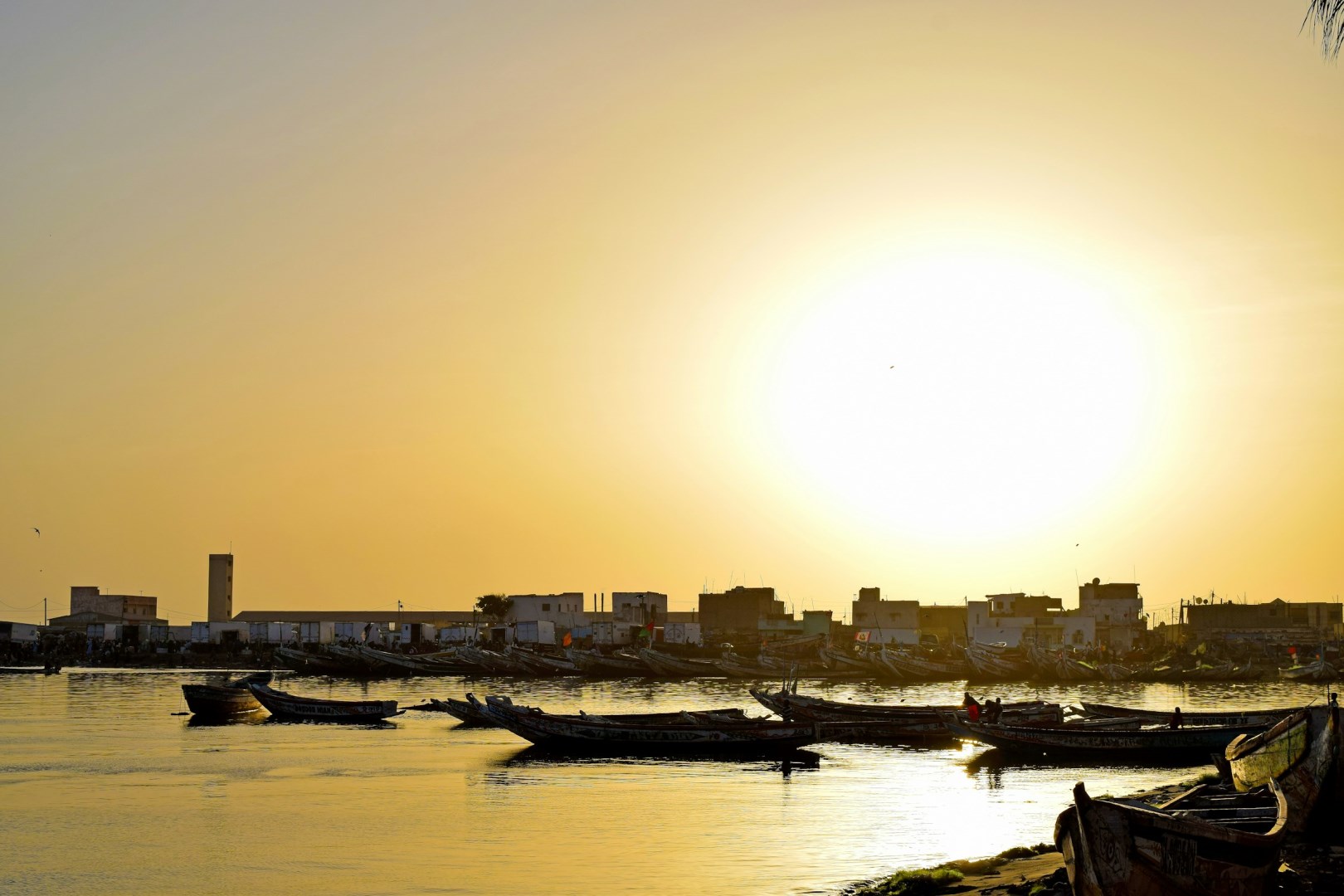
Saint Louis
Saint-Louis is a historic city in northern Senegal, positioned on an island at the mouth of the Senegal River where the river meets the Atlantic Ocean. Its distinctive setting between waterways has shaped the city’s architecture, economy, and daily life. The historic island is recognized as a UNESCO World Heritage Site for its regular street plan, waterfront quays, colonial buildings, and distinctive balconies and galleries.
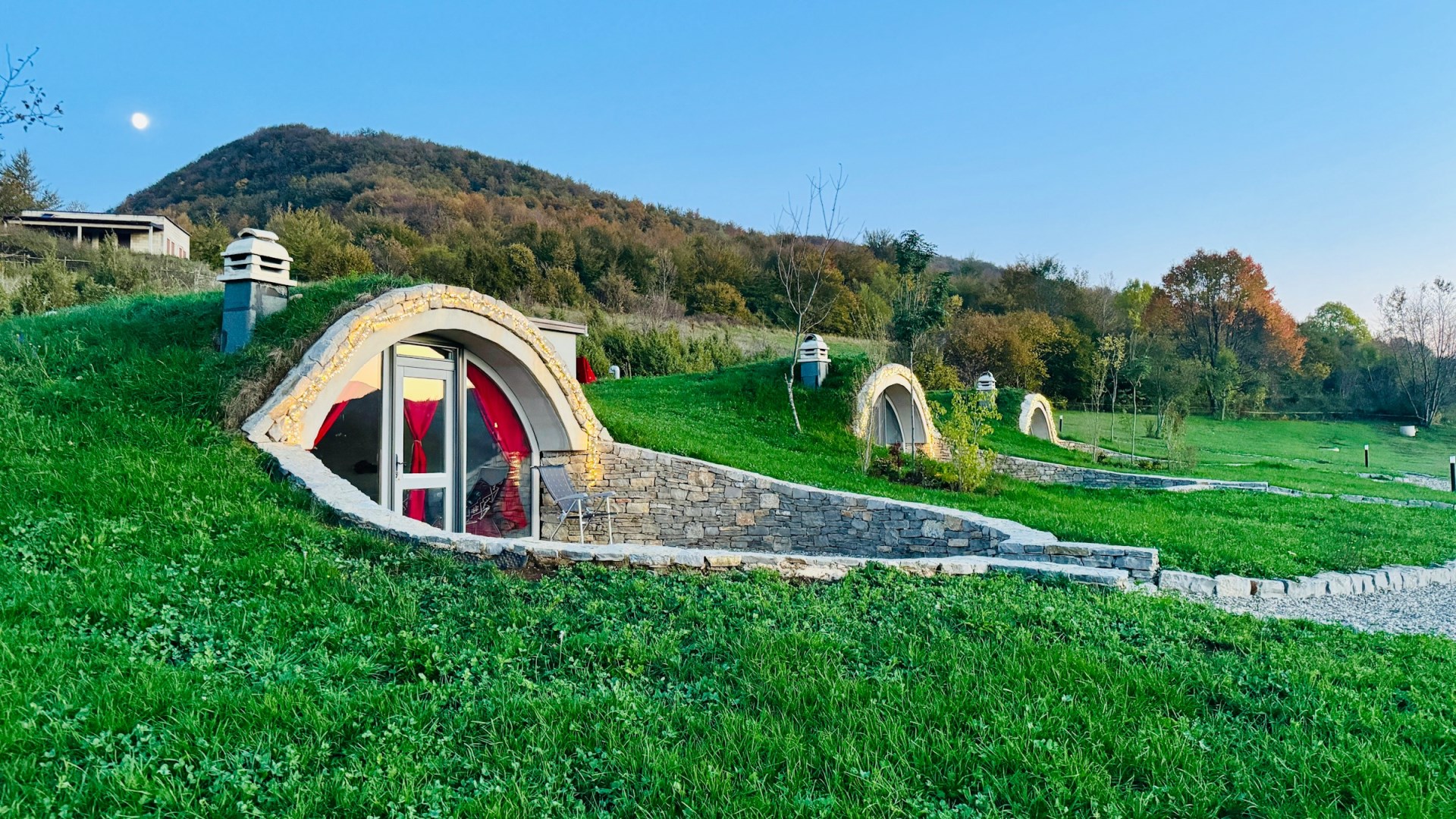
Kosovo
Kosovo, one of Europe’s youngest countries, offers visitors a glimpse into a landscape marked by resilience and rich tradition. The capital, Pristina, blends modern life with historical landmarks such as the Imperial Mosque, built in the 15th century, and the National Library, known for its unique architectural style. Walking through the city, visitors encounter a mix of Ottoman influences alongside vibrant street art and lively cafes.

Queen Elizabeth National Park
Queen Elizabeth National Park, in western Uganda, is one of East Africa’s most diverse and scenic protected areas. Stretching from the Rwenzori Mountains to the shores of Lake Edward, the park encompasses savannah, wetlands, and dense forests, making it a sanctuary for an incredible array of wildlife.
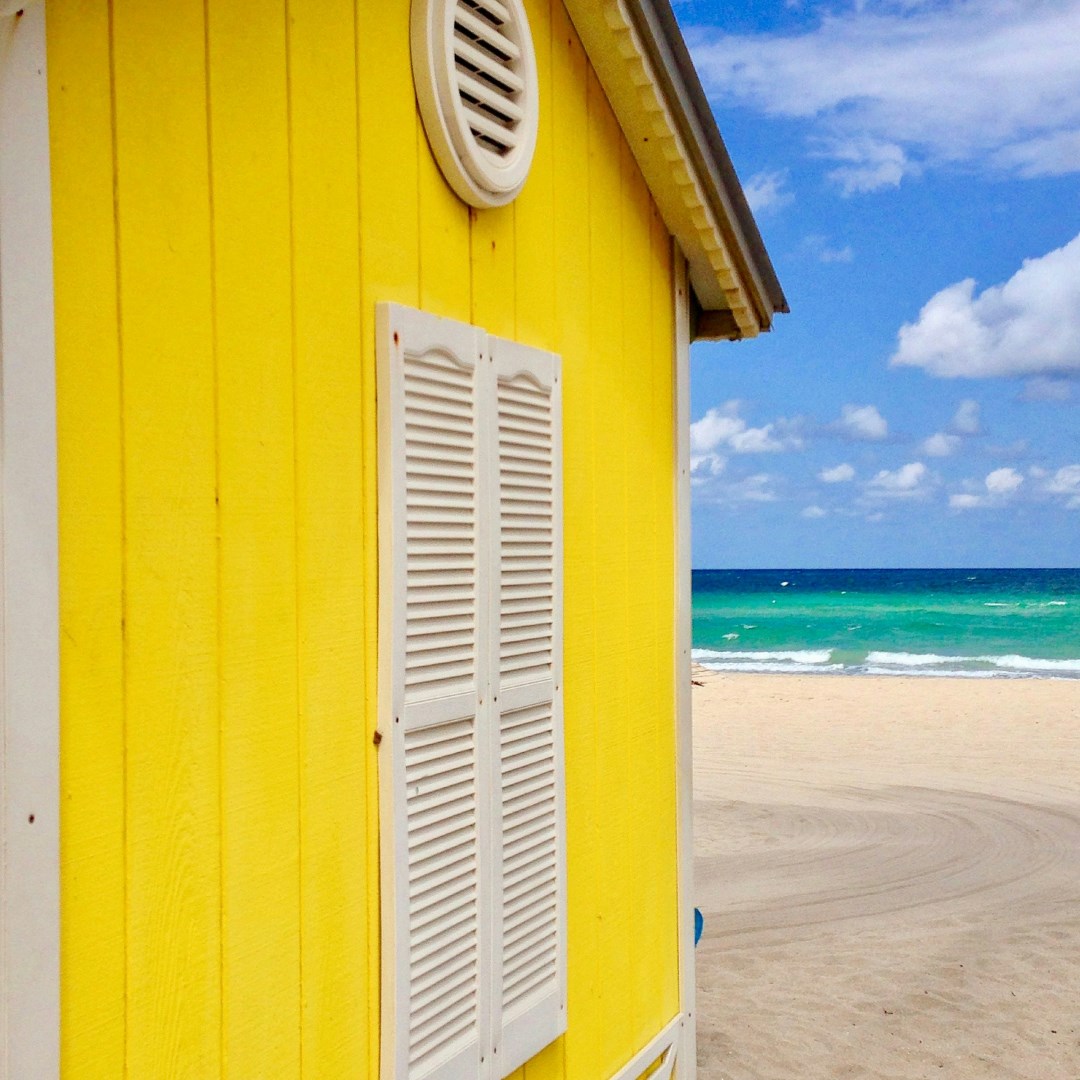
Florida
Florida, the Sunshine State, is a premier destination for travelers seeking a combination of stunning beaches, exciting theme parks, and rich cultural experiences. With over 1,350 miles of coastline, visitors can enjoy pristine stretches of sand along both the Atlantic Ocean and the Gulf of Mexico.
