
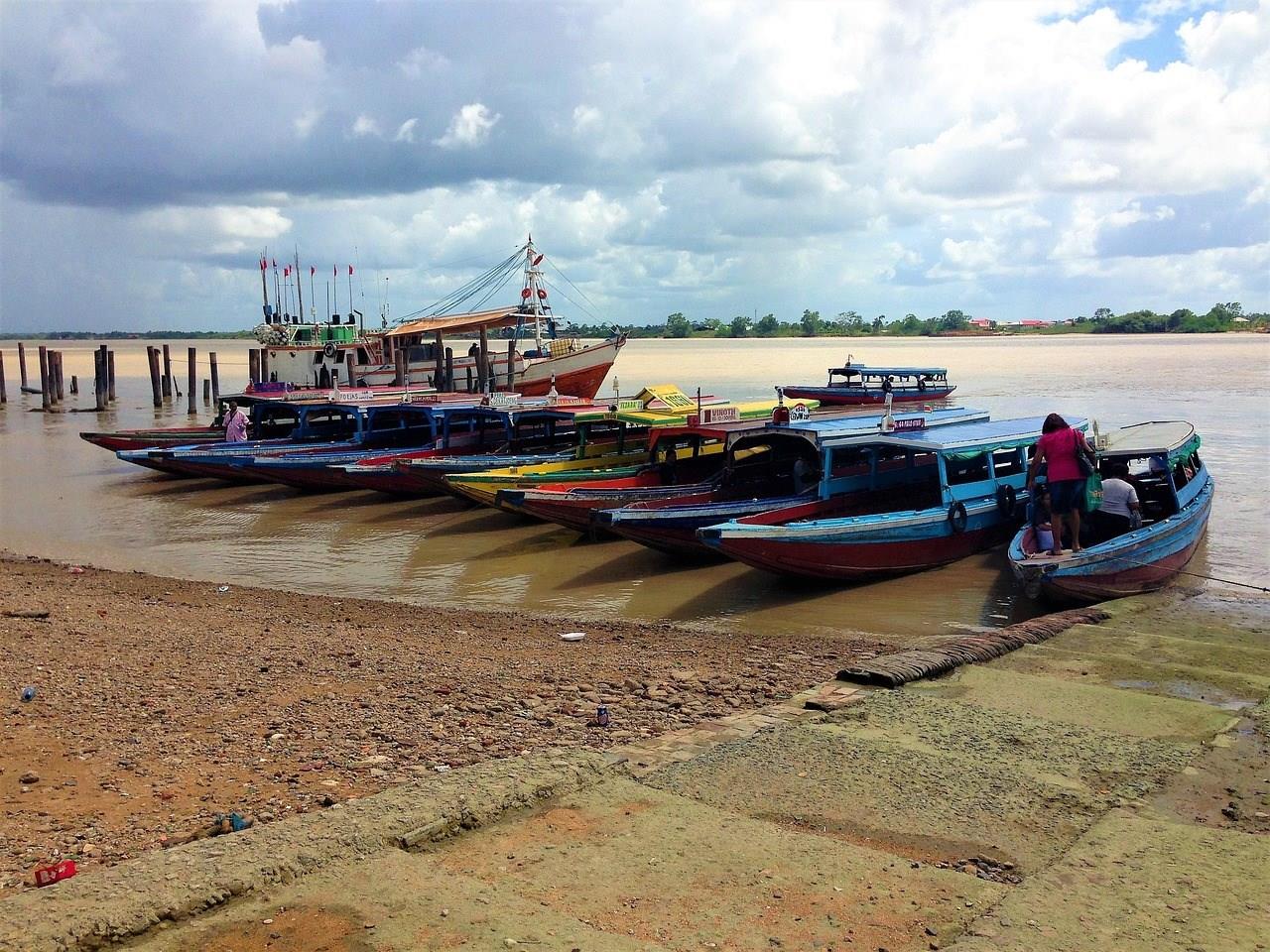
Paramaribo
Paramaribo, Suriname’s capital, unfolds like a living storybook along the Suriname River, where wooden structures from the 17th and 18th centuries still stand today. This historic heart reveals a rare fusion of Dutch design and local craftsmanship. Visitors can stroll the Waterkant, a riverside avenue, and take in landmarks such as Fort Zeelandia, the neoclassical Reformed Church, and the lofty wooden Cathedral of St. Peter and Paul.
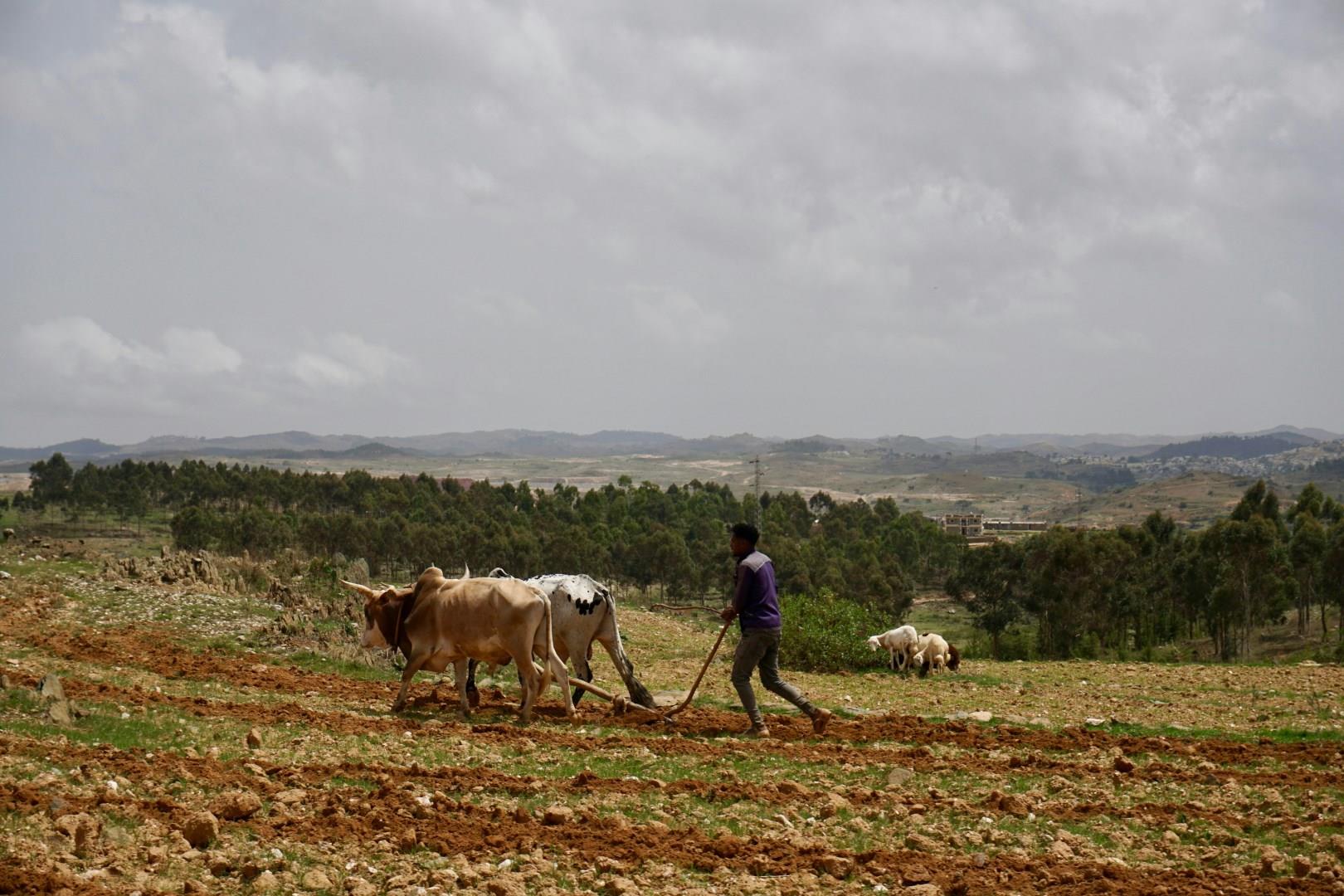
Asmara
Asmara, the capital of Eritrea, is a city where time seems to have paused in the mid-20th century. Known for its remarkably preserved Italian modernist architecture, the city has earned recognition as a UNESCO World Heritage Site.
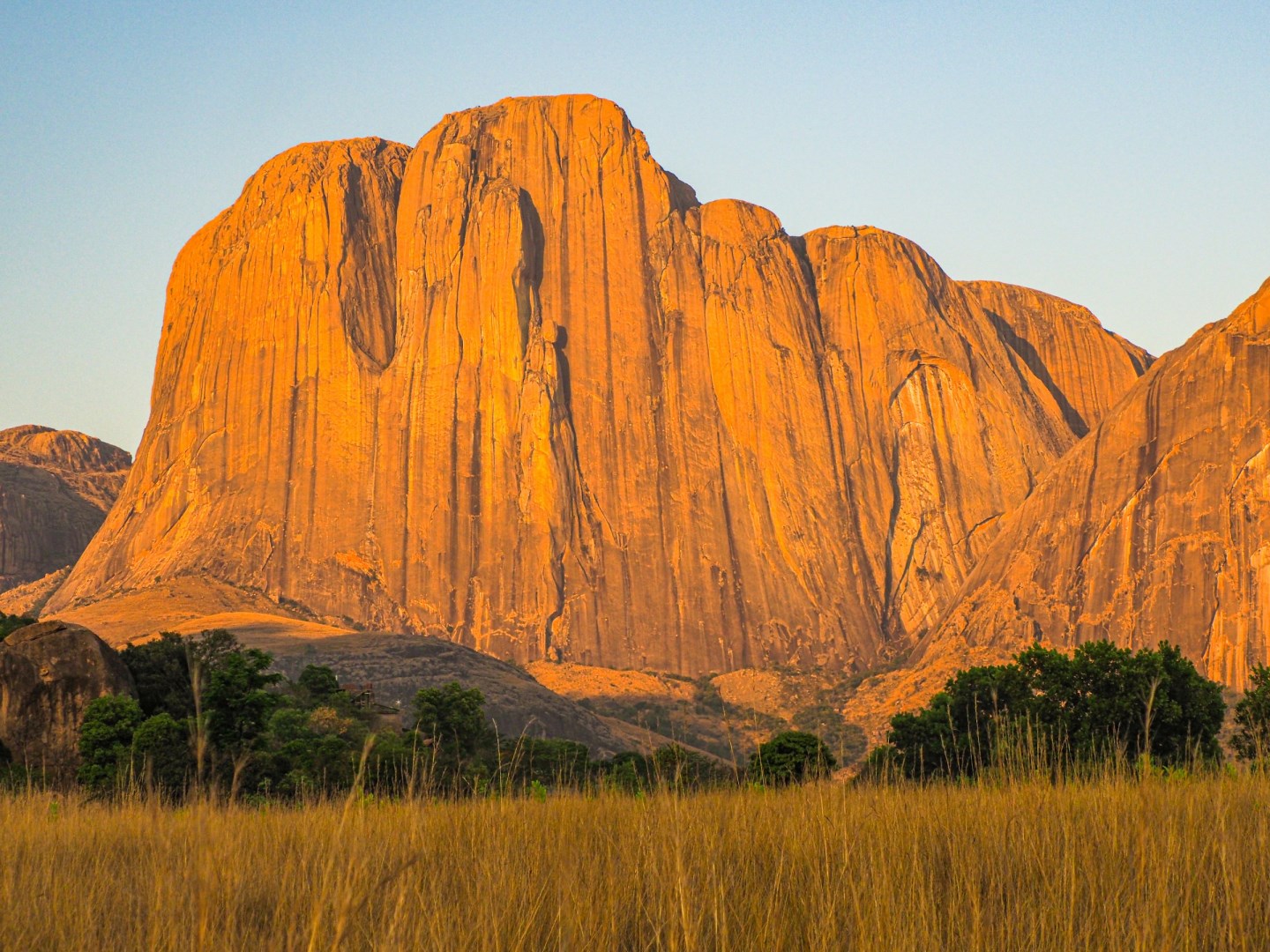
Andringitra National Park
Andringitra National Park lies in southeastern Madagascar across the regions of Haute Matsiatra and Ihorombe, protecting about 31,160 hectares of mountains, valleys, forests, and high-altitude grasslands. The park is part of the Andringitra Massif, where granite ridges and steep cliffs rise above deep valleys. Its elevation creates several distinct environments, ranging from humid forest to exposed mountain vegetation. The park is also part of the UNESCO-listed Rainforests of the Atsinanana.
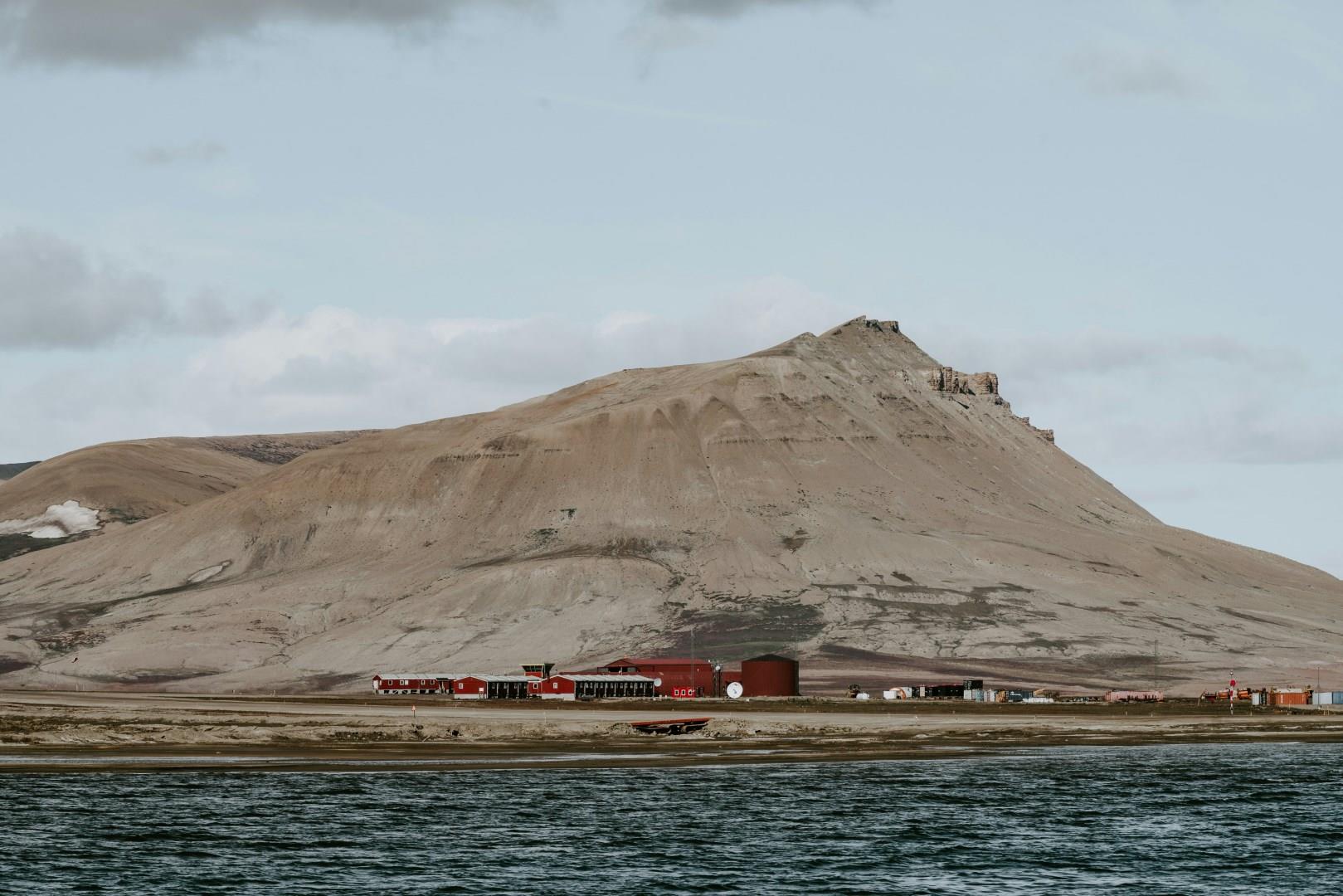
Constable Point
Constable Point, known locally as Nerlerit Inaat, is a small but fascinating gateway to Greenland’s remote east coast. Originally established in the 1980s to support mineral exploration and later functioning as a crucial supply base, Constable Point now serves as the main air access hub for visitors headed to the isolated communities of Ittoqqortoormiit and Scoresby Sound.
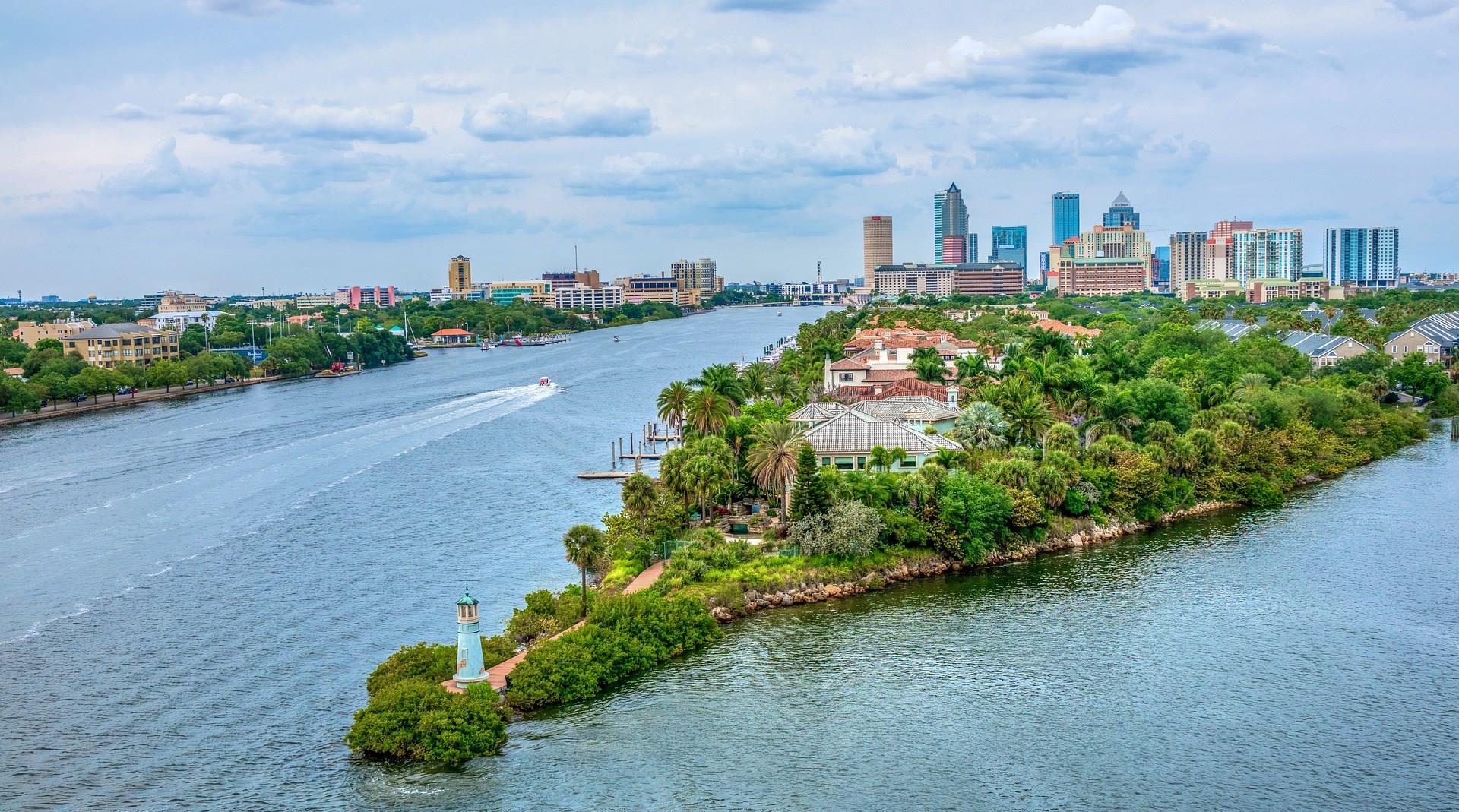
Tampa
Tampa, Florida, offers more than just sunshine and palm trees, it’s a city with character, history, and plenty of unexpected experiences. Founded as a military outpost in the 19th century, Tampa has grown into a vibrant waterfront city with strong Cuban, Spanish, and Italian influences. This cultural blend is especially noticeable in Ybor City, a historic district known for its red-brick buildings and deep cigar-making roots.
