
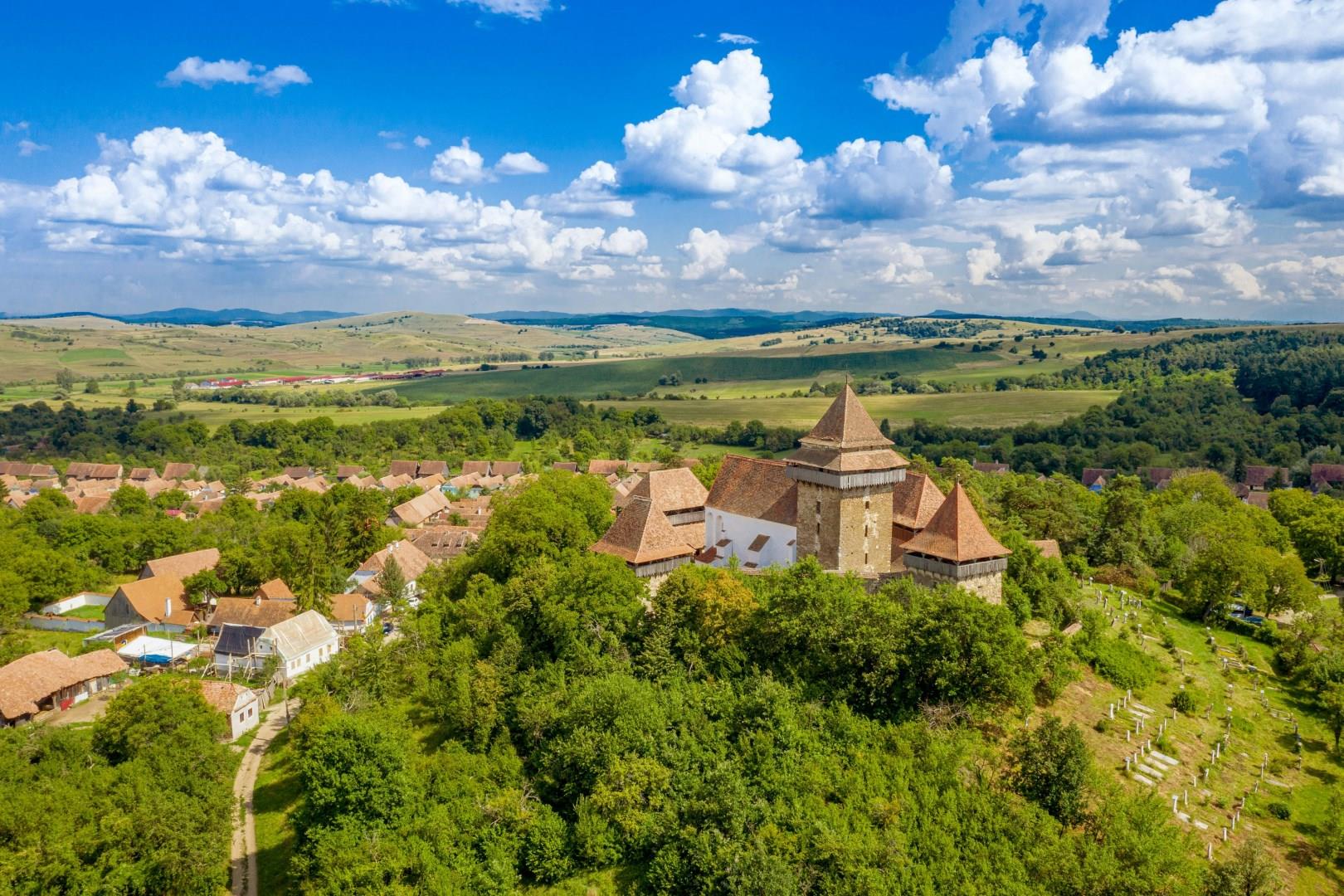
Transylvania
Transylvania is a historical region in central Romania, bordered by the Carpathian Mountains. It is known for its forested landscapes, medieval towns, and a mix of cultural influences shaped by Romanian, Hungarian, and Saxon communities. Cities such as Cluj-Napoca and Brașov serve as regional centers with preserved old quarters and growing modern districts. The region is often associated with folklore, but its identity is grounded in everyday rural life and long-standing settlement patterns.

Dürnstein
West of Vienna, the quaint town of Dürnstein lies on the banks of the iconic Danube and is the perfect destination for river cruising, sightseeing, and enjoying the best of Austrian culture. Though small, this picturesque village offers plenty to see and do.
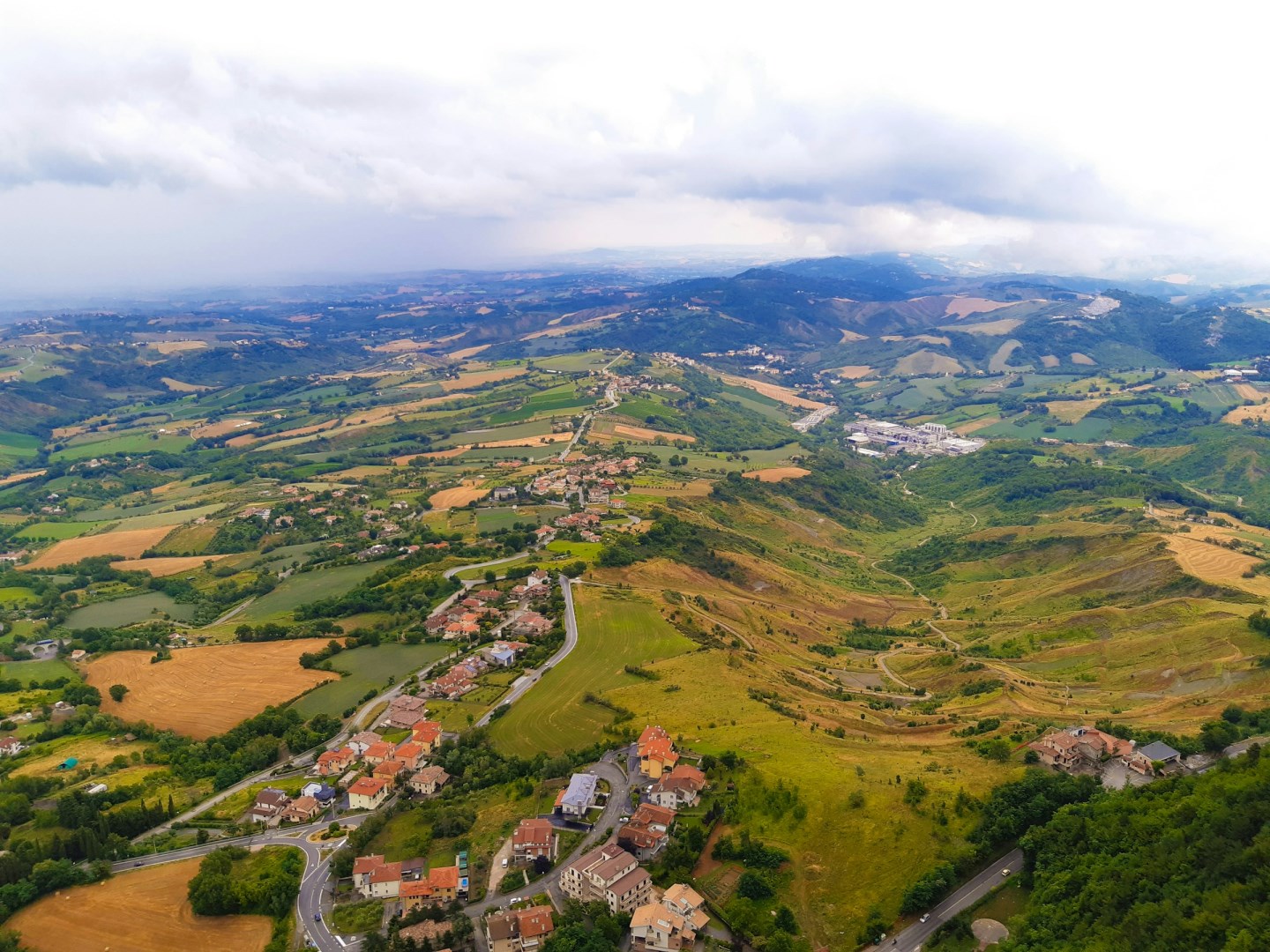
San Marino
You will never forget this incredible "Camelot," from the towers of which, on a clear day, you can see forever across the placid Adriatic. It's also a mecca for philatelists.
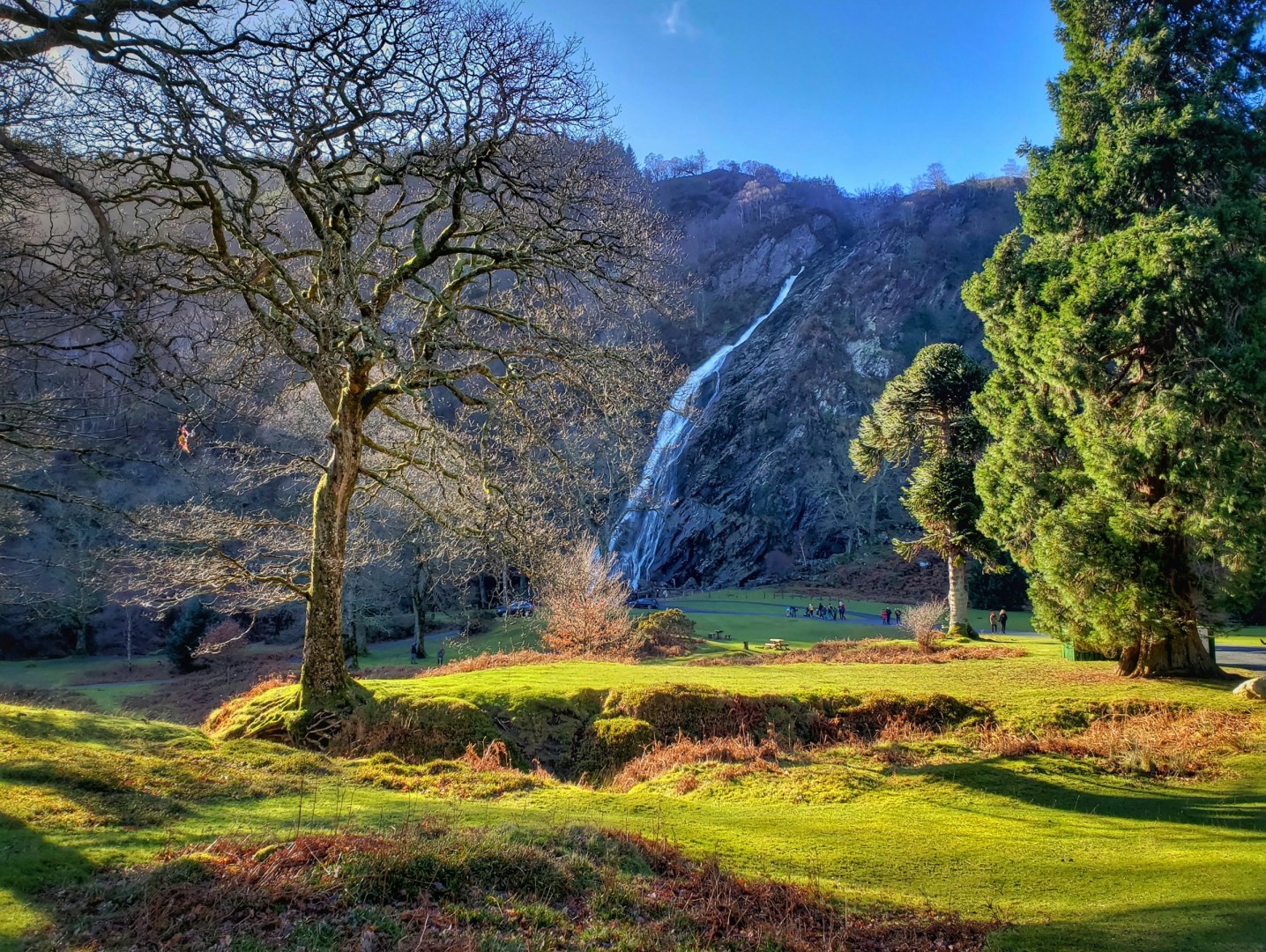
Enniskerry
Enniskerry is a small village in County Wicklow, Ireland, set in the foothills of the Wicklow Mountains south of Dublin. Its compact center is arranged around a triangular village green, with stone buildings, traditional shopfronts, cafés, and pubs surrounding the open space. The village is closely associated with the Powerscourt estate, whose entrance lies just beyond the center.

Germany
Germany offers a wide range of experiences, shaped by centuries of history, regional traditions, and striking landscapes. In Berlin, the past and present share the same streets. Visitors can walk along remnants of the Berlin Wall and then explore a thriving street art scene in neighborhoods like Kreuzberg and Friedrichshain. The city's Museum Island, a UNESCO World Heritage Site, houses ancient artifacts and 19th-century masterpieces just a short walk from modern coffee shops and rooftop bars.
