

Windhoek
Windhoek, the capital city of Namibia, is a vibrant and cosmopolitan hub nestled in the heart of the country. With its mix of German colonial architecture and modern African charm, Windhoek offers visitors a unique blend of history and contemporary culture. The city’s skyline is dominated by the striking Christuskirche, a Lutheran church built in 1907, which stands as a symbol of Namibia's German colonial past.
Jurmala
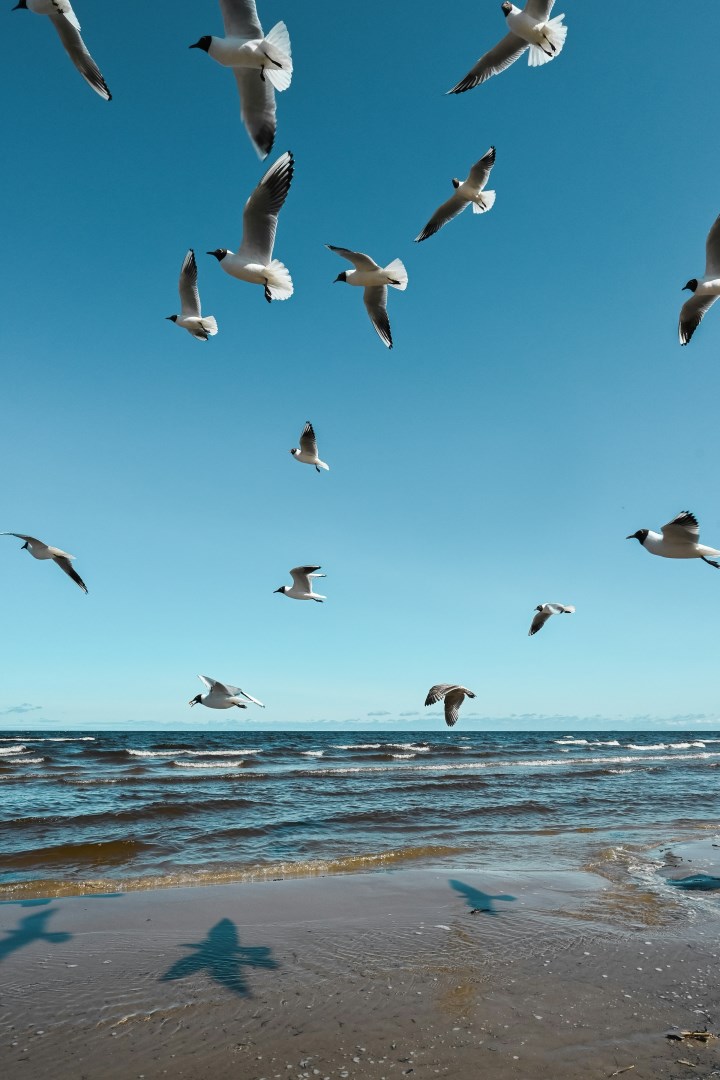
Jūrmala, Latvia’s famed seaside resort, stretches along 33 kilometers of white sandy beaches kissed by the Baltic Sea. Its wooden architecture, featuring colorful villas from the early 20th century, tells the story of its history as a retreat for the well-to-do during the Russian Empire. Visitors strolling the Jomas Street promenade will find a lively atmosphere filled with cafes, boutiques, and galleries, alongside peaceful spots where the sea breeze encourages relaxation.

Dominica
Dominica, known as the “Nature Island of the Caribbean,” is a haven for eco-tourists and adventure seekers. Nestled between the French islands of Guadeloupe and Martinique, this lush island boasts a remarkable landscape of volcanic mountains, dense rainforests, and stunning waterfalls. Dominica’s most iconic natural wonder is the Boiling Lake, the second-largest hot spring in the world.
Lake Placid
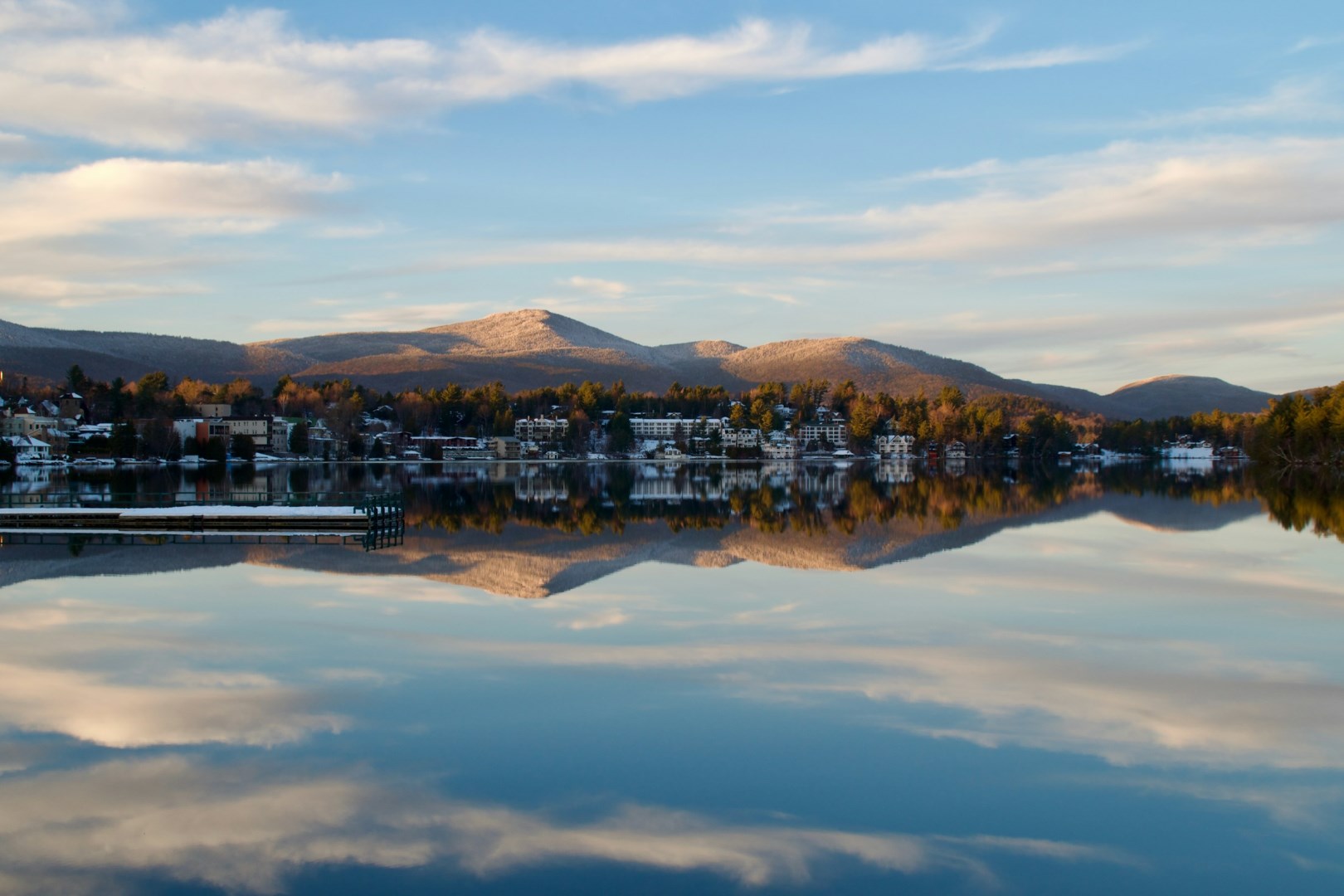
Lake Placid is a village in the Adirondack Mountains of northern New York, set beside Mirror Lake and close to the larger Lake Placid. Surrounded by forested mountains, the community has a compact centre with shops, restaurants, galleries, and lodging along Main Street. The area is part of the Adirondack Park, a vast protected landscape of forests, lakes, rivers, and mountains.
Conflict Islands
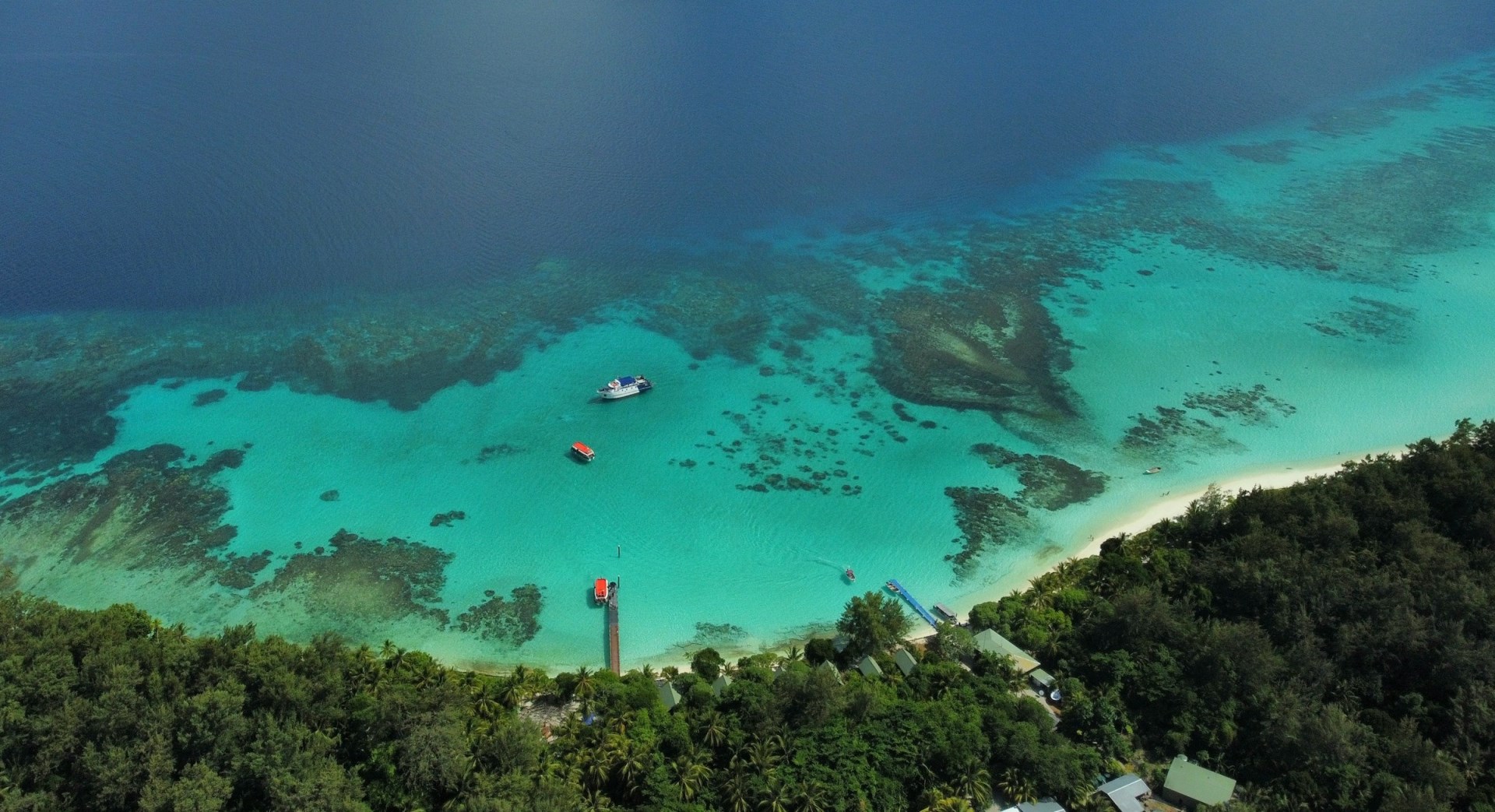
The Conflict Islands are a small group of coral islands and atolls in the Louisiade Archipelago of Papua New Guinea’s Milne Bay Province. They lie in the Solomon Sea, southeast of mainland Papua New Guinea, and are surrounded by clear lagoon waters, coral reefs, sandbars, and uninhabited islets.
