
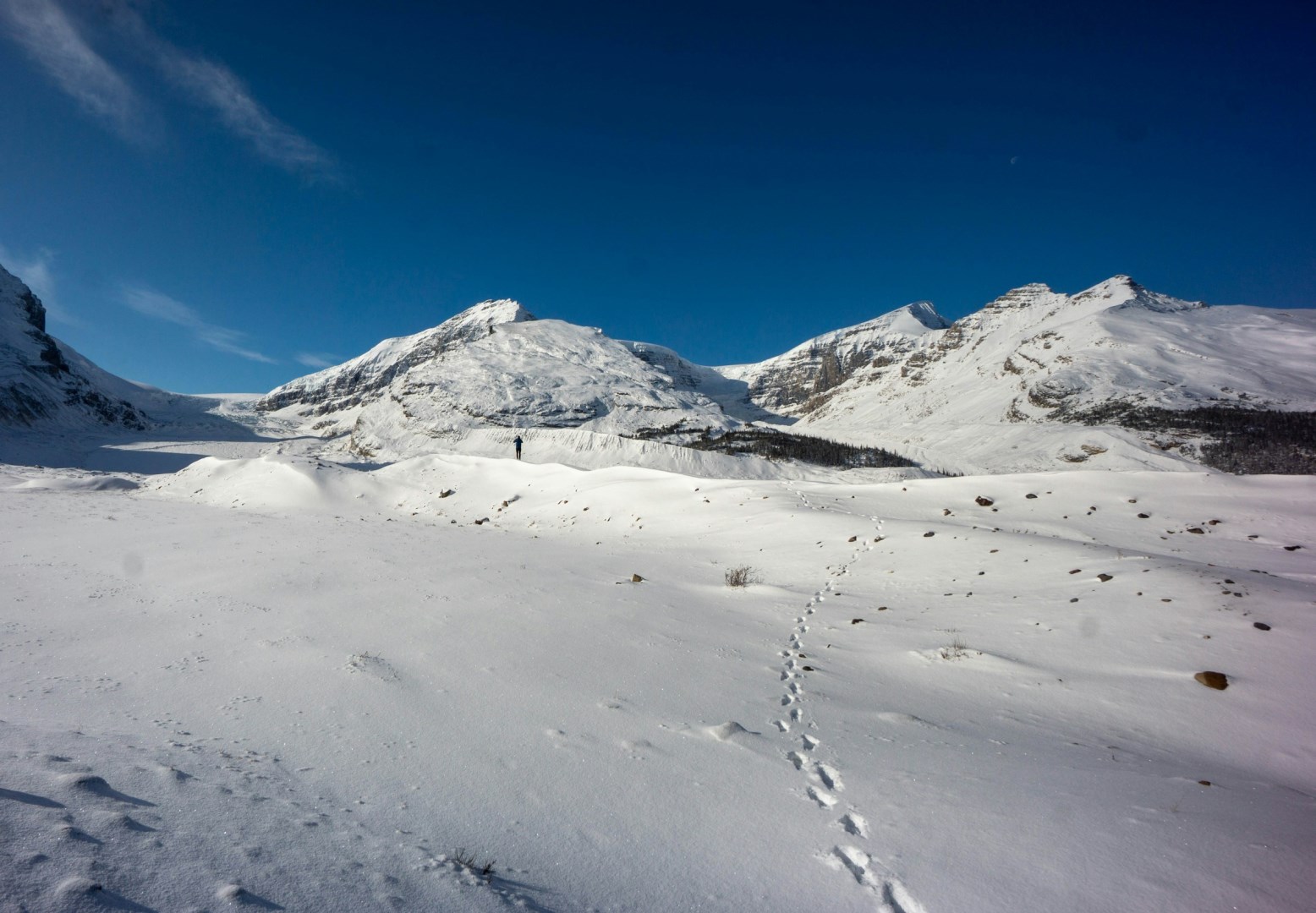
Athabasca Glacier
Athabasca Glacier is one of the most accessible glaciers in the Canadian Rockies, located in Jasper National Park along the Columbia Icefield Parkway in Alberta. It forms part of the Columbia Icefield, a vast area of ice and snow that feeds several major river systems. The glacier extends down from the icefield between rugged mountain peaks, with its lower section visible from a marked viewpoint and trail.
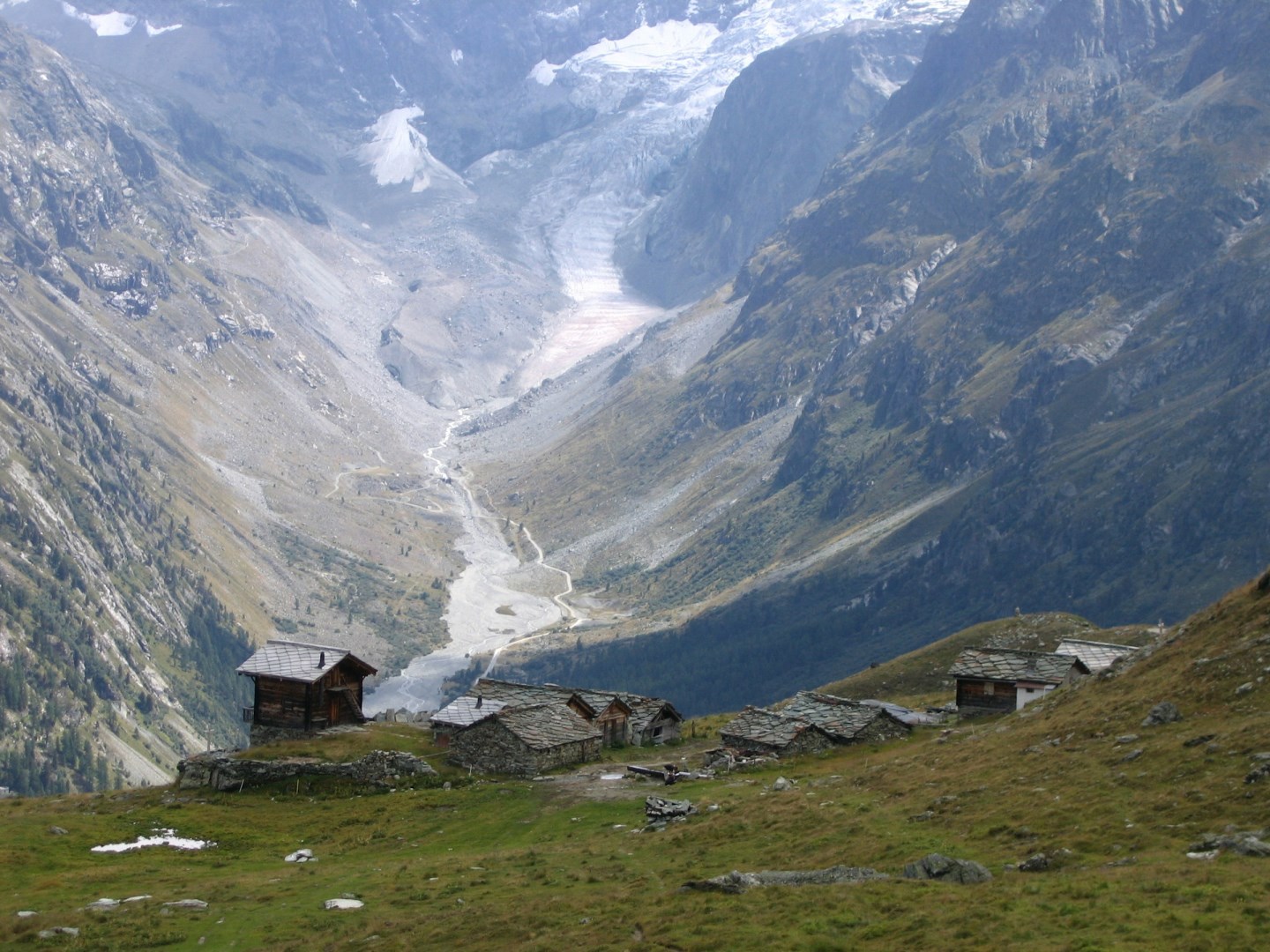
Arolla
Situated at the foot of Mont Collon, the small village of Arolla is a popular starting point for summer mountain hikes as well as a common stop on the Chamonix-Zermatt Haute Route expeditions. In the winter, it's a small ski resort with five lifts and guaranteed snow thanks to the elevation.
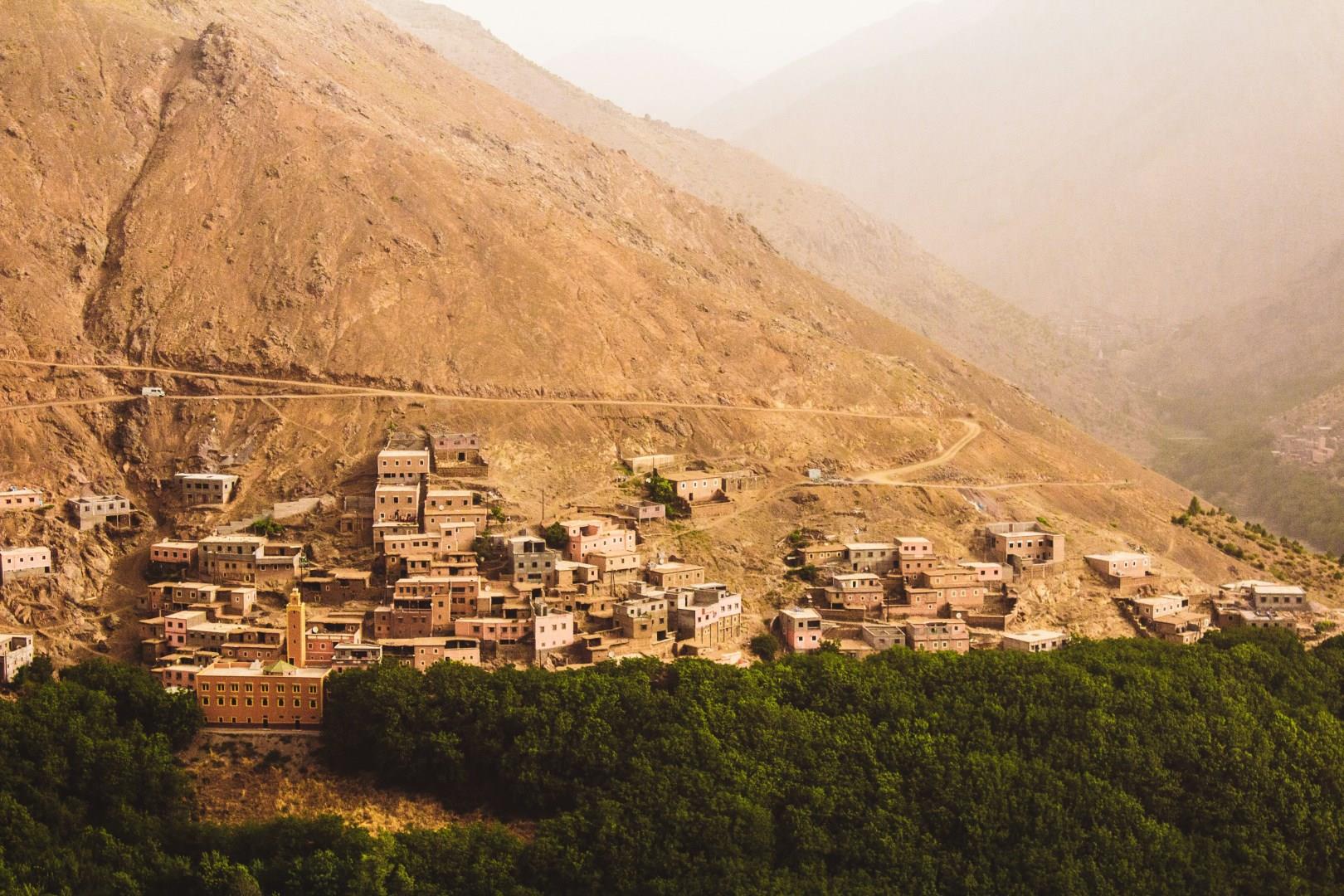
Imlil
Imlil is a small Berber village nestled in the High Atlas Mountains of Morocco, serving as a gateway to the Toubkal National Park. Its history is tied to mountain agriculture and traditional life, with stone houses and terraced fields reflecting centuries of adaptation to the rugged terrain.
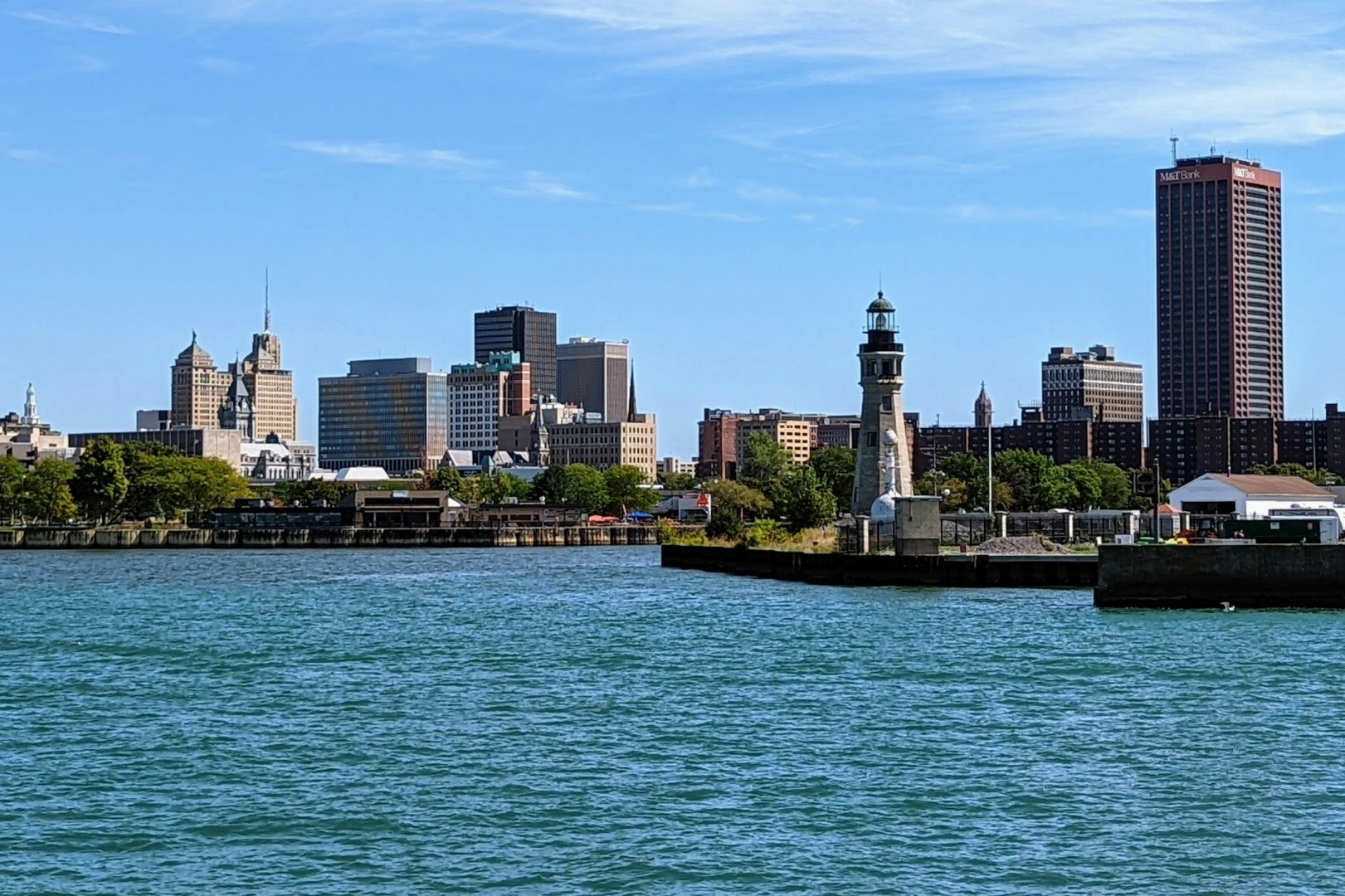
Buffalo
Buffalo, the second-largest city in New York State, sits at the eastern end of Lake Erie where the Niagara River begins its journey toward Niagara Falls. Once a powerhouse of American industry and trade, Buffalo thrived in the 19th and early 20th centuries as a major shipping and manufacturing hub, thanks to its strategic location along the Erie Canal and Great Lakes.
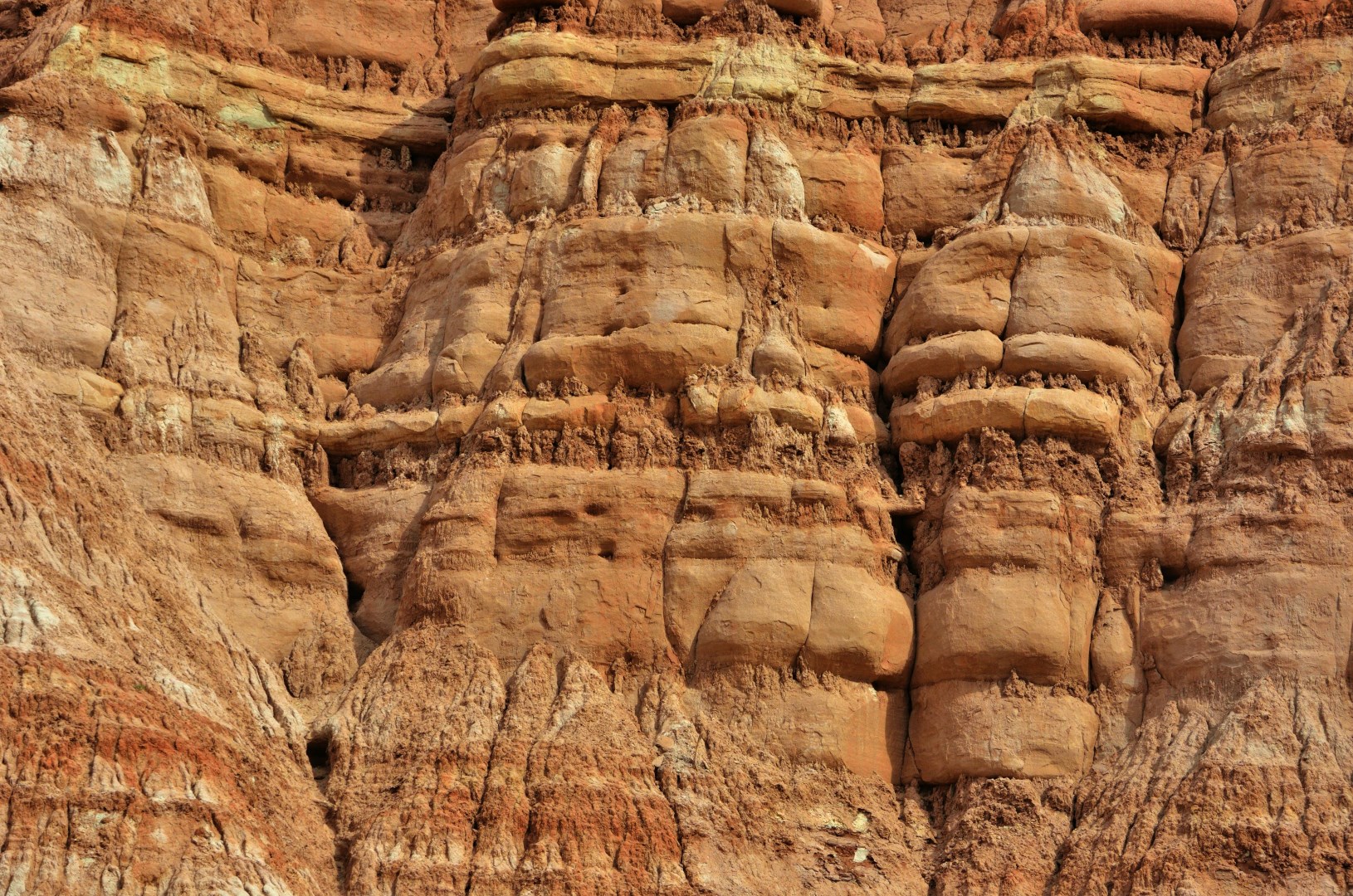
Grand Staircase-Escalante National Monument
Grand Staircase–Escalante National Monument stretches across southern Utah as a vast landscape of layered cliffs, winding canyons, and open desert plateaus. The land shifts in color from pale cream to deep red, depending on the angle of the sun, revealing rock layers that look like pages stacked over time. Much of the area feels remote, with long dirt roads like Hole-in-the-Rock Road leading travelers deep into quiet terrain where rock formations rise suddenly from flat ground.
