
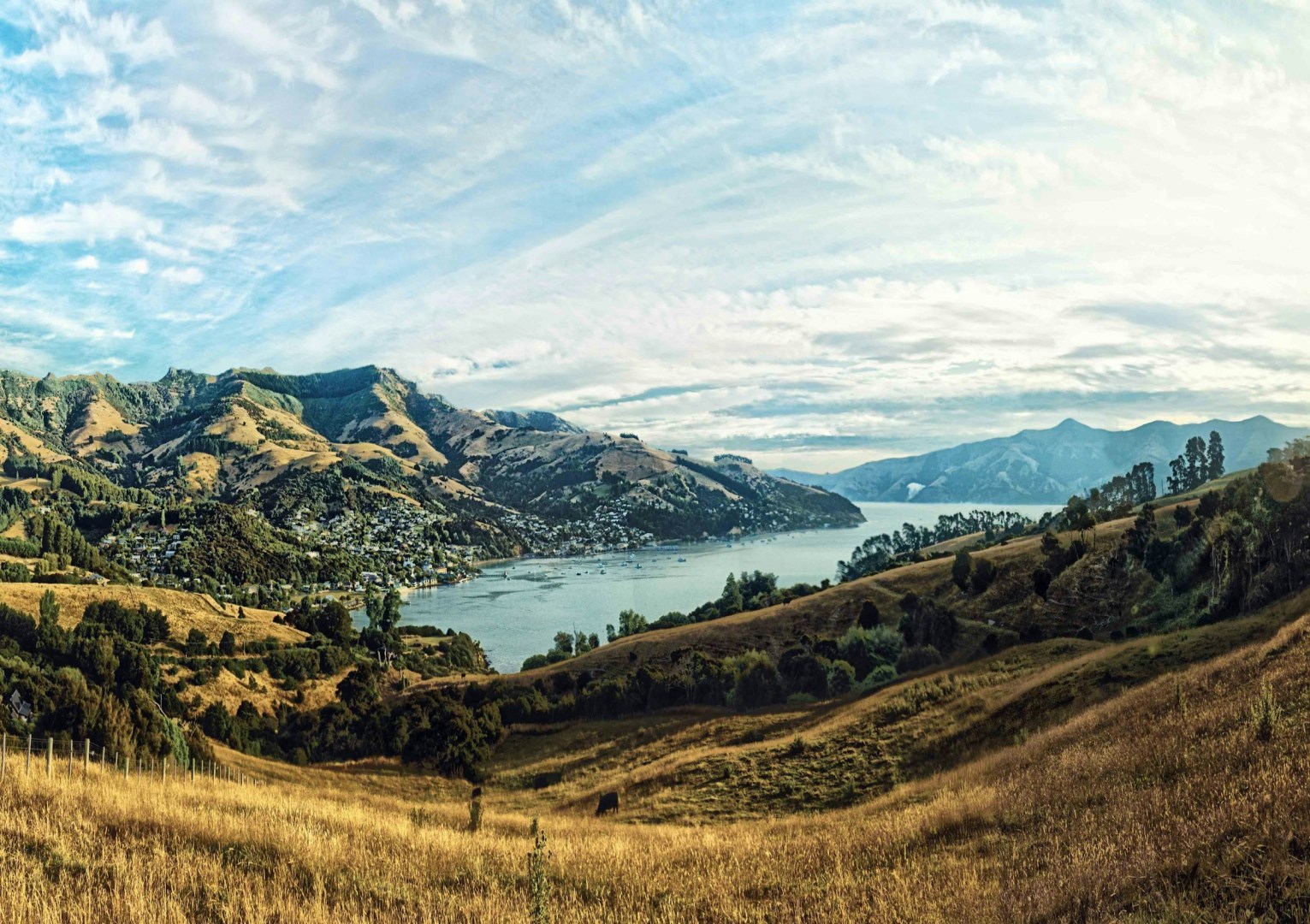
Akaroa
Akaroa is a small seaside settlement on Banks Peninsula in Canterbury, built around a sheltered harbour formed within an ancient volcanic landscape. Its streets contain French-inspired names, colonial buildings, cafés, and cottages, giving the town a distinctive character within New Zealand. The surrounding peninsula is shaped by steep volcanic hills, sheltered bays, farmland, and winding coastal roads.
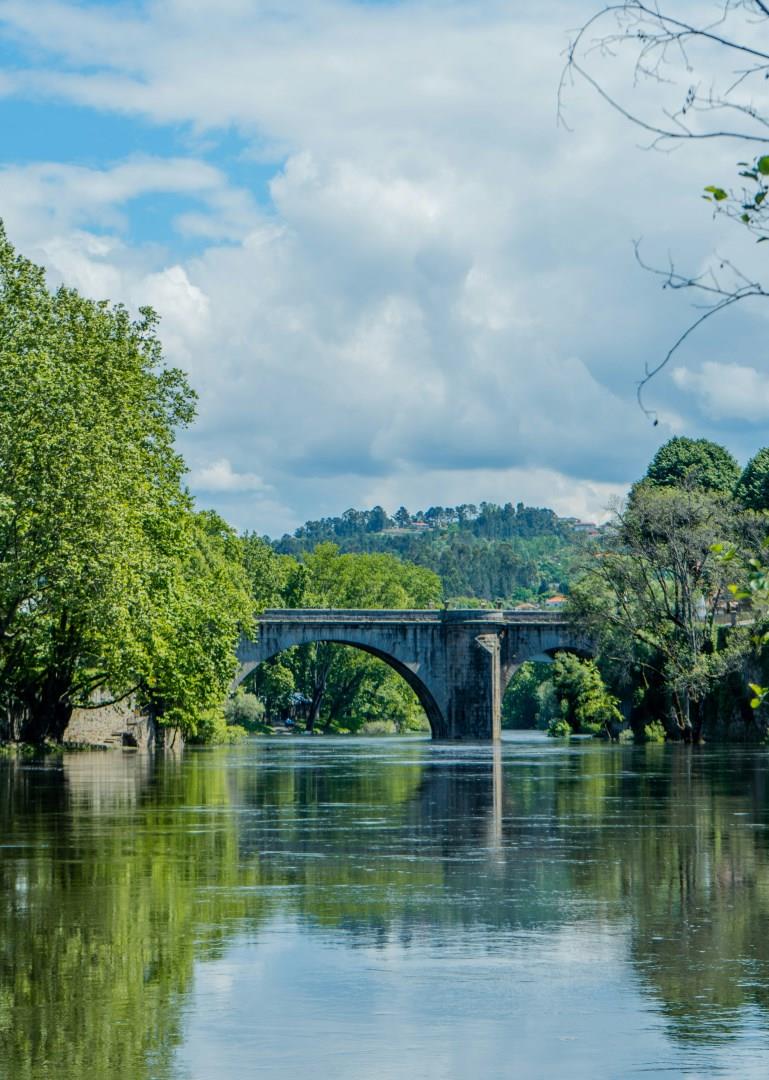
Amarante
Amarante, located in Portugal’s northern region of Tâmega e Sousa, sits quietly along the banks of the Tâmega River, framed by stone bridges, historic churches, and lush hills. The city is best known for its connection to São Gonçalo, a 13th-century monk whose name now graces the arched bridge and the grand convent-church that stands beside it.
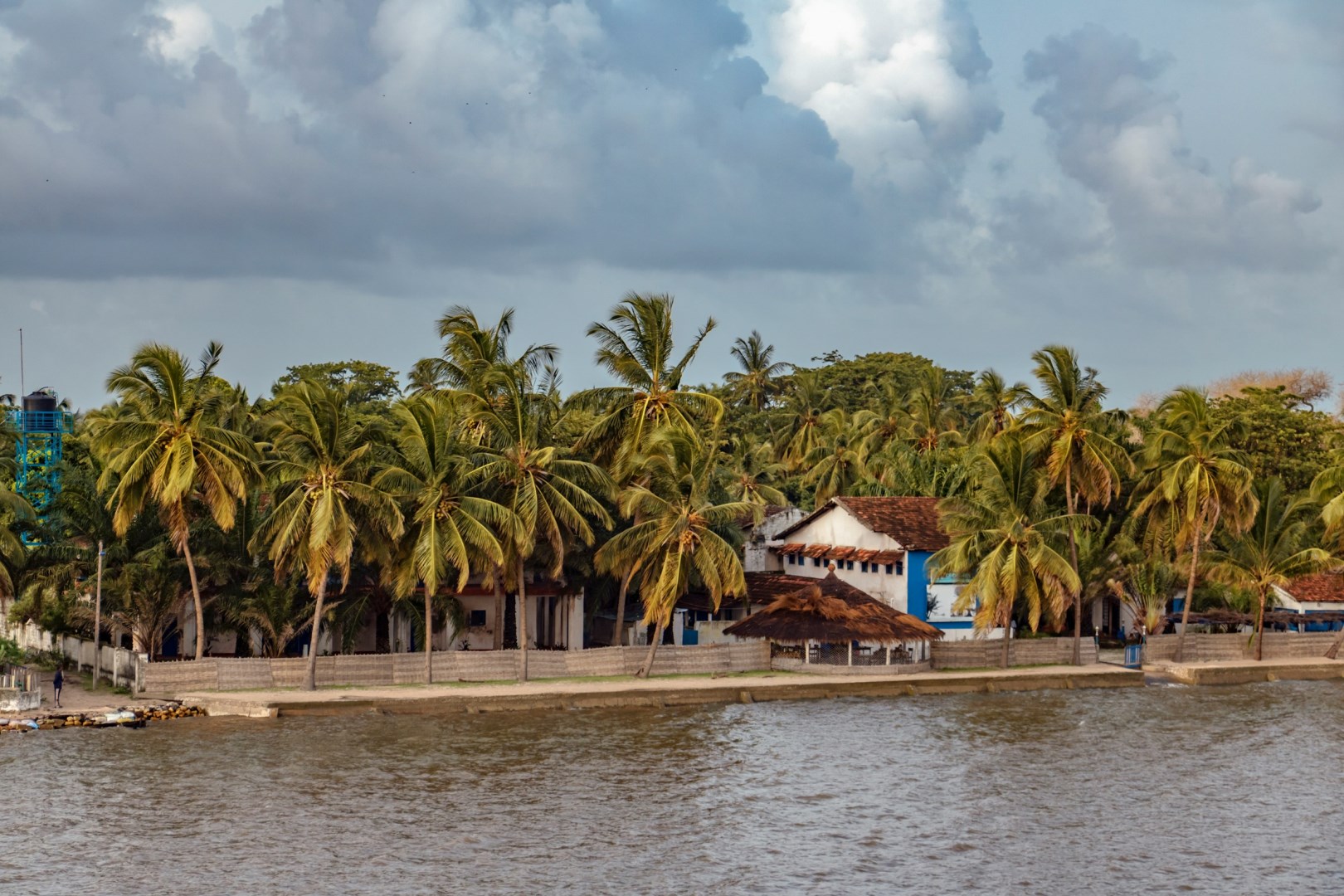
Ziguinchor
Ziguinchor is the regional capital of Casamance in southern Senegal, situated along the Casamance River in a landscape of waterways, mangroves, palm groves, rice fields, and wooded areas. Its riverfront setting gives the city a character that differs from the drier regions farther north. Ziguinchor is an important commercial and transport center for Casamance, with connections by road and river to communities throughout the region.
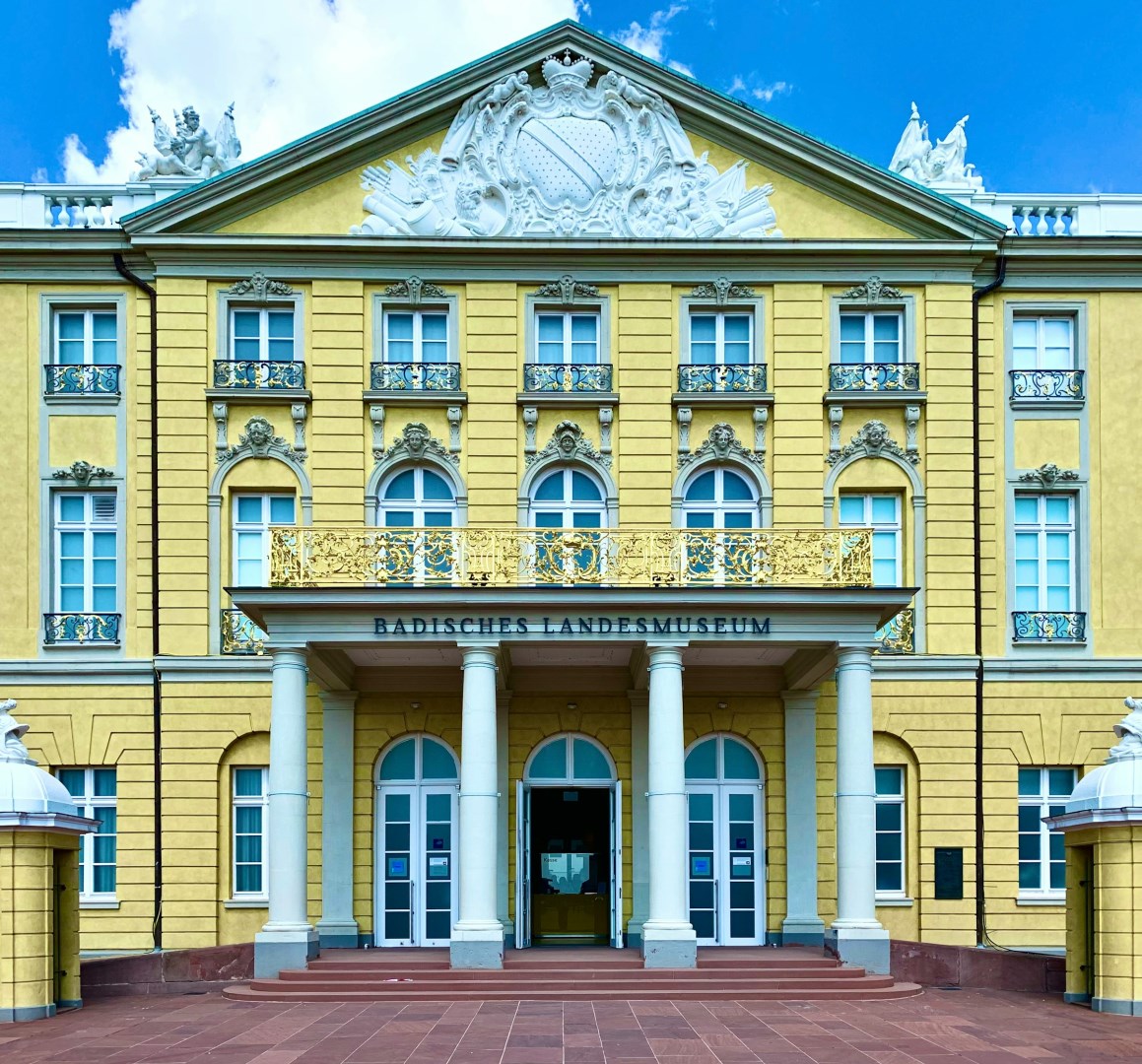
Karlsruhe
Karlsruhe, located in southwestern Germany near the French border, is a city known for its unique radial layout, rich cultural life, and role as a hub for law and technology. Founded in 1715, the city was planned around the iconic Karlsruhe Palace, with streets radiating outward like the spokes of a wheel.
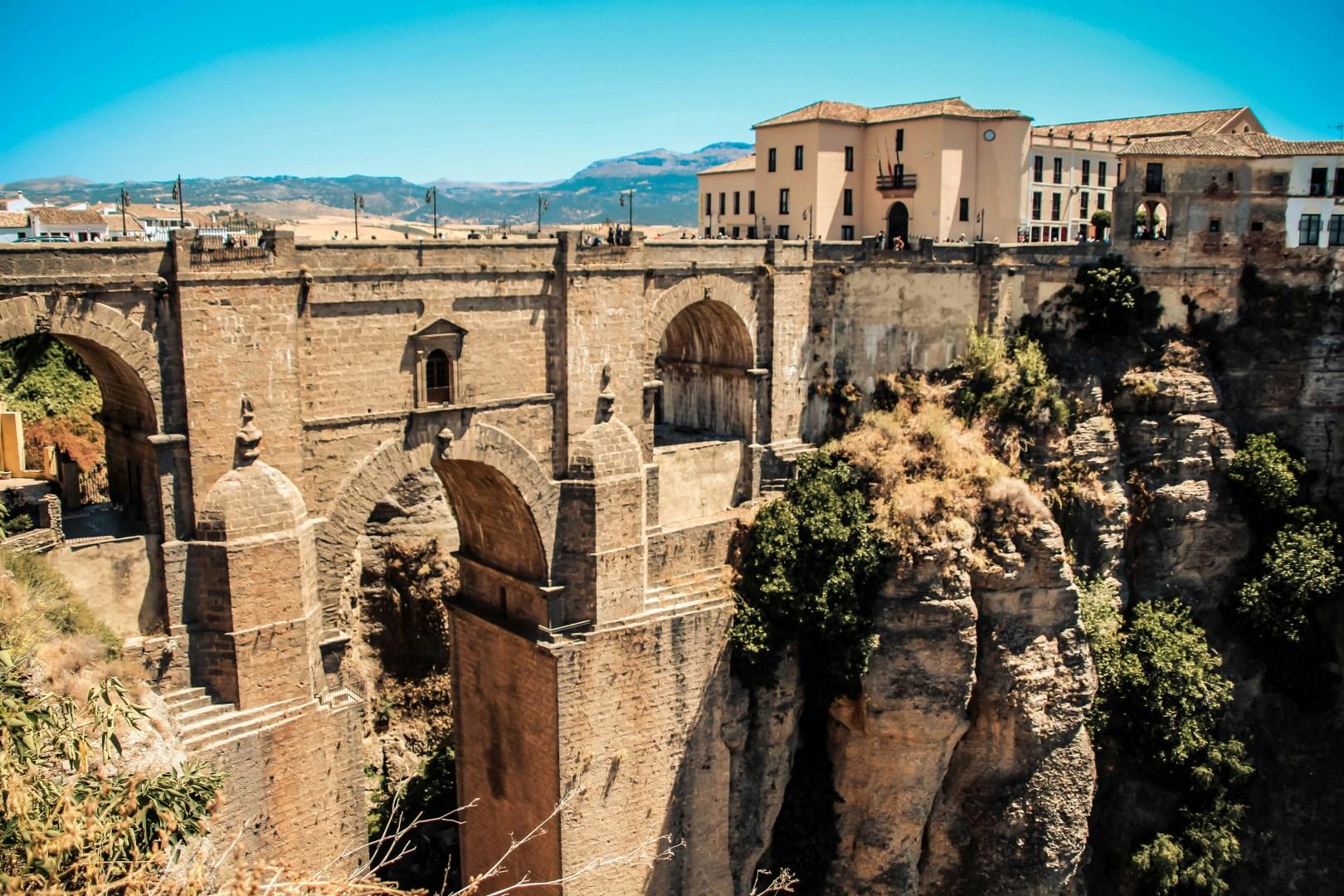
Ronda
Ronda, perched high above the El Tajo gorge in southern Spain’s Málaga province, offers one of the most dramatic landscapes in Andalusia. The city is split in two by a 120-meter-deep canyon carved by the Guadalevín River, and connected by the iconic Puente Nuevo, an 18th-century stone bridge that took over 40 years to complete. Visitors crossing the bridge can stop at the viewpoint built into the stone itself, once used as a prison.
