

Europe
Europe is a continent where centuries of history, diverse cultures, and striking landscapes are woven together. From the snowy peaks of the Alps to the sun-soaked shores of the Mediterranean, each region offers its own distinct character and traditions.
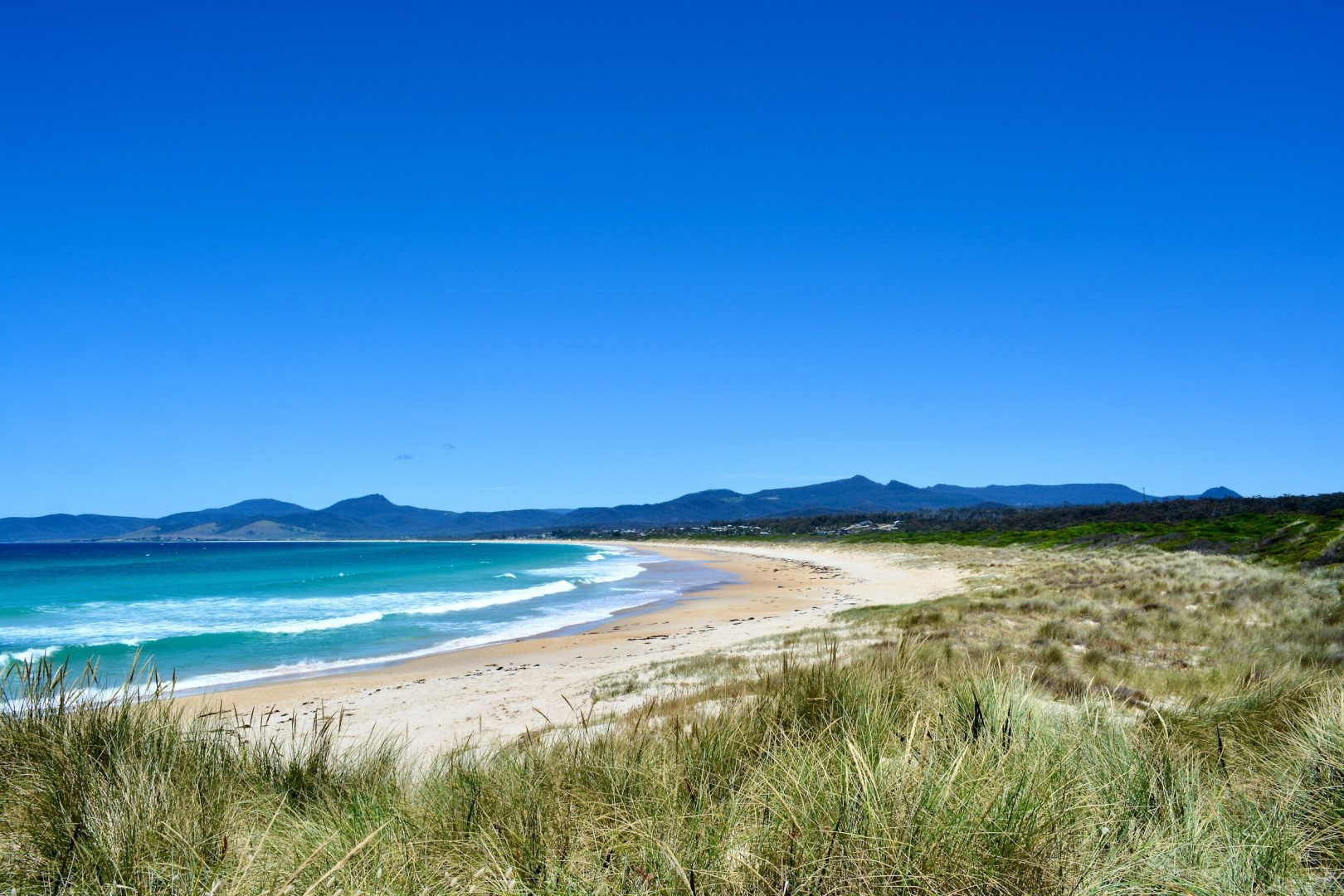
Bay of Fires
Bay of Fires is a coastal region on Tasmania’s north-east coast, extending from Binalong Bay in the south to larapuna/Eddystone Point in the north. It is recognized for white sandy beaches, clear blue water, and granite rocks marked by orange lichen. The Bay of Fires Conservation Area includes beaches, rocky headlands, coastal heath, dry forest, and sheltered bays
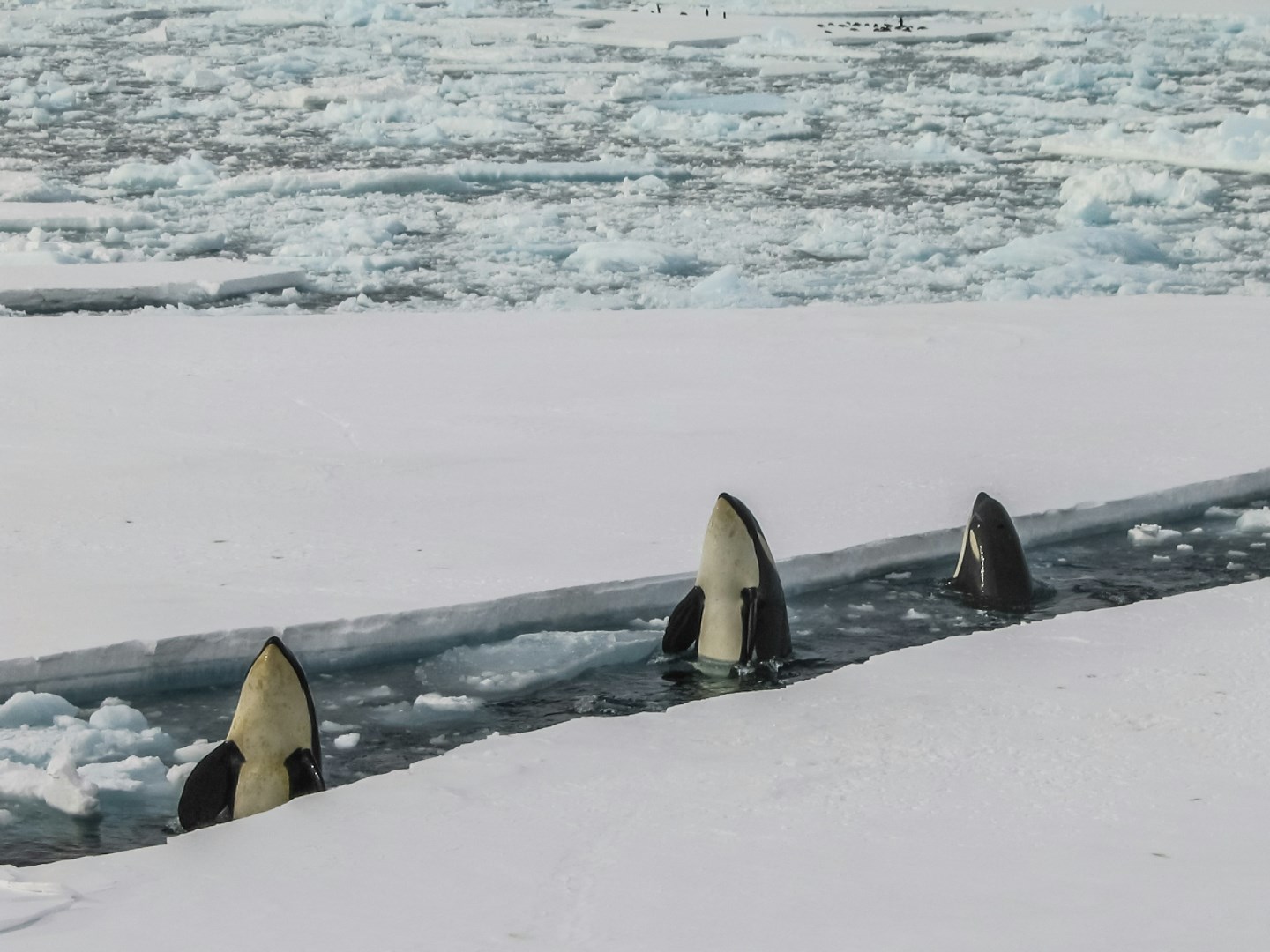
McMurdo Station
McMurdo is distinctive not only for its scientific role but also for the unusual scale of daily life in Antarctica. The station has a power plant, medical facilities, dining services, workshops, communications systems, and specialized vehicles used to support research in extreme conditions. Nearby Scott Base, operated by New Zealand, provides another important Antarctic research presence on Ross Island. McMurdo also supports flights and overland journeys to remote parts of the continent.

Utrecht
Utrecht, a charming city in the Netherlands, offers a captivating blend of history, culture, and modern vibrancy. Dominated by its striking Dom Tower, the tallest church tower in the Netherlands, Utrecht invites visitors to climb its 465 steps for panoramic views of the city and the surrounding countryside.

Lake Titicaca
Lake Titicaca, perched at over 3,800 meters above sea level, is the highest navigable lake in the world and a place where ancient stories still echo across the water. Shared by Bolivia and Peru, this lake has long been considered sacred by the Andean peoples. According to Inca legend, it was from Titicaca’s deep blue waters that the first humans were created. Today, the lake remains a center of cultural tradition, spiritual significance, and daily life for many who live along its shores.
