
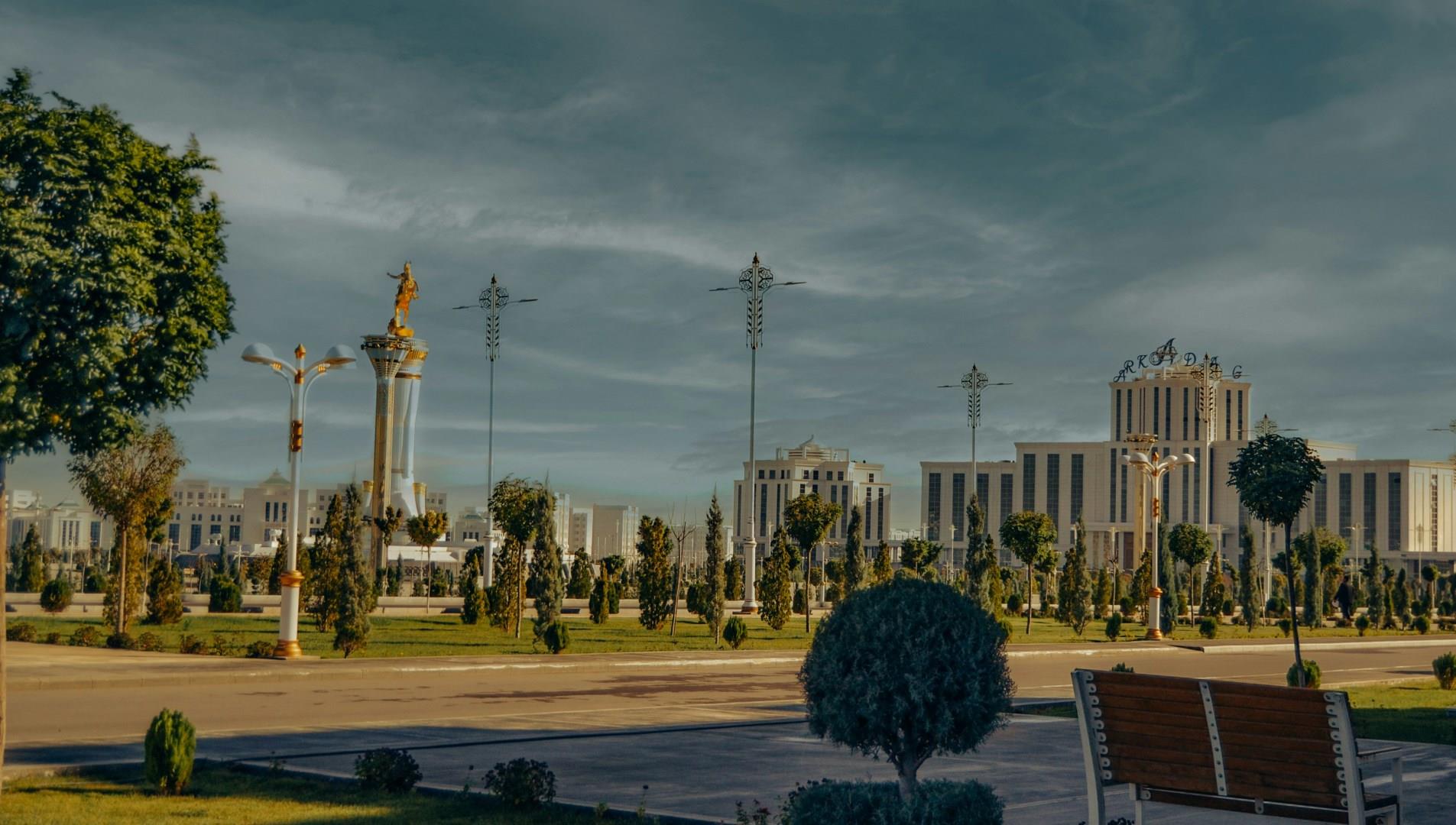
Turkmenistan
Turkmenistan is a land of striking contrasts, where vast deserts meet ancient Silk Road history. The country is dominated by the Karakum Desert, an expanse of sand and scrub that covers most of its territory, yet it is also home to oases where cities flourished as trading posts for caravans journeying between Persia, China, and beyond.
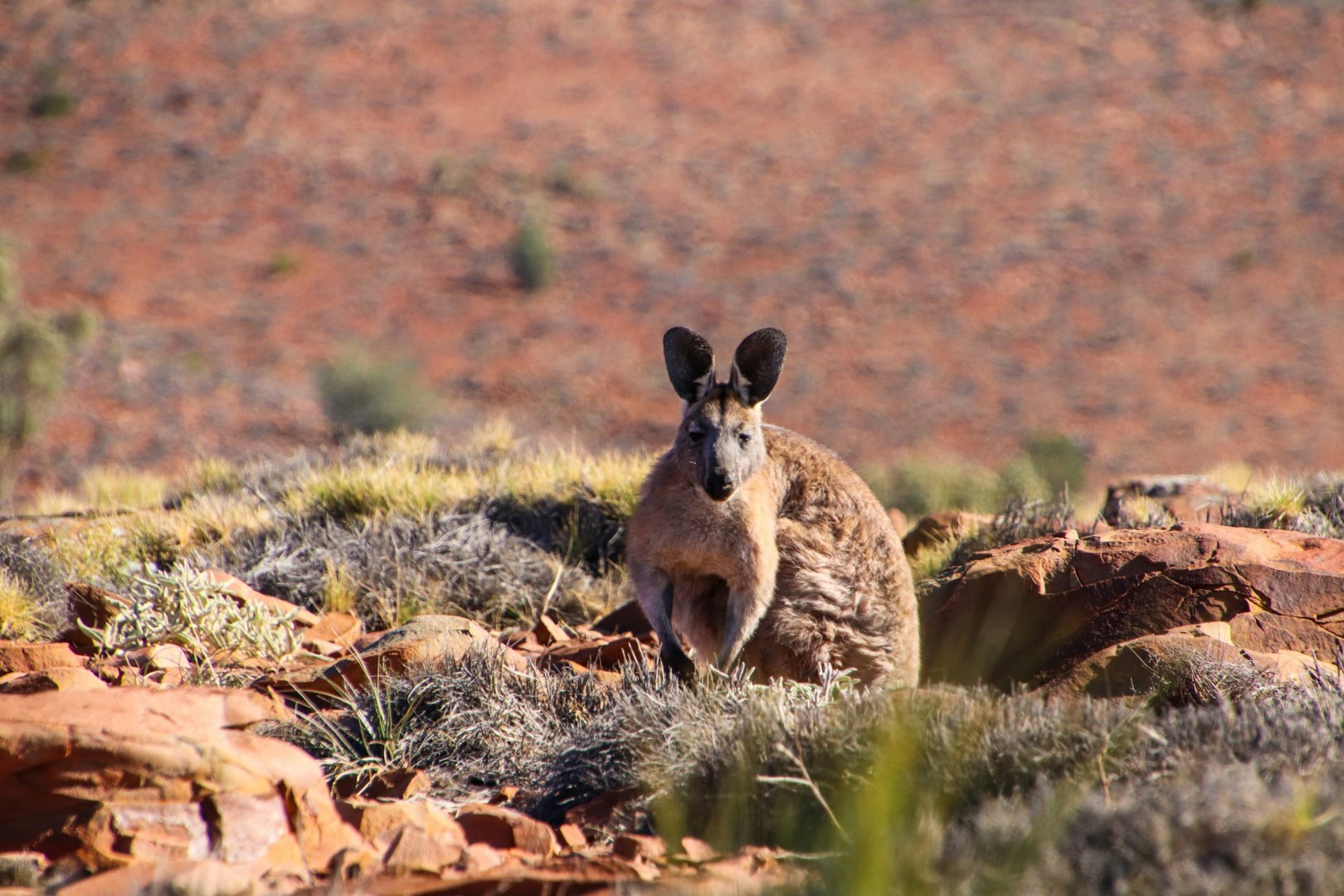
Ikara-Flinders Ranges National Park
Ikara-Flinders Ranges National Park lies in South Australia’s Flinders Ranges, covering about 95,000 hectares of rugged mountains, dry valleys, rocky gorges, and semi-arid plains. Its most recognizable feature is Ikara, also known as Wilpena Pound, a vast natural amphitheatre enclosed by quartzite ranges. The park also contains the Heysen Range and the Brachina and Bunyeroo gorges, creating a landscape shaped by erosion and exposed geological layers.
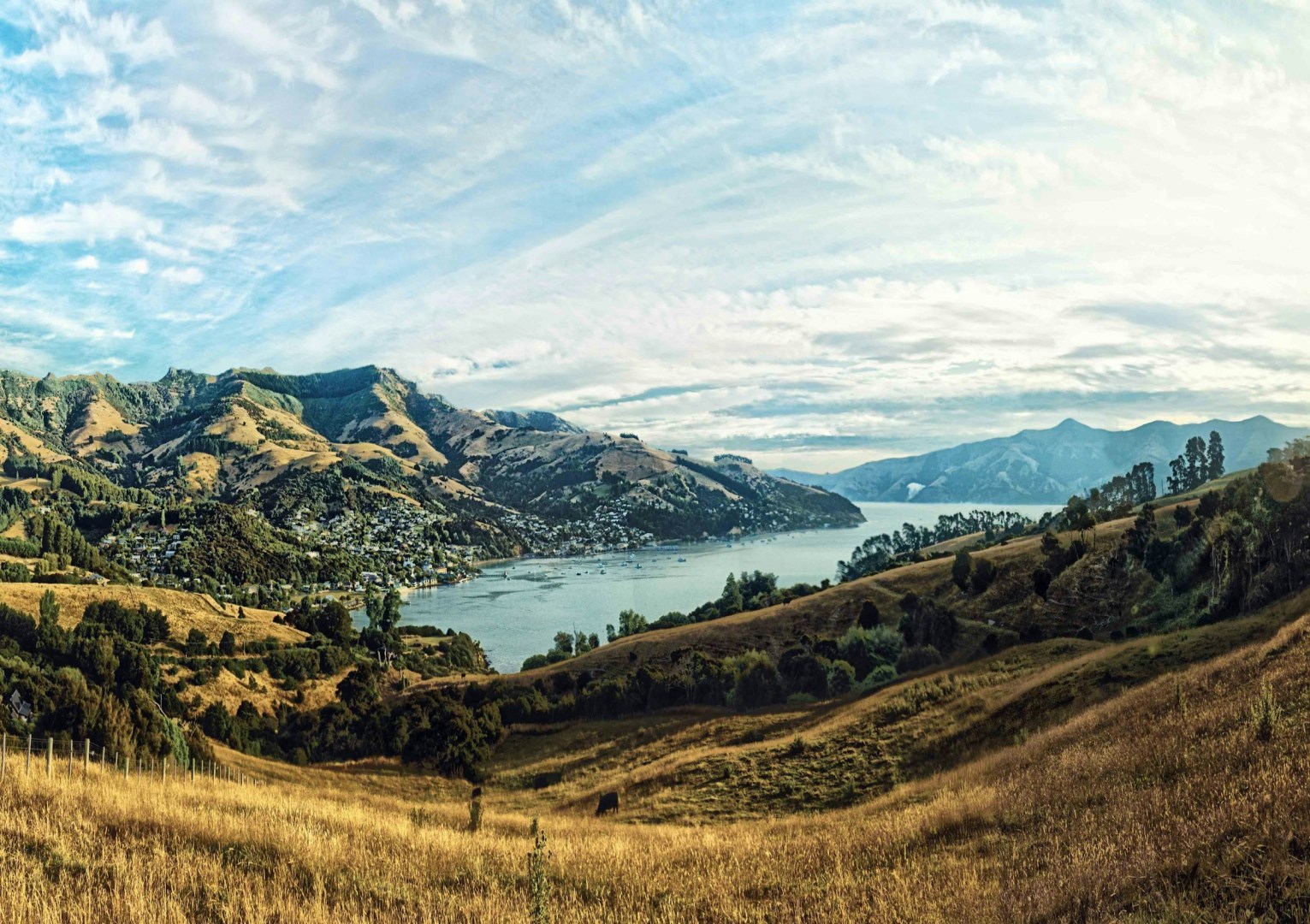
Akaroa
Akaroa is a small seaside settlement on Banks Peninsula in Canterbury, built around a sheltered harbour formed within an ancient volcanic landscape. Its streets contain French-inspired names, colonial buildings, cafés, and cottages, giving the town a distinctive character within New Zealand. The surrounding peninsula is shaped by steep volcanic hills, sheltered bays, farmland, and winding coastal roads.
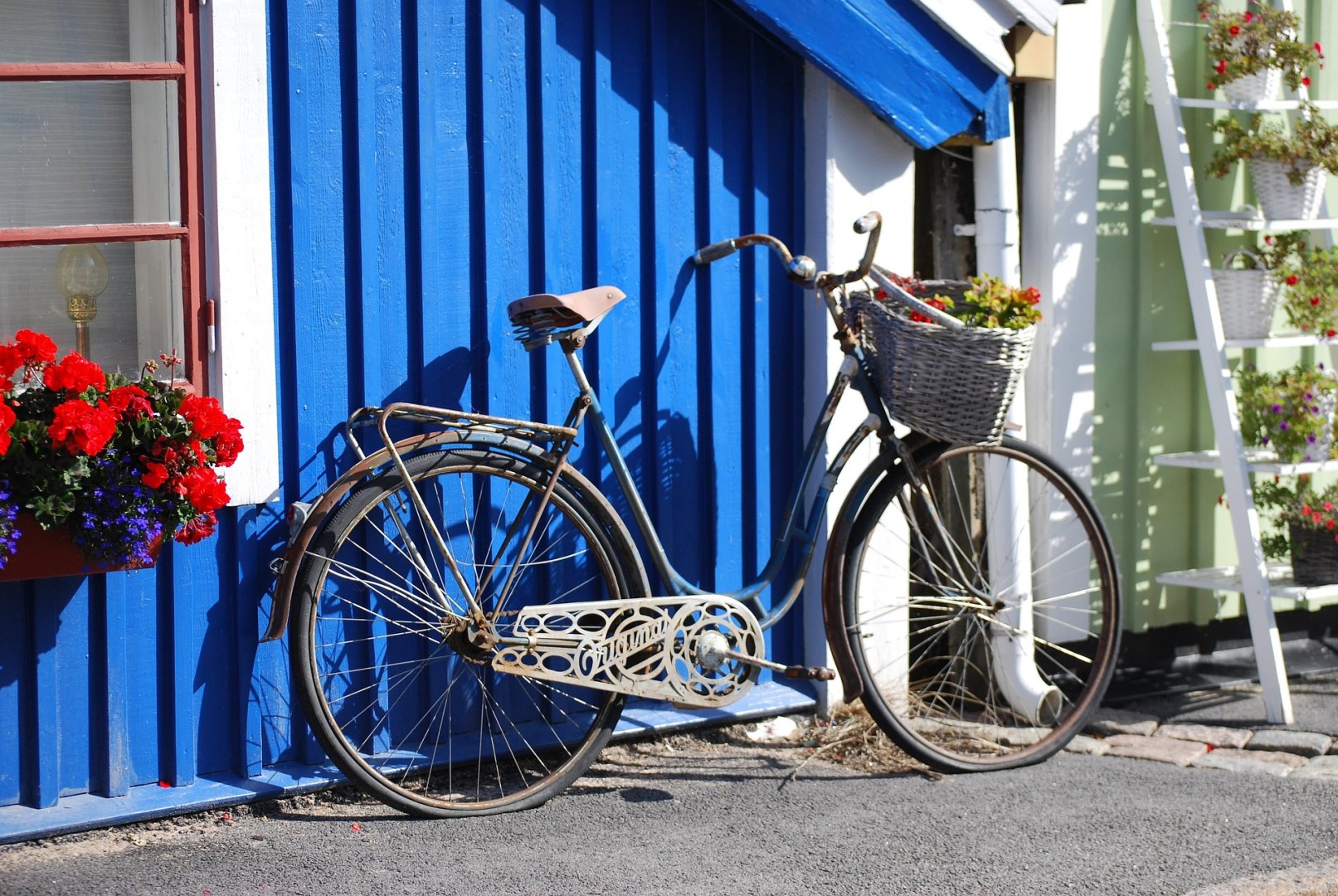
Karlskrona
Karlskrona is a coastal city in southeastern Sweden, spread across islands and peninsulas in the Blekinge archipelago. Founded as a naval base, it was carefully planned around the needs of Sweden’s fleet, and its historic naval environment remains central to the city’s identity. The central island of Trossö contains the main urban district, while nearby islands and waterfronts provide a close connection to the Baltic Sea.
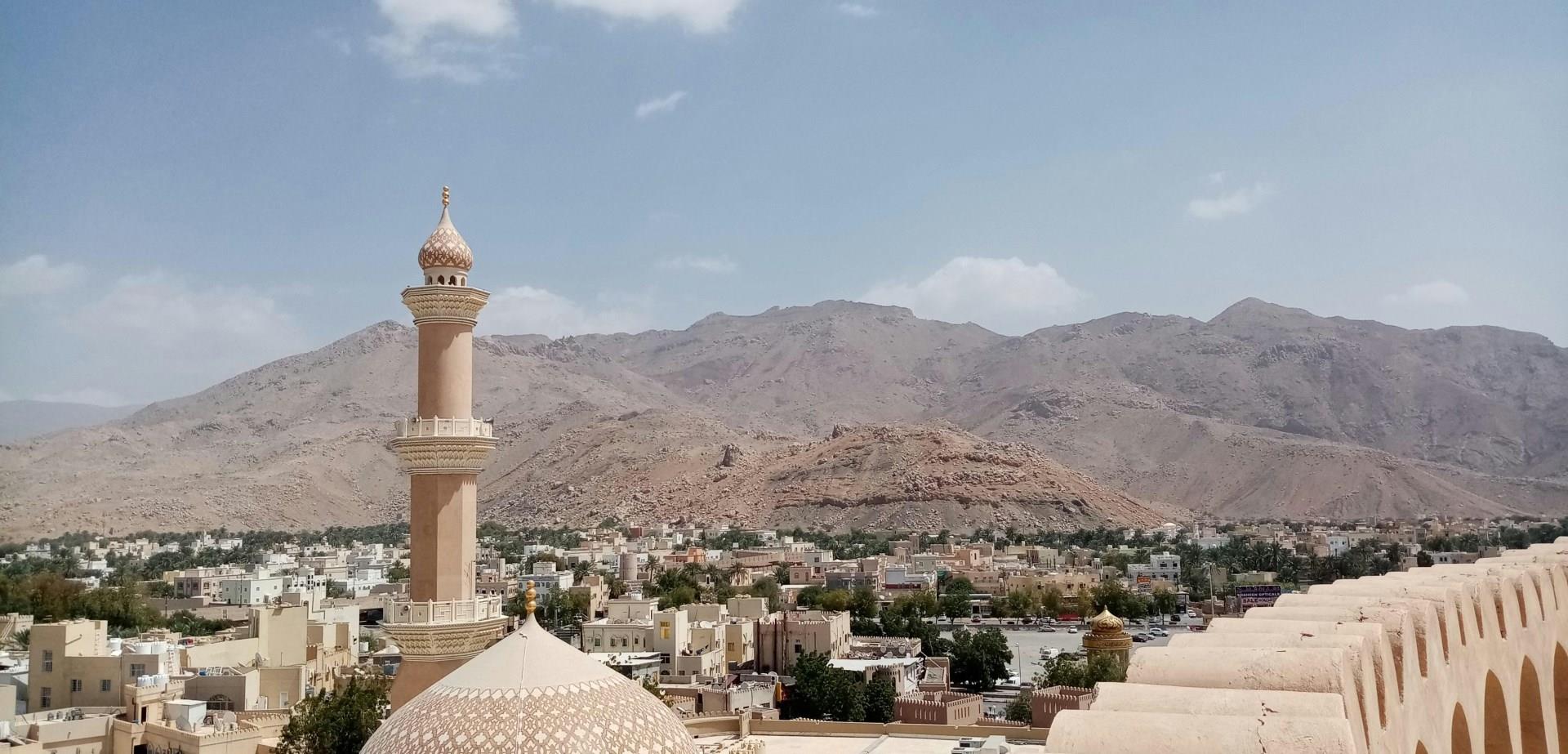
Nizwa
In the heart of Oman lies Nizwa, a city once considered the country’s capital and a hub of learning and trade. Its iconic round fort, built in the 17th century, remains one of Oman’s most visited landmarks.
