

Ngorongoro
Ngorongoro, Tanzania, is a destination where breathtaking landscapes and abundant wildlife converge in a truly unique way. Nestled within the Ngorongoro Conservation Area, this region is renowned for the Ngorongoro Crater, a UNESCO World Heritage Site. This ancient caldera, formed by a volcanic eruption millions of years ago, creates a natural amphitheater teeming with wildlife.
Neuquén
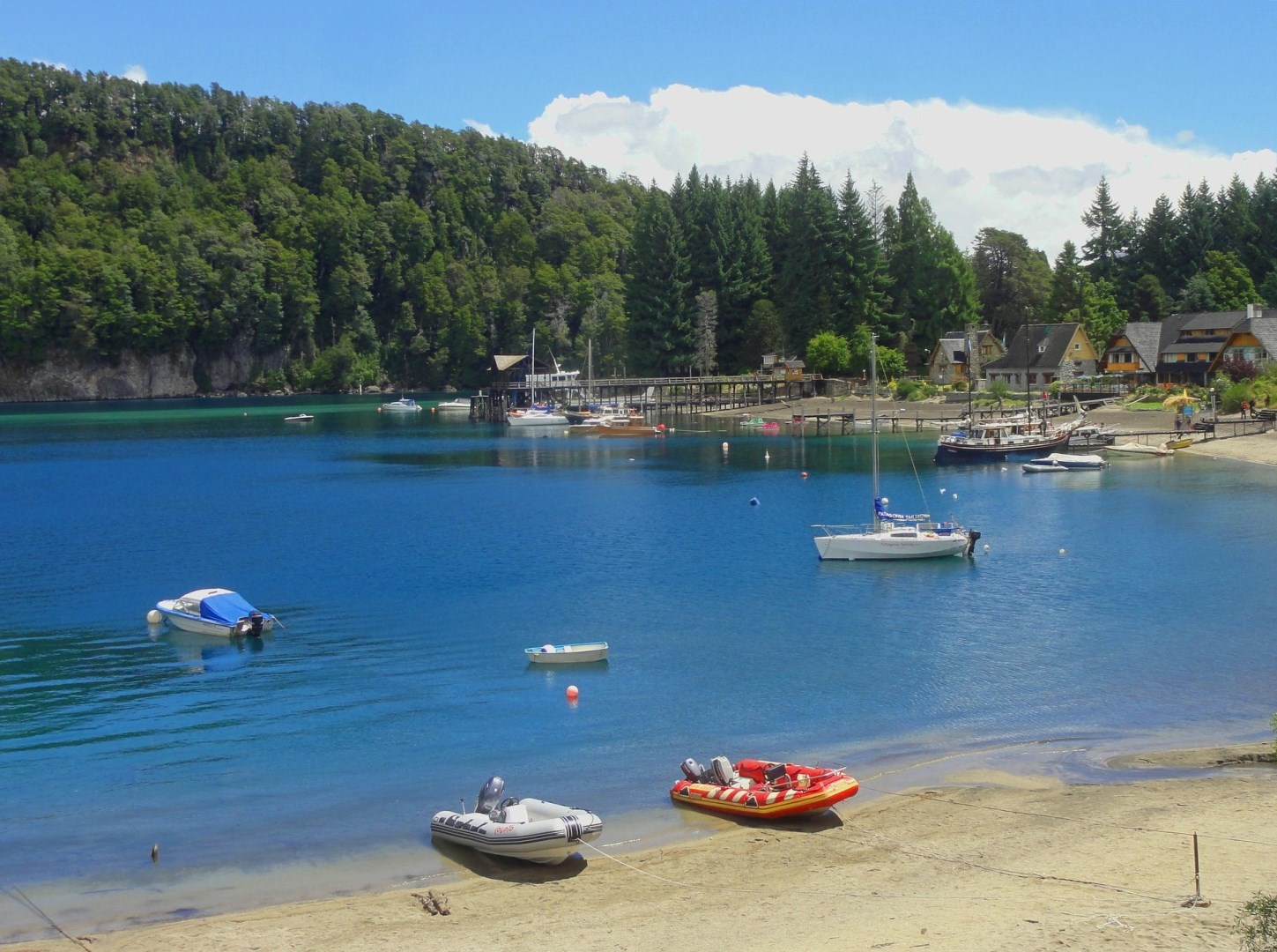
Province of Neuquen, Argentina is located near the Andes Mountains. It has attractive and wild scenery, virgin land, and lots of natural non-contaminated water springs. Its vegetation consists of small shrubs and Pampa grass. Various forms of wildlife can also be seen here such as ostriches, gray and red foxes, Patagonian Hares called "Maras" and many species of birds.
Wismar
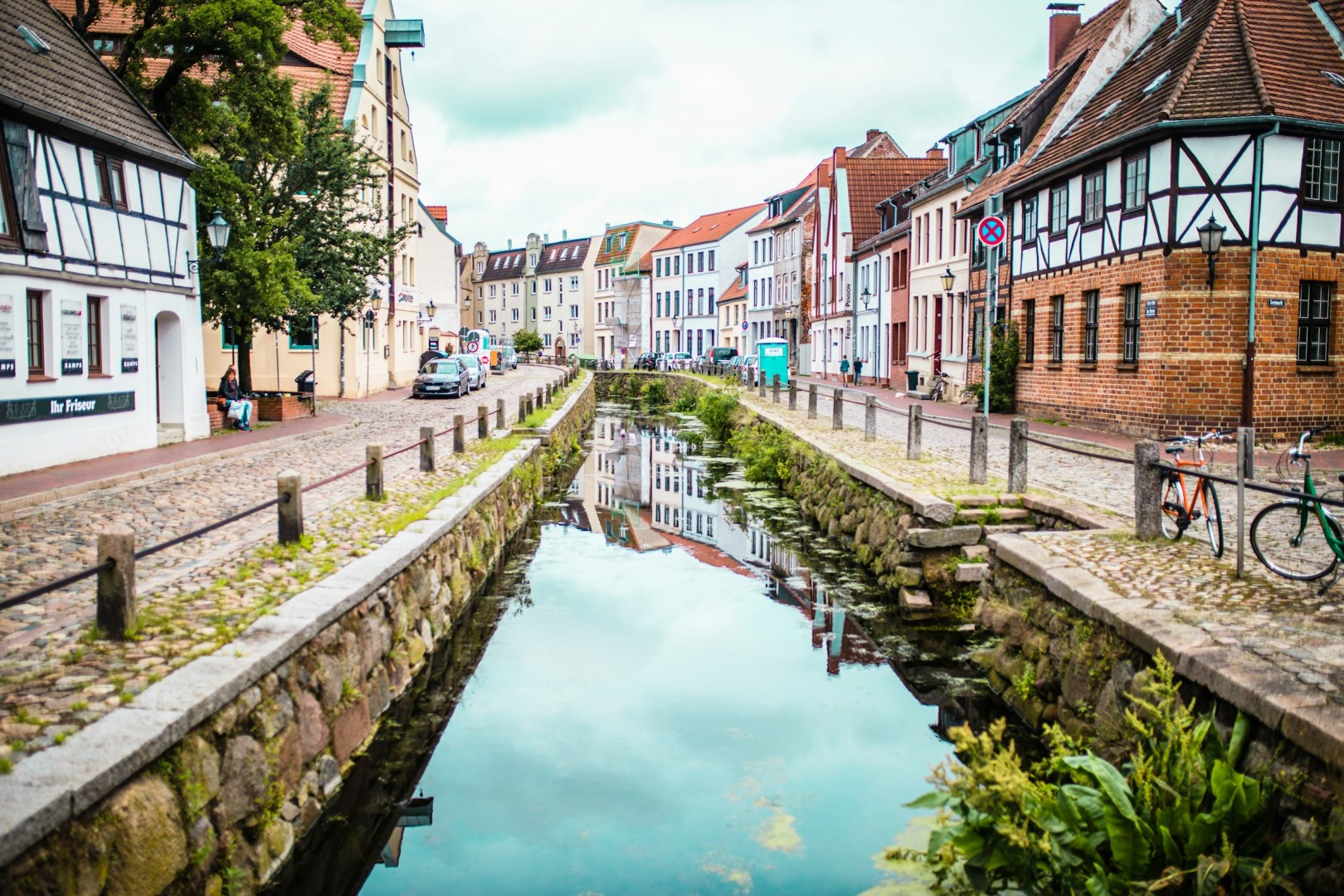
Wismar is a historic port city on Germany’s Baltic coast in the state of Mecklenburg-Western Pomerania. Its old town is known for a remarkably well-preserved medieval street plan, large brick churches, merchant houses, and a harbor connected to the Baltic Sea. The city’s architecture reflects its former importance within the Hanseatic trading network, while the waterfront continues to support maritime activity.

Volga
The Volga River is an emblematic waterway that meanders through the heart of Russia, offering an exceptional journey through the country’s rich cultural and historical tapestry. As Europe’s longest river, stretching approximately 3,530 kilometers (2,194 miles), the Volga flows from the Valdai Hills to the Caspian Sea, weaving through major cities such as Tver, Nizhny Novgorod, and Volgograd.

Great Barrier Reef
The Great Barrier Reef stretches along Australia’s northeast coast, forming the largest coral reef system on Earth and one of the planet’s most complex living ecosystems.
