
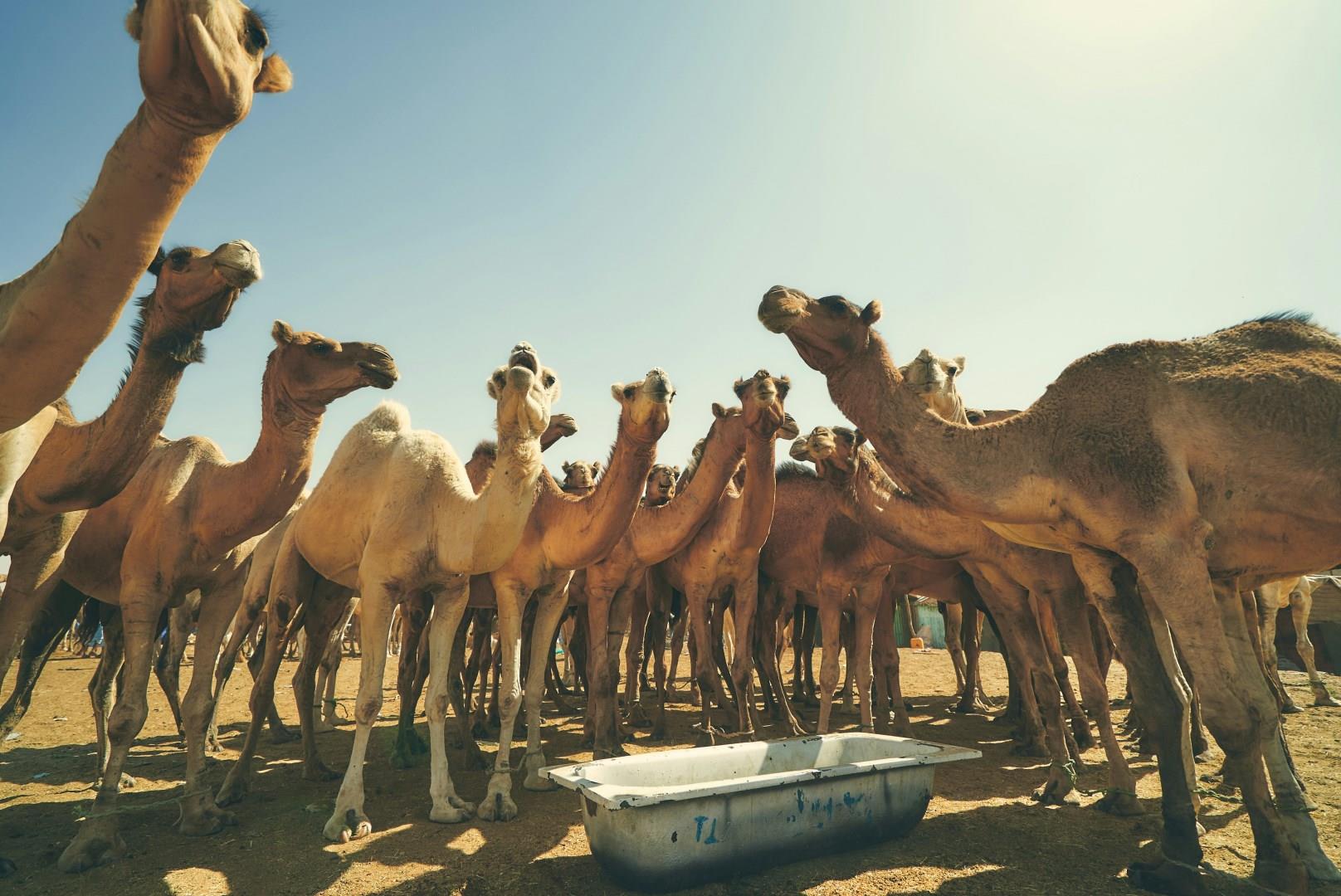
Nouakchott
Nouakchott, the capital of Mauritania, is a city that blends the desert’s quiet rhythms with the daily life of a growing urban center. Its coastal setting, unique cultural traditions, and access to the desert make Nouakchott both an introduction to Mauritania and a gateway to exploring the country further.
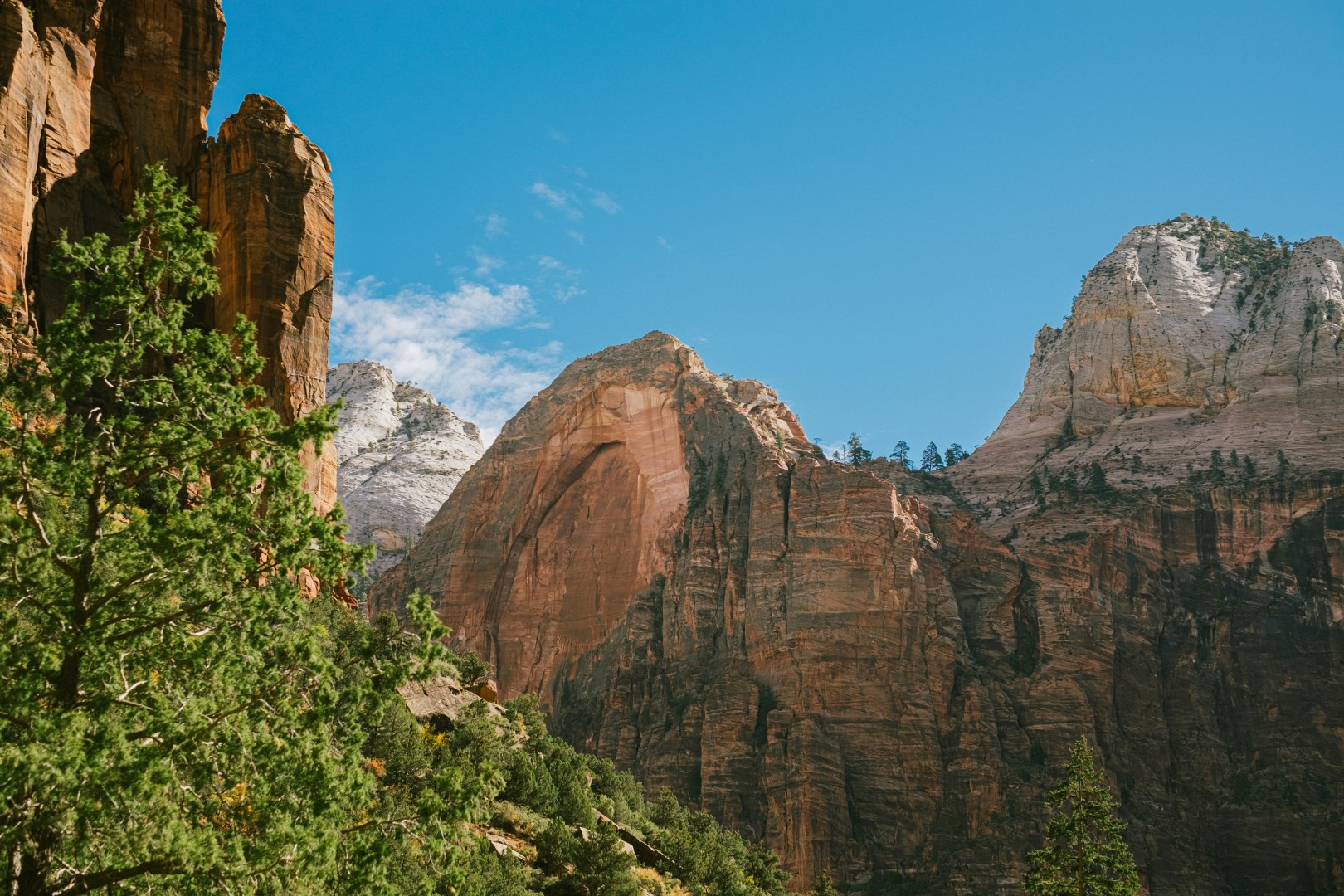
Springdale
Springdale, Utah sits at the entrance to Zion Canyon, serving as the gateway to one of the most striking landscapes in the American Southwest. The town stretches along a scenic road framed by red rock cliffs that rise sharply on either side, creating a setting that feels closely tied to the land around it. Visitors often find that even a simple walk through town offers uninterrupted views of sandstone formations that shift in color throughout the day, from pale orange to deep red.
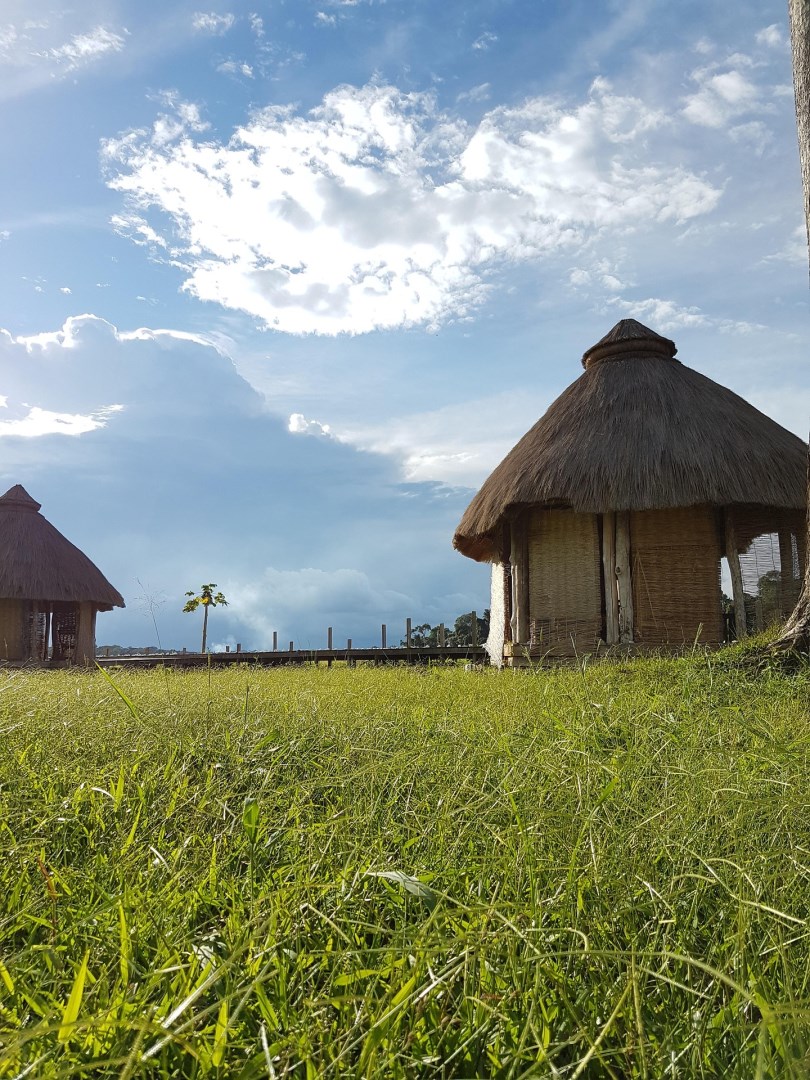
Cameroon
Cameroon is often called “Africa in miniature” for good reason. Within its borders, travelers can explore coastal beaches, dense rainforests, vast savannas, active volcanoes, and snow-capped peaks, all without crossing a border. The country’s most iconic landmark, Mount Cameroon, is the highest mountain in West Africa and an active volcano that draws hikers from around the world.

Scotland
Scotland, a land of rugged landscapes, ancient castles, and vibrant culture, offers travelers an unforgettable experience steeped in history. From the rolling hills of the Scottish Borders to the dramatic Highlands and islands, the country’s diverse scenery is a paradise.
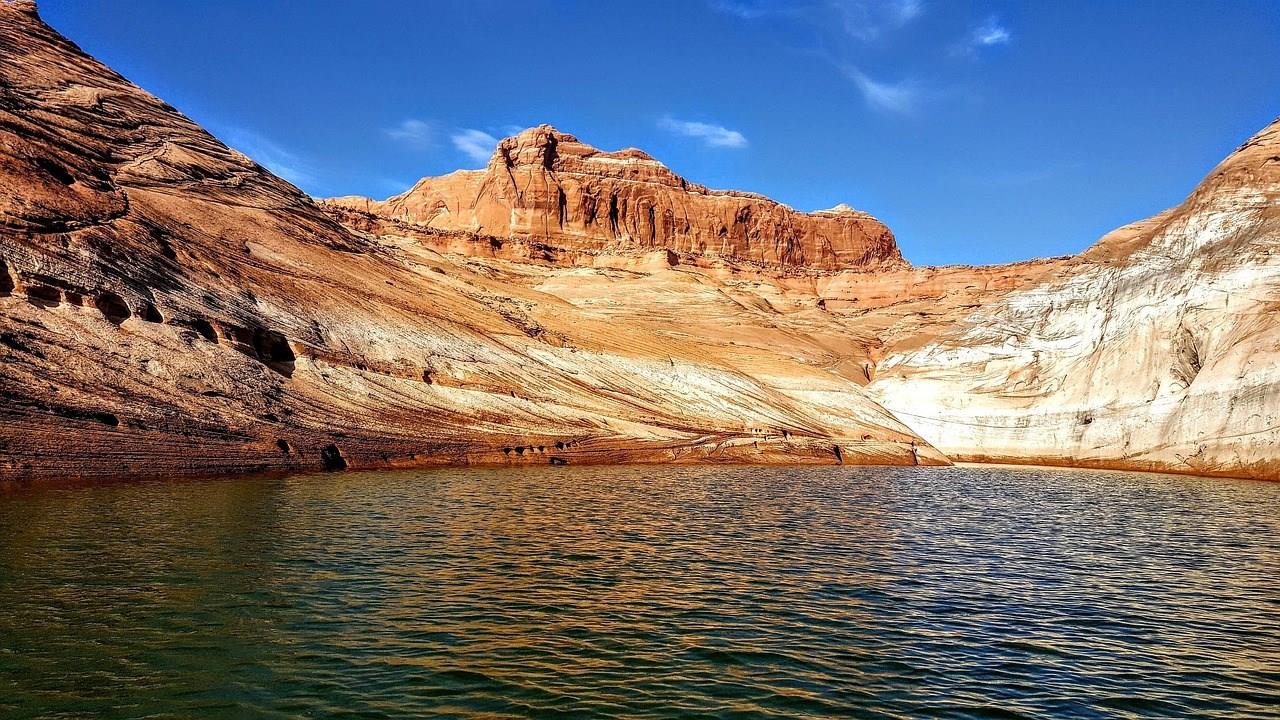
Lake Powell
Lake Powell, stretching across the Utah-Arizona border, is one of the largest manmade reservoirs in the United States. Formed by the flooding of Glen Canyon after the completion of the Glen Canyon Dam in 1963, it covers over 180 miles in length and contains nearly 2,000 miles of shoreline, more than the entire West Coast of the U.S. Despite its modern origins, the area has long been home to the Ancestral Puebloans and later Navajo communities.
