
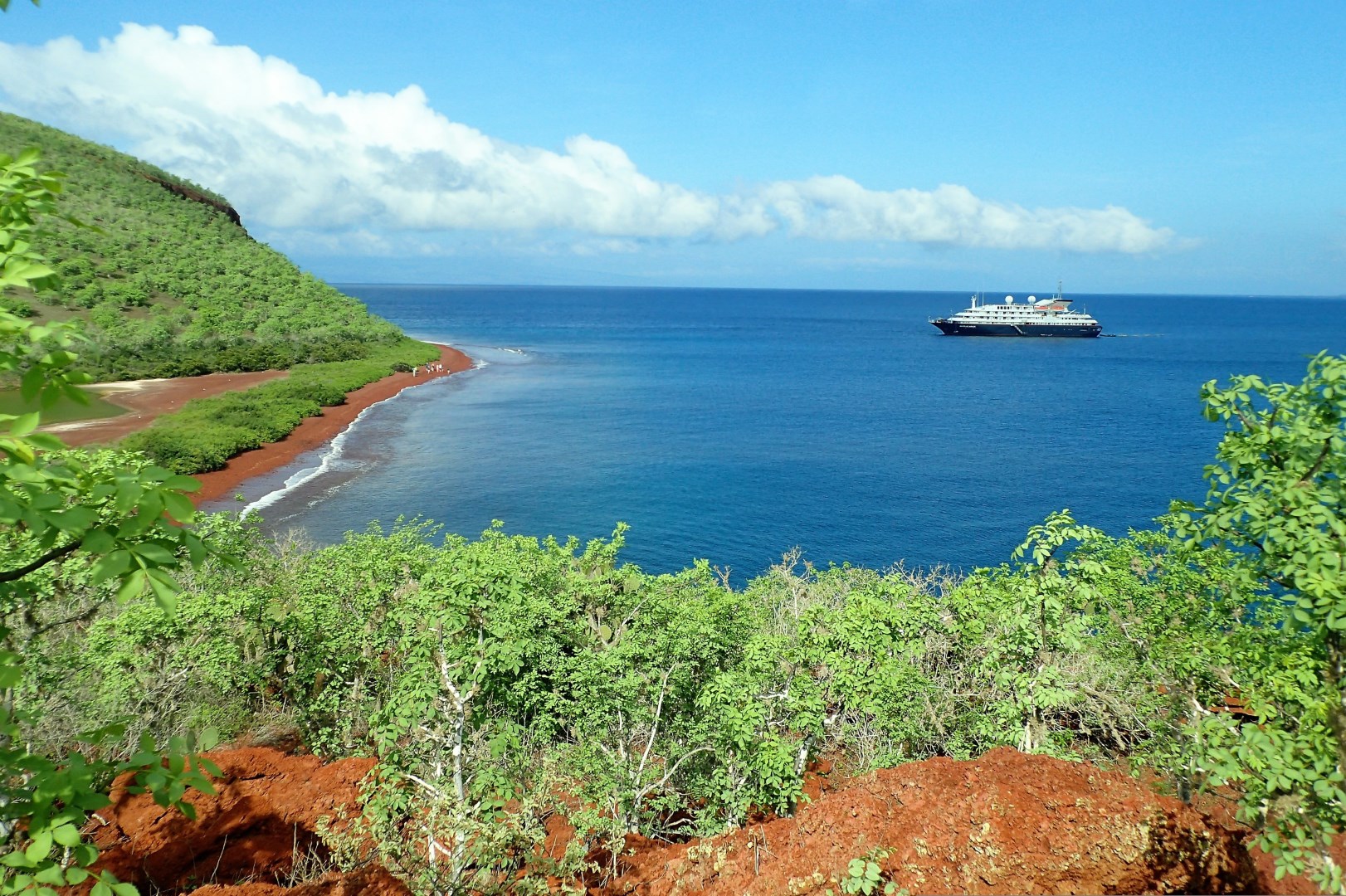
Santiago Island
Set in the heart of the Galápagos archipelago, Santiago Island offers a raw and untamed landscape shaped by volcanic forces. Unlike more developed islands in the region, Santiago remains largely uninhabited, giving visitors a rare look at ecosystems that have evolved with minimal human presence. Its coastline shifts from black lava fields to soft sandy beaches, while inland trails reveal hardened flows and scattered vegetation slowly reclaiming the terrain.
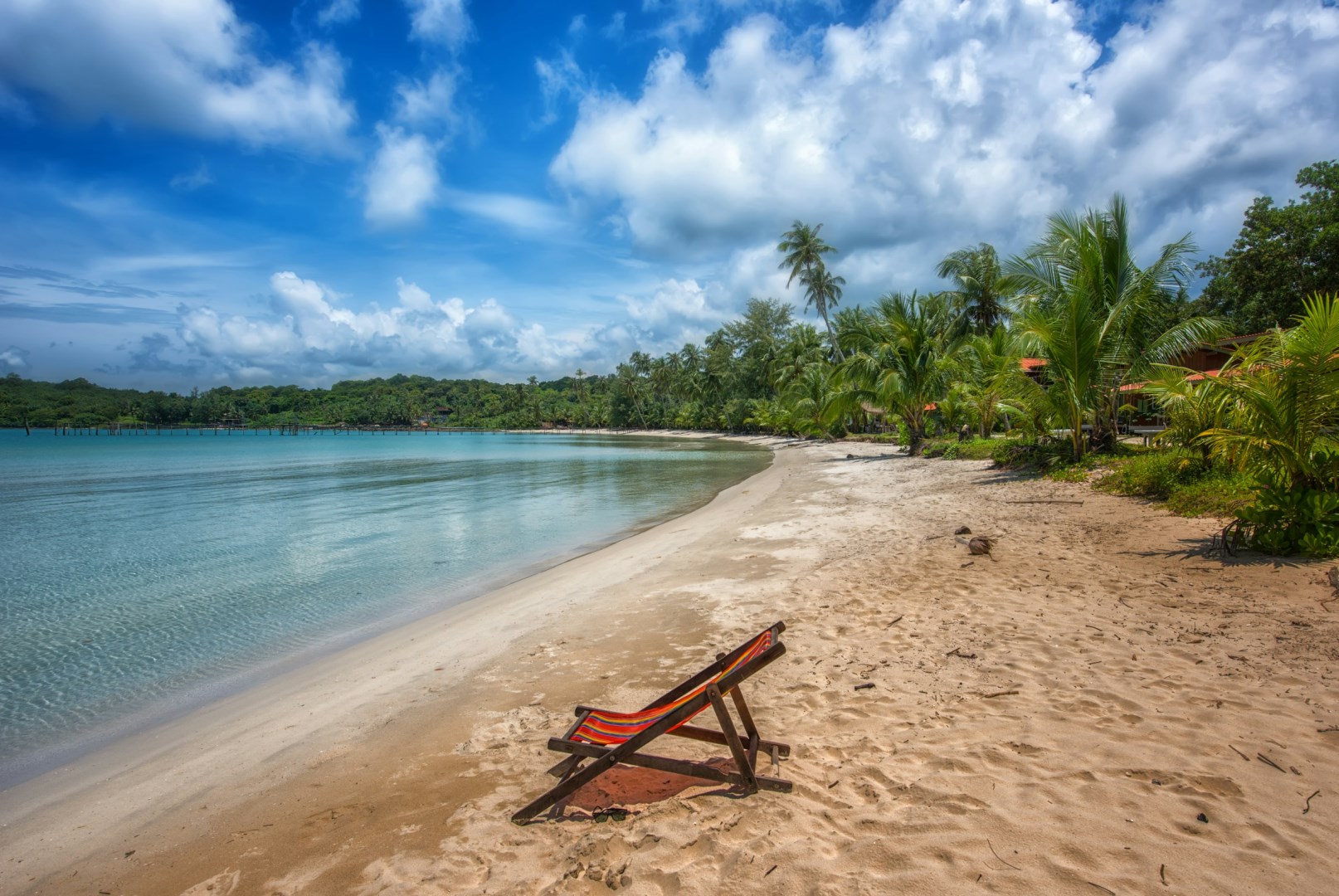
Ko Kood
Koh Kood, also spelled Koh Kut, is an island in Trat Province near Thailand’s eastern maritime border with Cambodia. It is the fourth-largest island in Thailand and the southernmost major island in the Koh Chang group. Much of its landscape consists of forested hills, coconut and fruit plantations, streams, and sandy beaches along the Gulf of Thailand.

Dominica
Dominica, known as the “Nature Island of the Caribbean,” is a haven for eco-tourists and adventure seekers. Nestled between the French islands of Guadeloupe and Martinique, this lush island boasts a remarkable landscape of volcanic mountains, dense rainforests, and stunning waterfalls. Dominica’s most iconic natural wonder is the Boiling Lake, the second-largest hot spring in the world.
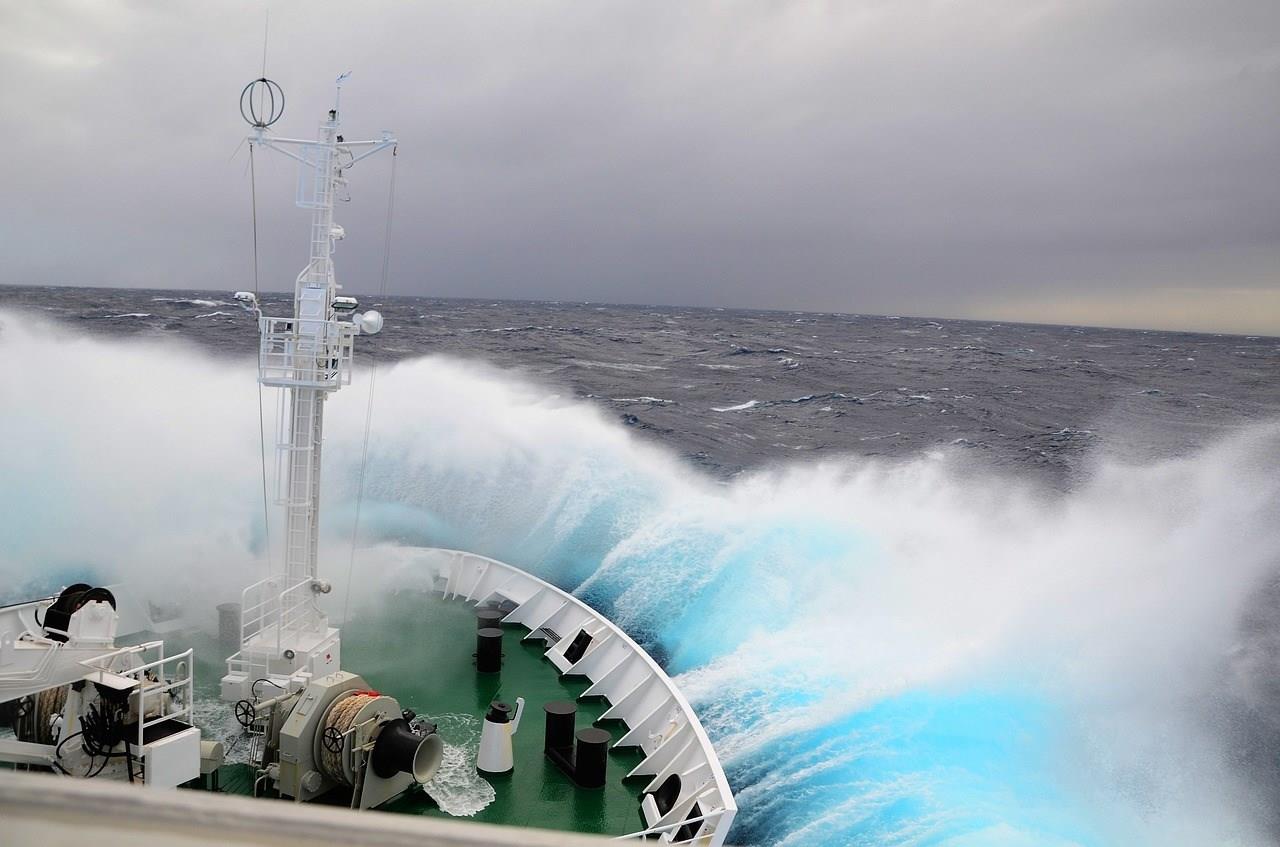
Drake Passage
Drake Passage is a stretch of ocean between Cape Horn at the southern tip of South America and the South Shetland Islands near Antarctica. It connects the Atlantic and Pacific Oceans and is widely known for rough seas, powerful currents, and rapidly changing weather.
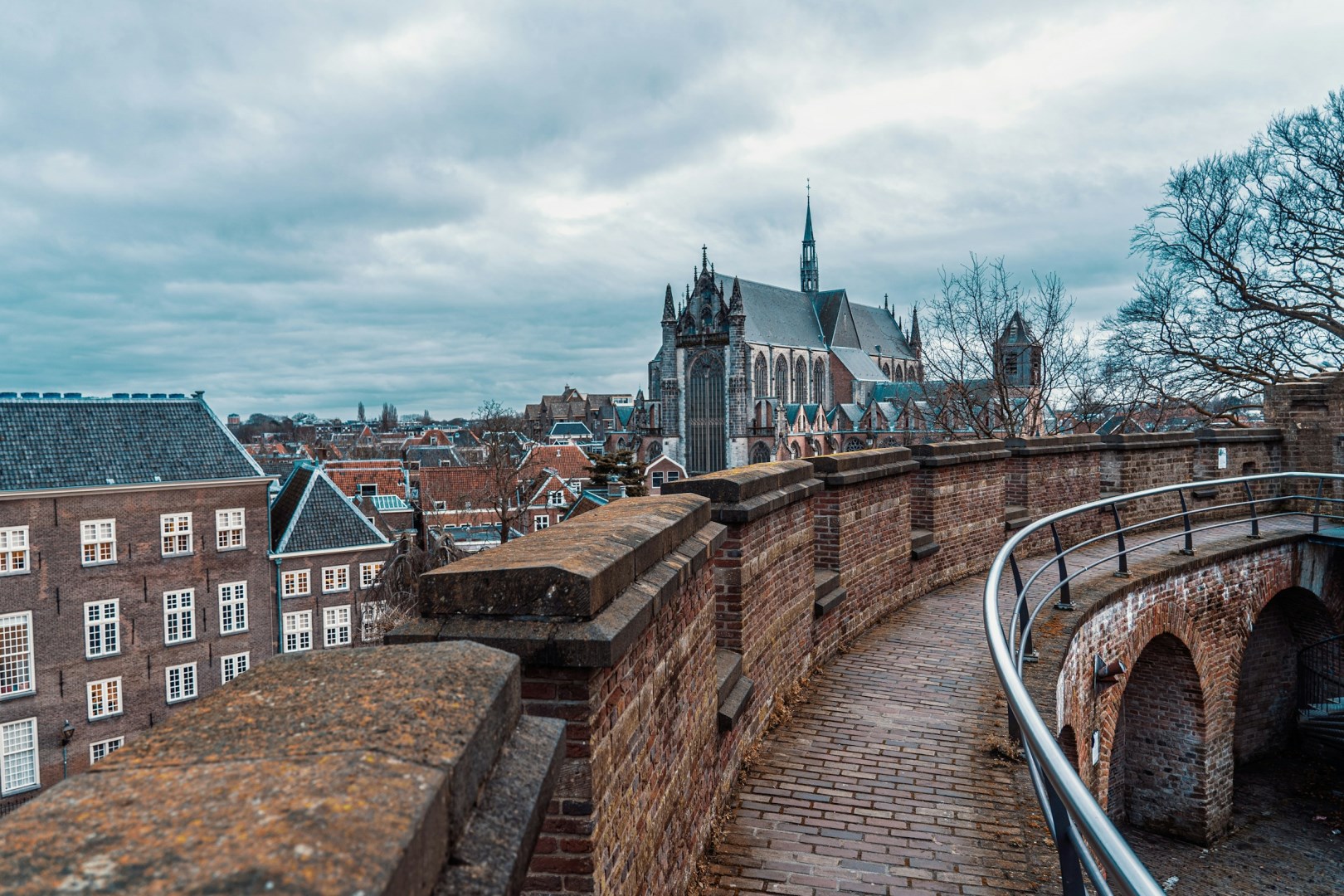
Leiden
Leiden or Leyden, city in the western Netherlands, in Zuid-Holland (South Holland) Province, on the Old Rhine River, near The Hague. Leiden is also the site of the State University of Leiden, one of the oldest and most distinguished universities in Europe. It was the birthplace of several important Dutch painters, including Rembrandt, Jan van Goyen, and Jan Steen. During the 17th century the English settlers who became known as the Pilgrims took refuge in Leiden before leaving for North America.
