

Central Asia
South Central Asia offers travelers a journey through vivid contrasts, where centuries-old temples stand beside bustling modern cities, and tea-covered hills roll into dense tropical forests. In India, visitors can witness the grandeur of Mughal architecture at the Taj Mahal, then find serenity at the ghats of Varanasi, where rituals have continued for thousands of years.
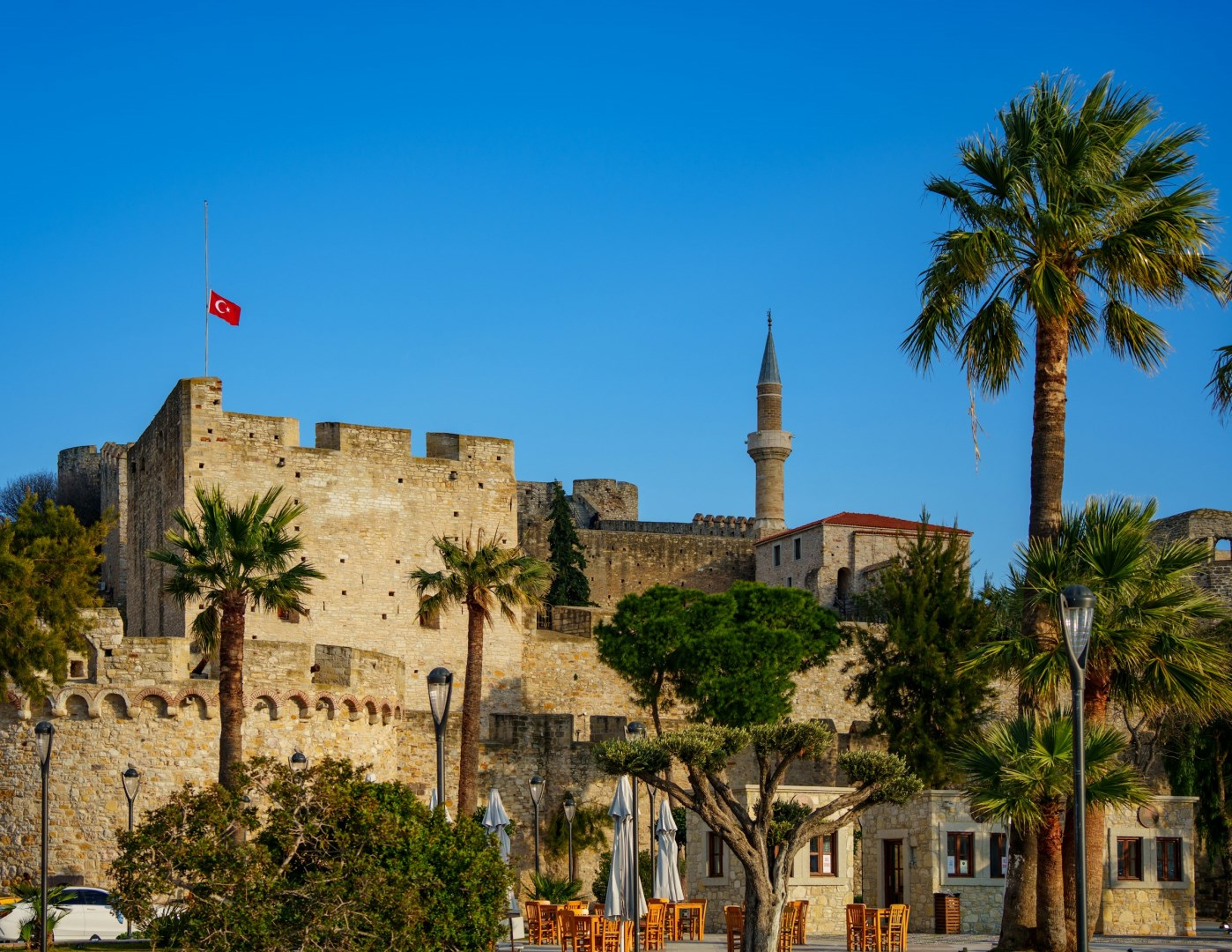
Çeşme
Çeşme is a coastal town on Turkey’s western Aegean shore, located on a peninsula opposite the Greek island of Chios. Its name means “fountain,” reflecting the numerous historic springs and fountains found around the town. Çeşme combines a busy marina and waterfront with sandy beaches, wind-swept headlands, and villages surrounded by vineyards and olive groves.
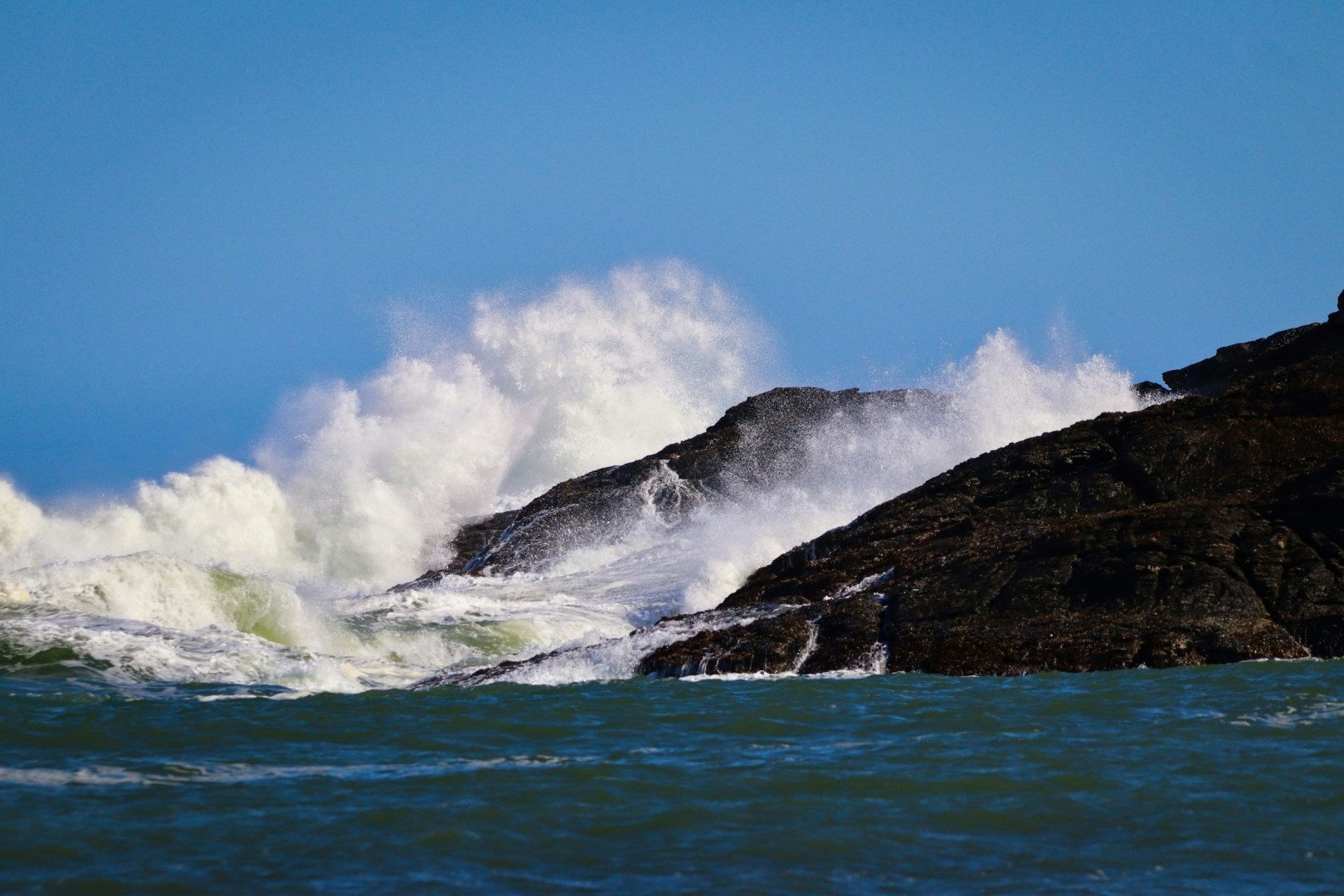
Lüderitz
This coastal town in southwestern Namibia is known for its German colonial buildings, including the art nouveau Goerke Haus, built into the rock face on Diamond Hill. Nearby, Felsenkirche is a hilltop church with panoramic bay views stretching around to Robert Harbor. The Lüderitz Museum has displays about the town’s diamond mining past as well as local and natural history.

Lithuania
Lithuania offers visitors a chance to explore a country where medieval traditions and modern culture meet. Vilnius, the capital, is known for its well-preserved Old Town, a UNESCO World Heritage site filled with winding streets, baroque churches, and cozy squares. Visitors can climb the hill to Gediminas’ Tower for a sweeping view of the city, or visit the Gates of Dawn, an important religious and historical monument that has welcomed travelers for centuries.
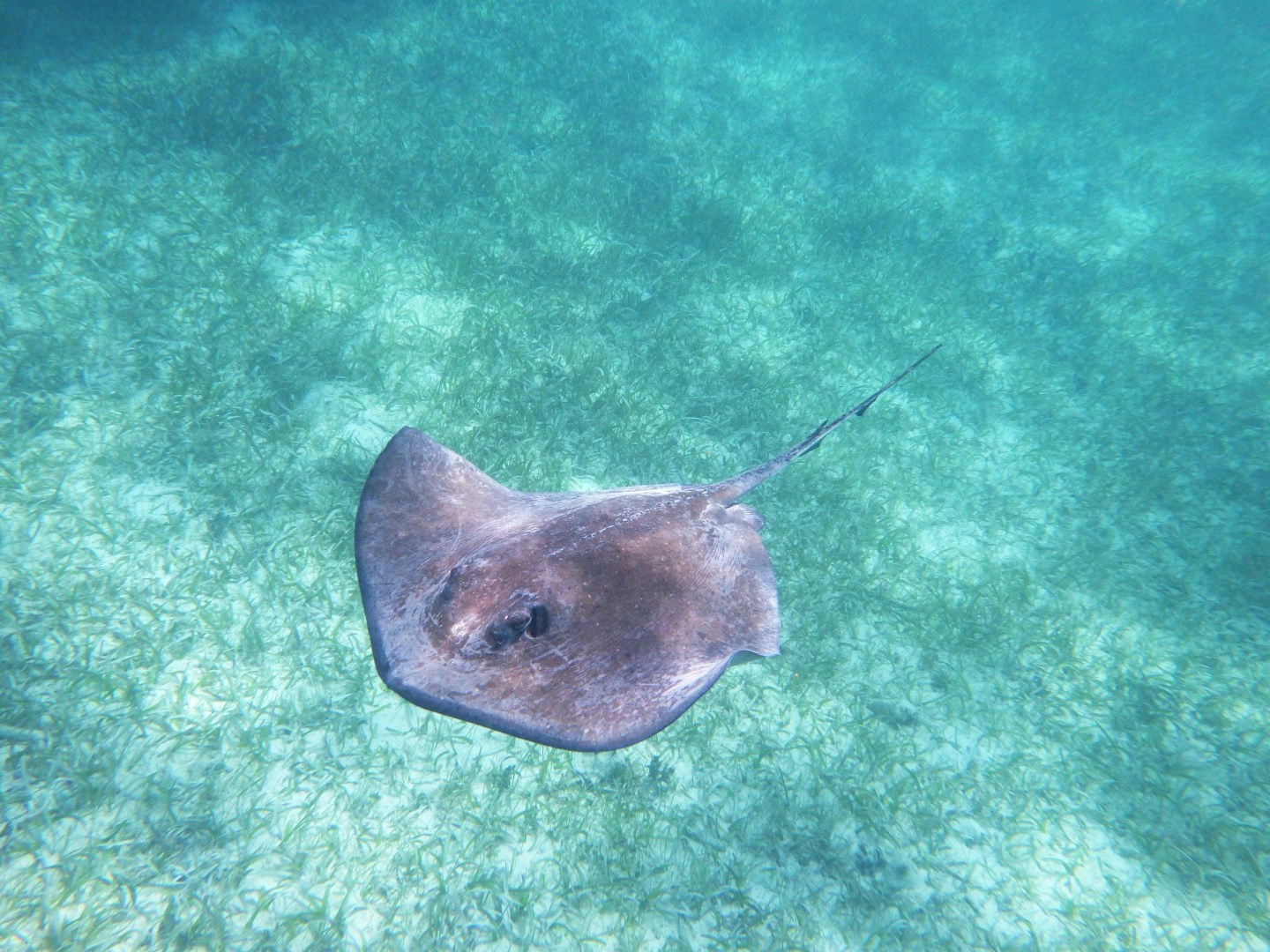
Hol Chan Marine Reserve
Hol Chan Marine Reserve lies off the southern coast of Ambergris Caye, near San Pedro in northern Belize. The protected area covers coral reefs, seagrass beds, mangroves, and channels that form part of the Belize Barrier Reef. Its name comes from the Maya words for “little channel,” referring to a natural break in the reef that allows water to move between the Caribbean Sea and the shallow lagoon.
