

Dominica
Dominica, known as the “Nature Island of the Caribbean,” is a haven for eco-tourists and adventure seekers. Nestled between the French islands of Guadeloupe and Martinique, this lush island boasts a remarkable landscape of volcanic mountains, dense rainforests, and stunning waterfalls. Dominica’s most iconic natural wonder is the Boiling Lake, the second-largest hot spring in the world.
KwaZulu-Natal
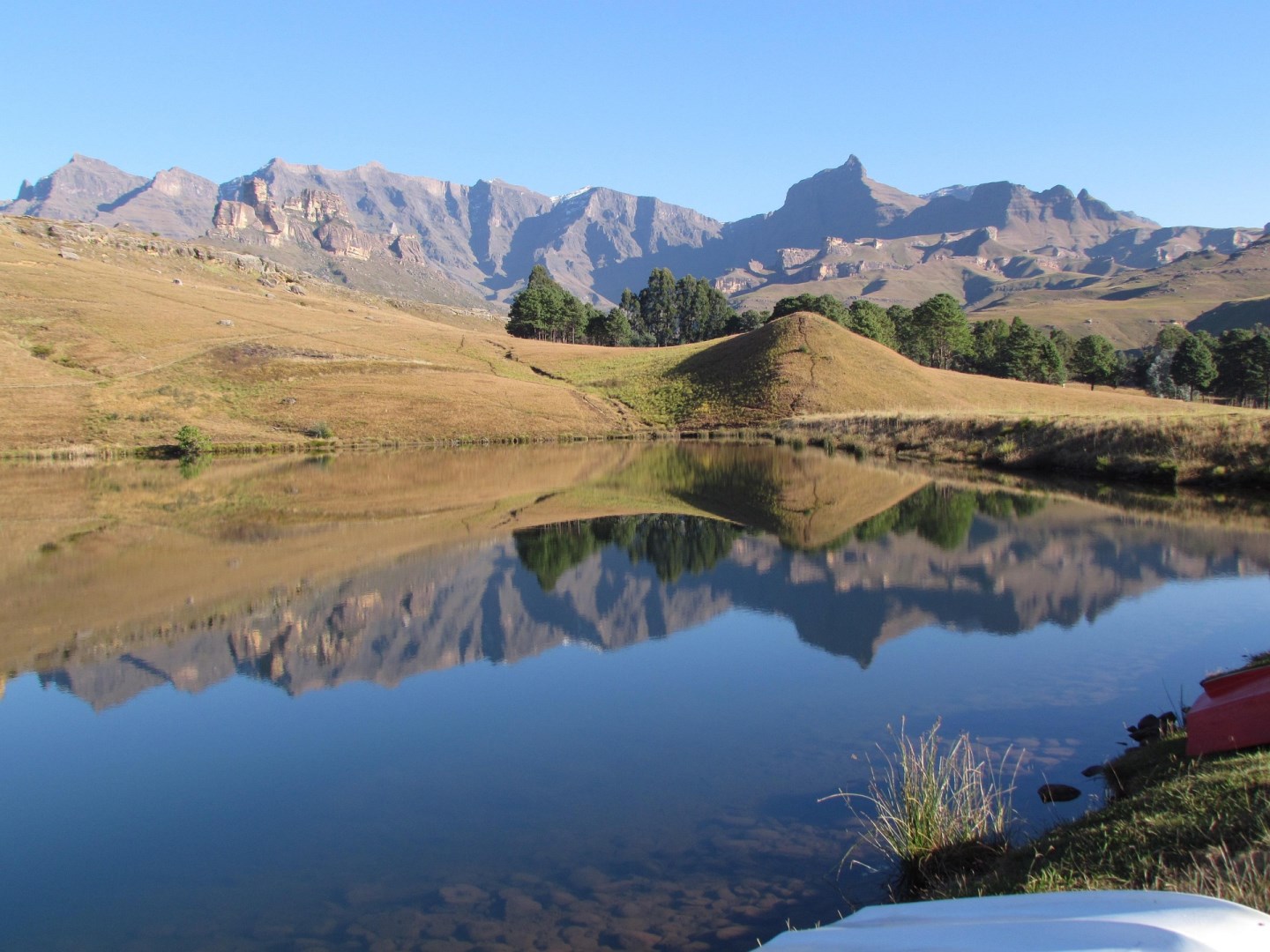
KwaZulu-Natal is a province on South Africa’s east coast, stretching from the Indian Ocean beaches around Durban to the mountains of the Drakensberg and the savanna of the interior. Its landscapes include subtropical forests, grasslands, wetlands, estuaries, sugarcane fields, and protected wildlife areas.
Ankazobe
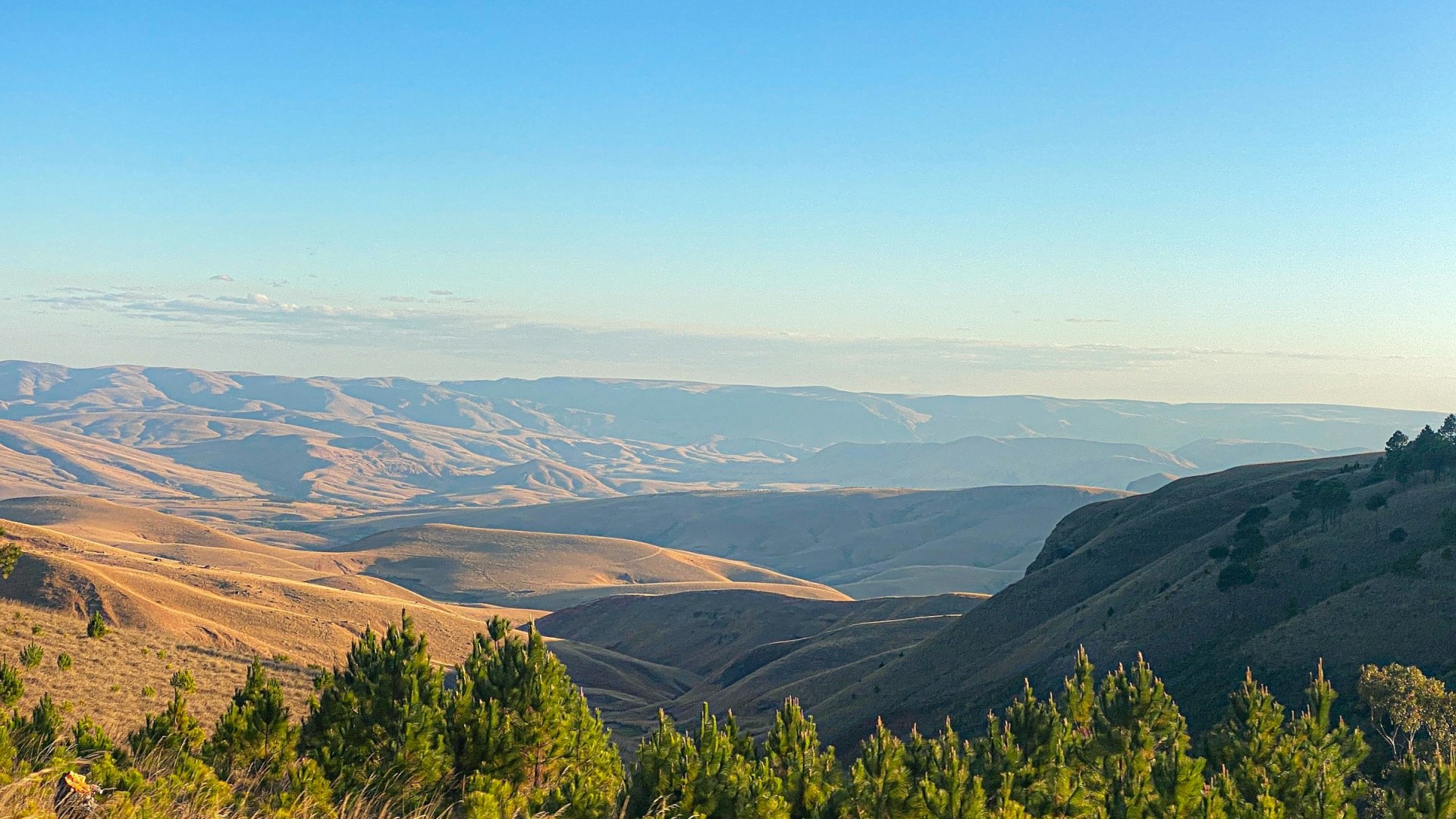
Ankazobe is a rural town in central Madagascar, located in the Analamanga region northwest of Antananarivo. The surrounding landscape consists of rolling highlands, open grasslands, rice fields, and scattered areas of forest. Its elevated setting gives the area a cooler climate than much of the island's lowland regions. Ankazobe is also part of a broader agricultural zone where farming and livestock keeping shape the countryside.

Punakha
Punakha sits in one of Bhutan’s most fertile valleys, cradled where the Mo Chhu and Pho Chhu rivers meet. For centuries it served as the kingdom’s capital and remains a place rich with stories woven through its fields, temples, and riverbanks. The city’s low elevation brings warmer weather than much of Bhutan’s highland regions, and rice paddies fill the landscape with vivid green during planting and golden hues at harvest.
Bansoa
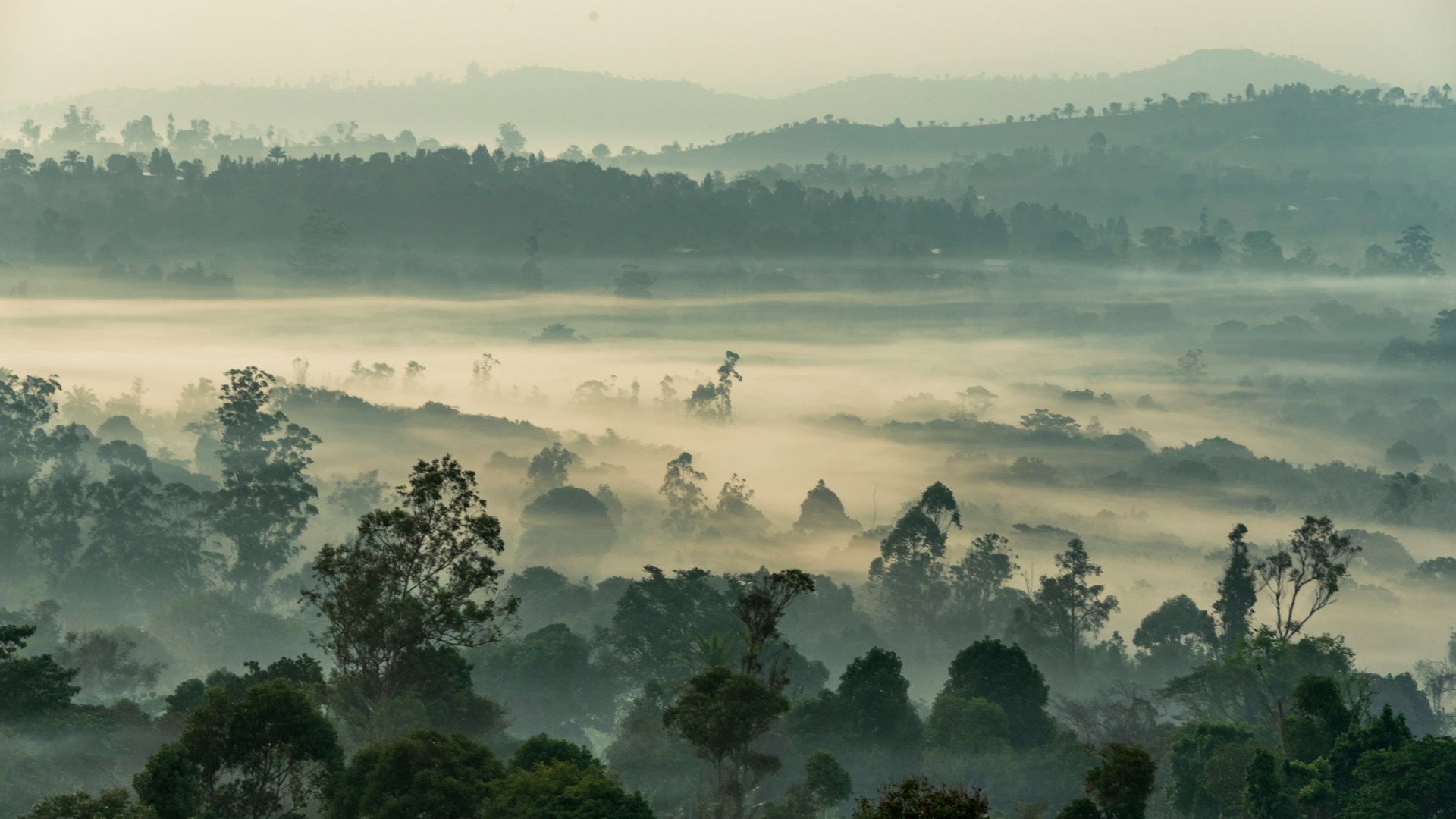
Bansoa is a highland community in Cameroon’s West Region, within the Menoua Department and the municipality of Penka-Michel.
