
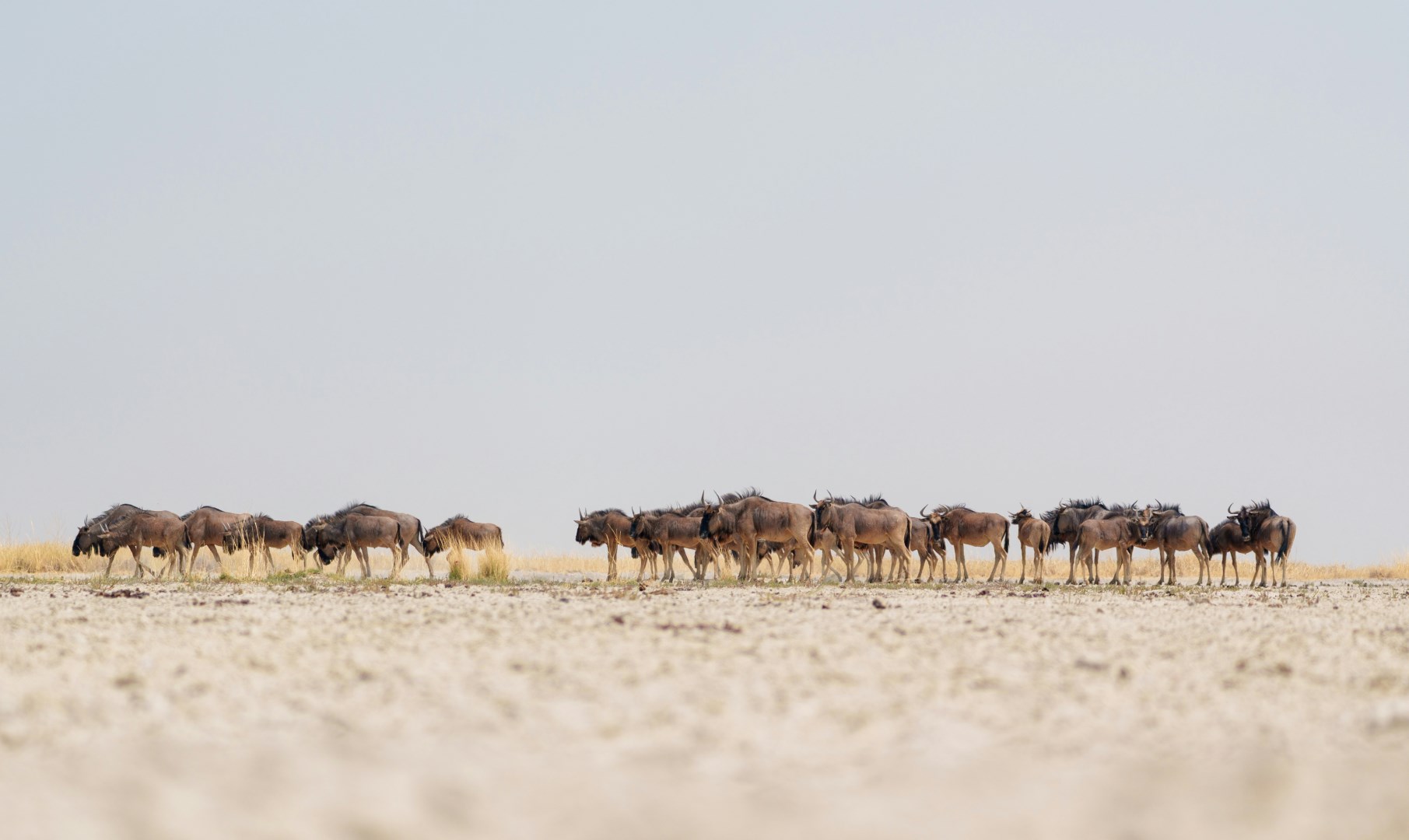
Makgadikgadi Pans National Park
Makgadikgadi Pans National Park lies in northeastern Botswana and forms part of one of the largest salt flat systems in the world. The landscape is defined by wide open pans, sandy tracks, grasslands, and scattered baobab trees that rise from the dry terrain.
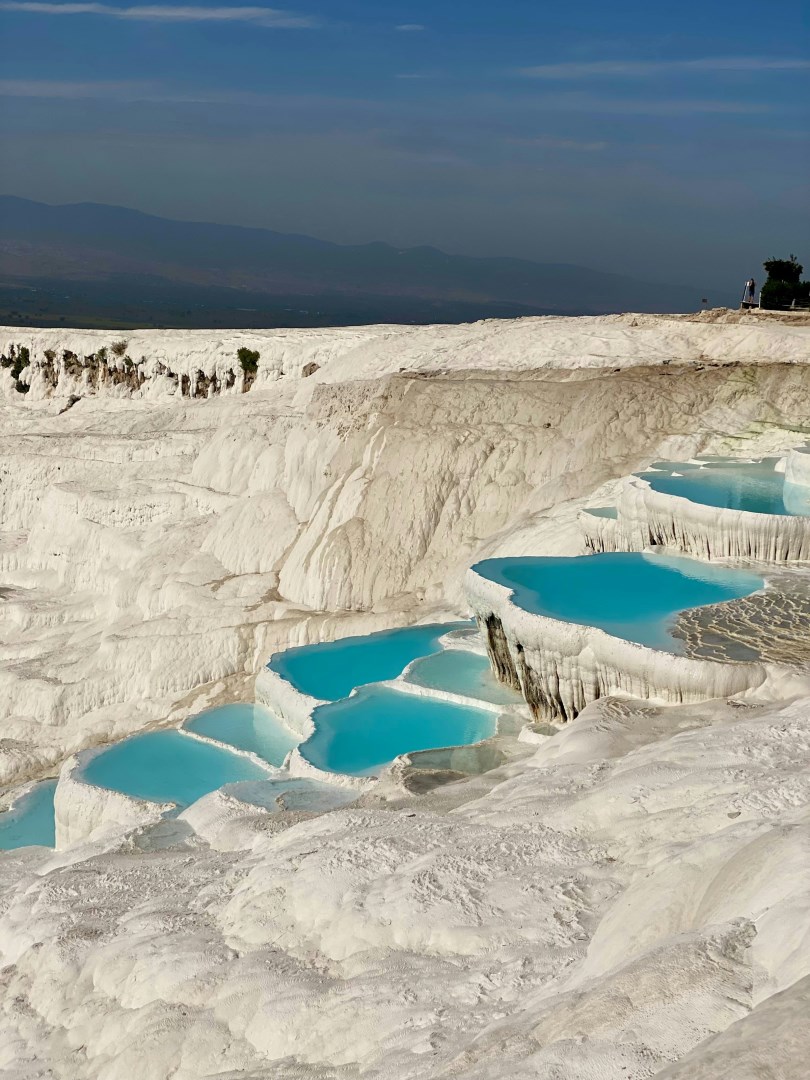
Pamukkale
Pamukkale is a fairyland of dazzling white, petrified castles. It is a magical and spectacular natural site, unique in the world. Thermal spring waters laden with calcareous salts running off the plateau's edge, have created this fantastic formation of stalactites, cataracts and basins.
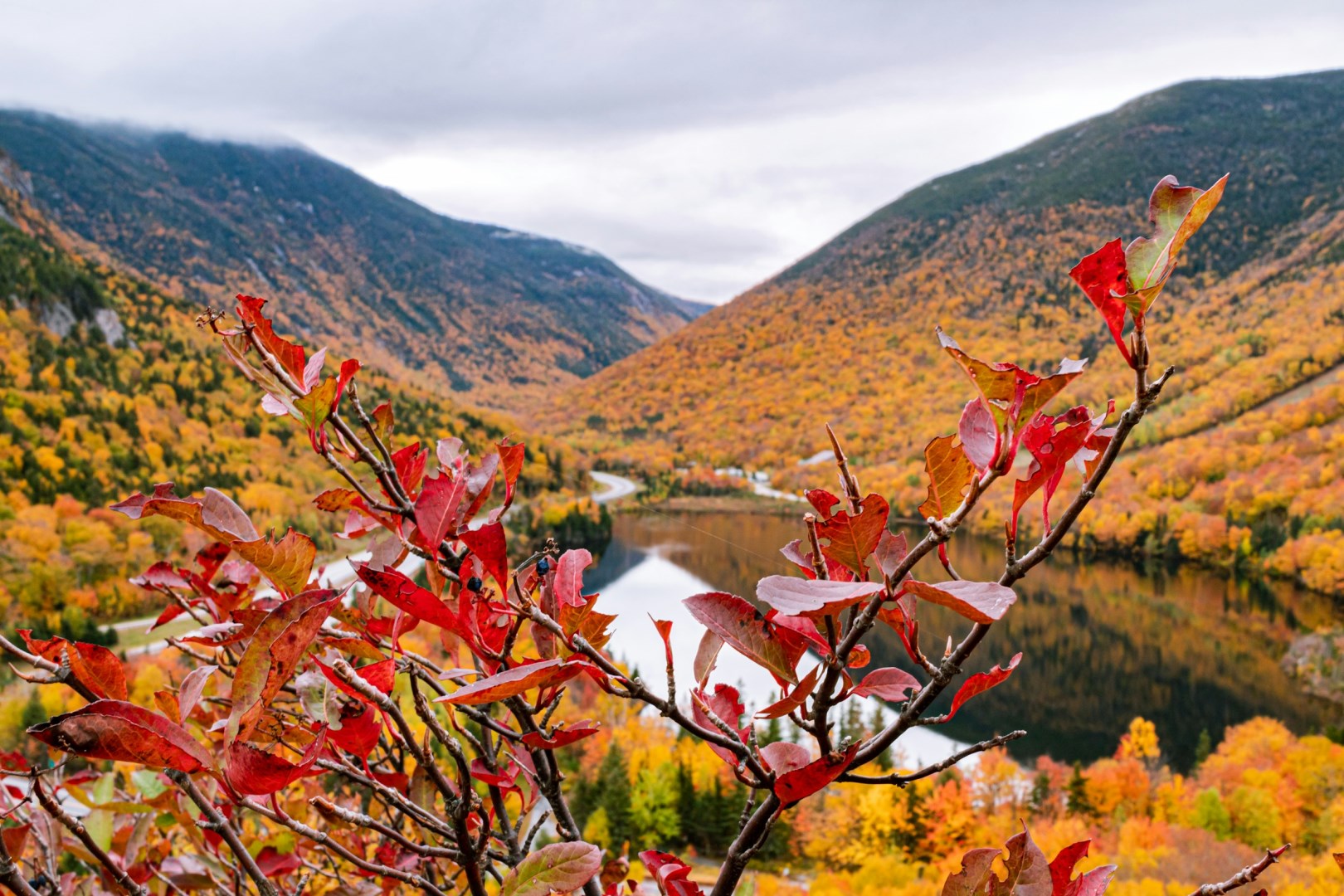
Franconia
Franconia is a small town in northern New Hampshire set within the White Mountains, with a landscape shaped by steep forested slopes, mountain valleys, and the Pemigewasset River. The town is closely associated with Franconia Notch, a dramatic mountain pass that separates the Kinsman and Franconia ranges. Its location places it near several of the region’s best-known natural landmarks while retaining a distinct village identity.
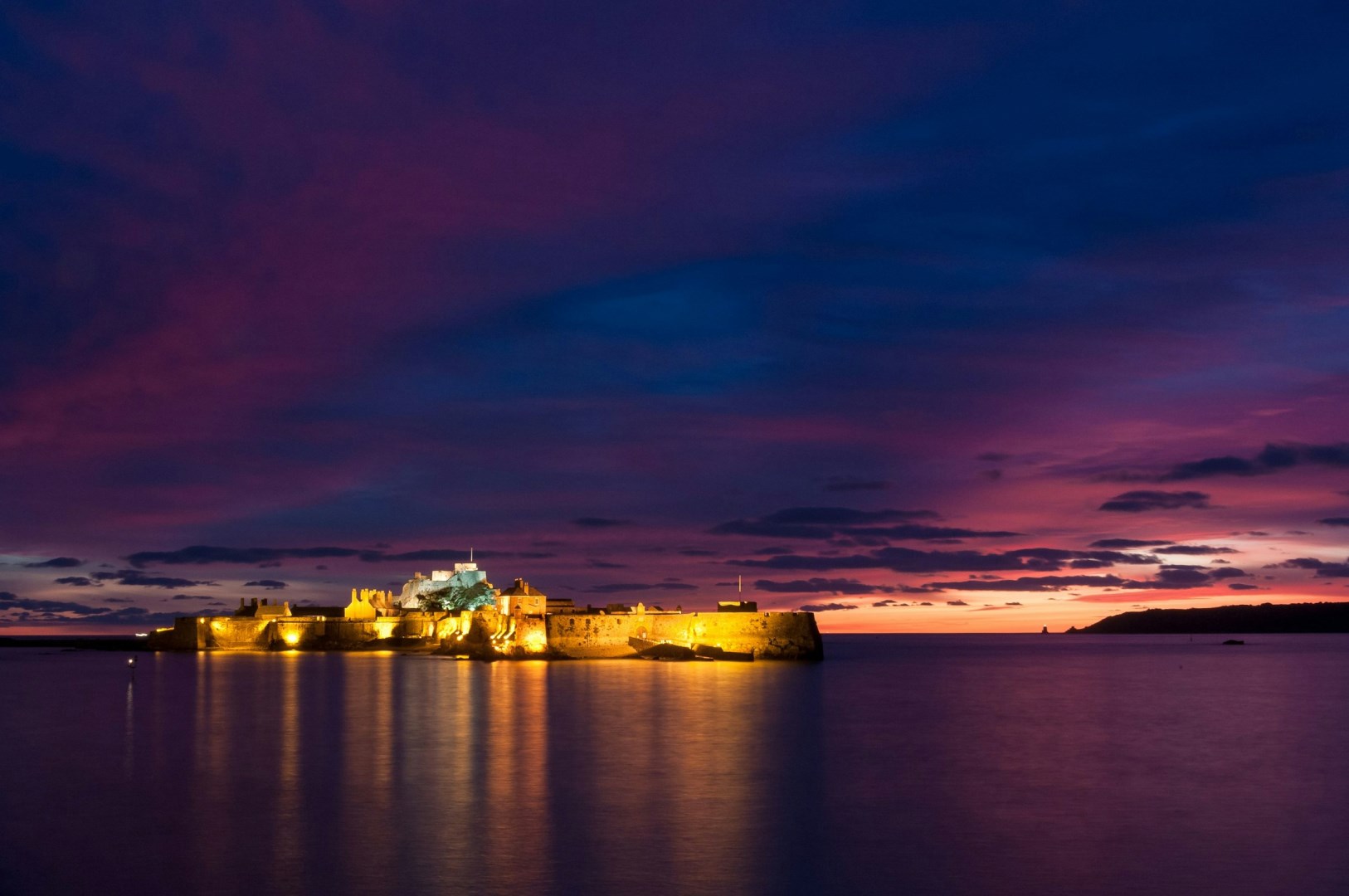
Saint Helier
Saint Helier is the capital of Jersey and the island’s main center for government, commerce, culture, and transport. The town occupies the eastern side of St Aubin’s Bay, where an historic harbor meets a compact urban center of Victorian buildings, narrow streets, public squares, and waterfront promenades. Its position makes it a practical base for exploring the rest of Jersey, while attractions within the town include the Central Market, Jersey Museum, Maritime Museum, and Elizabeth Castle.
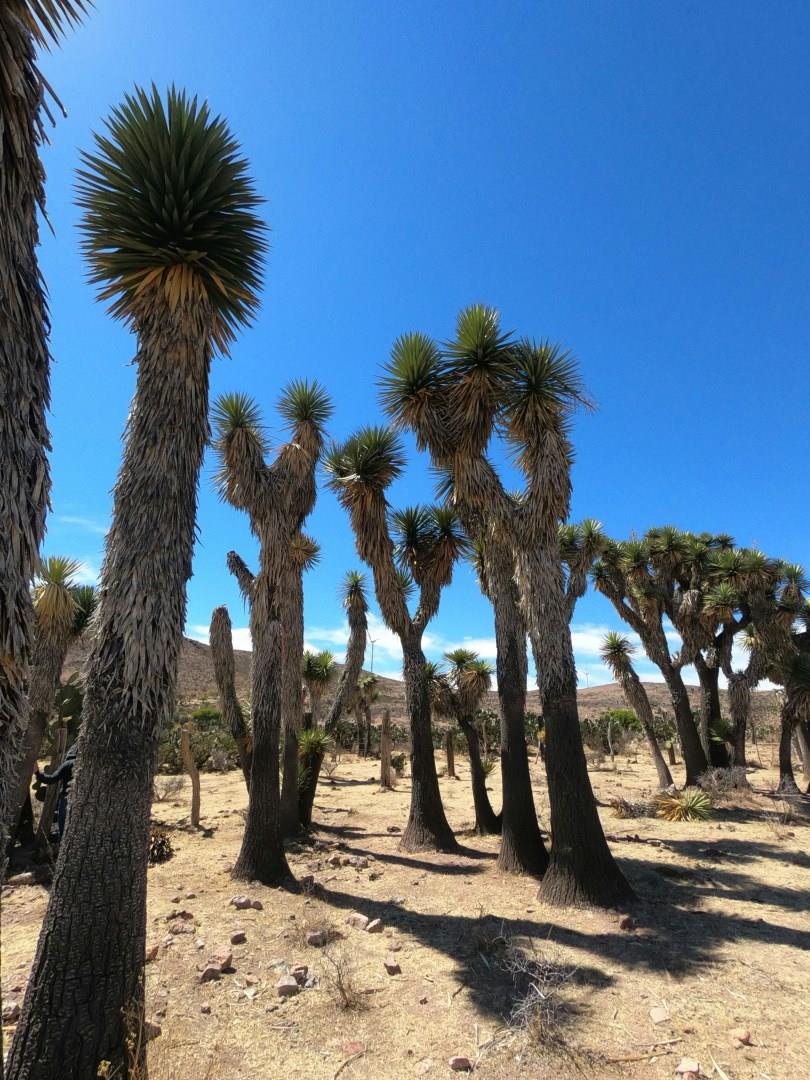
Zacatecas
Zacatecas, built into the slopes of a narrow ravine in north-central Mexico, is a city with a deep mining past and a striking skyline. The historic center, a UNESCO World Heritage Site, is known for its pink cantera stone buildings, narrow alleys, and impressive baroque facades. The Cathedral Basilica of Zacatecas, completed in 1752, stands as one of the most detailed examples of Mexican baroque architecture, with hundreds of carved figures covering its sandstone exterior.
