
Kenai Peninsula
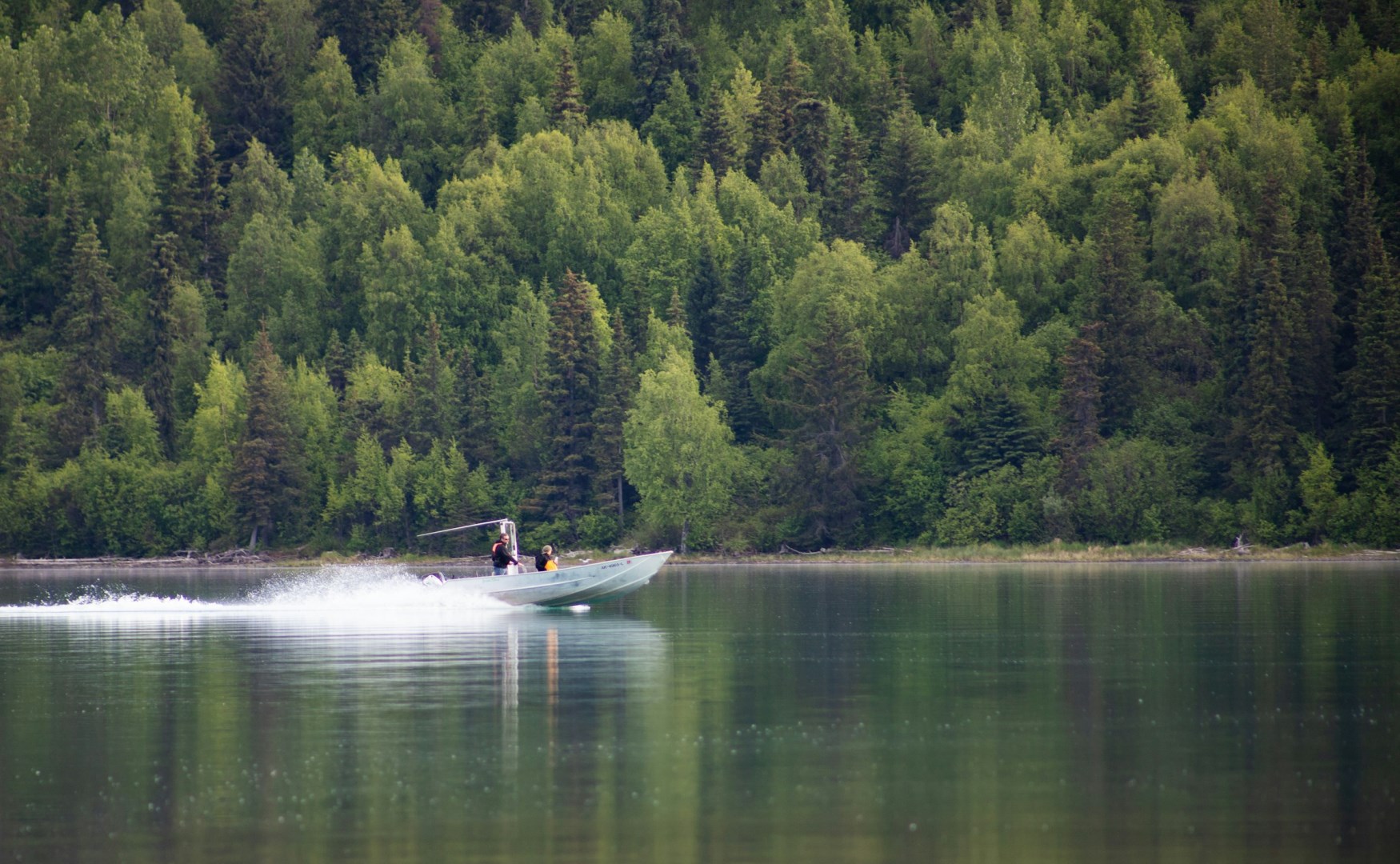
The Kenai Peninsula extends southwest from Anchorage into the Gulf of Alaska and is one of south-central Alaska’s most varied regions. Its landscape includes the Kenai Mountains, coastal forests, glaciers, broad river valleys, lakes, and a long shoreline along both Cook Inlet and the Gulf of Alaska. Communities such as Kenai, Soldotna, Seward, Homer, and Cooper Landing serve different parts of the peninsula, while the Kenai River and numerous smaller waterways connect the interior to the coast.
Kushiro
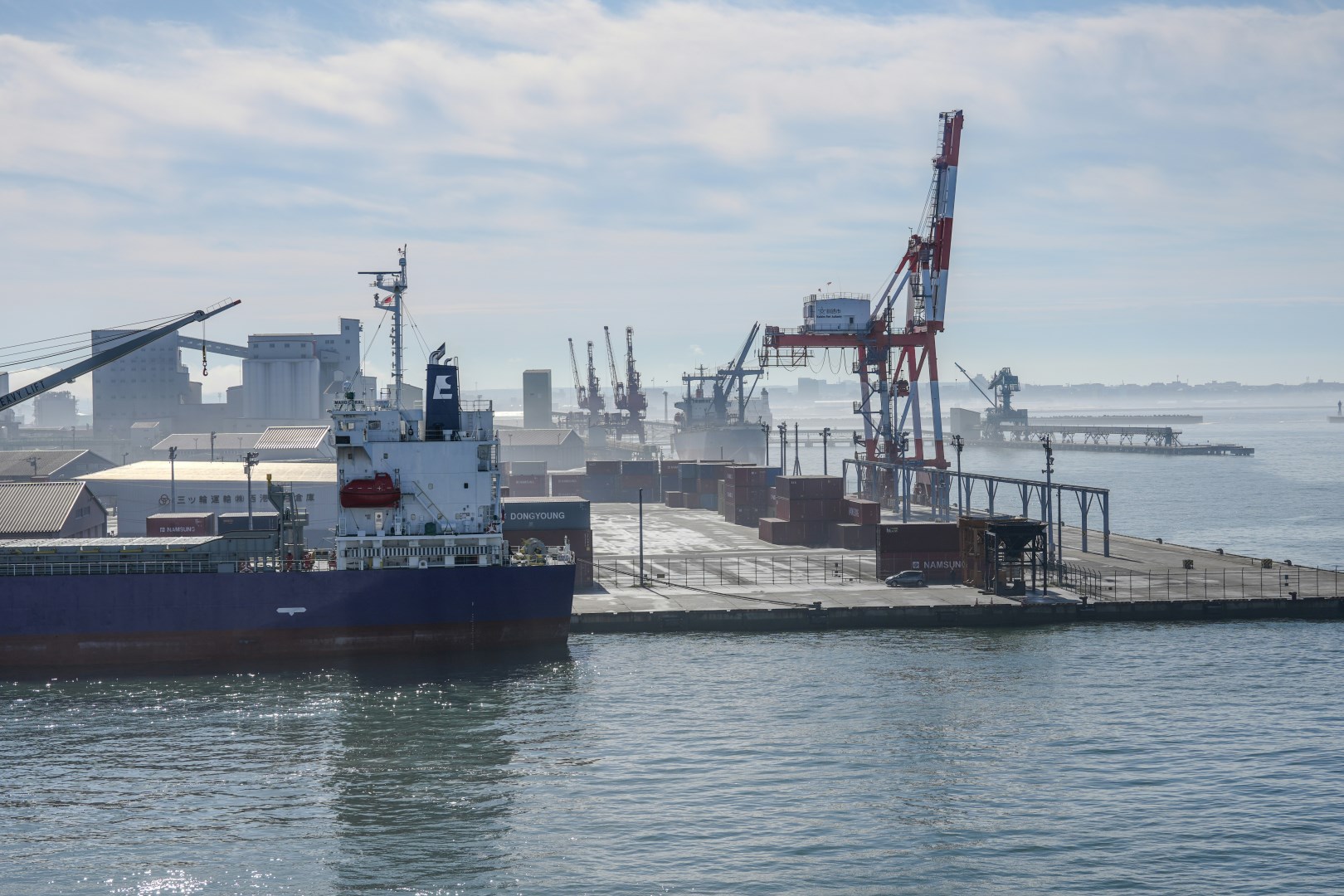
Kushiro is a port city on the eastern coast of Hokkaido, Japan’s northernmost main island. The city faces the Pacific Ocean and is known for its fishing industry, wetlands, and cool maritime climate. Fog drifting in from the sea is common during warmer months and has become one of Kushiro’s defining natural features.
Antigua
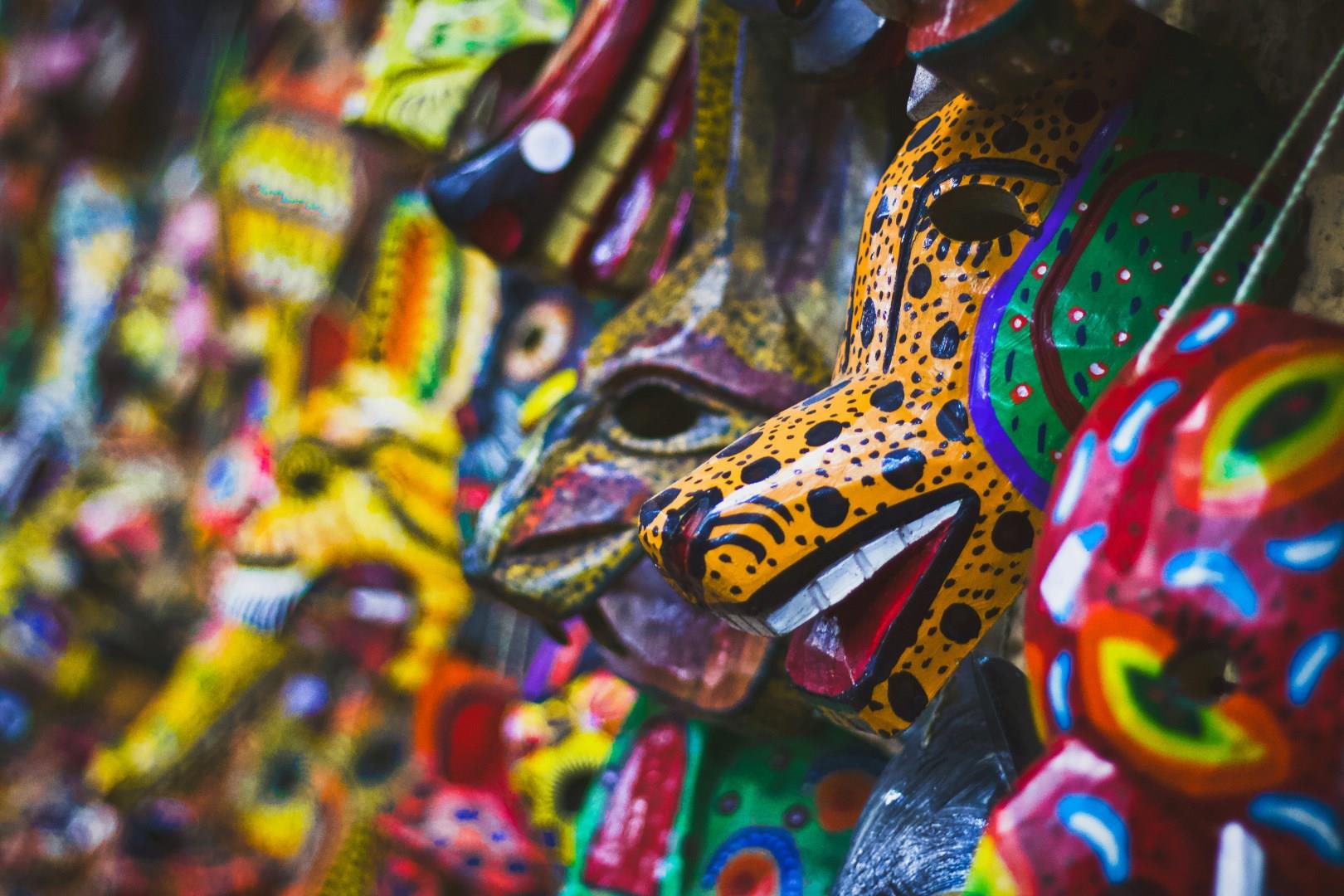
Antigua is a city shaped by centuries of artistry, tradition, and natural forces. Set in a highland valley and surrounded by volcanoes, its streets are lined with colorful buildings, hidden courtyards, and open-air plazas. The Santa Catalina Arch is one of Antigua’s most recognizable features, originally built as a passage between two sections of a convent. Today, it frames a dramatic view of Volcán de Agua and is a popular gathering spot for both locals and visitors.
Grand Étang National Park
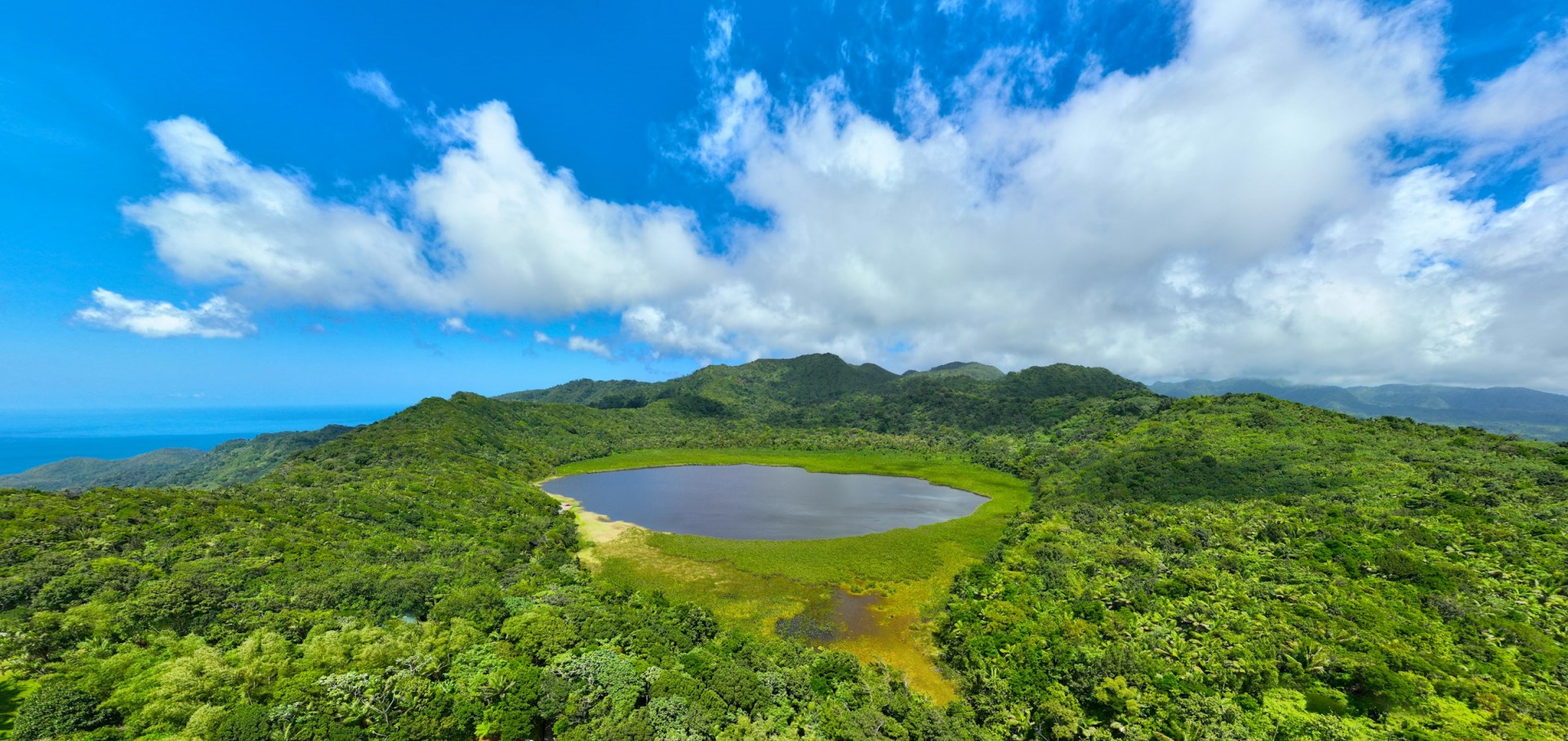
Grand Étang National Park is a protected highland area in central Grenada, surrounding Grand Étang Lake and extending across the island’s forested interior. The park lies within the volcanic mountain landscape of Grenada, where steep slopes, dense rainforest, streams, and misty uplands create conditions that differ from the drier coastal areas
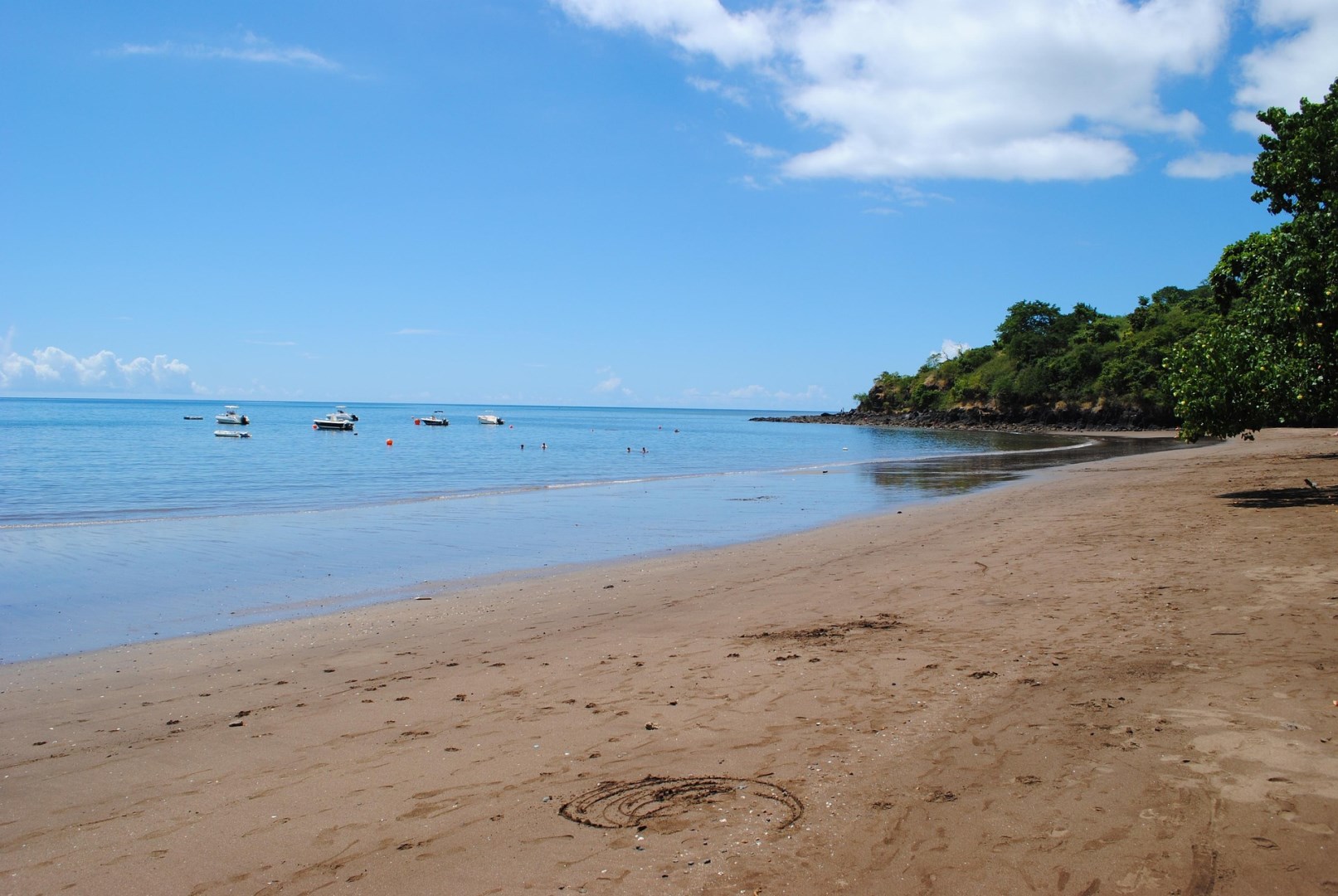
Trévani
Trévani is a coastal village on the northern side of Mayotte’s Grande-Terre, facing the island’s large lagoon. It is part of the commune of Koungou and is known for its waterfront setting, tropical vegetation, and access to the sea. The village sits near a sheltered bay where the coast curves around shallow lagoon waters, creating a landscape closely connected to fishing and marine activities.
