

Bucharest
Tree-lined avenues, grand architecture, and the imperative to live well defines Bucharest, a bustling city that is rebounding and expanding. In the 1900s, this vibrant Romanian capital was nicknamed "Little Paris" and that jubilant, raise-a-glass spirit carries over to this day.
Asunción
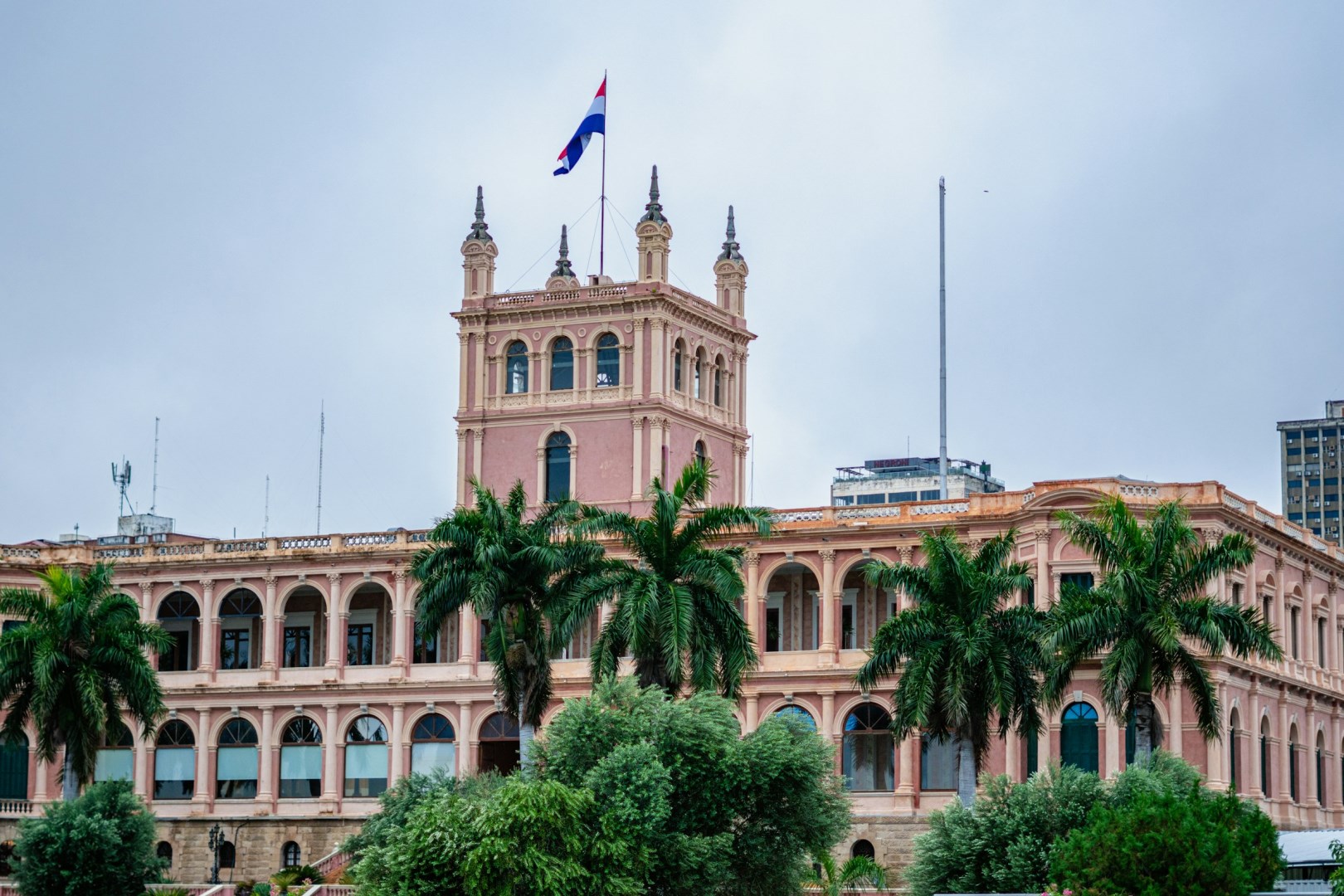
The capital, 450-year-old Asuncion ("Mother of Cities") merits a visit of unhurried nights - that way, you'll have time to sit in the main square and people-watch. The shopping in this grand city of 729,000 is the finest the country offers, and the cathedral and archaeological museum are both highlights. The governmental architecture is interesting; don't miss the Congressional Palace, Customs House and Government Palace (in the style of the Louvre).
St. Lucia
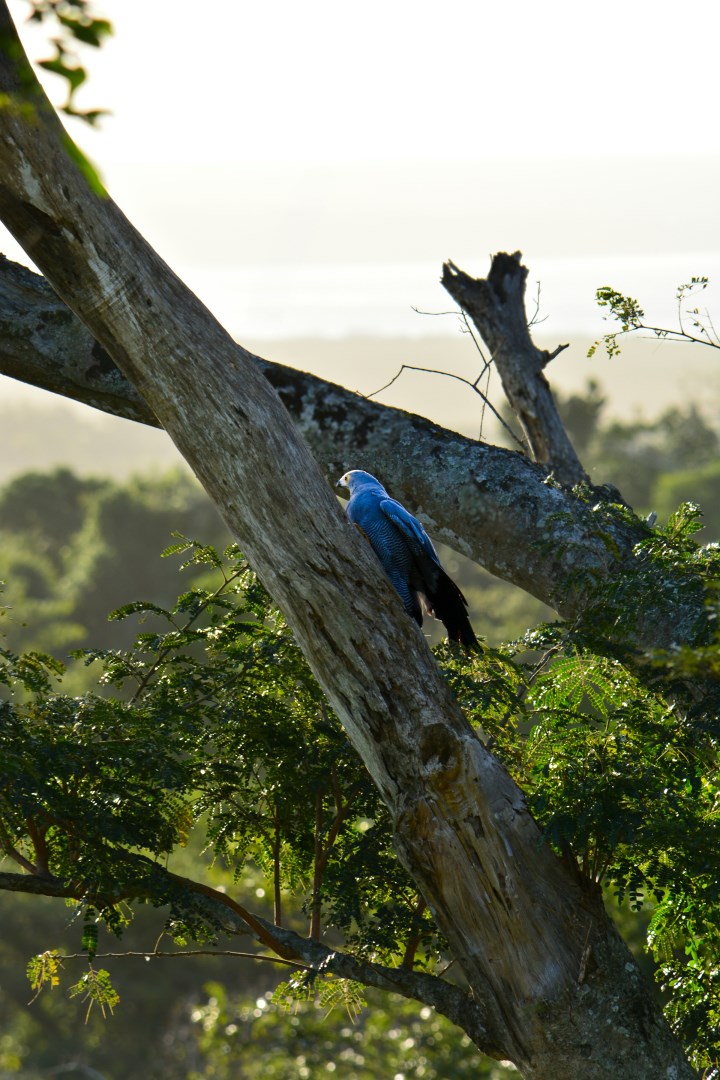
St Lucia is a small coastal town in northern KwaZulu-Natal, positioned beside the St Lucia Estuary and within the iSimangaliso Wetland Park. The town is surrounded by a landscape of wetlands, coastal forests, grasslands, dunes, lakes, and the Indian Ocean. Its location makes it a base for exploring one of South Africa’s most diverse protected areas, where freshwater and marine environments occur close together.
Tampico
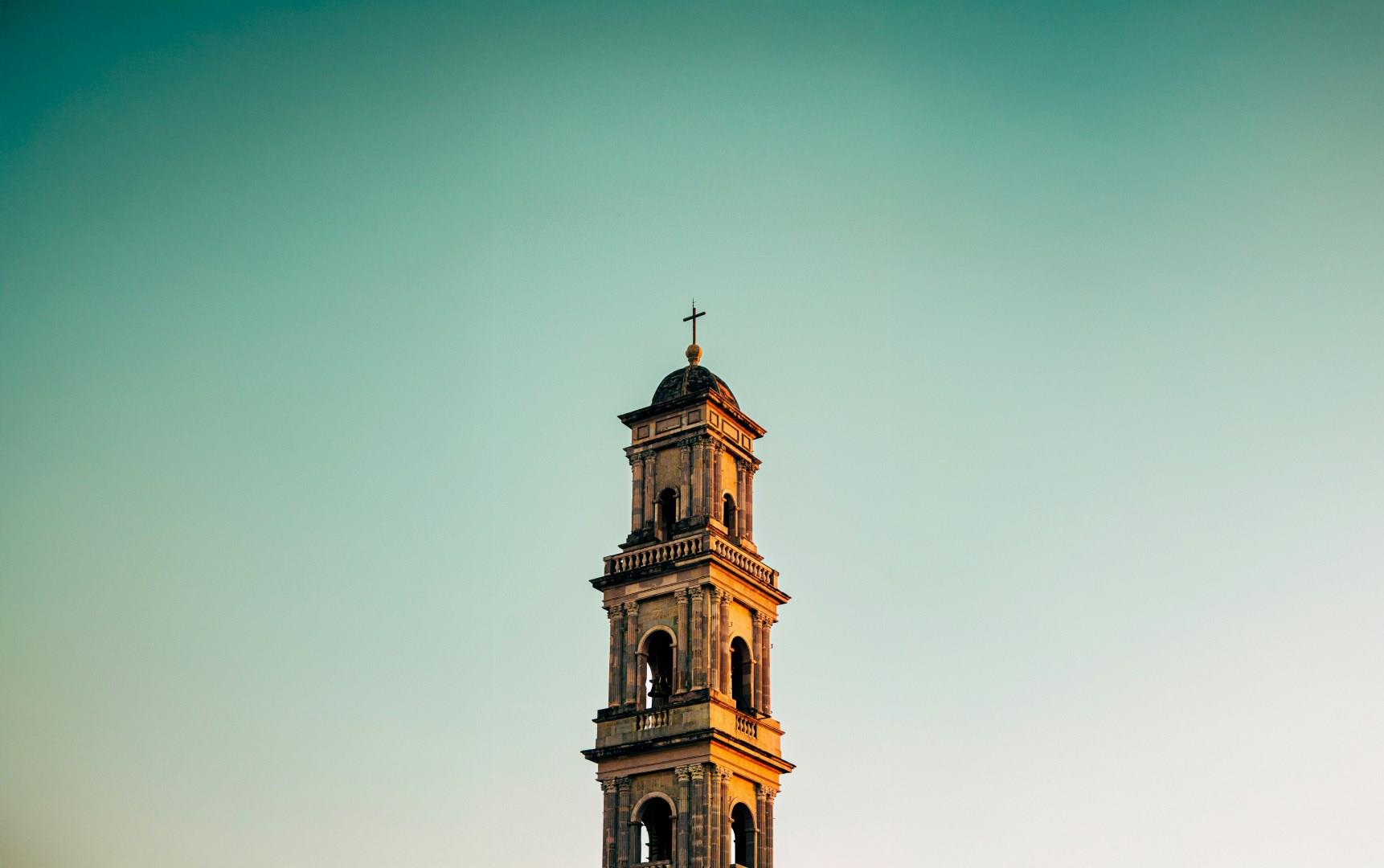
Tampico, located on the Gulf Coast of Tamaulipas, is a port city with a layered history shaped by trade, oil, and immigration. Its downtown district is known for neoclassical buildings, many of which were constructed with imported bricks and ironwork from Europe during the oil boom of the early 20th century. One of Tampico’s most photographed structures is the Mercado Municipal, rebuilt in recent years but still functioning as a central hub for daily life.

Mozambique
Mozambique, stretching along the southeast coast of Africa, is a country celebrated for its long Indian Ocean shoreline, colorful traditions, and layered history. The country’s coastline is among its greatest treasures.
