
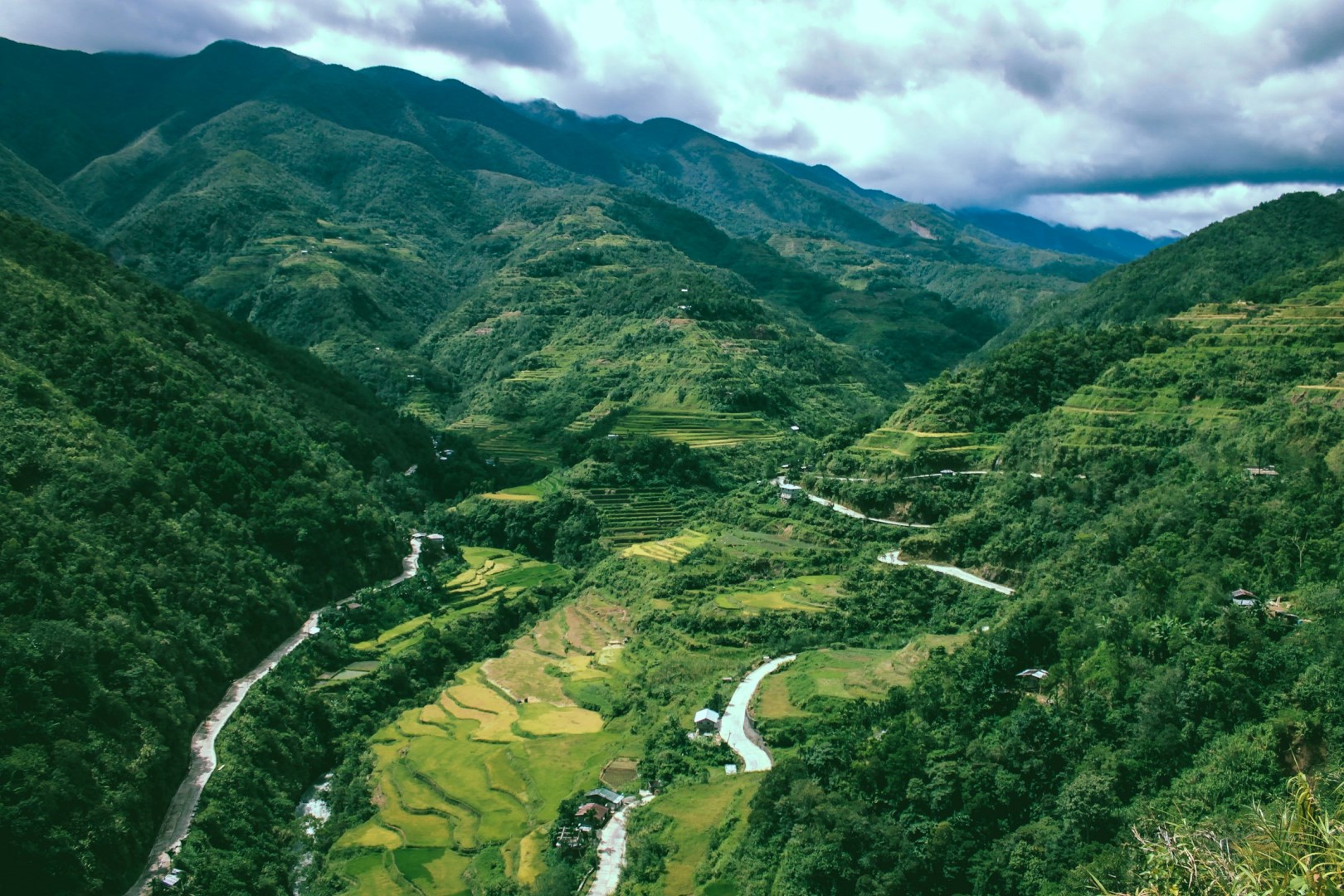
Luzon
Luzon is the 15th largest island in the world, and the most populous island in the Philippines, home to 53 million people and the country’s capital, Manila. Luzon boasts a unique and eye-catching topography, with a variety of terrains and distinct geographical features. The north’s flat coastline and tropical pine forests meet at the site of Mount Pulag, Luzon’s tallest mountain peak.
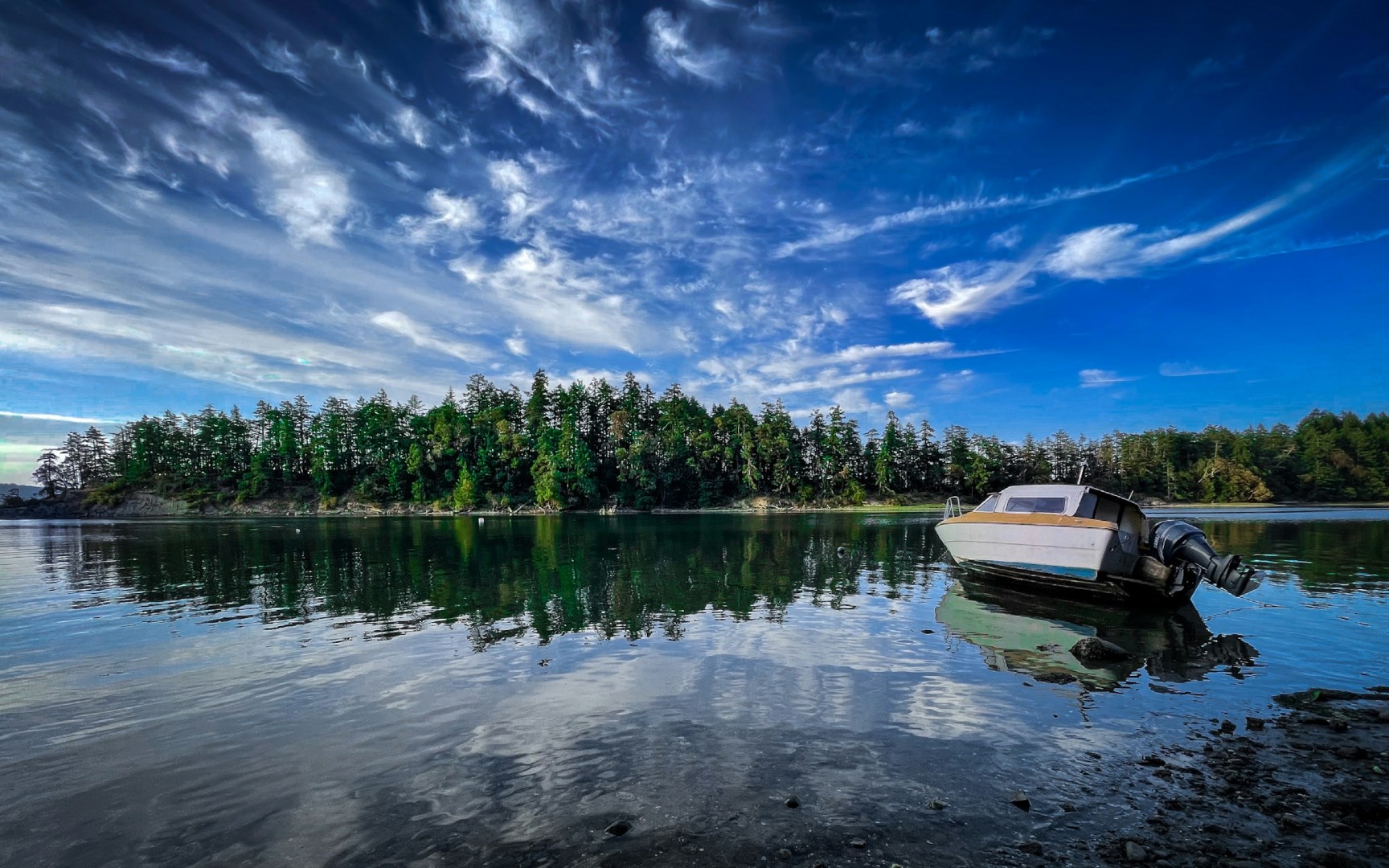
Salt Spring Island
Salt Spring Island is the largest of British Columbia’s Southern Gulf Islands, situated between Vancouver Island and the mainland in the Salish Sea. The island is known for its forested hills, sheltered bays, small farms, and network of rural roads. Ganges serves as the main community and a centre for shops, galleries, cafés, and waterfront activity, while Fulford Harbour and Vesuvius provide additional ferry connections.
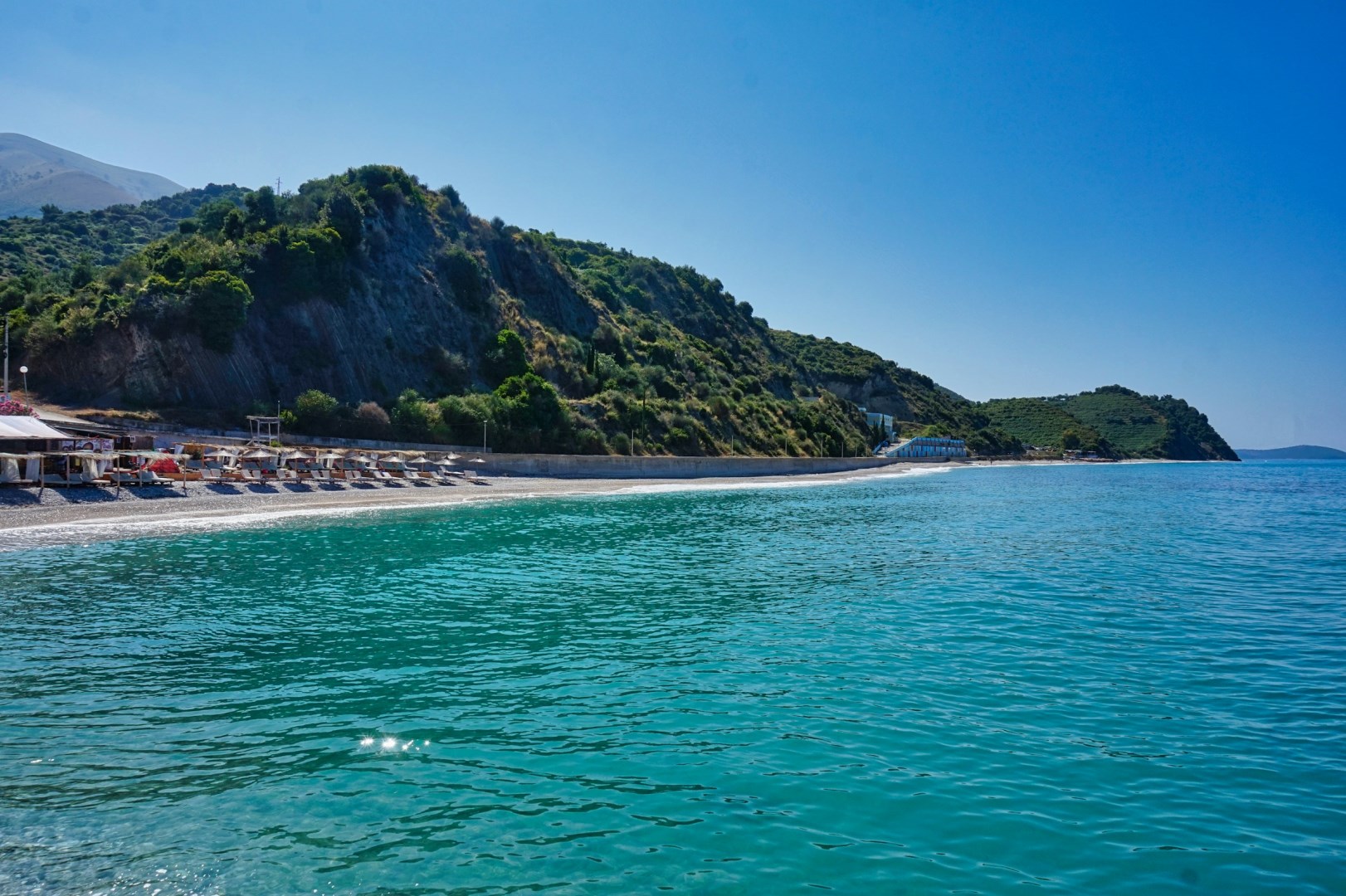
Albanian Riviera
The Albanian Riviera is a stretch of Ionian coastline in southern Albania, extending from the Llogara area toward Sarandë and including coastal settlements such as Palasë, Dhërmi, Vuno, Himarë, Qeparo, Borsh, and Lukovë. The landscape combines steep mountain slopes with rocky coves, sandy and pebble beaches, olive groves, and clear coastal waters.
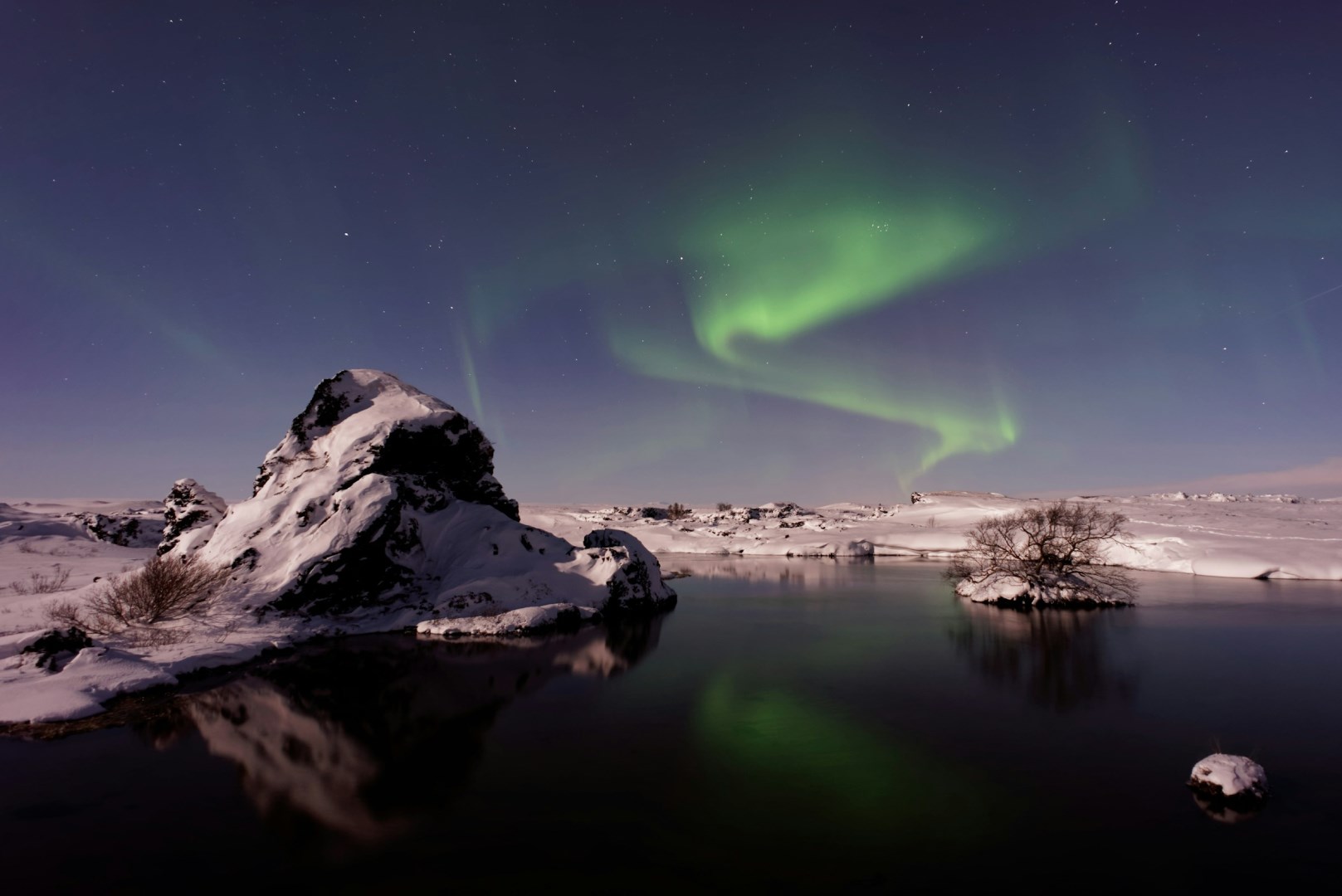
Mývatn
Mývatn is a lake and surrounding region in North Iceland, known for its shallow waters, numerous small islands, volcanic formations, and rich birdlife. The lake covers about 37 square kilometers and is part of an internationally important wetland together with the Laxá River. The surrounding landscape was shaped by volcanic activity, creating a mixture of lava fields, craters, geothermal areas, and wetlands within a relatively compact area.
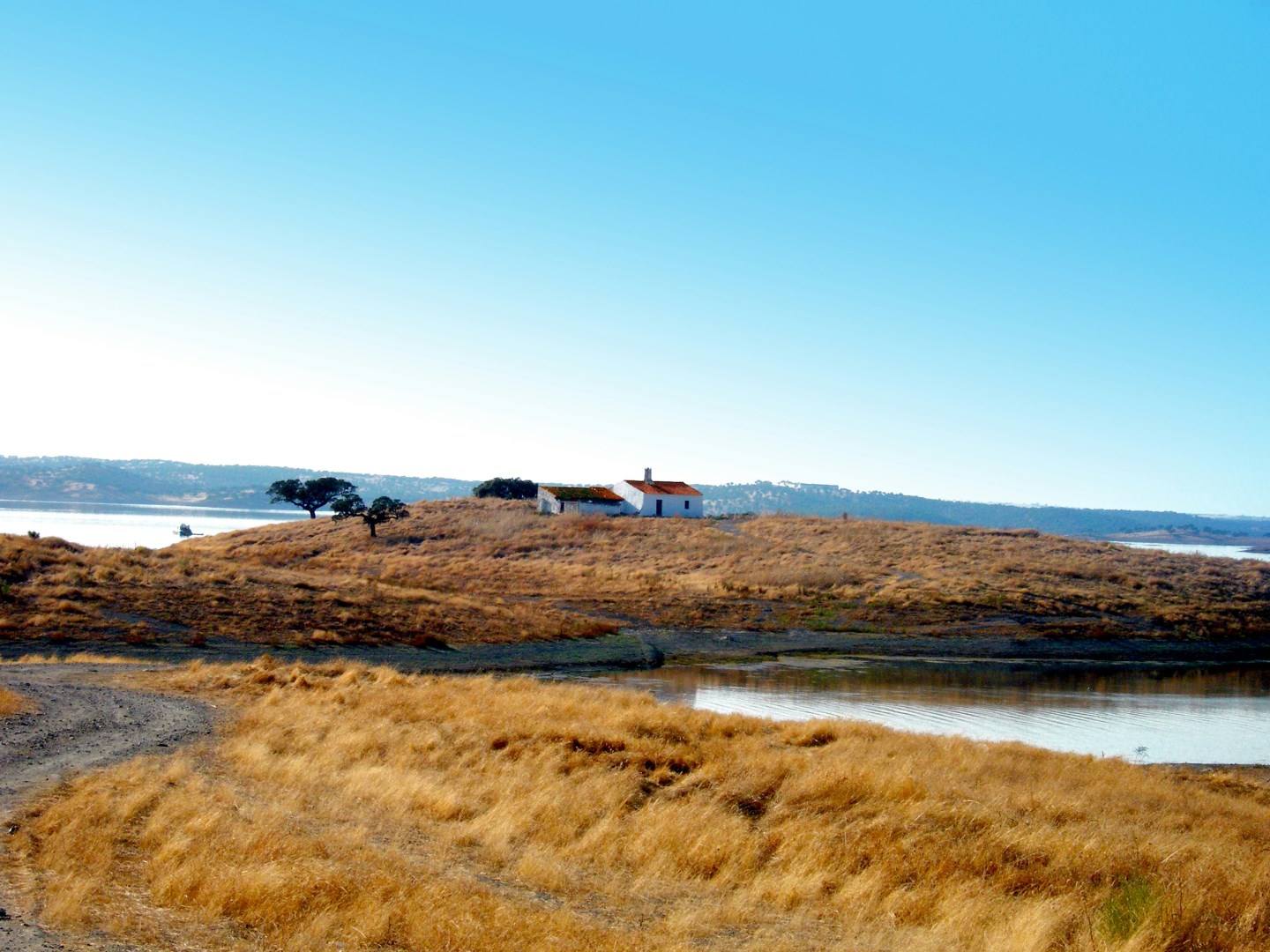
Alentejo
Alentejo is a large region in southern Portugal known for its wide plains, cork oak forests, whitewashed towns, and slower rural pace. Stretching from the Tagus River to the Algarve and from the Atlantic coast to the Spanish border, it covers much of the country’s interior farmland and wine-producing territory.
