

Bamberg
Bamberg, located in northern Bavaria, stands out for its remarkably preserved medieval layout, which earned it a spot on the UNESCO World Heritage list. Built on seven hills and often compared to Rome for that reason, the city’s architecture reflects over a thousand years of uninterrupted development. Bamberg is well known for its beer, and not just in the usual Bavarian sense. The city has more breweries per capita than any other town in Germany, and it’s the birthplace of rauchbier.
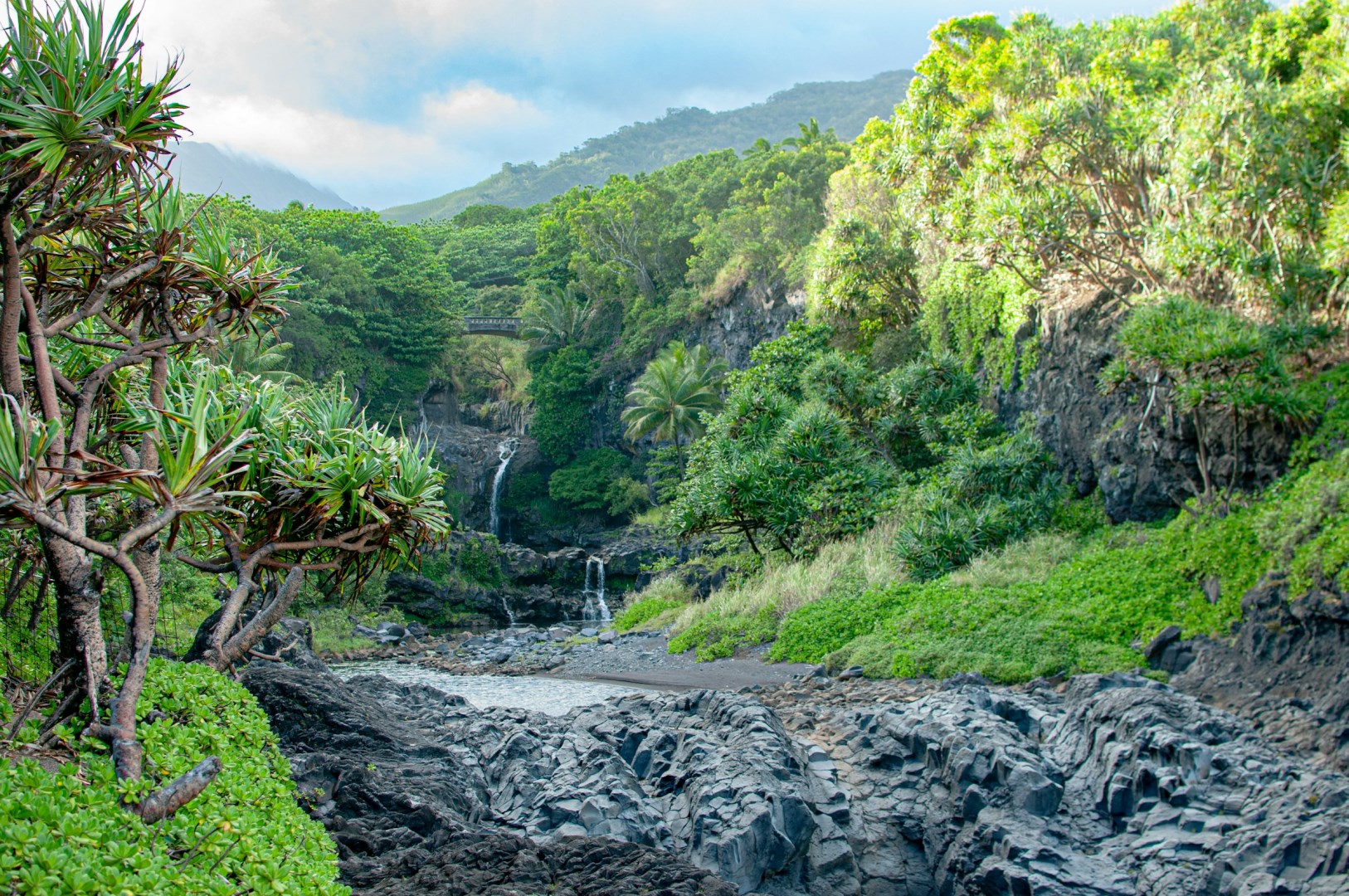
Haleakalā
Maui, both second youngest and second largest of the Hawaiian Islands, is home to the world's largest dormant volcano, Haleakala, meaning "House of the Sun." Last erupting about 200 years ago, it makes up the eastern end of the island. Maui was formed by volcanic activity from Haleakala on the east and the West Maui Mountains to the west. The connecting isthmus between the two spots was formed from joining lava from both and gives Maui its nickname, the Valley Isle.
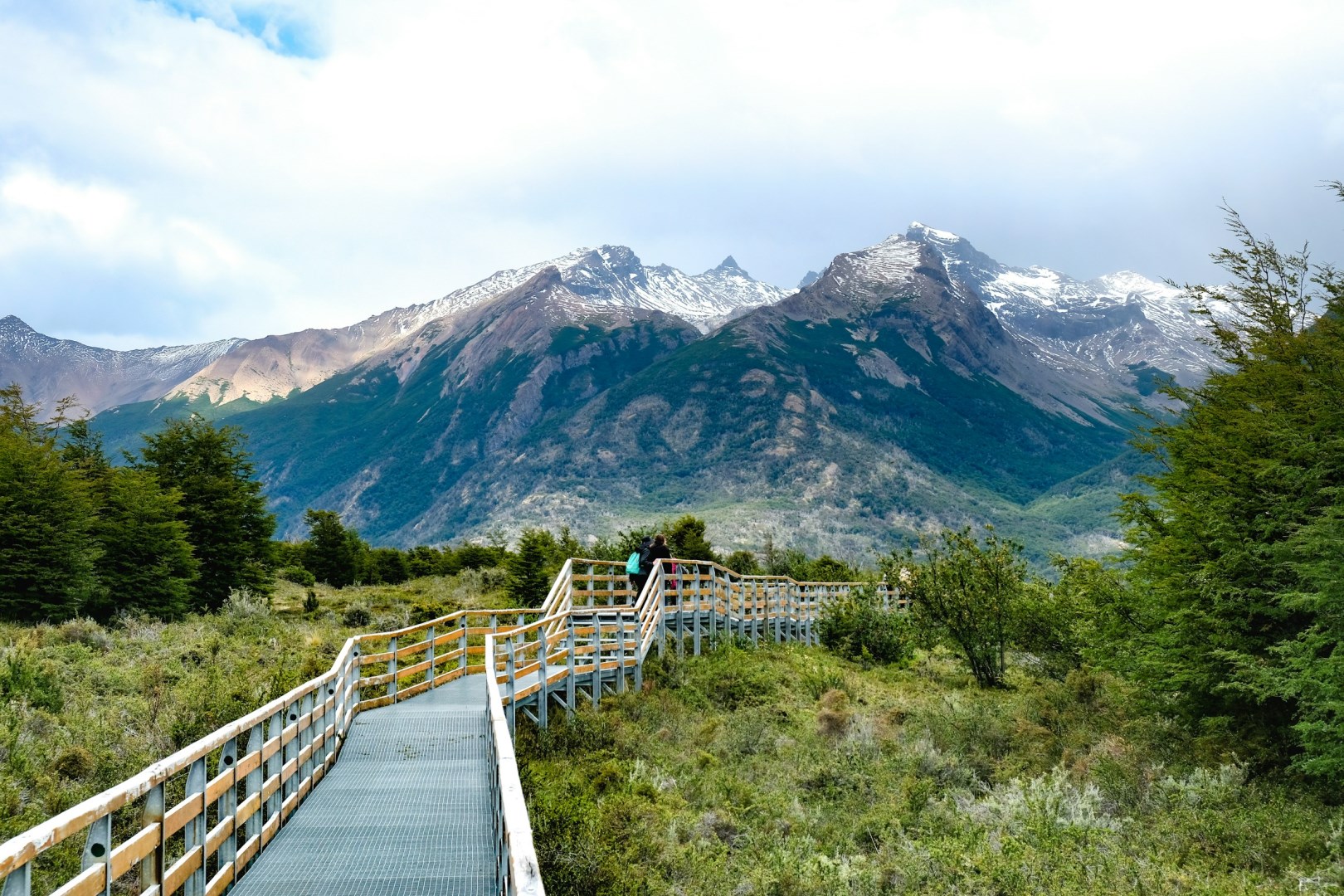
Los Glaciares National Park
Los Glaciares National Park is the largest park in Argentina. It's located in the Austral Andes, southwest of Santa Cruz, on the border of Chile. With stunning views of glaciers, lakes, and mountains, it's no surprise that Los Glaciares National Park is included on the bucket list of so many.

Port Moresby
Port Moresby sits by the Coral Sea as Papua New Guinea’s capital and shows visitors a city of contrasts where glittering new buildings rise beside traditional villages built on stilts. One such place is Hanuabada, the original Motuan village, where roofs reach above water’s edge and everyday life still unfolds in Tok Pisin and local tongue.
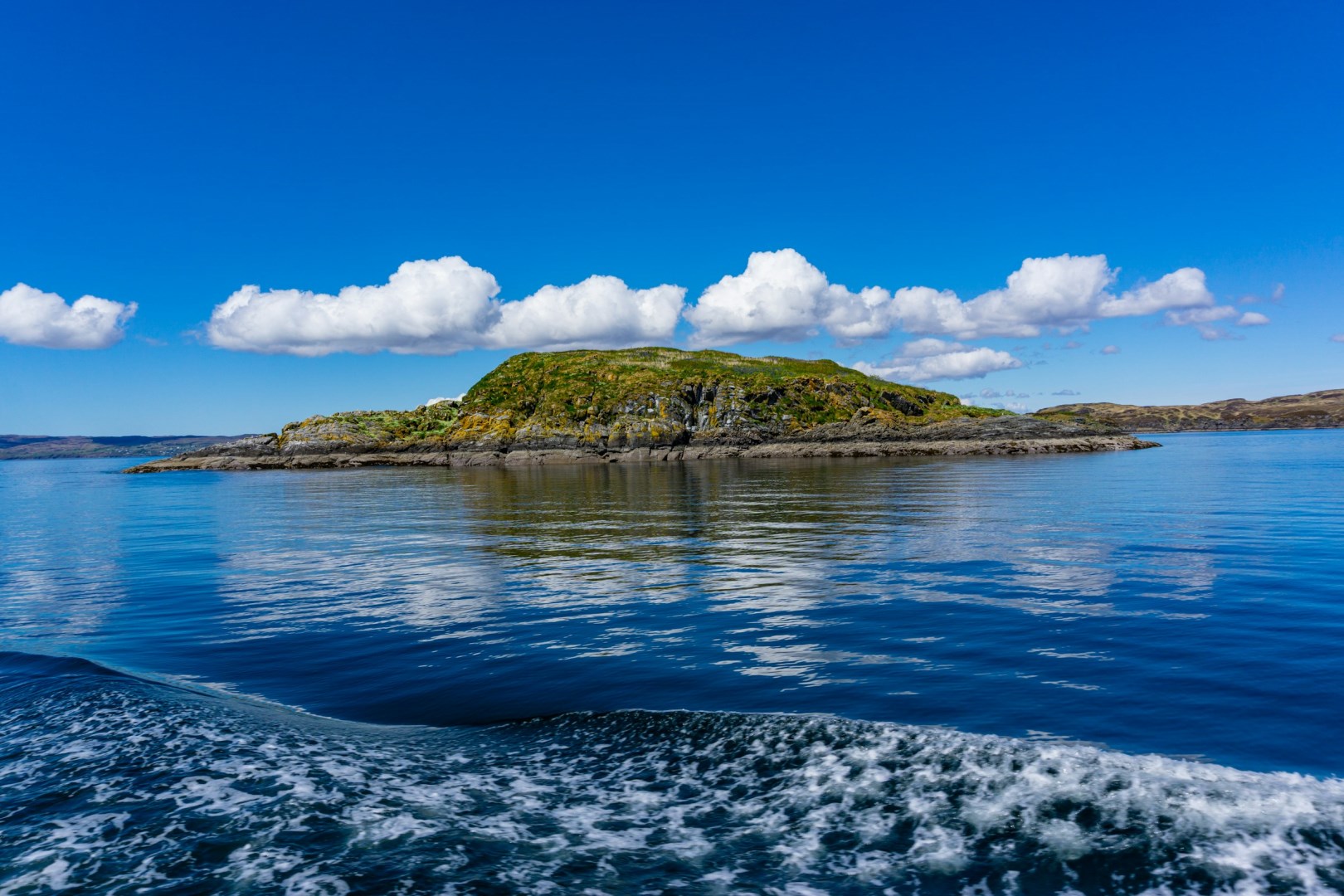
Eigg
Eigg is a small island in the Inner Hebrides, lying south of Skye and forming one of the four Small Isles. About five miles long and three miles wide, it combines a compact crofting landscape with beaches, moorland, woodland, cliffs, and volcanic formations. The island is community owned through the Isle of Eigg Heritage Trust, following a community buyout that placed its future under local control.
