
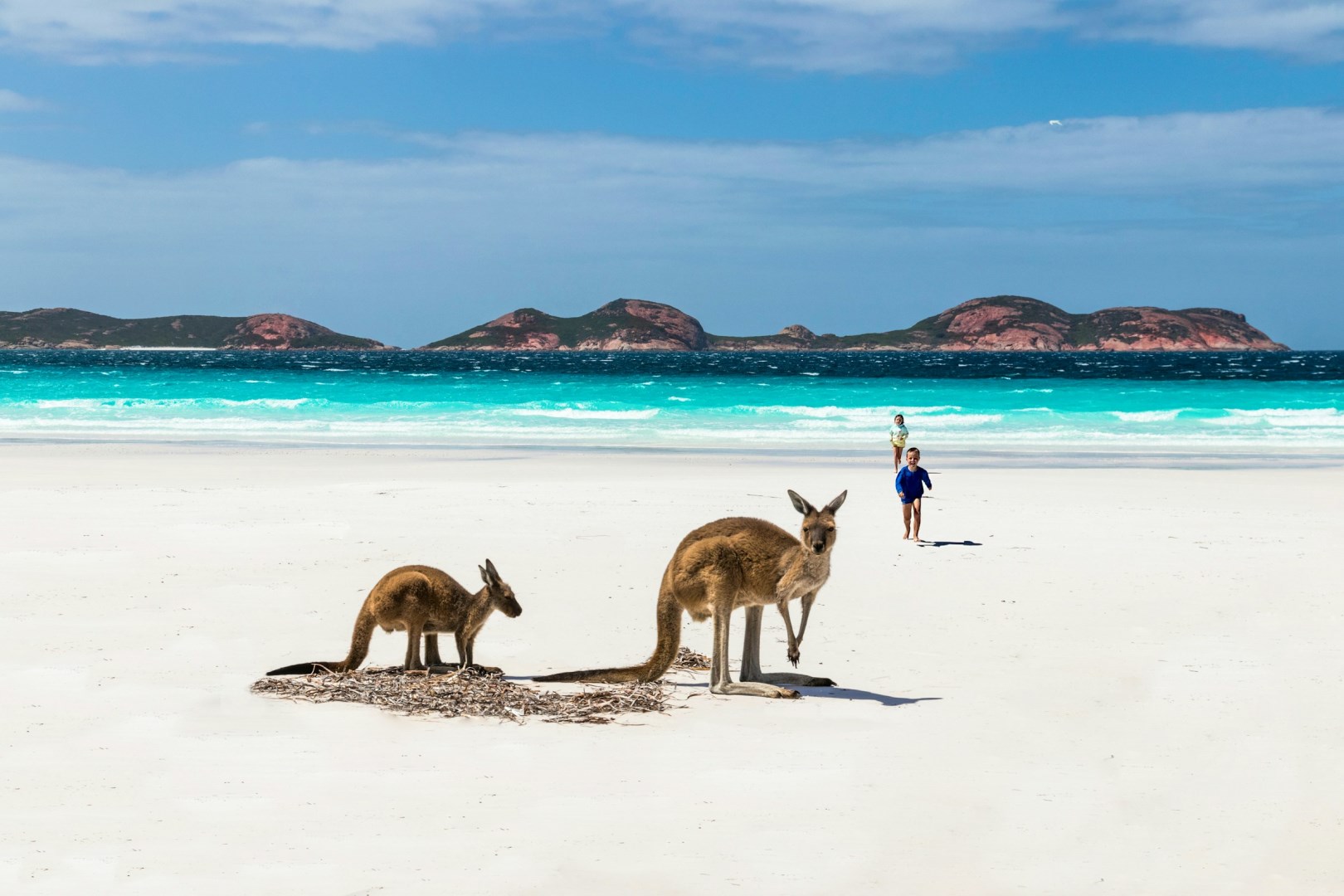
Cape Le Grand National Park
Cape Le Grand National Park lies on the south coast of Western Australia, east of Esperance, where granite peaks, coastal heath, freshwater pools, and white sandy beaches meet the Recherche Archipelago. The park is best known for Lucky Bay, where exceptionally white sand curves around clear turquoise water and kangaroos are often seen resting near the shoreline. Its remote coastal setting also supports a range of outdoor activities, including swimming, fishing, camping, kayaking, and bushwalking
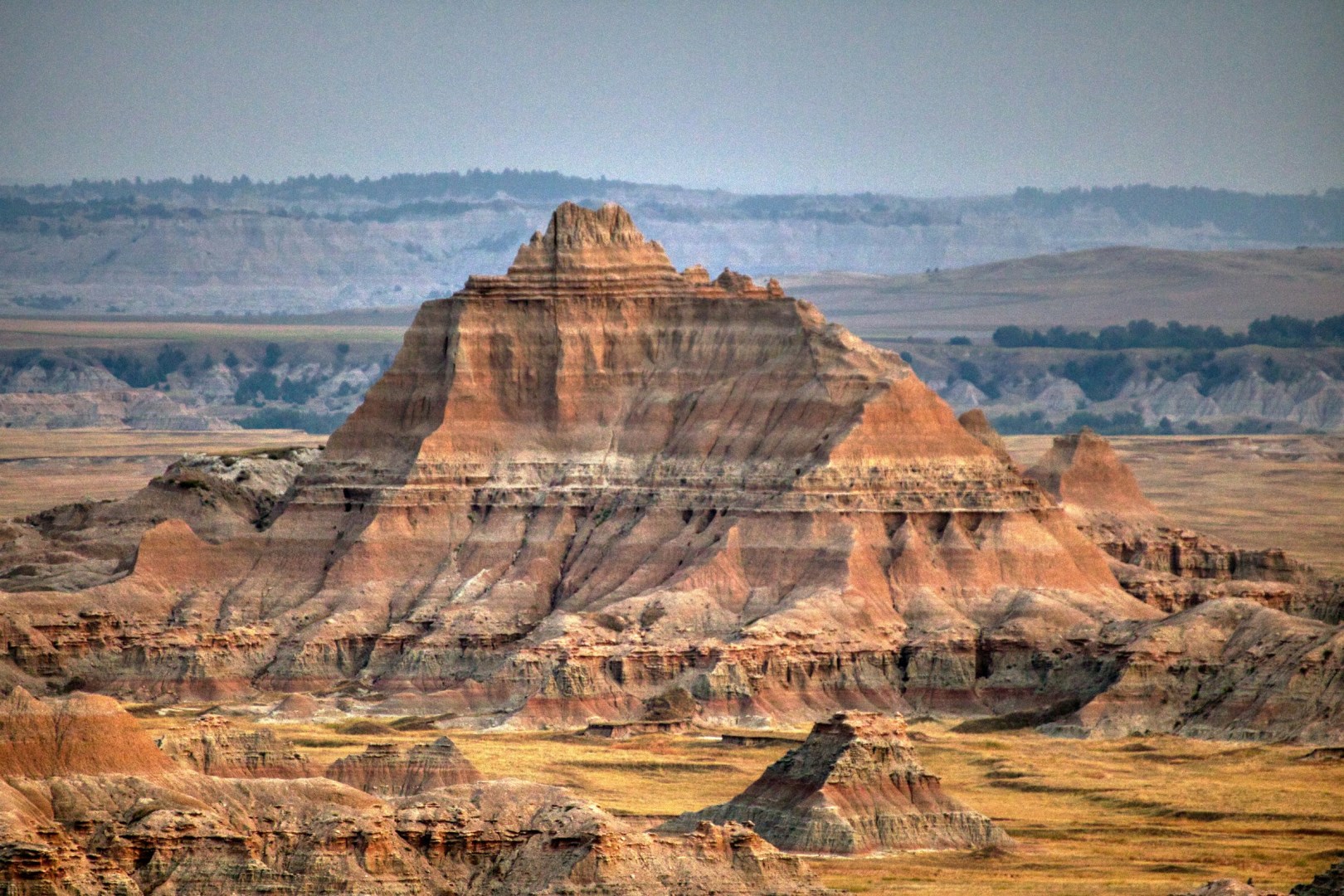
Badlands National Park
Badlands National Park stretches across southwestern South Dakota, where layered rock formations and sharply eroded spires reveal nearly 75 million years of geological history. The park’s banded cliffs and pinnacles were shaped by wind and water, exposing ancient seabeds and fossil-rich layers that have made the area one of North America’s most important paleontological sites.

Arequipa
Arequipa, known as the "White City," is built from sillar, a pale volcanic stone that glows in the sunlight. This architectural detail gives the historic center its striking appearance and has earned it recognition as a UNESCO World Heritage Site. Towering above the city is the perfectly symmetrical Misti Volcano, which, along with two neighboring peaks, forms a dramatic backdrop.
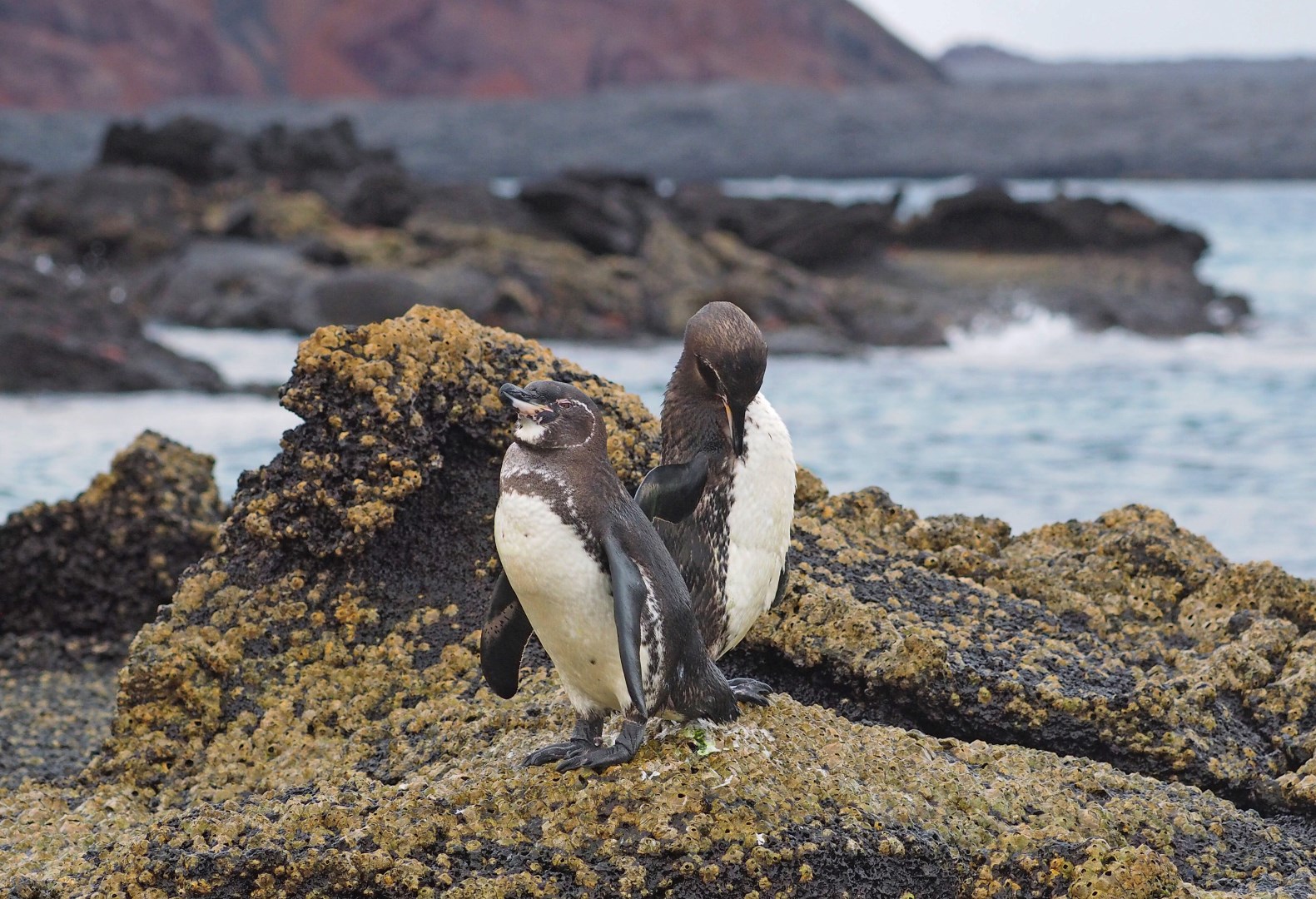
Fernandina Island
Besides being one of the largest and most remote of the Galapagos Islands, Fernandina Island is home to the area's most active volcano. It also boasts the most pristine ecosystem; unlike other islands in the Galapagos, Fernandina has thus far avoided the introduction of any non-native mammal species.

Merzouga
Merzouga, a small village located in southeastern Morocco, is the gateway to the stunning Erg Chebbi dunes, one of the most iconic desert landscapes in the world. These towering sand dunes, which can reach heights of up to 150 meters (492 feet), offer an unparalleled opportunity for adventure and exploration. The contrast between the golden sands and the clear blue sky creates a breathtaking panorama that is perfect for photography and desert excursions.
