
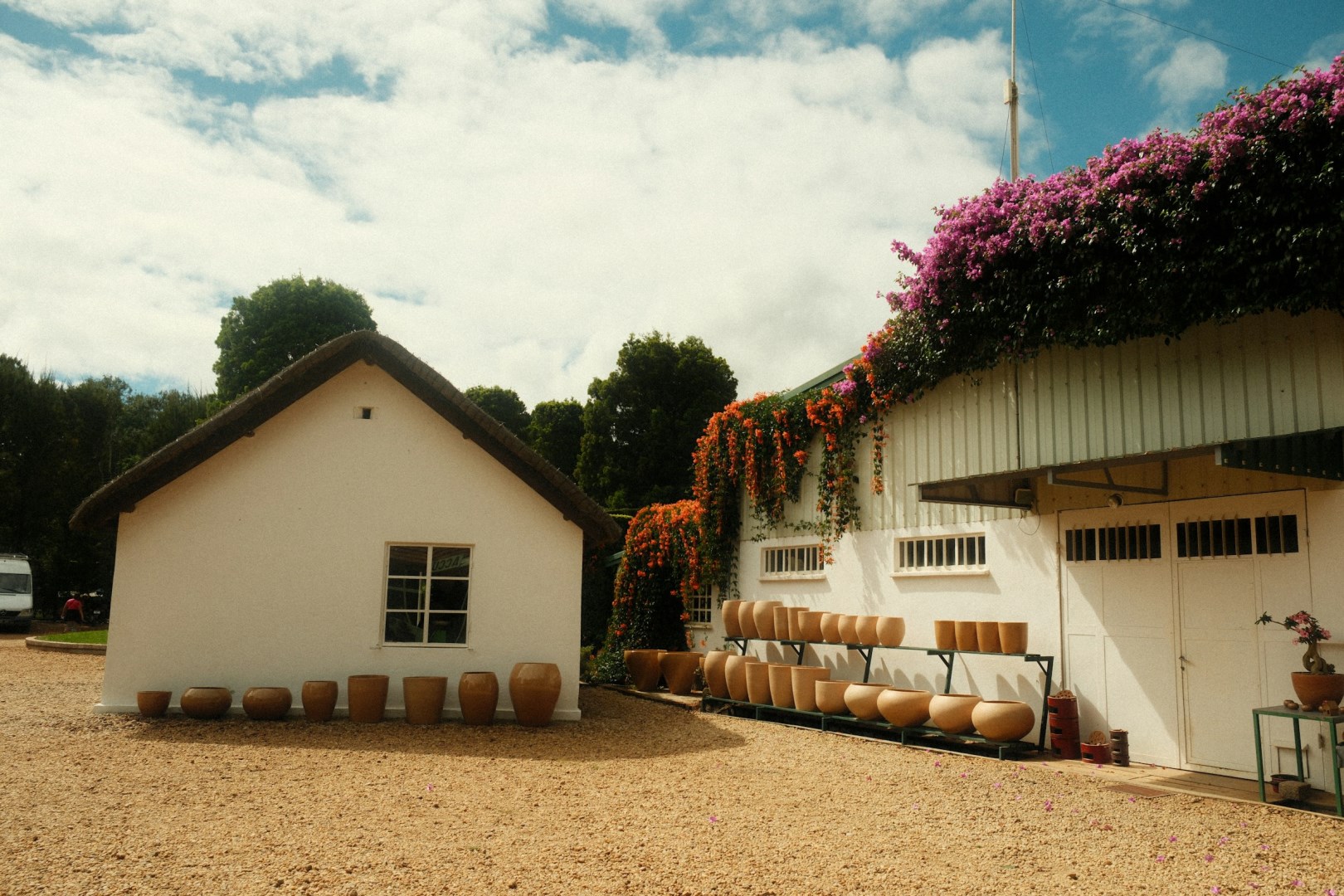
Antsirabe
Antsirabe is a highland city in central Madagascar, known for its cool climate, broad streets, thermal springs, and distinctive cycle rickshaws called pousse-pousse. Located in a fertile agricultural region, it serves as an important center for farming, crafts, and local trade. The surrounding landscape includes rice fields, volcanic hills, and cultivated countryside, while the city itself has a more orderly layout than many other Malagasy towns.
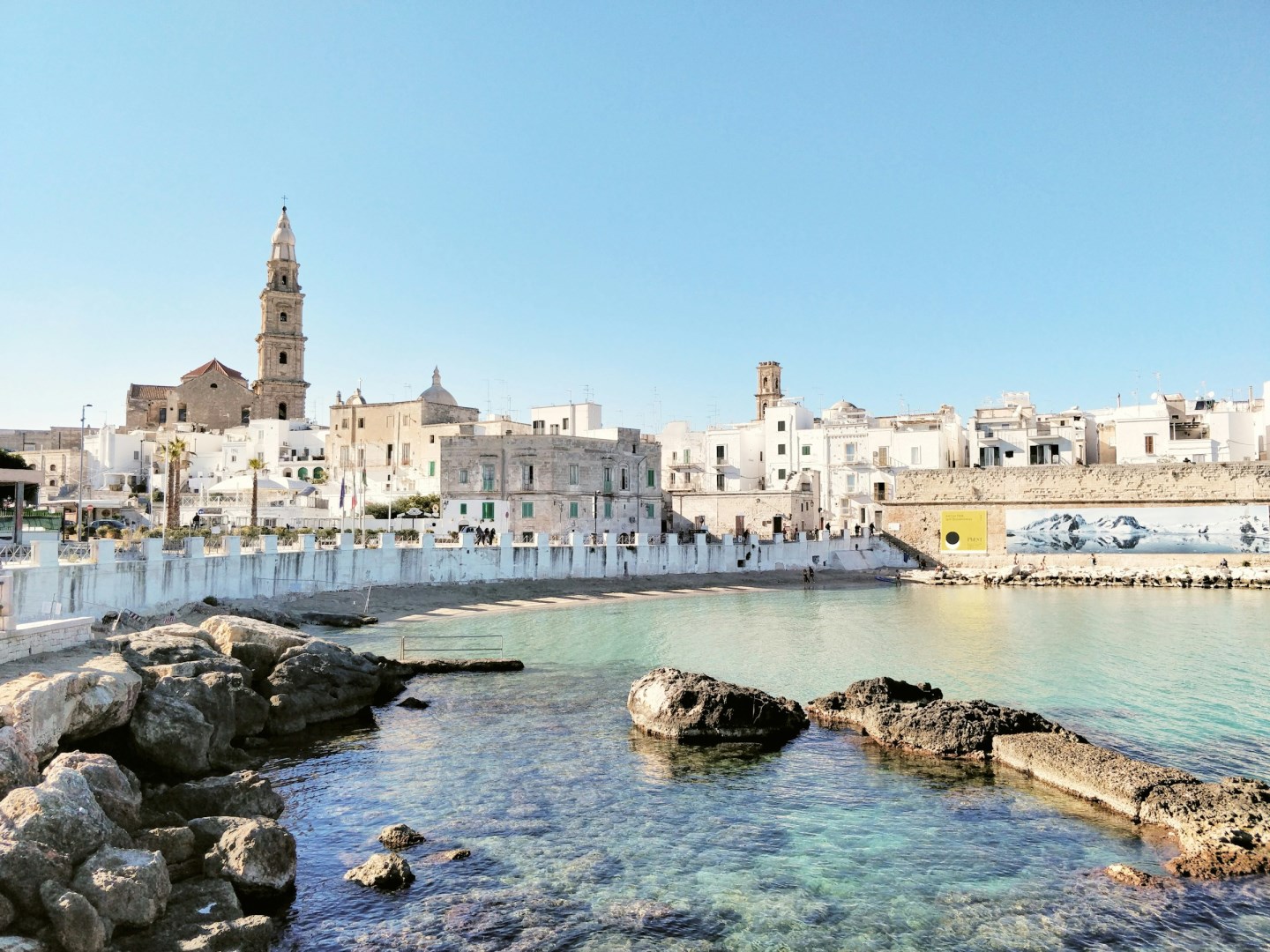
Monopoli
Monopoli is a coastal town in Puglia, on the Adriatic Sea, with a historic center built around a small natural harbor. Its old town is enclosed by defensive walls and bastions, while narrow lanes lead between whitewashed houses, churches, courtyards, and small squares. The waterfront remains closely connected to local life, with fishing boats gathered around the harbor and beaches extending along the coast outside the historic center.
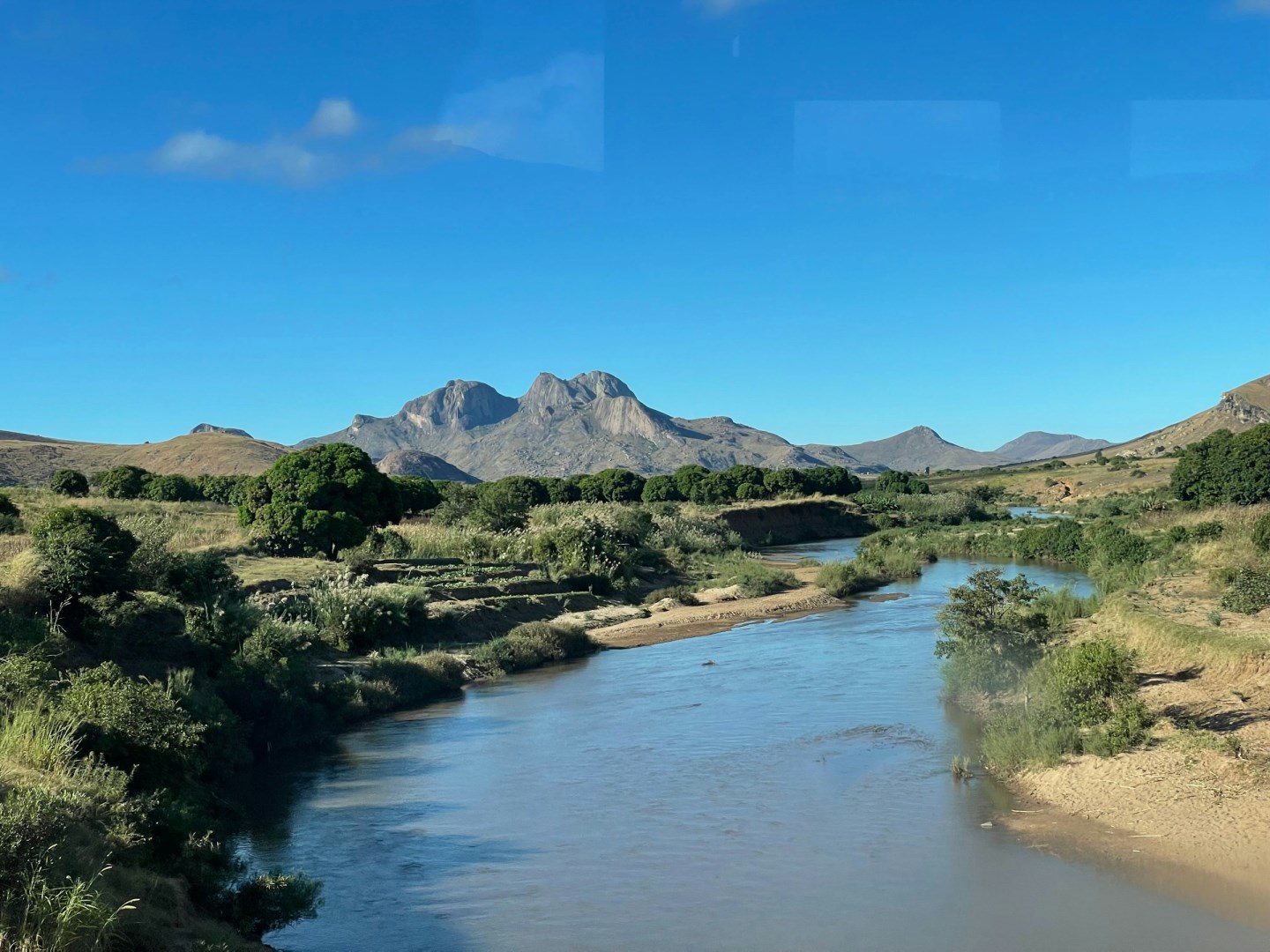
Fianarantsoa
Fianarantsoa is a hilltop city in Madagascar’s central highlands and the capital of Haute Matsiatra region. Its name means “place of good learning,” reflecting the city’s long association with education and religious institutions. Built across a series of hills, Fianarantsoa overlooks valleys filled with rice fields, farmland, and scattered villages.

Phnom Penh
Phnom Penh, the capital of Cambodia, is a city where history, culture, and riverside life intersect. Situated at the confluence of the Mekong and Tonle Sap rivers, the city has a lively riverfront that serves as both a social gathering place and a hub for commerce.
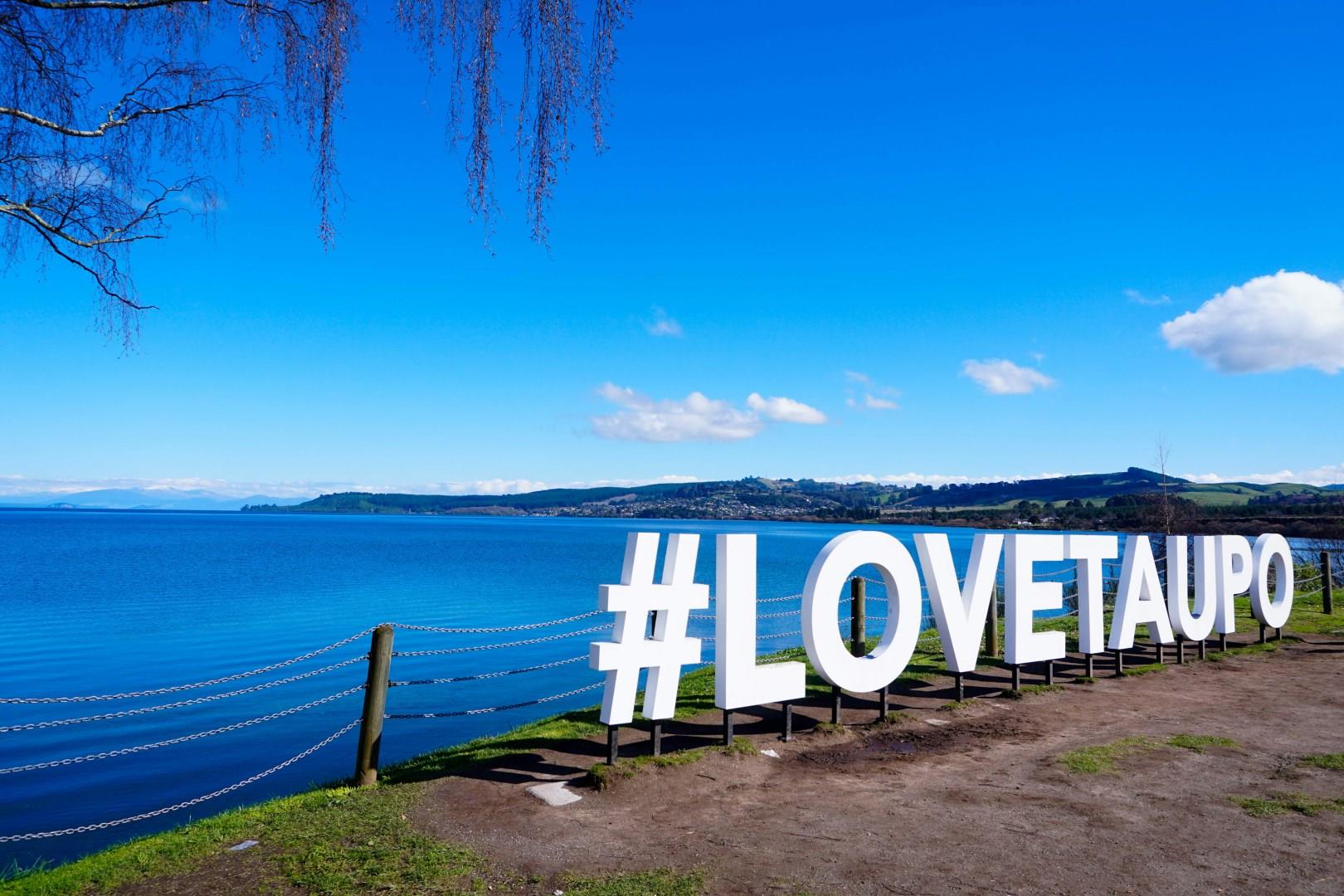
Taupō
Taupō, located in the heart of New Zealand’s North Island, is built along the shores of Lake Taupō, which is the largest freshwater lake in Australasia, formed nearly two thousand years ago by a massive volcanic eruption. That eruption was so powerful, it was recorded in ancient Chinese and Roman texts, even though it occurred halfway across the world. Today, the lake is calm, clear, and central to life in the region, offering everything from trout fishing to kayaking and lakeside cycling.
