
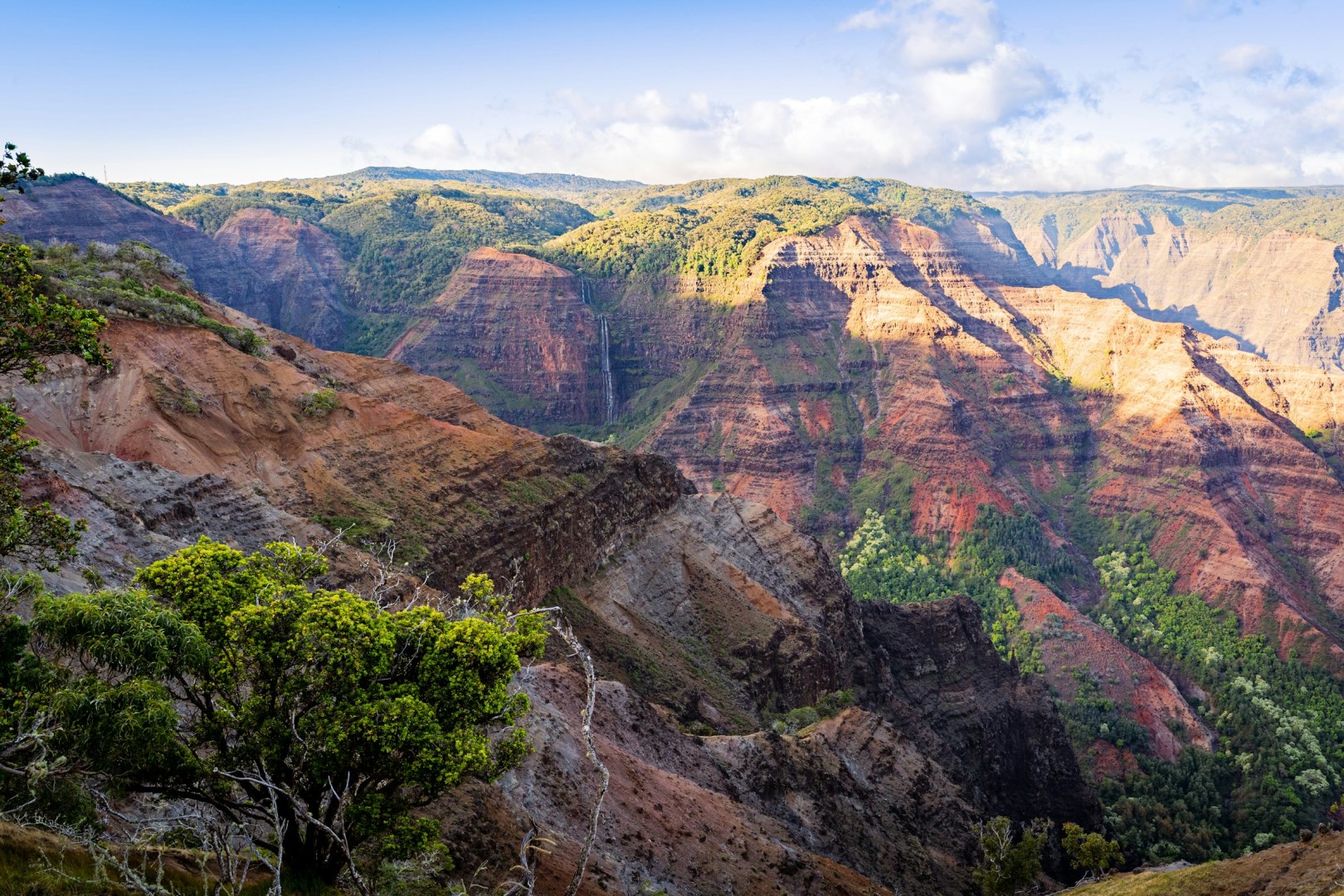
Waimea Canyon, Kauai
The Canyon valleys of the Waimea River and its tributary were once heavily populated, and the town was an early center of native government. It was here that Captain James Cook, English Navigator-Explorer, made his first landing in the Hawaiian Islands on January 20, 1778. Waimea developed as a provisioning port for whalers and sandalwood traders. A ruined Russian fort, built (1815) in a futile attempt to seize the isle, occupies a coastal bluff aboe the Waimea River. A rich sugar-plantation
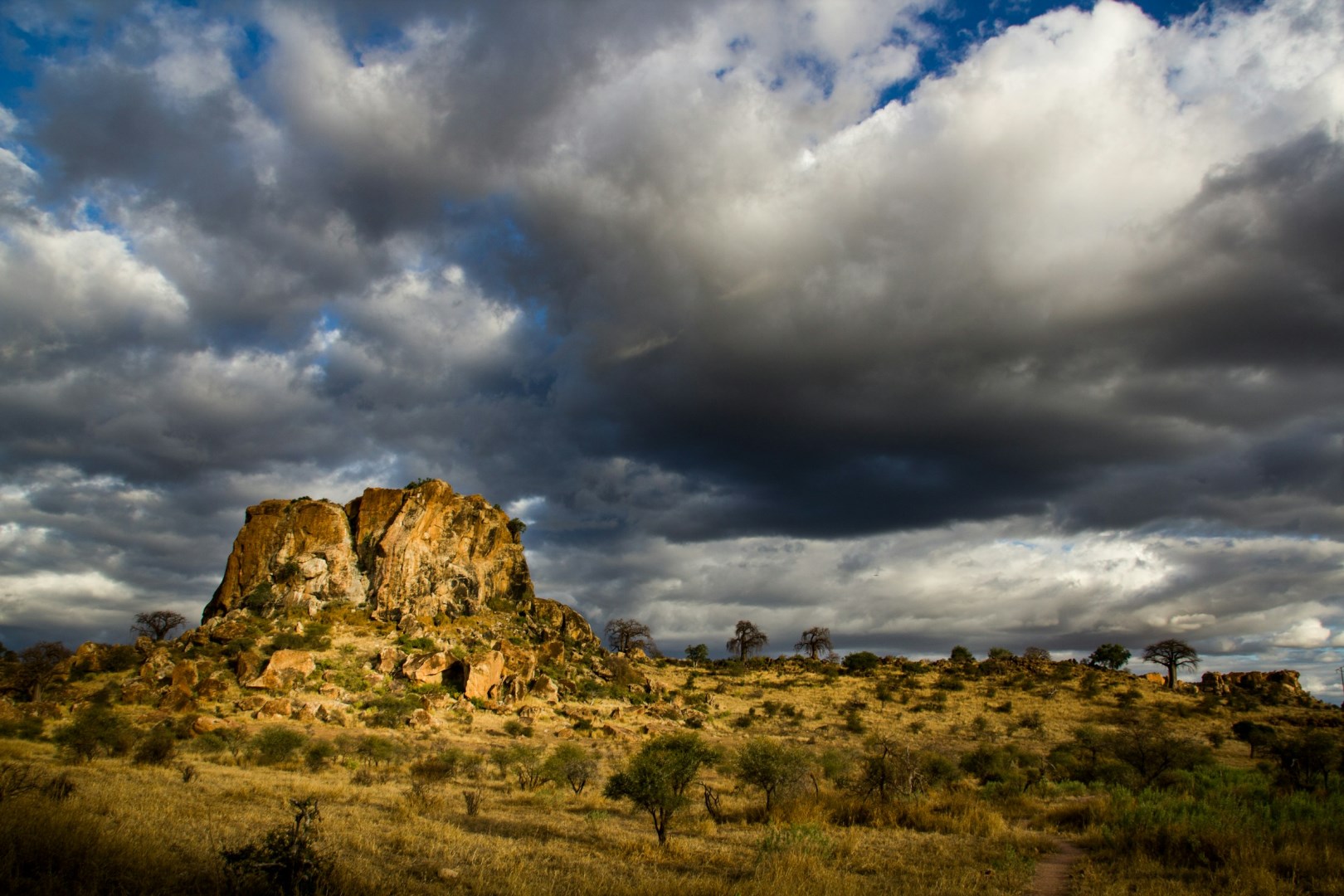
Mapungubwe National Park
Mapungubwe National Park lies in Limpopo province at the meeting point of the Limpopo and Shashe rivers, where South Africa borders Botswana and Zimbabwe. Its landscape combines open savanna, sandstone cliffs, baobab trees, riverine woodland, and rocky hills. The park forms part of the Mapungubwe Cultural Landscape, a UNESCO World Heritage Site recognized for its archaeological and cultural importance.
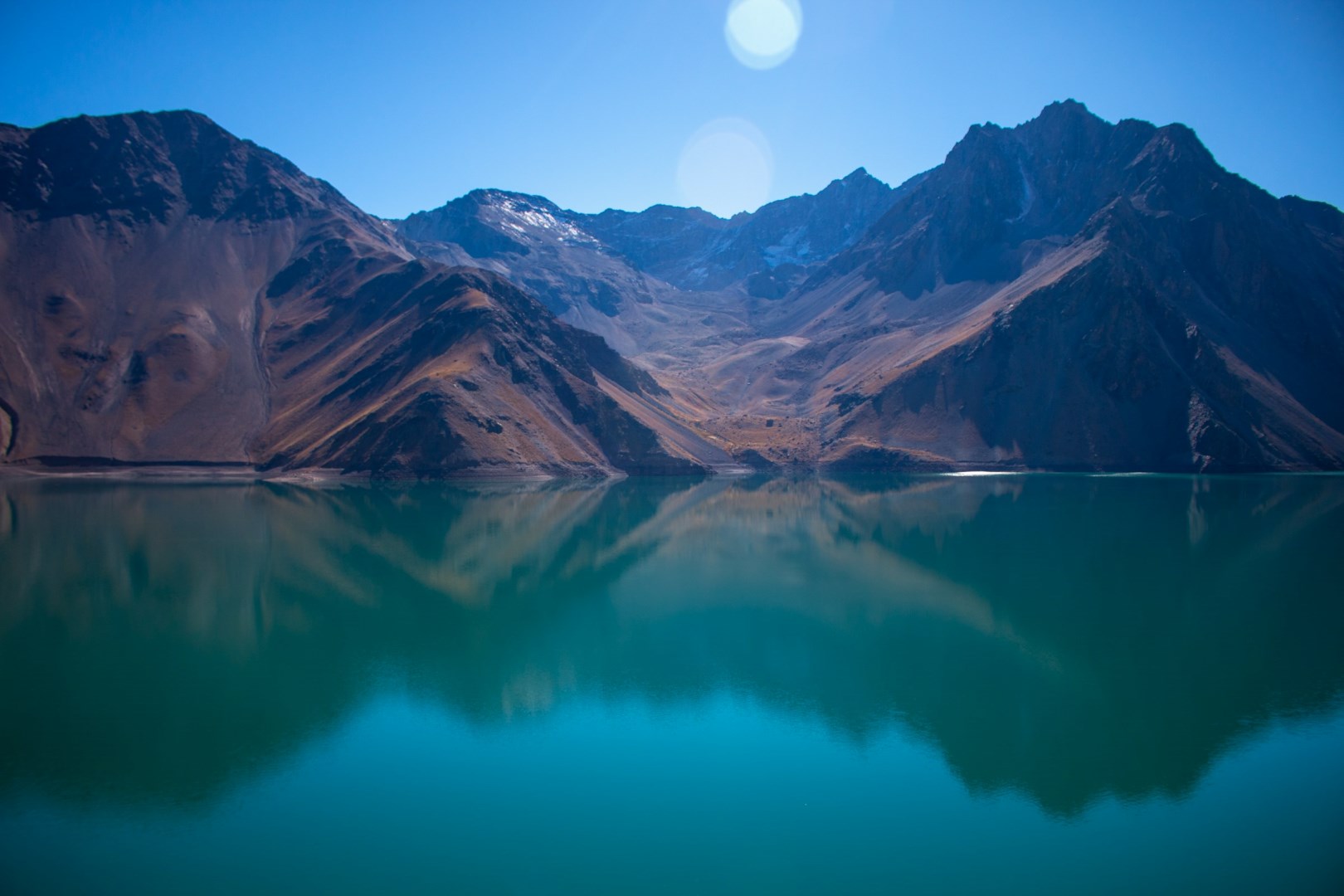
Maipo
Maipo is a rural area south of Santiago in Chile's Metropolitan Region, centered on the Maipo River and the agricultural communities of the Maipo Valley. The landscape combines vineyards, orchards, farmland, and foothills that rise toward the Andes. The area is particularly associated with wine production, especially Cabernet Sauvignon and other red varieties grown in the valley's warm, dry climate.
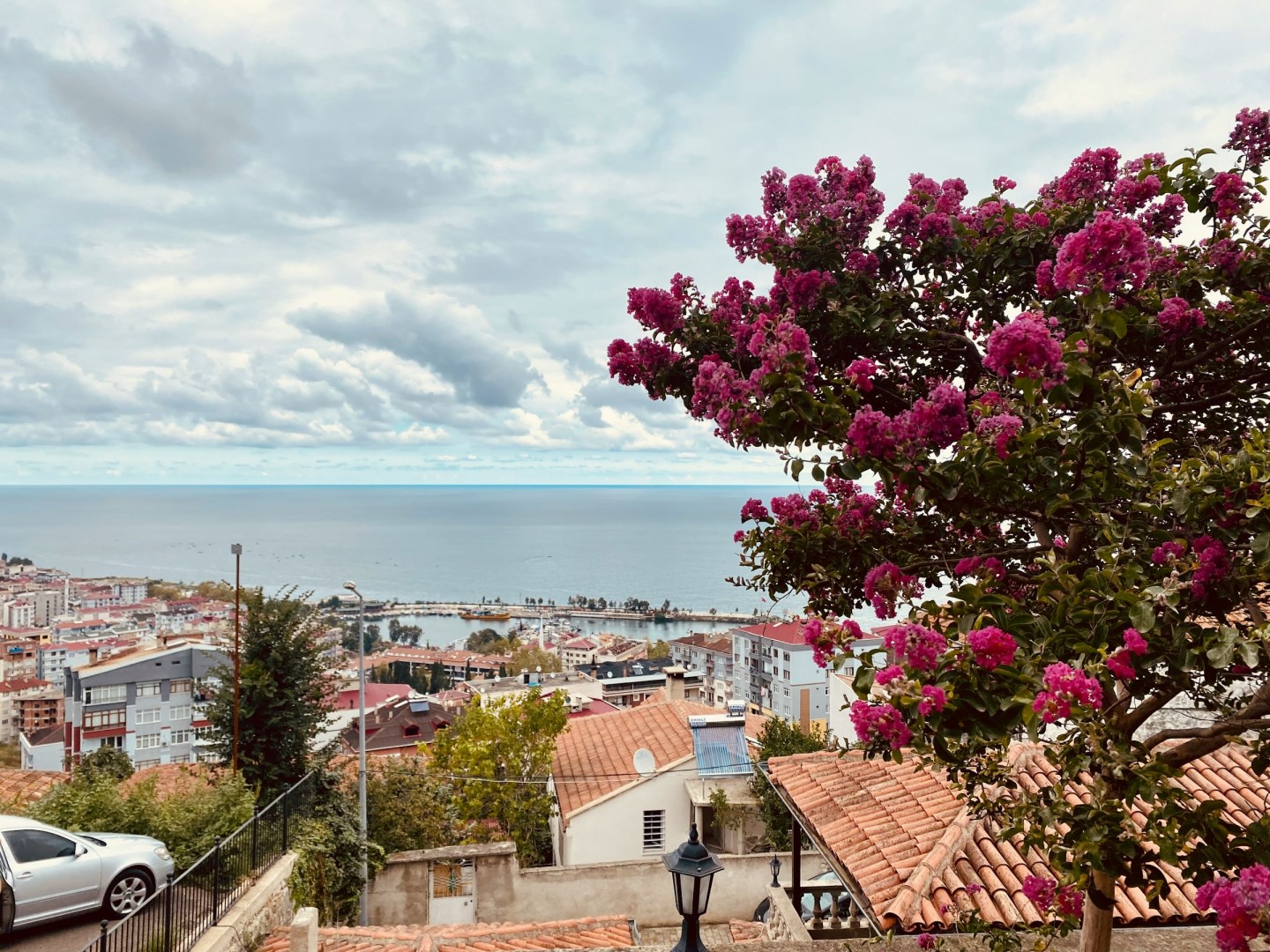
Trabzon
Trabzon was founded in the 7th century B.C. by Milletain colonists. On entering the city, on a green hill descending to the sea, is a well-preserved 13th century Byzantine church, now the Avasofya Museum. The walls of this church are decorated with frescoes, some of the finest examples of Byzantine craftmanship. The higher part of the city, the old quarter, inside the still extant fortifications with its timber houses, should be visited.
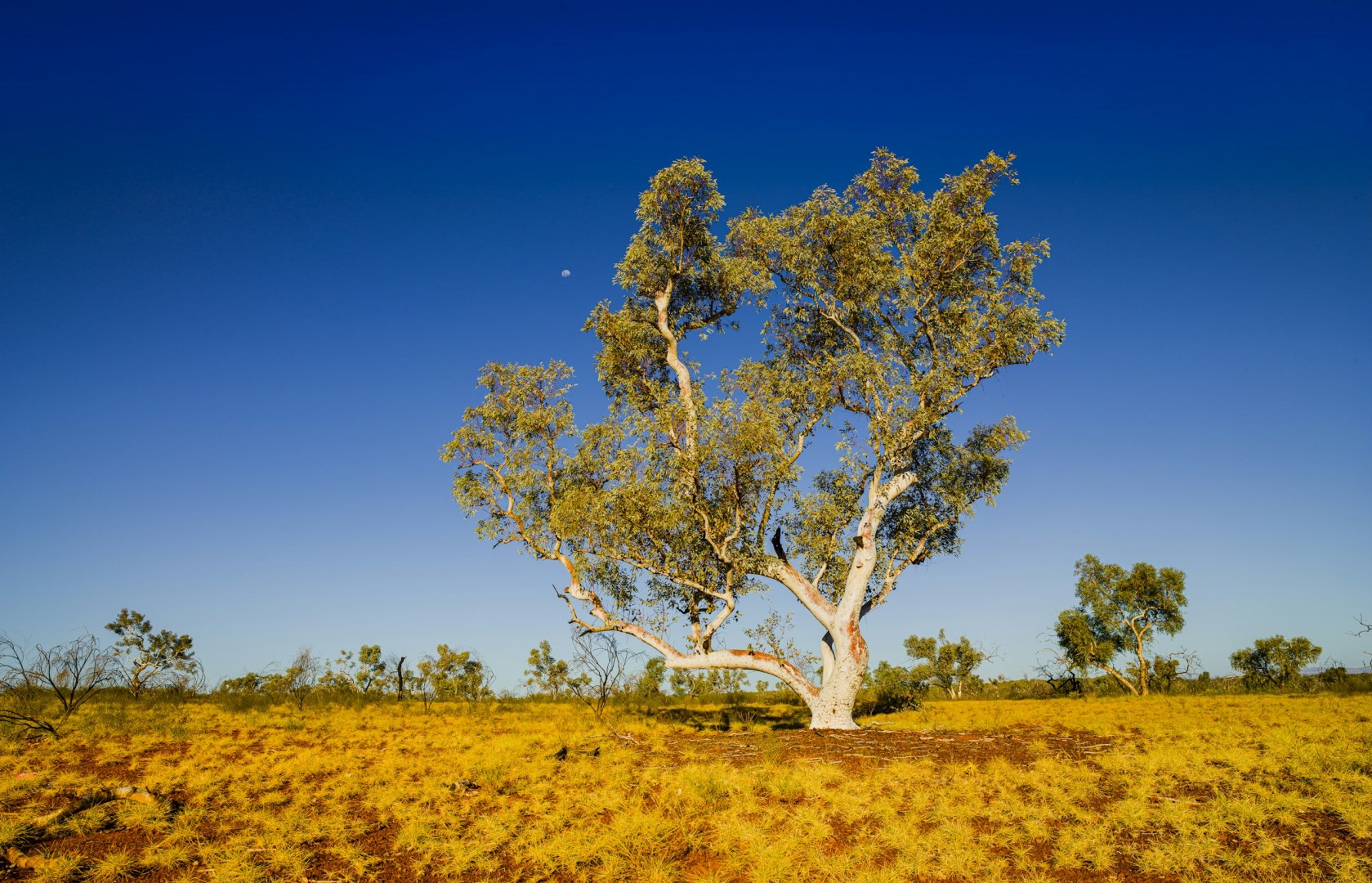
Millstream-Chichester National Park
Millstream-Chichester National Park is a semiarid National Park set within the Pilbara region of Western Australia. You can find out a lot about the Millstream Chichester National Park and the local Yinjinarndi Aboriginal people at the Millstream Homestead.
