
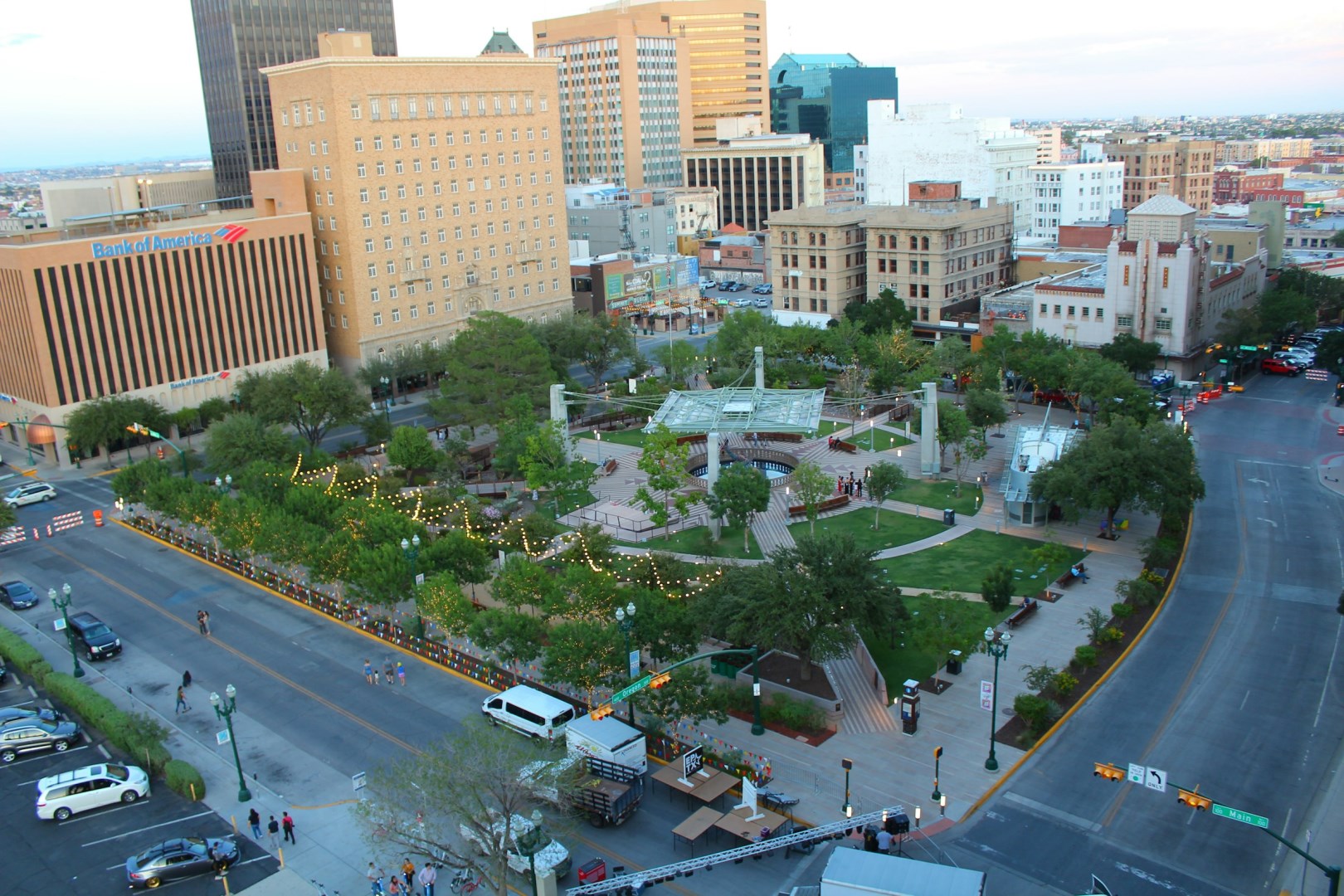
El Paso
El Paso, located in far western Texas along the Rio Grande, is a vibrant border city that blends American, Mexican, and Native American cultures. Its location at the meeting point of Texas, New Mexico, and Chihuahua, Mexico, has shaped a rich cultural tapestry, visible in its architecture, cuisine, and community traditions. El Paso’s history stretches from indigenous settlements to Spanish colonial influence, all of which contribute to the city’s unique identity.
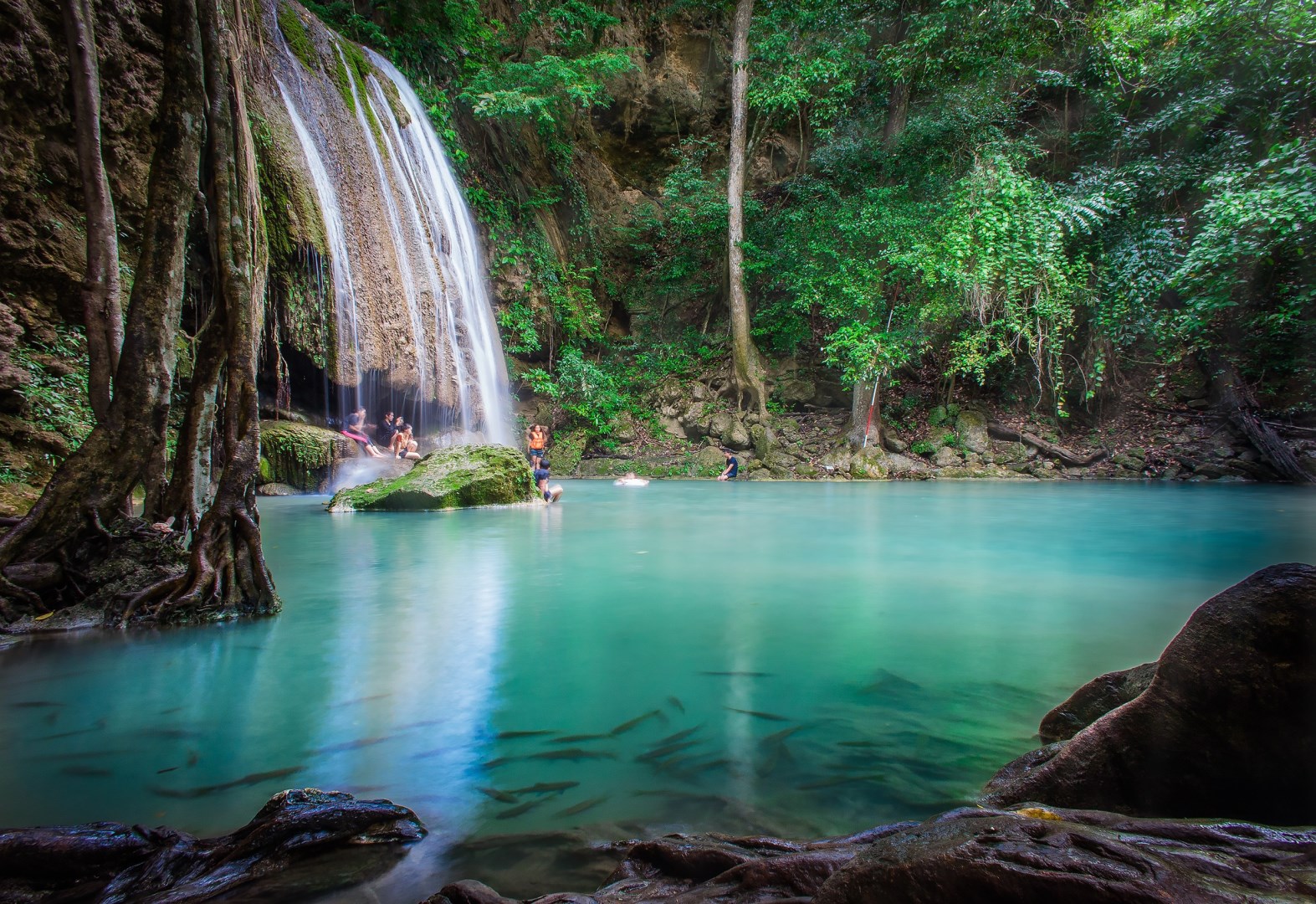
Erawan National Park
Erawan National Park is located in Kanchanaburi Province in western Thailand and is best known for its tiered waterfalls, limestone hills, and dense forest. The park covers a large area of mixed deciduous and evergreen woodland near the Tenasserim Hills close to the border with Myanmar.
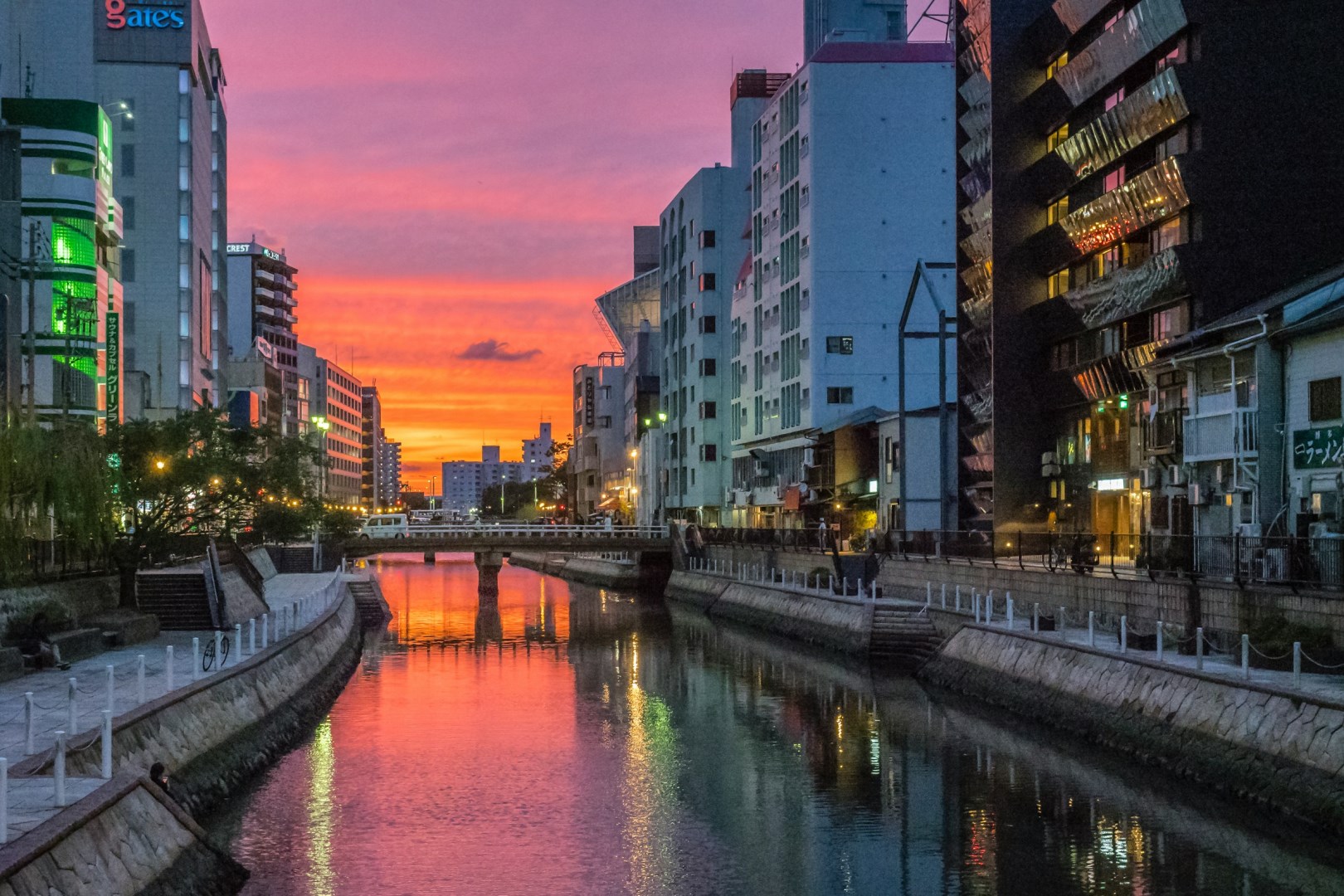
Hakataku Fukuoka
Hakata-ku, a central ward of Fukuoka City in Japan’s Kyushu region, is a lively blend of history, commerce, and culture. Once an independent merchant town, Hakata played a major role in Japan’s early international trade with China and Korea, shaping its cosmopolitan identity.

Sweden
Sweden is a country where medieval towns, coastal archipelagos, and expansive forests sit side by side with modern design and a strong cultural identity. Stockholm, the capital, is built across 14 islands connected by bridges and ferries. The historic district of Gamla Stan features narrow, cobbled streets and colorful buildings dating back to the 13th century.
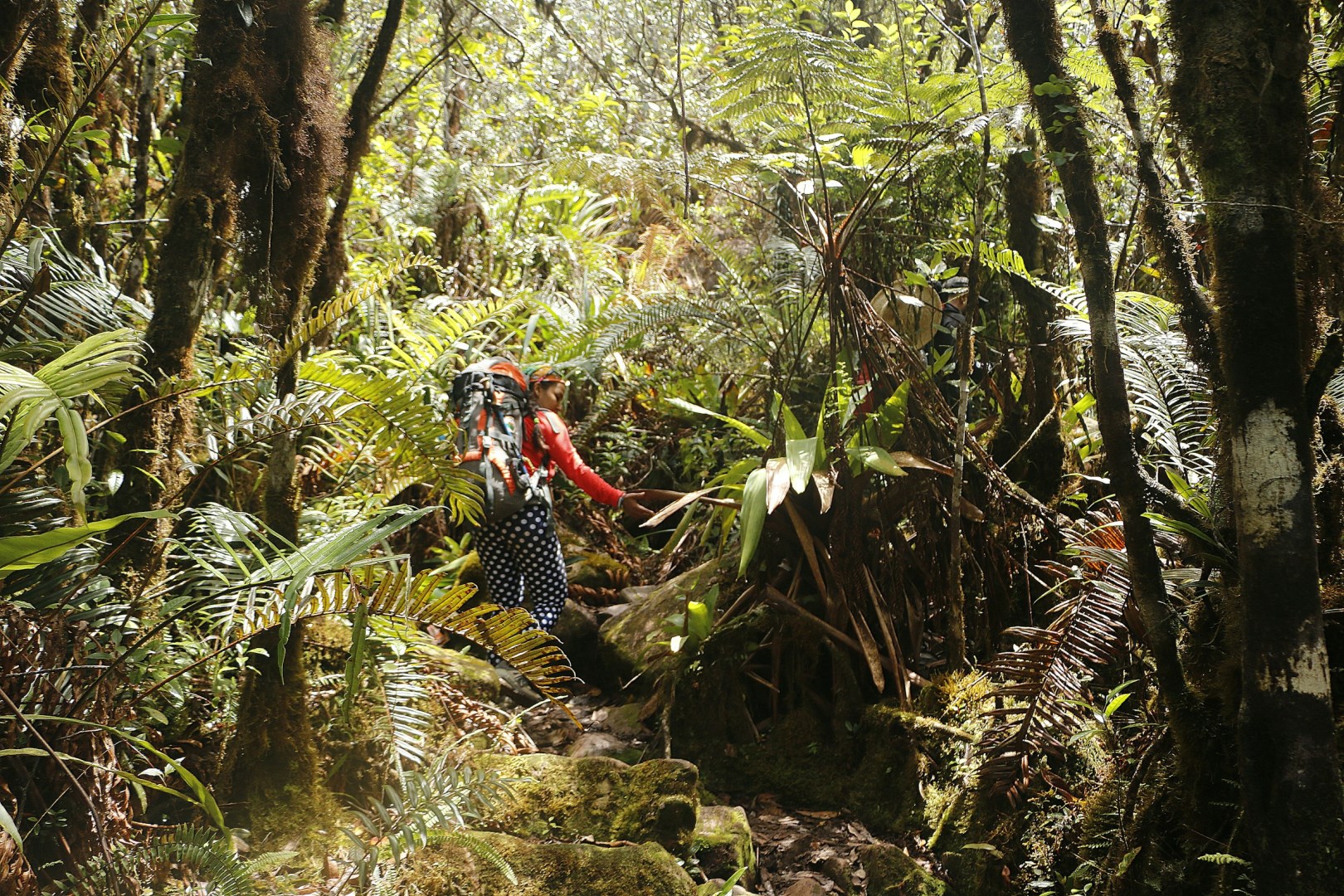
Ciudad Guayana
As you cruise along the Orinoco, South America's second-longest river, you will pass an imposing 17th-century fort. Just up the river is Ciudad Guayana, your gateway to Angel Falls. The falls, discovered 60 years ago by American bush pilot Jimmy Angel, are the hightest in the world. More than a half-mile hight and 15 times taller than Niagara Falls, they are undoubtedly one of the world's most breathtaking natural wonders.
