
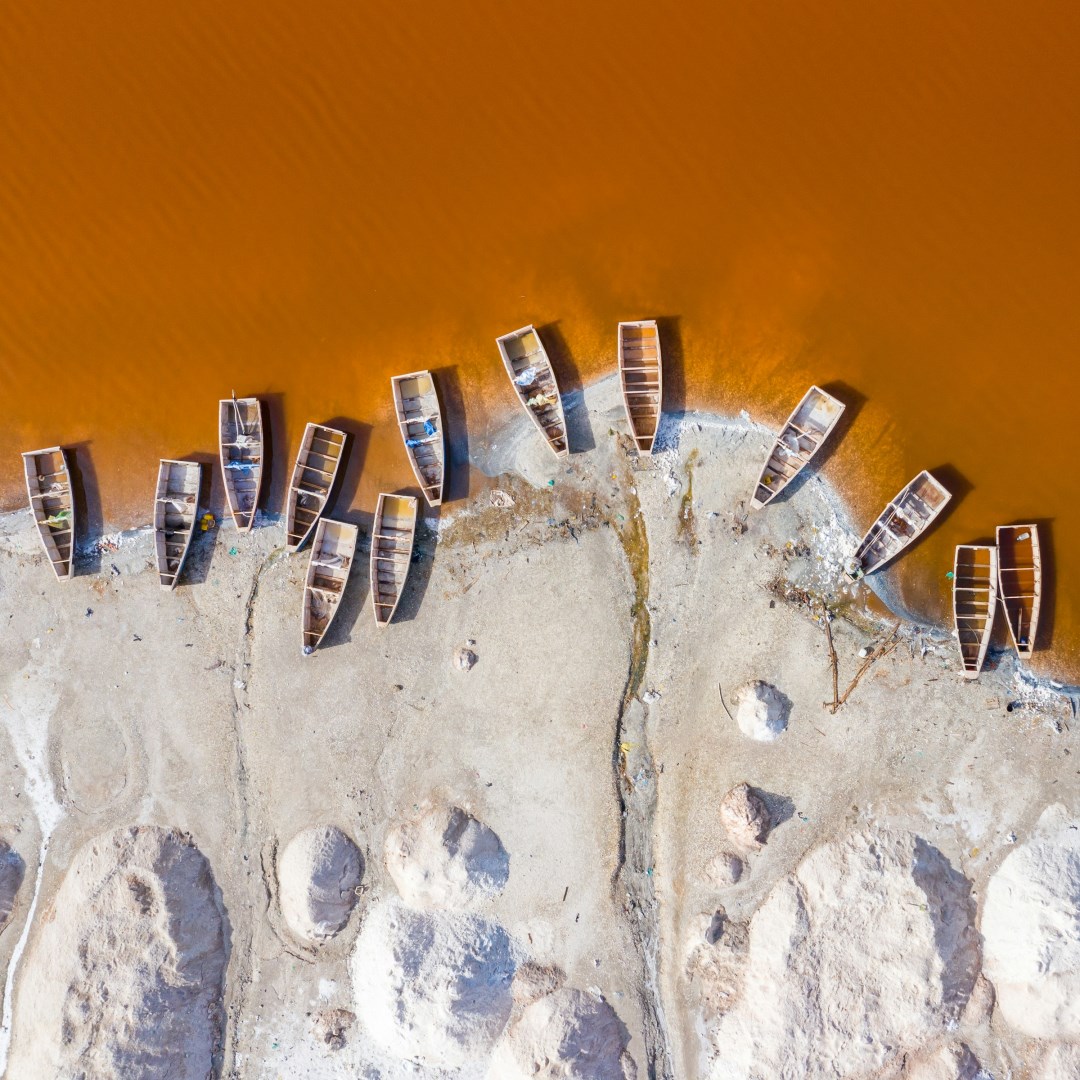
Lake Retba
Lake Retba, also known as Lac Rose, is a shallow salt lake near the Atlantic coast, north of Dakar. Its water is separated from the ocean by a narrow belt of dunes, creating a landscape of pale sand, salt flats, and low scrub. The lake is best known for its high salt concentration, which can produce pink, reddish, or mauve tones under particular conditions of sunlight and water chemistry. Its appearance changes with weather and light rather than remaining one fixed color.
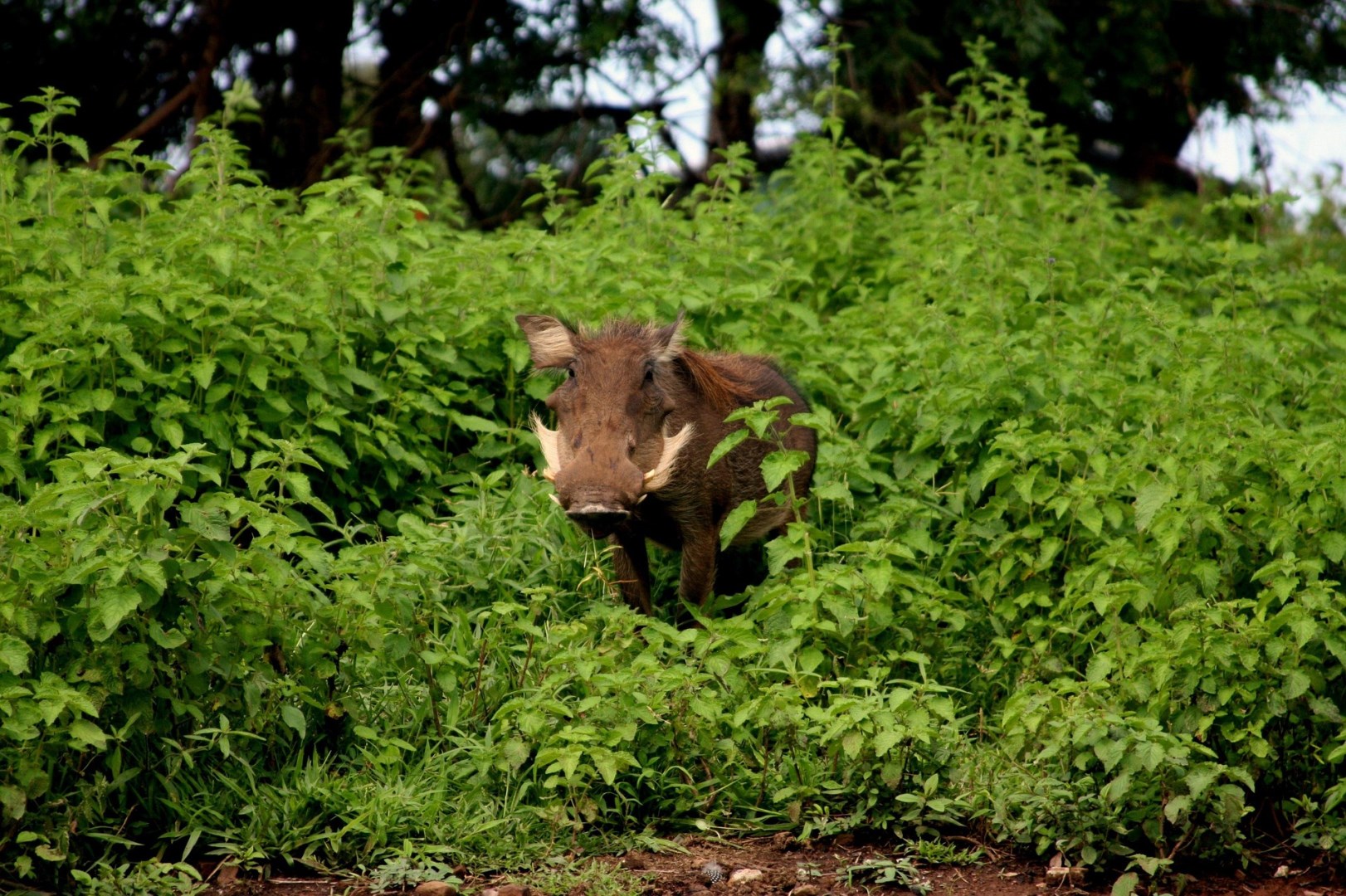
Mole National Park
Mole National Park is Ghana’s largest protected terrestrial area, covering a broad landscape of savanna woodland and grassland in the country’s northern region. The park lies near Larabanga and stretches across gently rolling terrain marked by seasonal streams, rocky outcrops, and wooded valleys. Its open habitats provide a clear contrast with the tropical forests of southern Ghana.
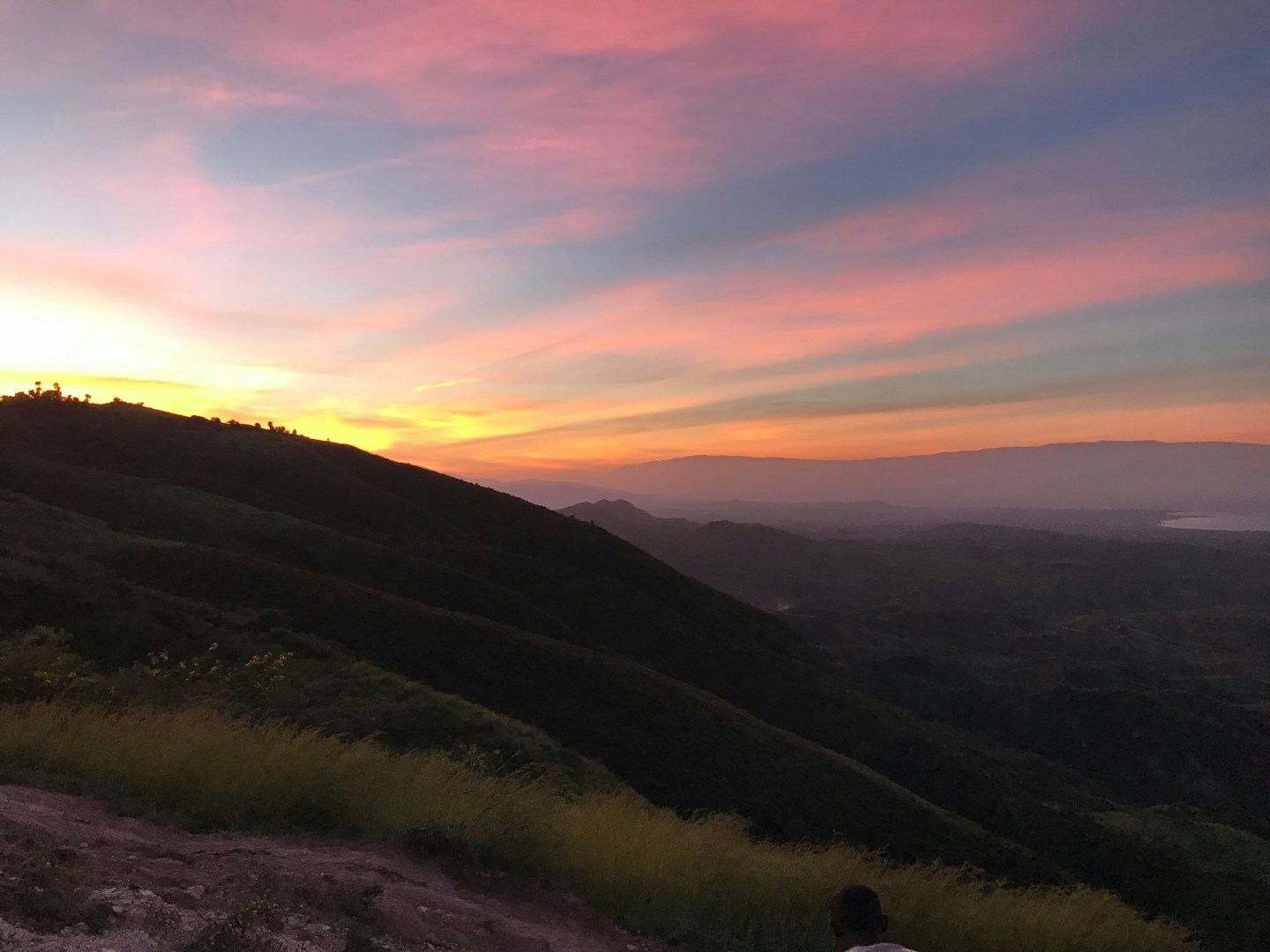
Port-au-Prince
Port-au-Prince in Southwest Haiti is the capital. The country's largest city, commercial center, and chief seaport, it is laid out like an amphitheater around a bay. Founded in 1749 by French sugar planters, it became the colonial capital in 1770, replacing Cap-Haïtien.
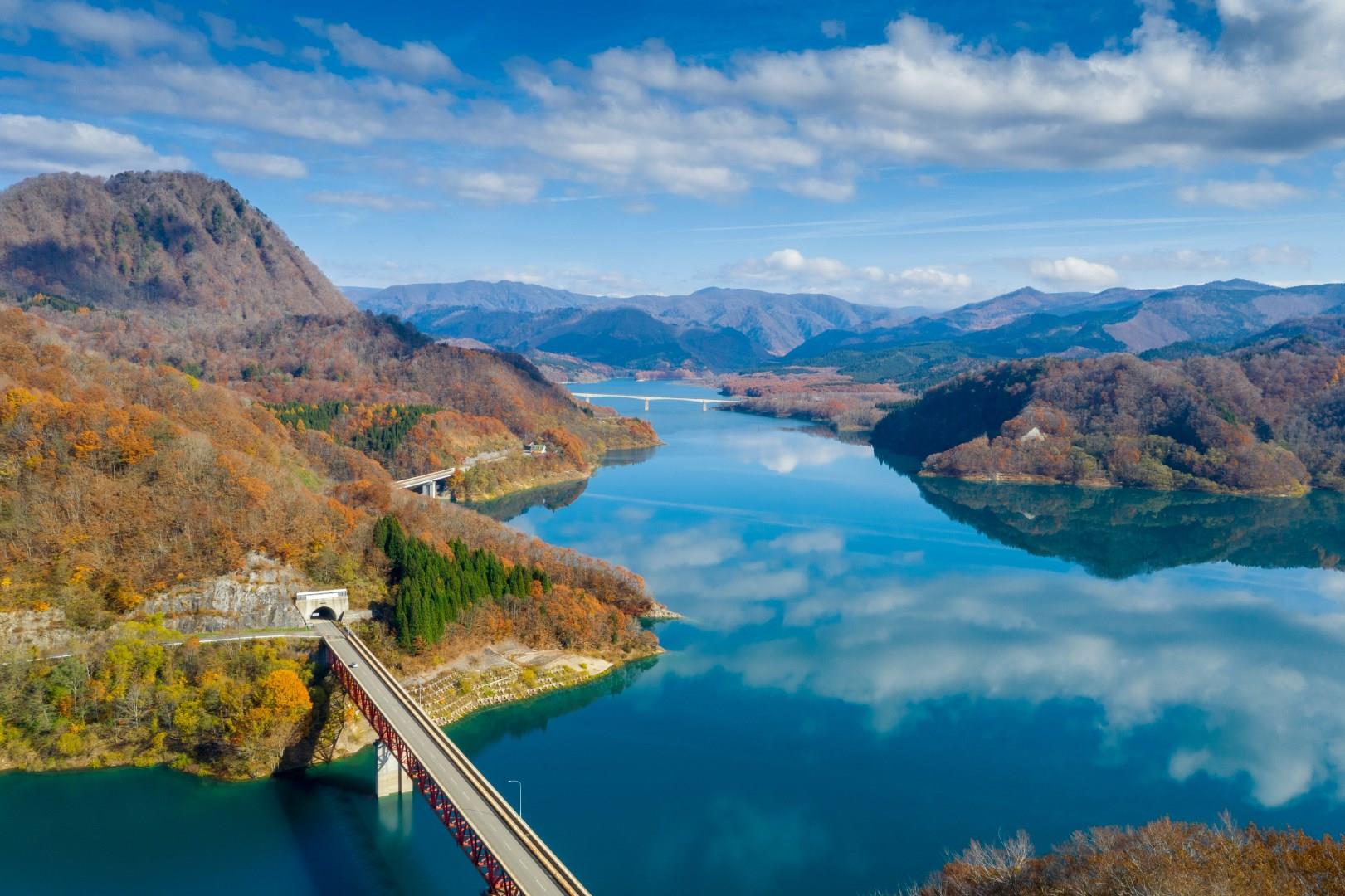
Akita
Akita sits in the northern part of Japan’s Tōhoku region and offers travelers experiences rooted in long-held traditions, lively festivals, and scenic valleys. Its capital city blends seasonal appeal with cultural offerings, from Senshu Park, once the site of Kubota Castle, where cherry blossoms and lotuses draw locals and visitors alike, to the Akita Museum of Art, a striking building designed by famed architect Tadao Ando that displays works including pieces by Tsuguharu Foujita.
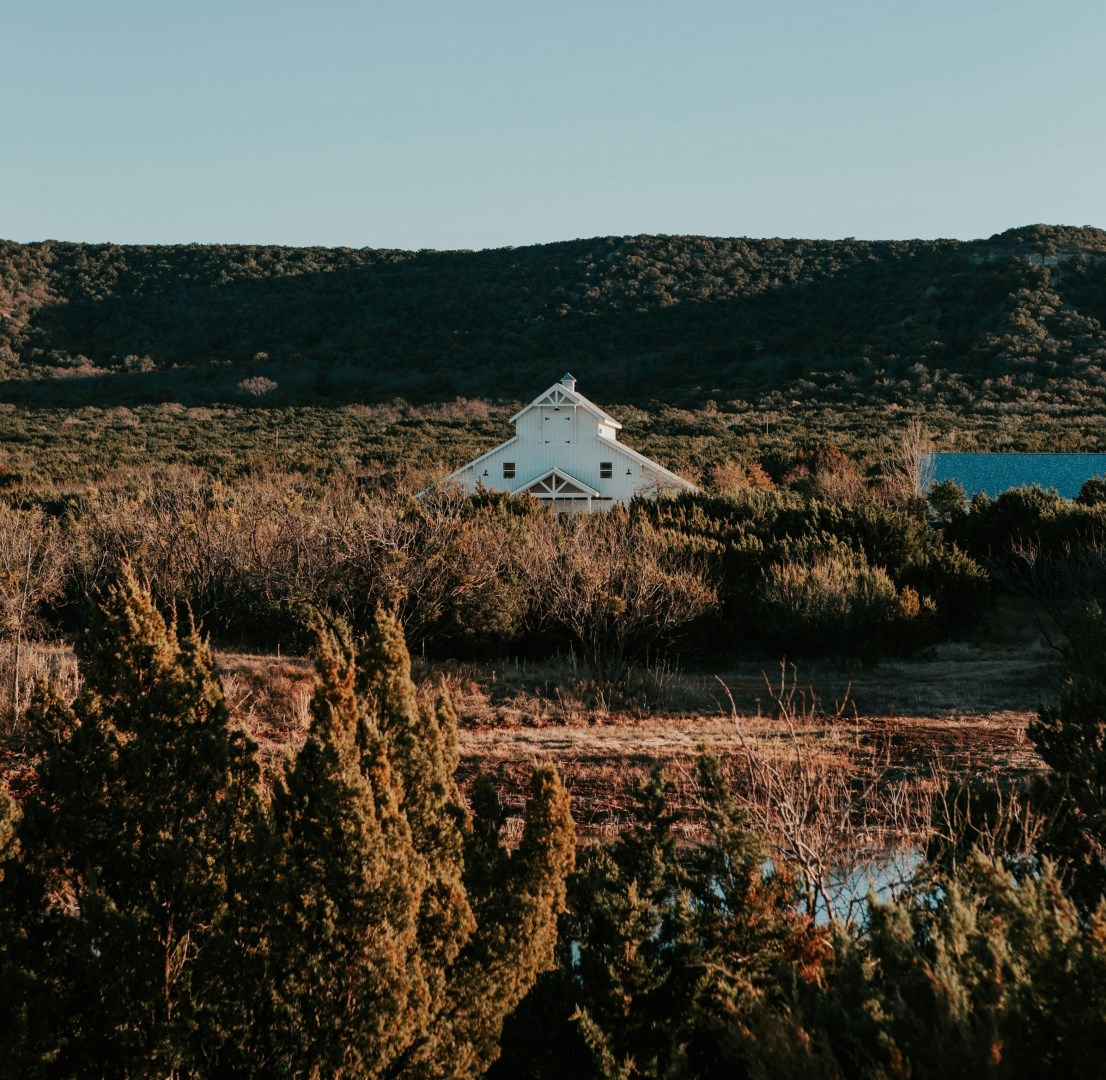
Abilene
Abilene is no-nonsense and traditional, but it's just as capable of having a good time as any rip-roaring cowpoke. When you're in Abilene, take time to see the Abilene Zoo, particularly the Texas Plains exhibit, a unique collection of species native to that part of the country (if you've never seen a javelina, here's your chance).
