
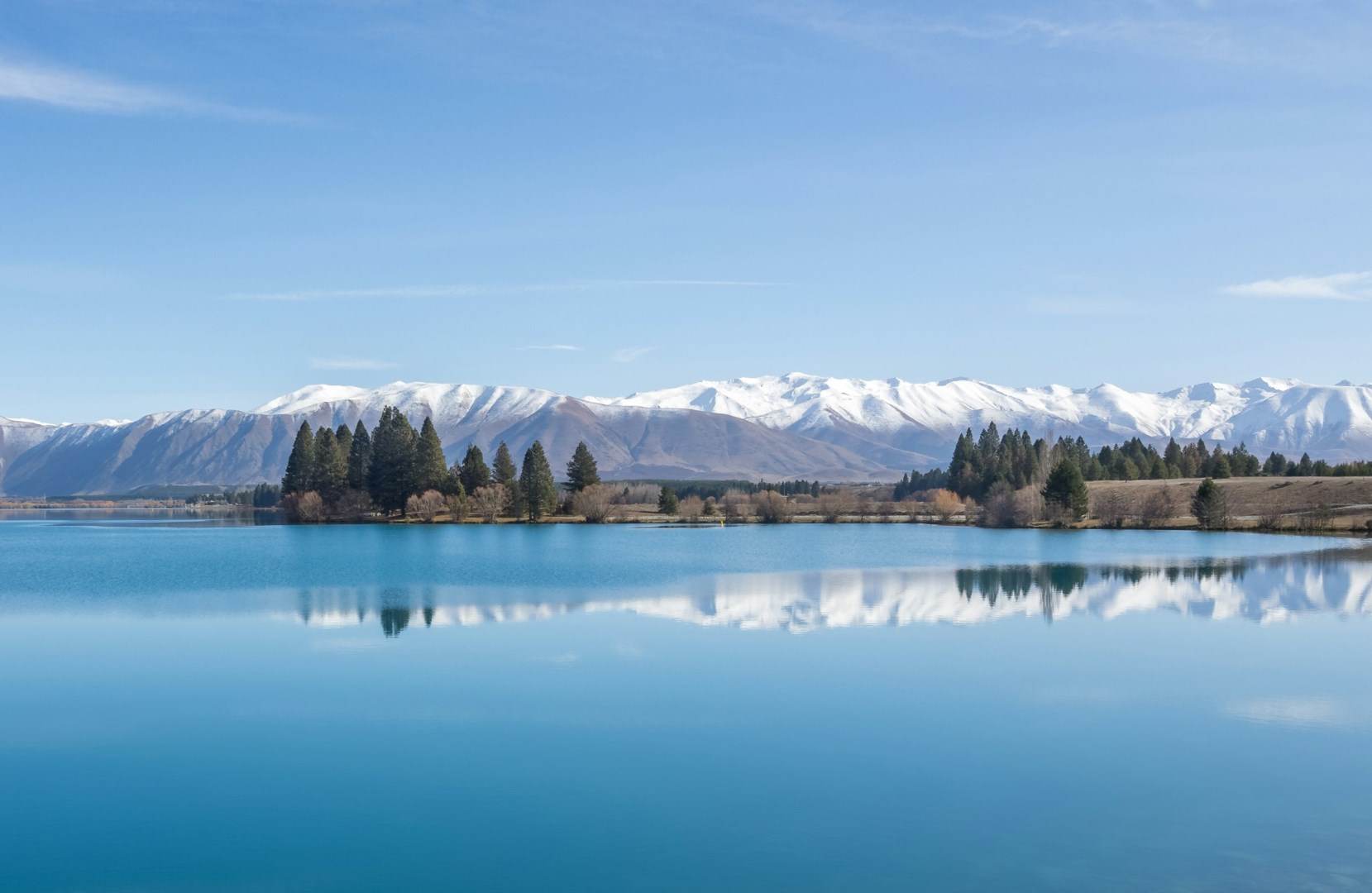
Twizel
Twizel is a 40 minute drive from Mt. Cook Village. Nearby is Mount Cook National Park and Lake Ruataniwha.
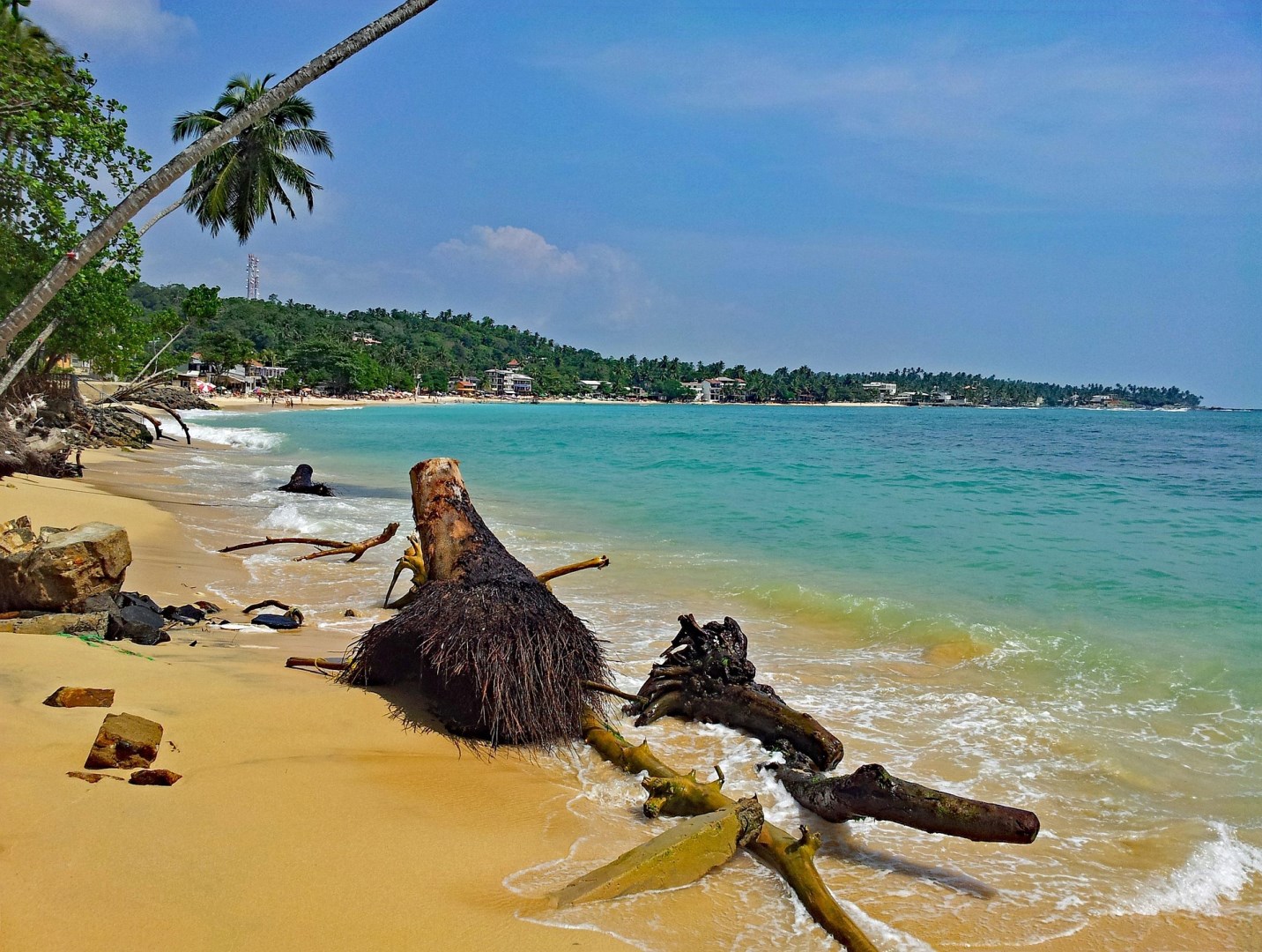
Unawatuna
Unawatuna lies along Sri Lanka’s southern coast, shaped by maritime trade, colonial encounters, and a long relationship with the sea. Once a small fishing village, it developed near historic Galle and reflects layers of Portuguese, Dutch, and British influence that passed through the region.

Brazil
Brazil is a country that moves to its own rhythm whether it be samba, bossa nova, the roar of waterfalls or the quiet of the rainforest. Stretching from the Amazon Basin to the Atlantic coastline, Brazil offers both iconic cityscapes and vast natural frontiers. In Rio de Janeiro, visitors can ride a cable car up to Sugarloaf Mountain, watch the sunset from Arpoador, or join a drumbeat-filled bloco during Carnival, where the streets turn into one massive celebration of music, movement, and color.
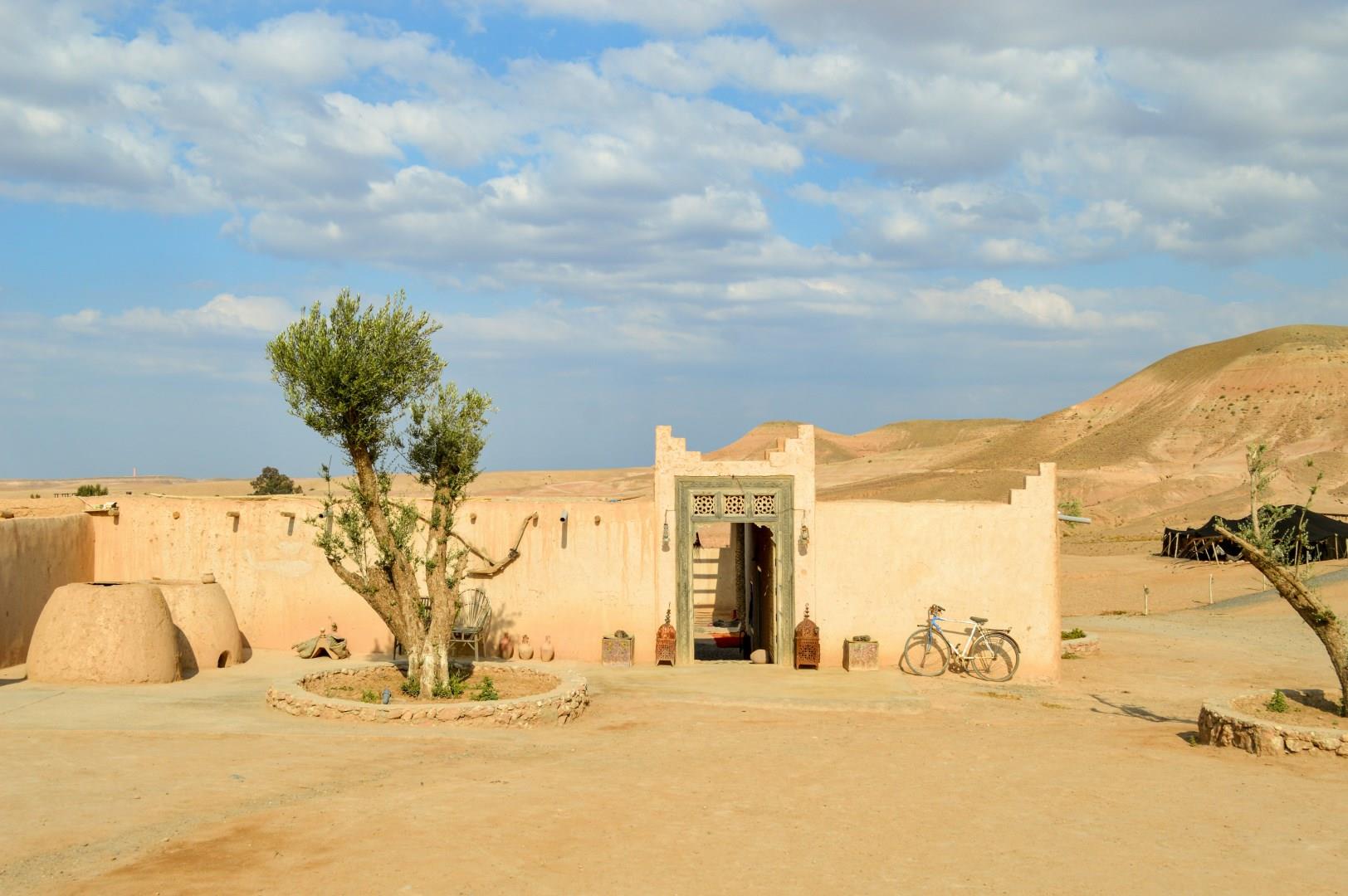
Agafay
Agafay, often called Morocco’s "stone desert," is located just 40 kilometers southwest of Marrakech, but the landscape feels like a different world. Unlike the golden dunes of the Sahara, Agafay stretches out in rolling hills of sand-colored rock and hard-packed earth. It offers the vastness of a desert experience without requiring a long journey from the city.
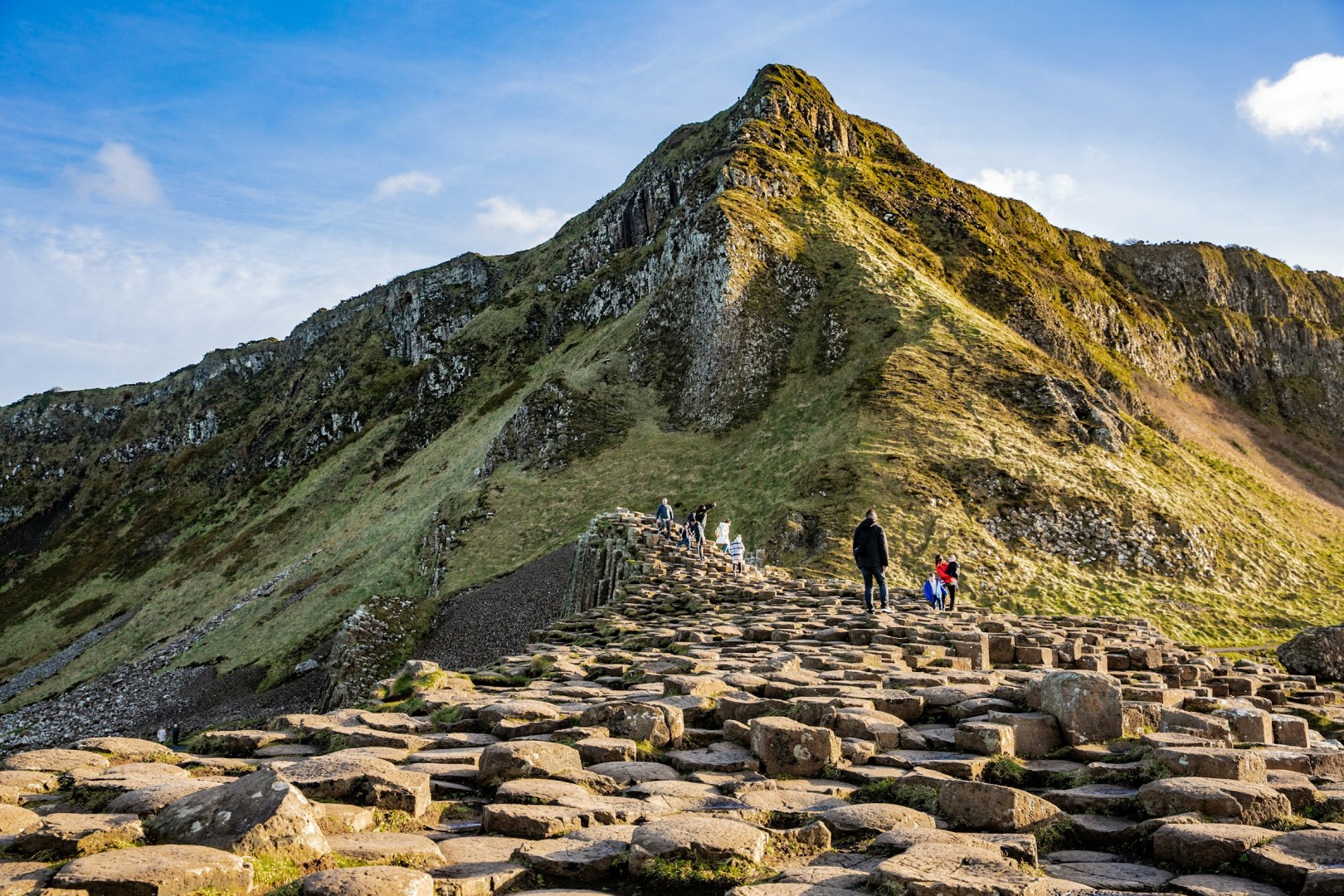
Giant's Causeway
Giant’s Causeway is a remarkable coastal formation on the north coast of County Antrim, Northern Ireland, where roughly 40,000 interlocking basalt columns extend from the foot of the cliffs into the sea. Most columns have a distinctive polygonal shape, created as layers of molten basalt cooled and contracted. The site forms part of the Giant’s Causeway and Causeway Coast UNESCO World Heritage Site and is protected as an important geological landscape.
