
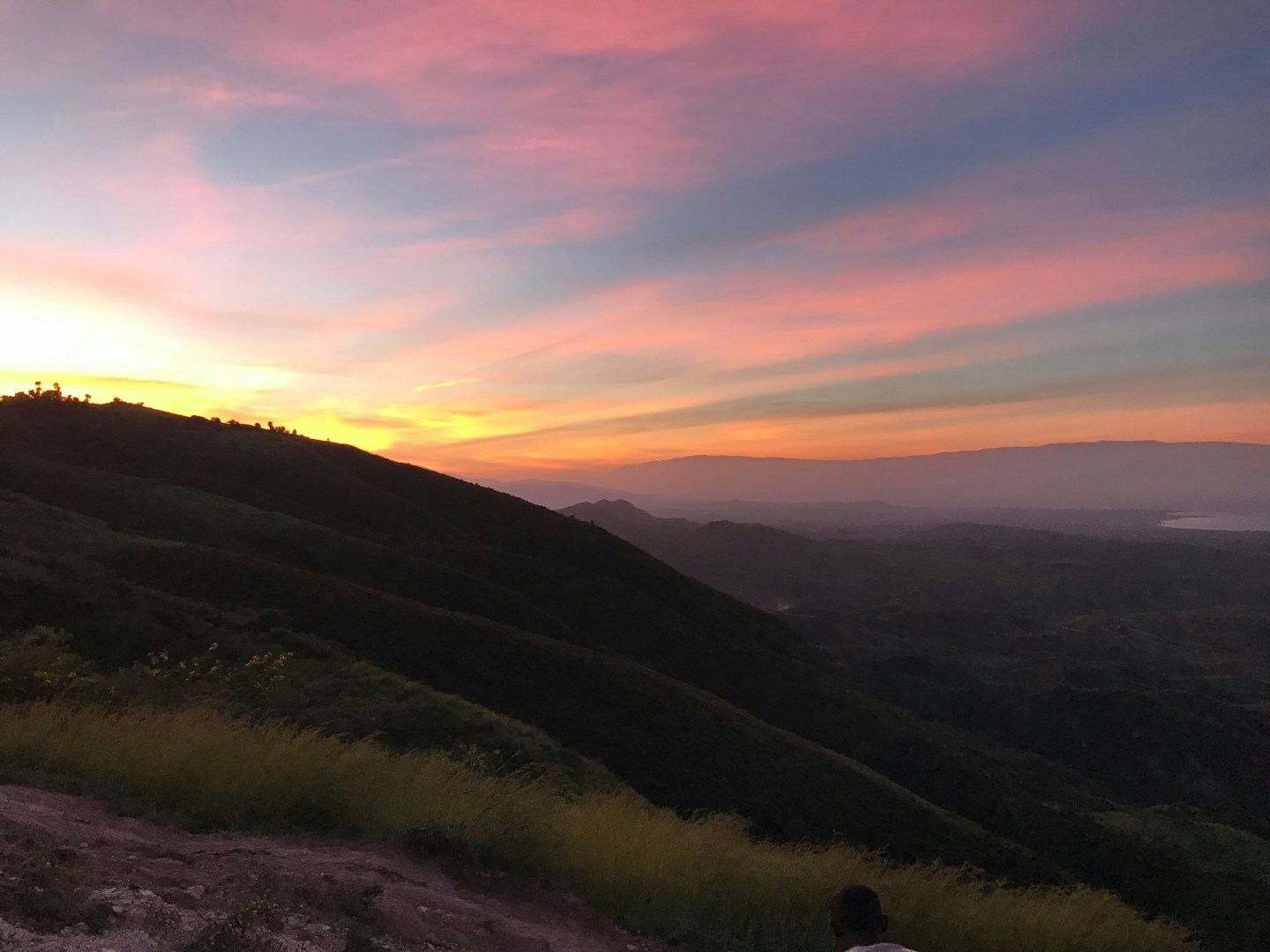
Port-au-Prince
Port-au-Prince in Southwest Haiti is the capital. The country's largest city, commercial center, and chief seaport, it is laid out like an amphitheater around a bay. Founded in 1749 by French sugar planters, it became the colonial capital in 1770, replacing Cap-Haïtien.
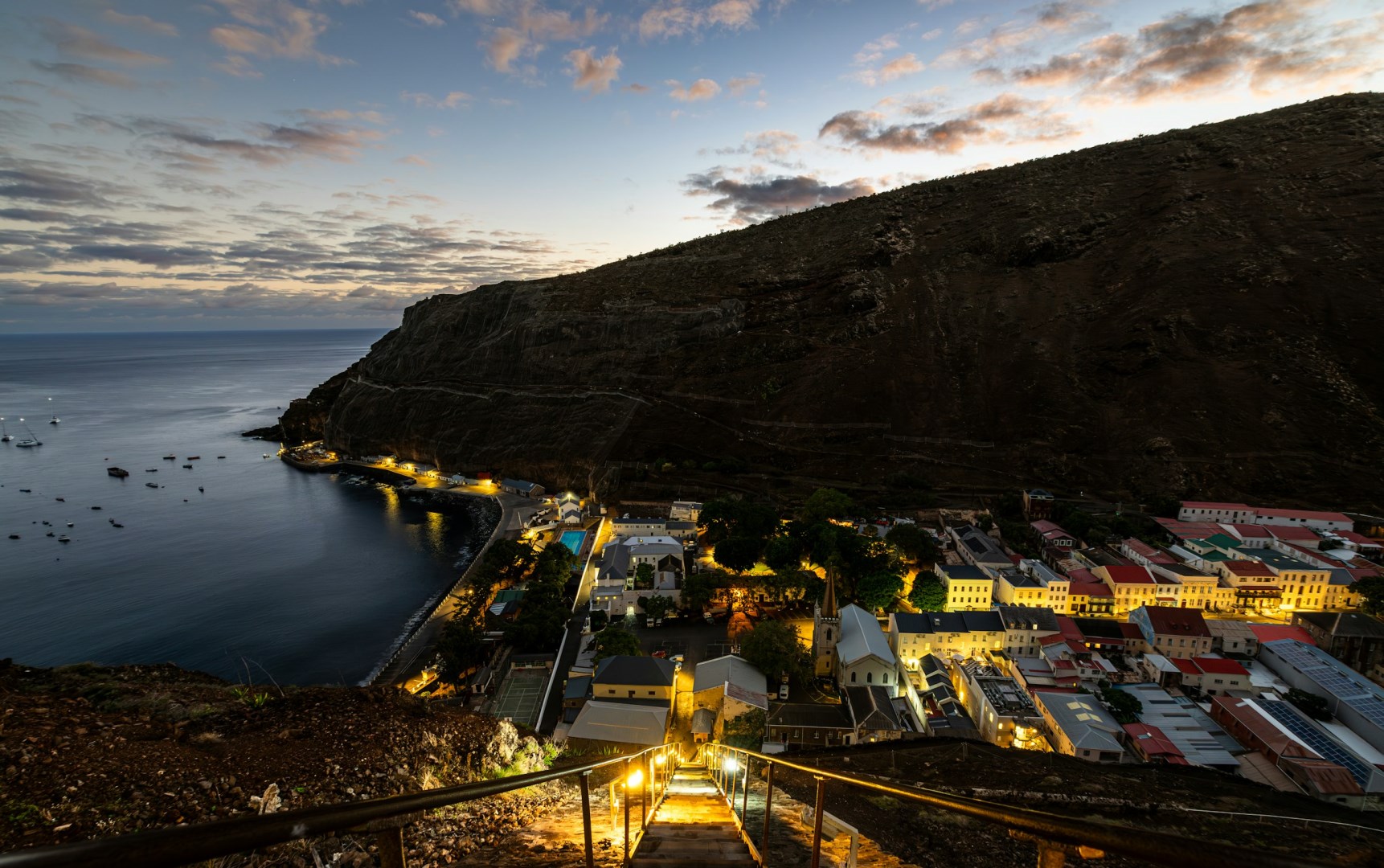
Jamestown
Jamestown is the capital and main settlement of St. Helena, a remote British Overseas Territory in the South Atlantic. The town lies in a narrow valley opening onto the sea, with steep volcanic cliffs rising on both sides and historic buildings lining the main streets. Its compact centre contains many surviving structures associated with the island’s East India Company heritage, reflecting Jamestown’s former role as an important mid-Atlantic port.
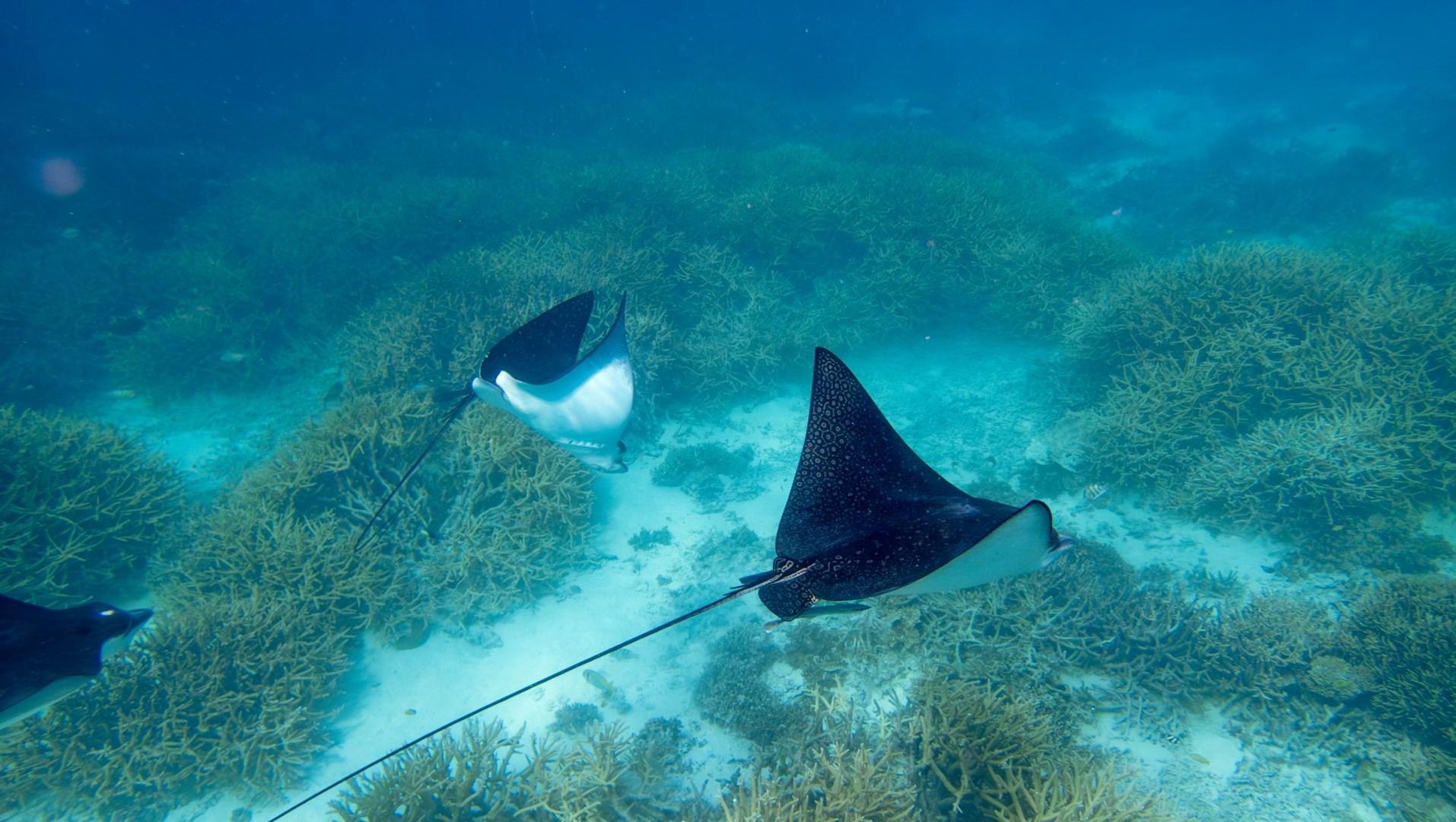
Heron Island
Heron Island is a true coral cay right on the Great Barrier Reef. Here you can swim straight off the beach to an endless garden of coral where the waters are literally teeming with beautifully coloured fish and marine life.
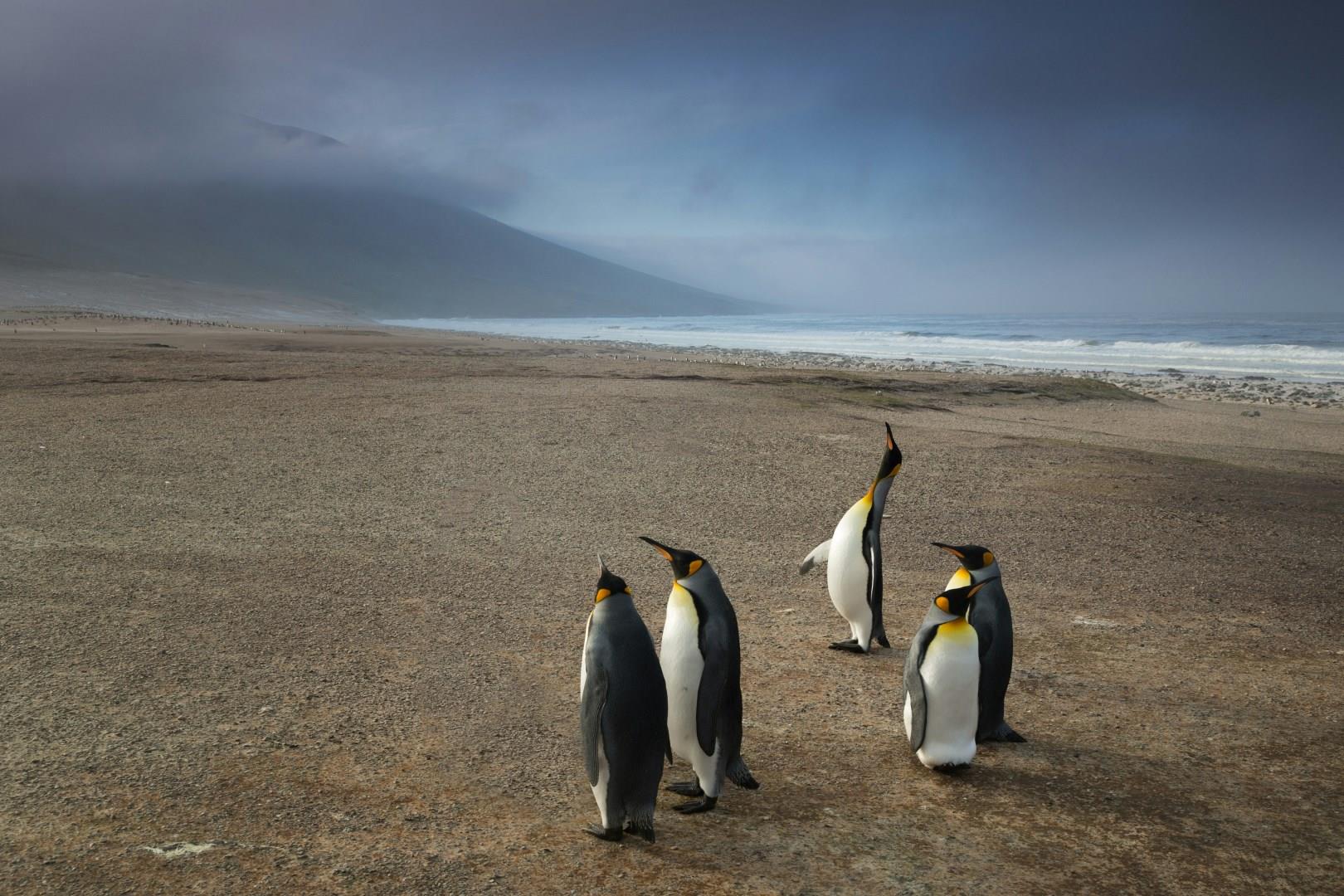
Falkland Islands
The Falkland Islands, a remote archipelago in the South Atlantic, offer a striking combination of wild open spaces, rich wildlife, and a way of life shaped by wind, sea, and resilience. With fewer than 3,500 residents spread across over 700 islands, the Falklands provide a rare opportunity to disconnect from busy modern life and connect with wide skies, rugged coastlines, and some of the most accessible wildlife experiences on the planet.
Blaye
Blaye is a small town on the Gironde estuary in southwestern France, north of Bordeaux, known for its riverside setting, historic citadel, and connection with the vineyards of northern Gironde. The town rises gently from the estuary, with the fortified Citadel of Blaye occupying a prominent position above the water. Its old streets contain stone houses, cafés, and shops, while the waterfront provides views across the broad estuary toward the Médoc peninsula.
