
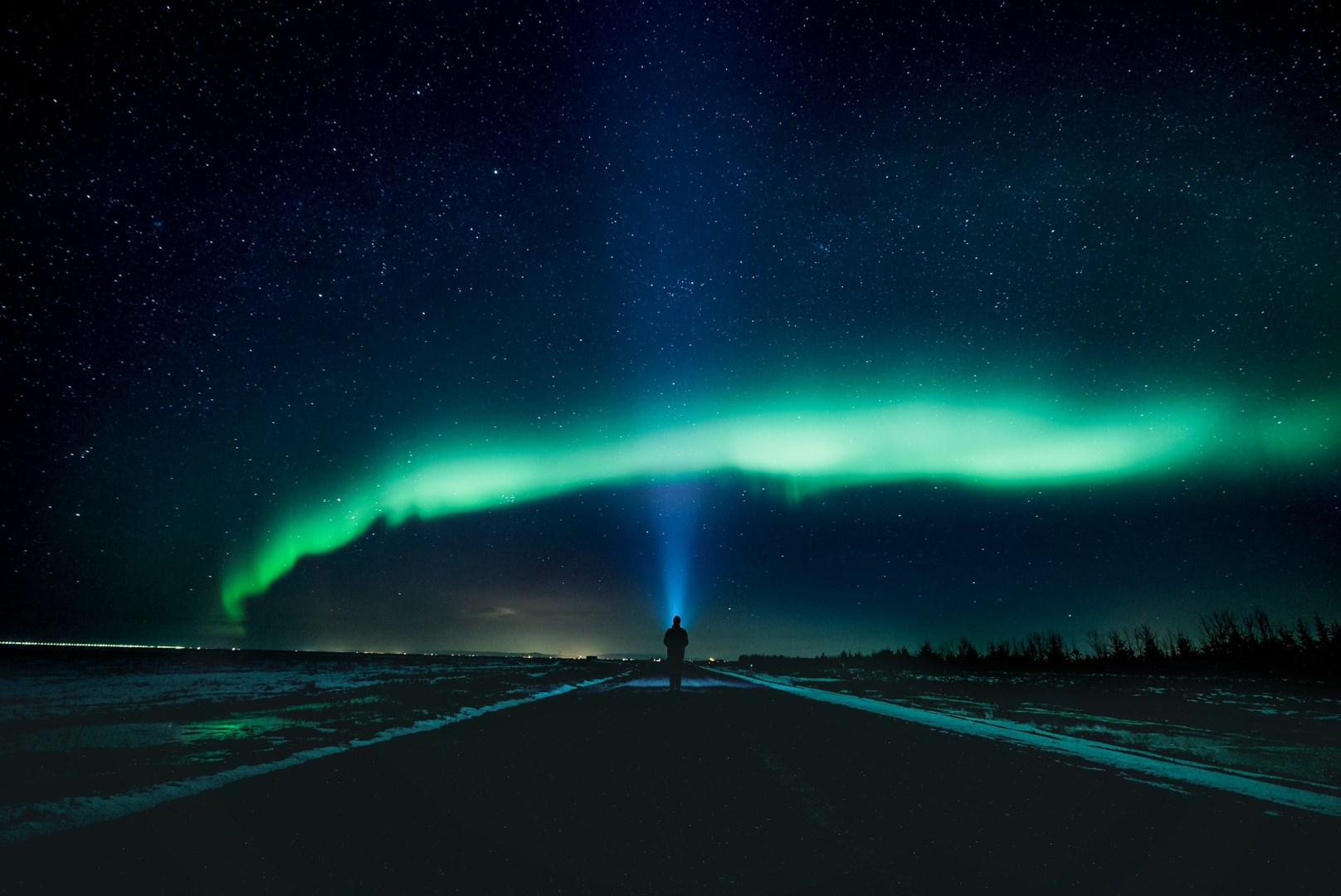
Hella
Hella is a small town in southern Iceland on the south bank of the Ytri-Rangá River, positioned along the main road between Selfoss and Hvolsvöllur. Its location on the fertile Rangárvellir plain gives the town a strong agricultural character, with farms and open fields extending toward the surrounding mountains. Hella is also a practical base for exploring southern Iceland, with the Þjórsárdalur valley,
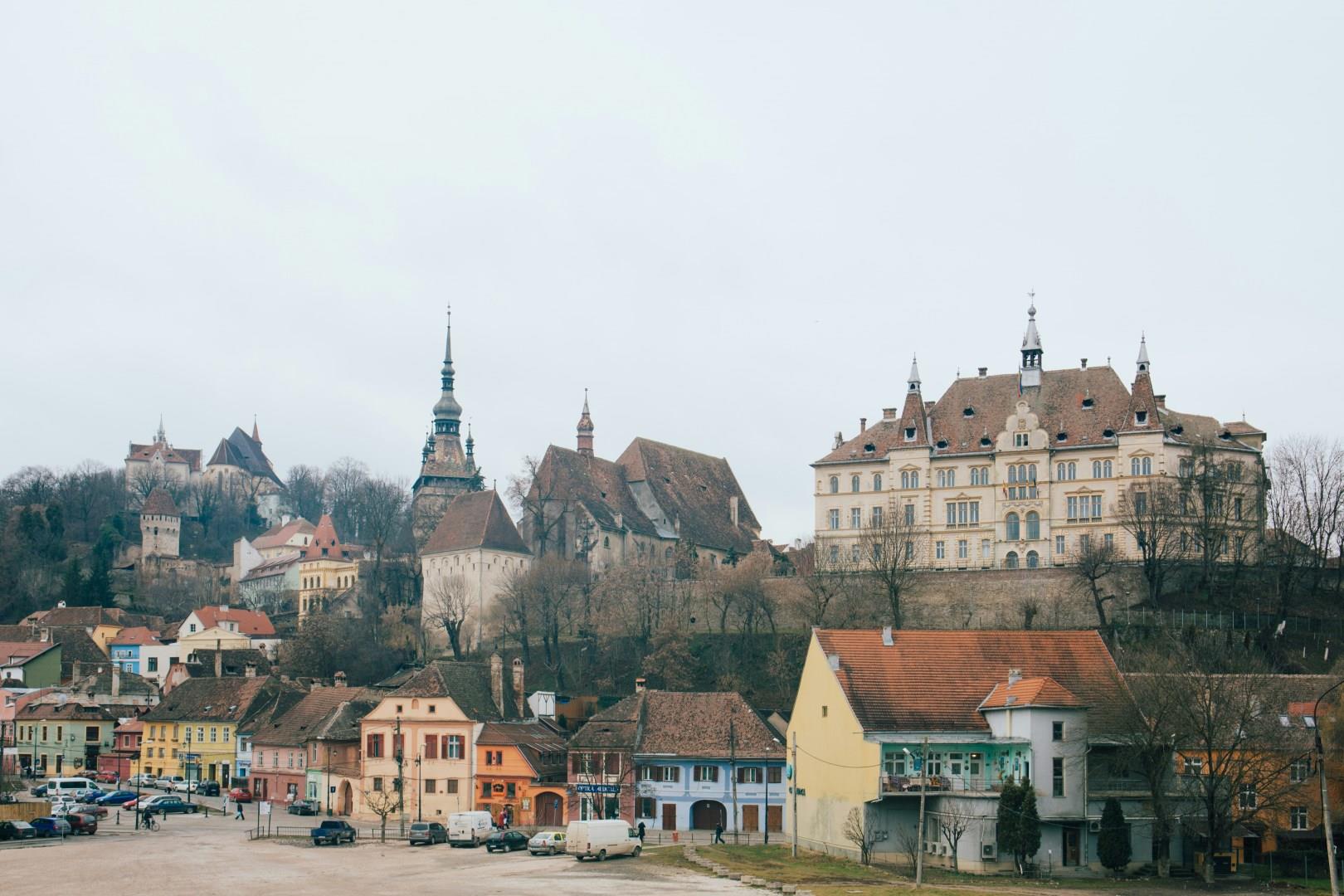
Sighisoara
Sighisoara rises above the Târnava Mare River as one of the few medieval citadels in Europe that is still lived in and admired today. Its historic center has been on the UNESCO World Heritage List since 1999, recognized for its long history as a fortified Saxon settlement and its role in trade and defense on the edges of central Europe. Wander through cobbled alleys framed by pastel-colored houses, and the layers of time feel close at hand, from the city walls and guild towers to busy cafés.
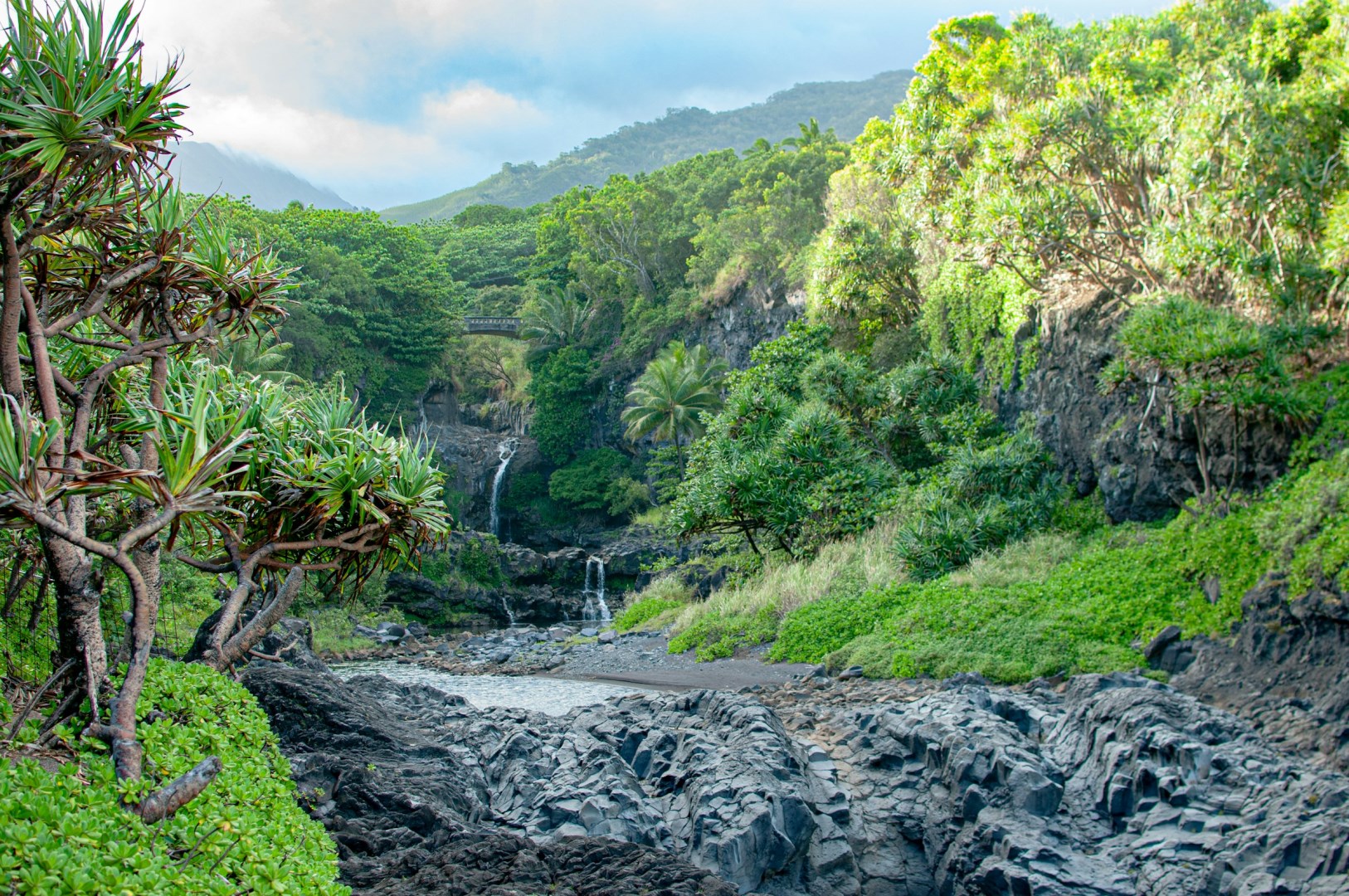
Haleakalā
Maui, both second youngest and second largest of the Hawaiian Islands, is home to the world's largest dormant volcano, Haleakala, meaning "House of the Sun." Last erupting about 200 years ago, it makes up the eastern end of the island. Maui was formed by volcanic activity from Haleakala on the east and the West Maui Mountains to the west. The connecting isthmus between the two spots was formed from joining lava from both and gives Maui its nickname, the Valley Isle.
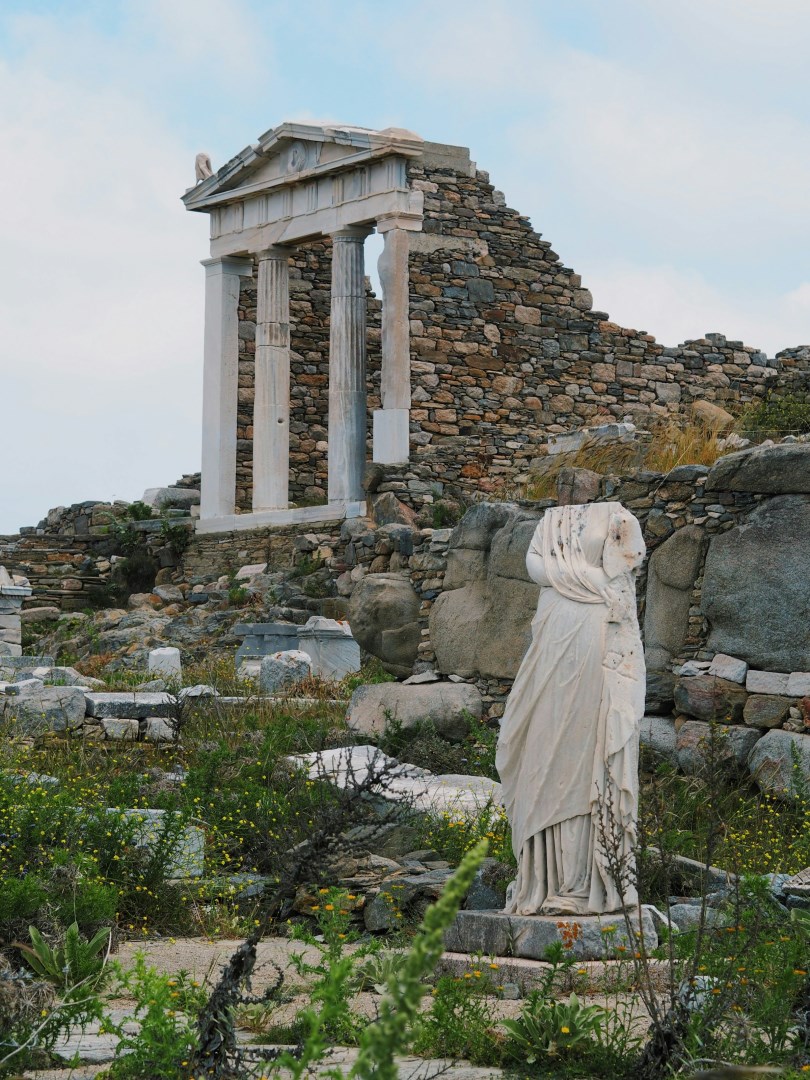
Delos
This uninhabited island is one of the finest archaeological sites in Greece. Considered a sacred island since the 7th century BC, the famous Terrace of the Lions stands guard over the "sacred lake" and the remains of the temple of Apollo.
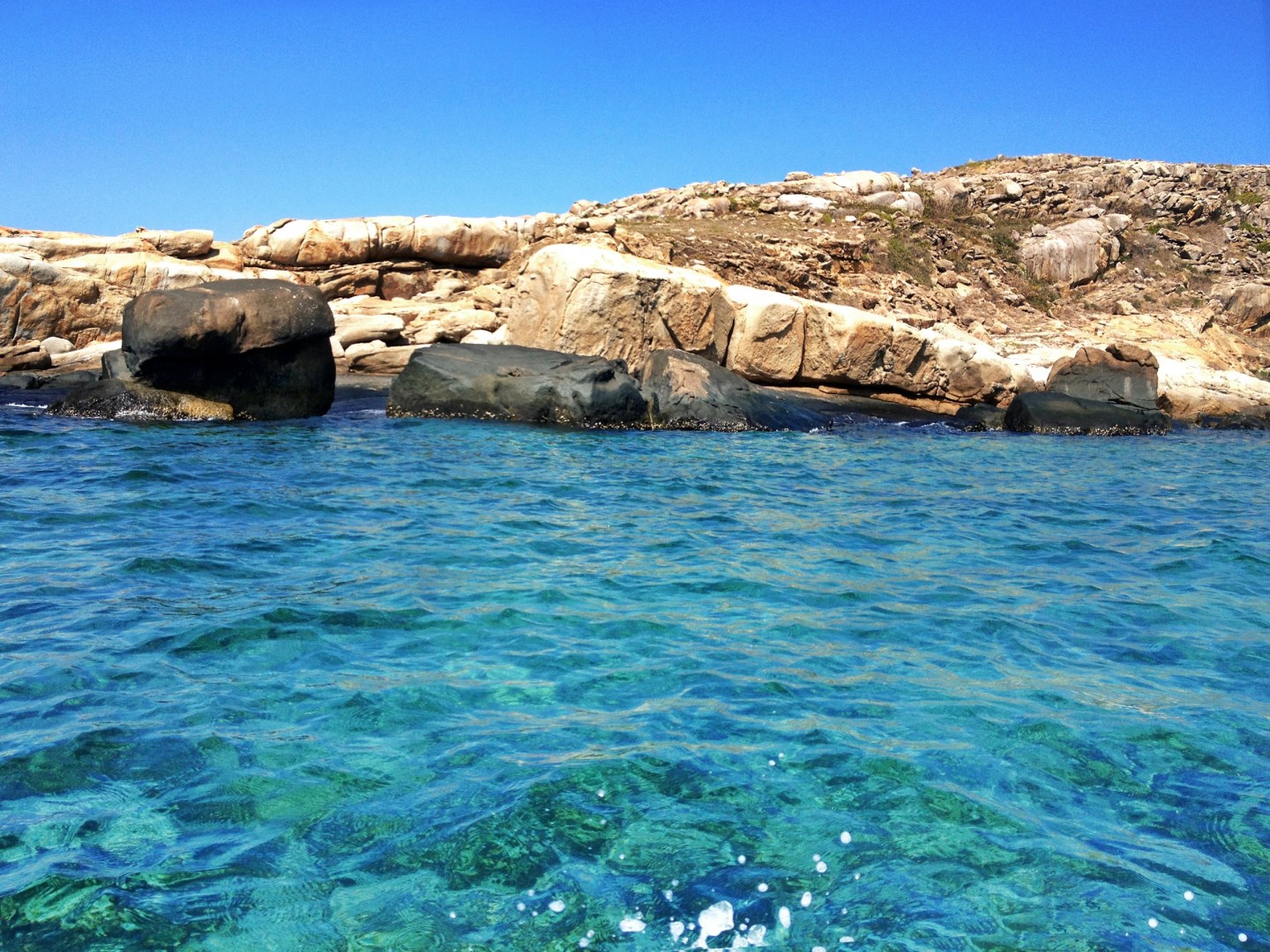
Lizard Island
Seclusion is the name of the game on Lizard. It's a large national-park island and surrounded by Osprey Island, Seabird Islet, South and Palfrey islands. Lizard has special historical interest due to Captain Cook's visit. It also has fine diving and fishing possibilities, 23 superb beaches (among the reef's best) and great swimming and snorkelling.
