
La Palma
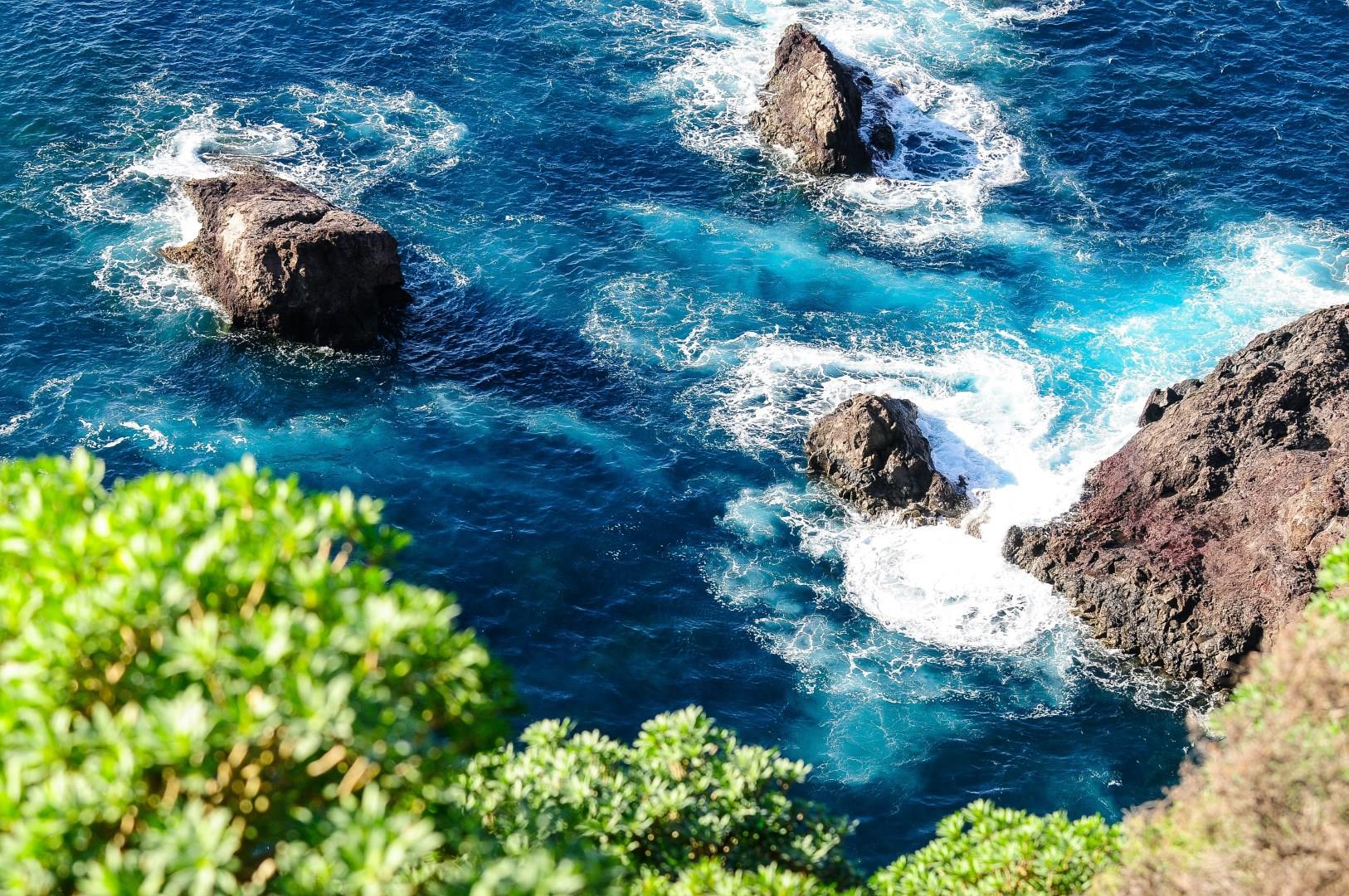
La Palma (also San Miguel de La Palma) is the fifth of Spain's Canary Islands. This mountainous volcanic island is a natural wonder of tropical vegetation. Its coast is lined by jagged cliffs and plunging ravines, and its beaches are covered with black sand. Thanks to dry climate and the height of its mountains creating excellent observation conditions, La Palma has become the home of some of the world's largest telescopes, seated on the rocky ridge called El Roque de los Muchachos.
Ollantaytambo
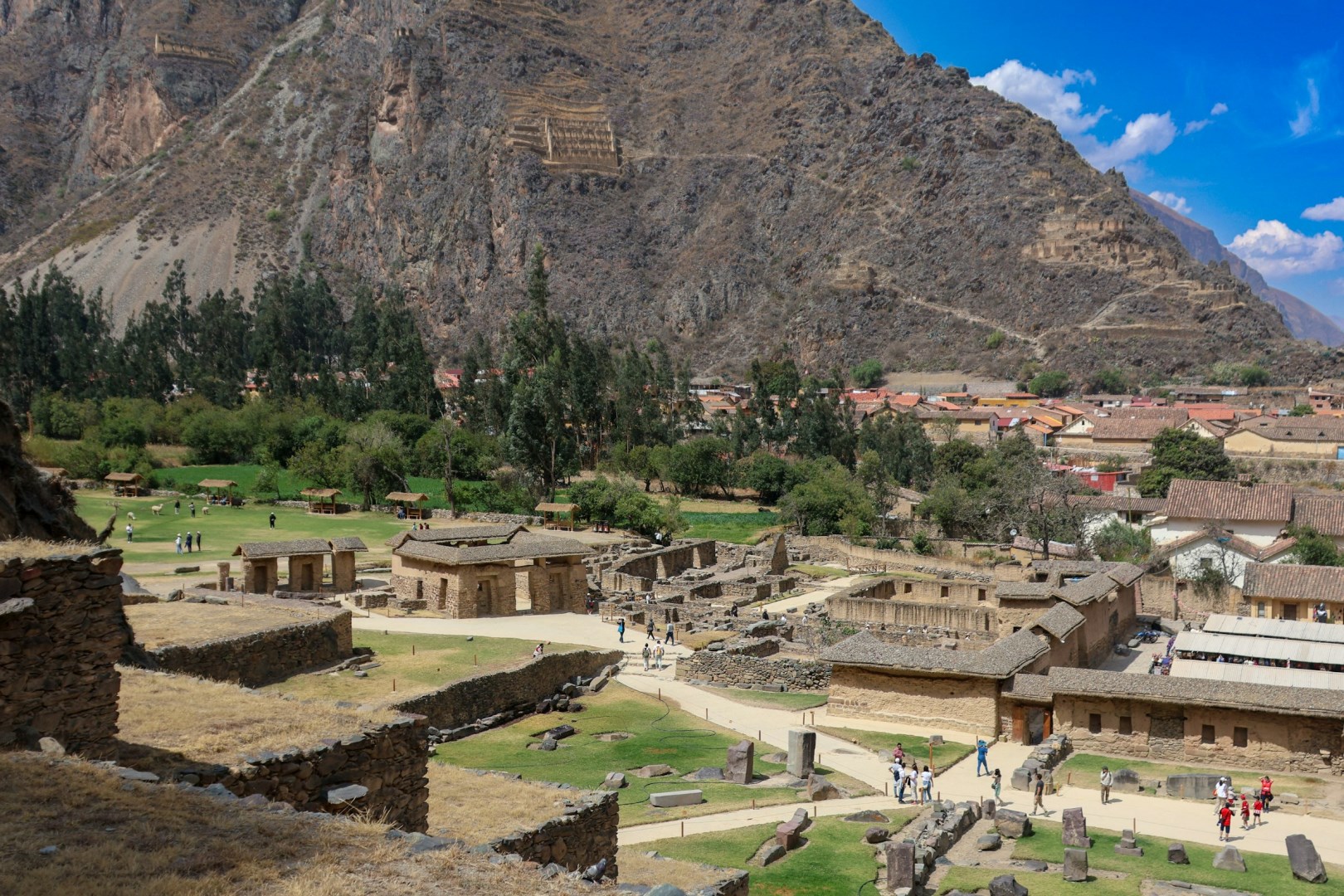
Most commonly reached via travel from Cusco, Ollantaytambo is an Incan archaeological site in the Sacred Valley of southern Peru. The town dates from the late 15th century and is home to some of the oldest continuously-occupied dwellings in South America.

Petra
Tucked between Jordan's sandstone cliffs in the southwestern desert, Petra was carved directly into rose-colored rock more than 2,000 years ago. Visitors approaching through the narrow gorge known as the Siq are rewarded with their first glimpse of Al-Khazneh, the Treasury, a towering facade that seems to appear from another world.
Samos
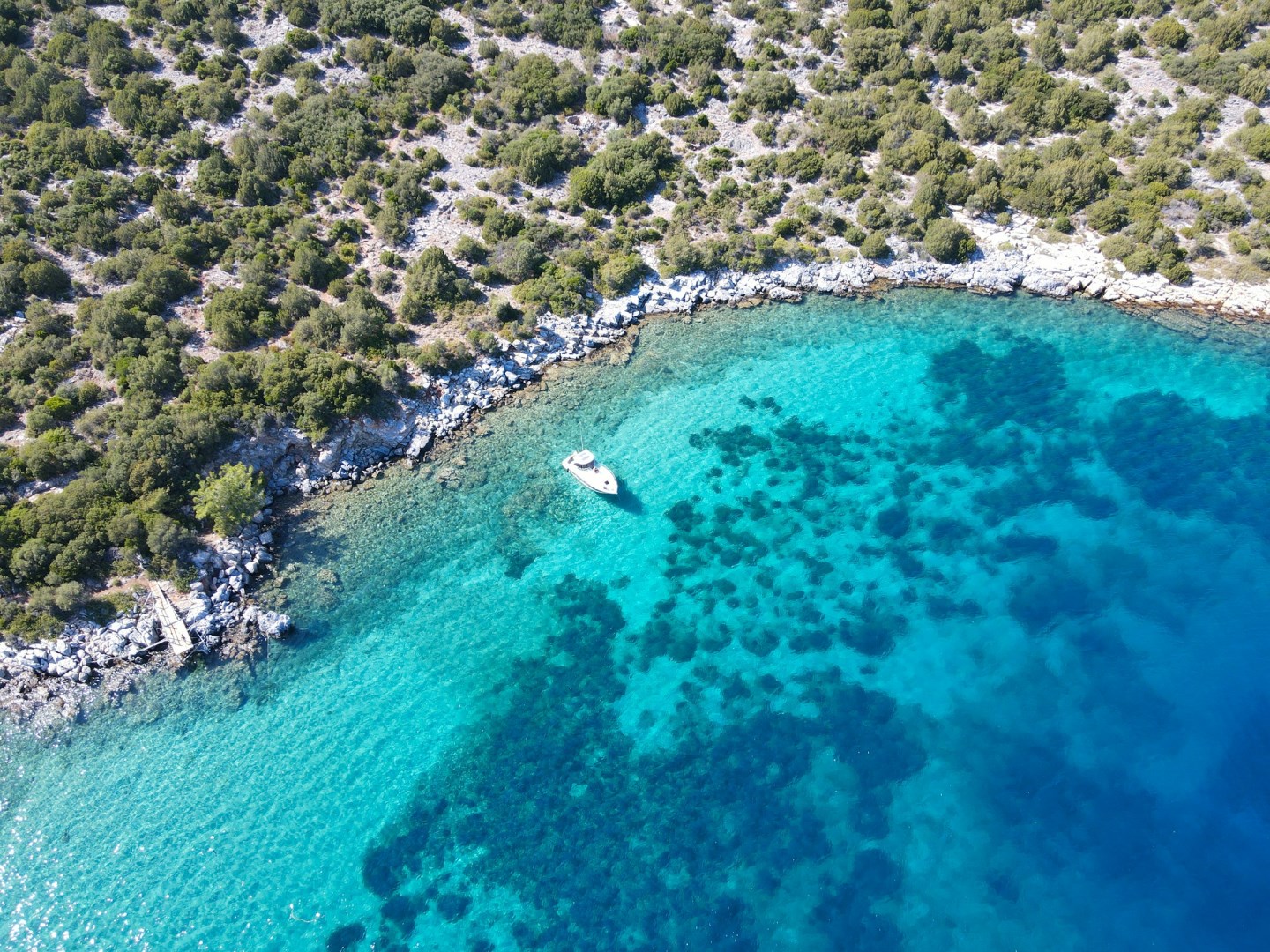
This hilly Aegean island, legendary birthplace of the goddess Hera, rests along a narrow strait across from the Turkish coast. Stroll through the streets of Old Town, lined with Turkish-style houses. Visit the Archarological Museum, housing artifacts from the Hearion, and be sure to view the lighted harbor at night. Also explore the 6th century AD Eupalina Tunnel, an enormous aqueduct built through the mountains to supply the city with water.
Toledo
Toledo, seat of Lucas County, northwestern Ohio, a port on the Maumee River, at its mouth on Lake Erie; incorporated 1837. The city's extensive transportation facilities include its fine natural harbor, which is a port on the Great Lakes-Saint Lawrence Seaway and ranks among the world's leading soft-coal-shipping ports; an extensive network of railroads; and an air cargo terminal.
